Drain Snaking
About This Project
A high-level outline for performing drain snaking to clear a clog in a plumbing system.
Tools & Materials
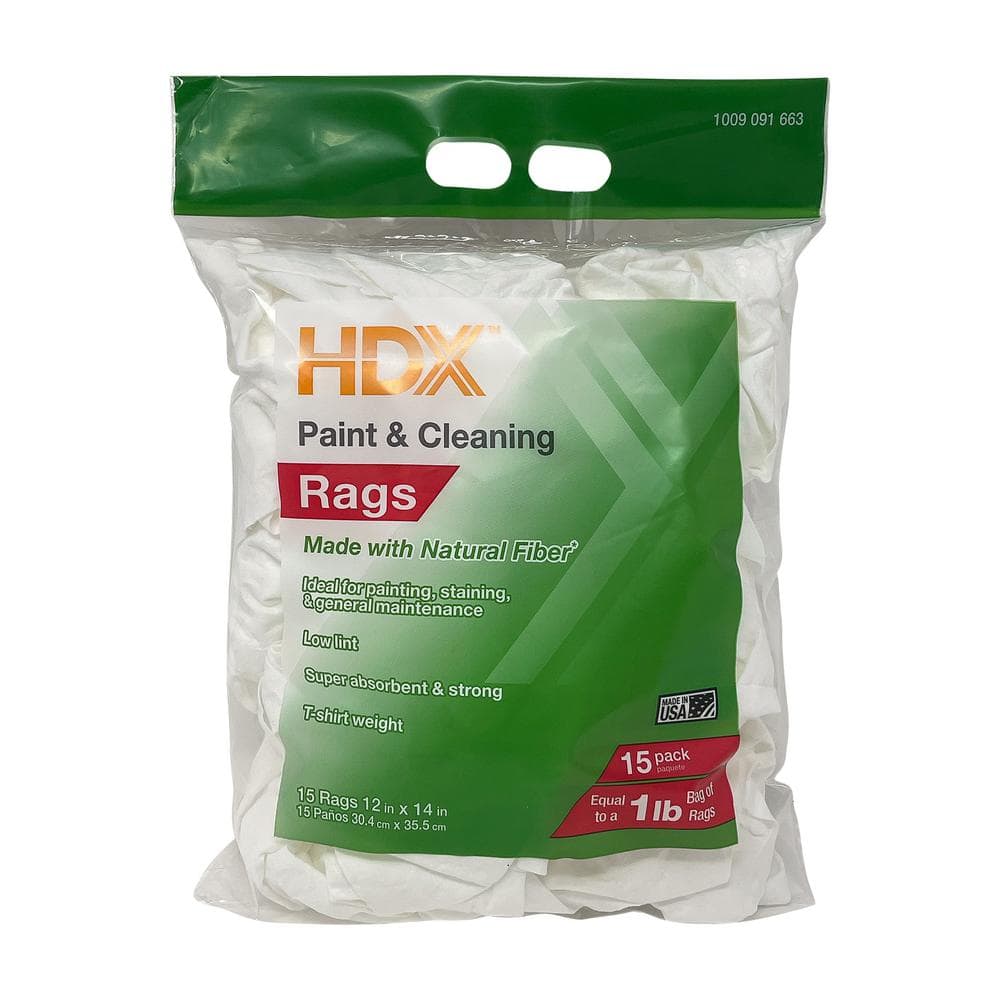
HDX Non Woven Paint and Cleaning Rags (15-count) PFC-00628-15HDX
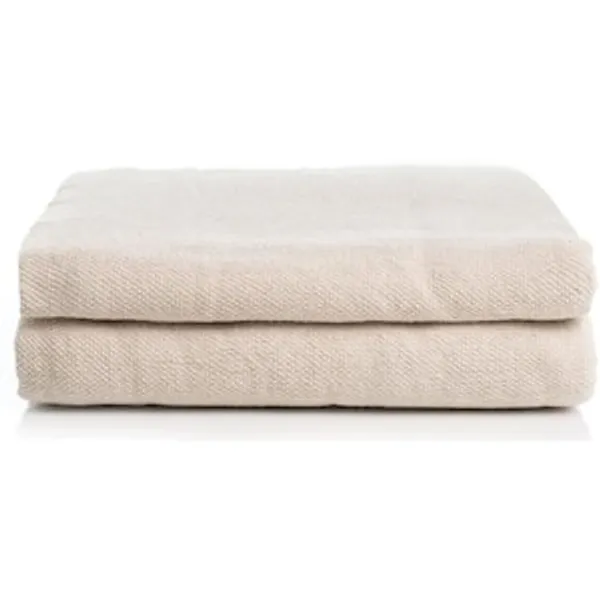
Drop Cloth
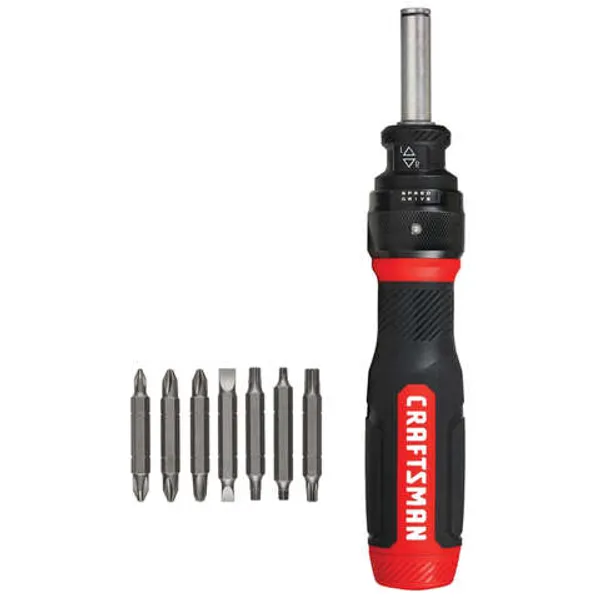
Screwdriver
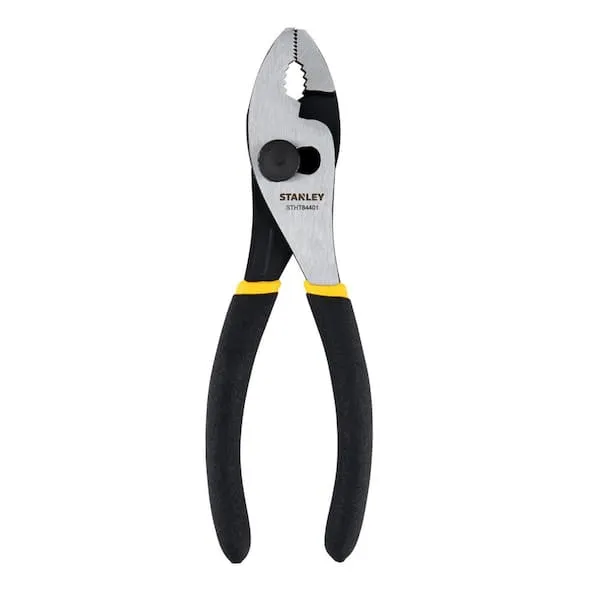
Pliers
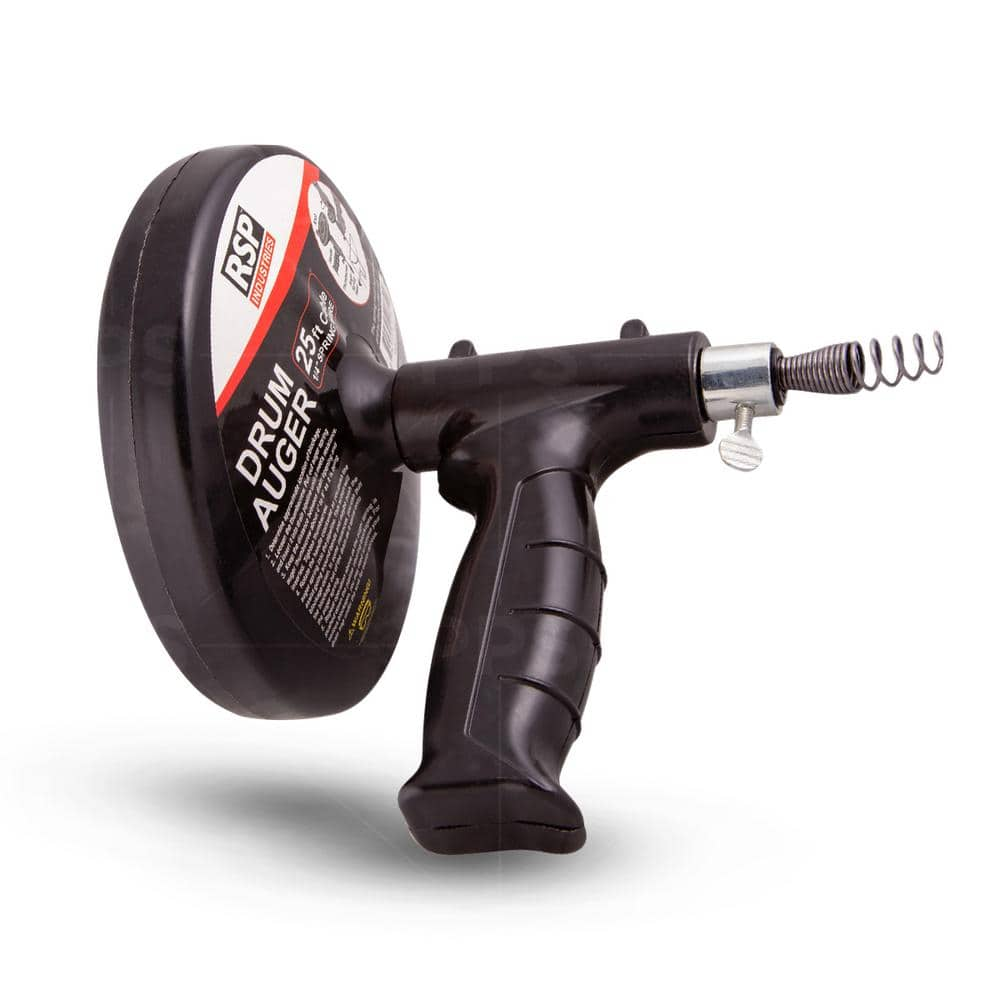
The Plumber's Choice 25 ft. Drum Auger Steel Plumbing Drain Snake with Drain Cleaning Cable SU3248
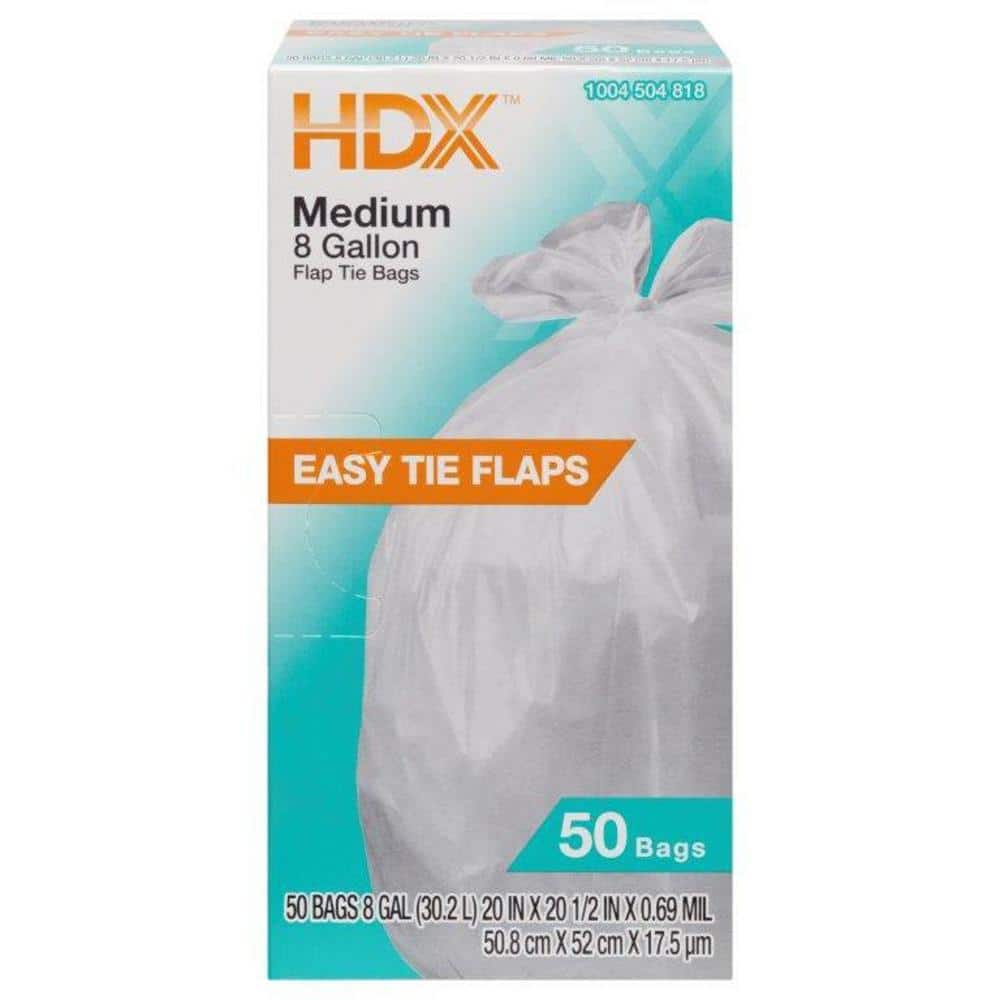
HDX 8 Gal. White Medium Trash Bag (50-Count) HDX 8G WHT
HDX Non Woven Paint and Cleaning Rags (15-count) PFC-00628-15HDX
HDX brand premium paint and wiping cloths made from PFC pro material are designed to be the highest performing paint, stain and cleaning rag on the market today. Made in a patented process to be consistent
Drop Cloth
Protects surfaces from unwanted spills.
Screwdriver
A tool used to turn screws.
Pliers
Grips and manipulates objects.
The Plumber's Choice 25 ft. Drum Auger Steel Plumbing Drain Snake with Drain Cleaning Cable SU3248
The Plumber's Choice drain auger is a great tool to keep in your house for a quick-fix anytime drain clogging arouses, as it avoids the need to stop and wait till the plumber arrives, as well as paying
HDX 8 Gal. White Medium Trash Bag (50-Count) HDX 8G WHT
8 Gal. Medium White Trash Bags with Flap Ties 50-Count are perfect for home, bathroom, nursery and office trash cans. Built-in easy tie flaps keep trash inside and disposal neat. Also perfect for special
Steps


Remove the Drain Stopper/Cover
5 minutesUnscrew or lift out the drain stopper, strainer, or decorative cover from the drain opening. Some stoppers may have a small screw or knob that needs to be loosened. If it's a pop-up stopper, you might need to disconnect it from the linkage underneath the sink.
Watch: Remove the Drain Stopper
Insert the Drain Snake
10 minutesInsert the tip of the drain snake cable into the exposed drainpipe opening. Push the cable slowly and steadily into the pipe. If you encounter a P-trap, you may need to angle the snake or remove the trap first. Continue feeding the cable until you meet the obstruction.
Watch: Snake the Bathtub Drain
Engage the Clog
15 minutesWhen the drain snake reaches the clog, use the locking mechanism on the snake handle to secure the cable in place. Begin rotating the handle clockwise. This action will either break apart the clog, allowing water to flow, or it will hook onto the obstruction, allowing you to pull it out.
Watch: Break Up or Grab Clog
Retract the Drain Snake
10 minutesOnce the clog appears to be cleared or hooked, unlock the cable and begin to retract the drain snake from the pipe. Continue rotating the handle counter-clockwise as you pull back to help dislodge any material clinging to the snake. Dispose of any debris that comes out with the snake.
Watch: Retract Cable and Flush Drain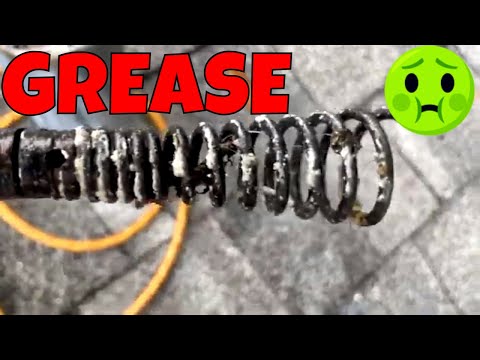
Test the Drain
10 minutesTurn on the hot water tap and let it run into the drain for at least 5-10 minutes. Observe the drainage speed. If the water flows freely without backing up, the clog has likely been cleared. If it still drains slowly, you may need to repeat the snaking process or try a different method.
Watch: Test Drain Flow
Clean Up
10 minutesWipe down the drain opening and surrounding surfaces with a damp cloth to remove any residual water or debris. Clean the drain snake according to its manufacturer's instructions, ensuring it is dry before storing. Wash your hands thoroughly. Finally, reinsert and secure the drain stopper or cover.
Watch: Clean and Store Drain SnakeCommon Problems
You've poured chemical drain cleaner down the drain, but it's still clogged, and now you have standing water with harsh chemicals.
Solution: Stop immediately. Ensure the area is well-ventilated. Put on heavy-duty rubber gloves and safety glasses. Carefully try to bail out as much of the chemical solution as possible into a bucket, then dispose of it safely. Do NOT proceed with snaking until the chemical solution is mostly removed or heavily diluted, as snaking can cause it to splash, posing a severe burn risk. If you cannot safely remove the chemicals, call a professional plumber.
Prevention: Never use chemical drain openers before attempting to snake a drain. Chemical drain cleaners can be corrosive and dangerous, especially when combined with snaking or if they don't clear the clog, leaving dangerous standing water.
The drain snake won't go any further, or it feels stuck and you can't push it or pull it back easily without a lot of force.
Solution: Do not force the snake. If it feels stuck, gently try to rotate the drum handle in both directions while applying slight inward/outward pressure. It might be caught on a pipe bend or an obstruction. If it's truly jammed, carefully retract the snake slowly, inspecting it for kinks or debris. Re-insert with more caution, rotating the handle continuously as you feed it.
Prevention: Feed the drain snake slowly and consistently rotate the drum handle as you push the cable into the drain. This rotation helps the snake navigate bends and obstructions without getting caught or kinking. Never force the snake.
You've snaked the drain multiple times, but the water still isn't draining, or it seems to be draining even slower than before, suggesting the clog might have been pushed deeper.
Solution: Re-insert the drain snake carefully. When you feel resistance, indicating you've reached the clog, rotate the snake's handle firmly to allow the tip to 'grab' onto the clog. Instead of just pushing, try to slowly retract the snake while continuing to rotate the handle. This helps break up the clog and pull it out rather than pushing it further down the pipe.
Prevention: The goal of snaking is often to pull the clog out, not just push it through. When you feel the clog, rotate the snake's handle to help the auger tip hook or break up the obstruction. Then, retract the snake slowly, pulling the clog back out of the drain.
Dirty water, grime, or sewage splashes out of the drain or off the snake onto your work area, creating a significant mess and potential health hazard.
Solution: Stop working immediately. Put on safety glasses and rubber gloves if you aren't already wearing them. Use your rags and drop cloths to contain and clean up the mess with a disinfectant. Dispose of contaminated materials in the trash bag. Proceed with extreme caution.
Prevention: Always prepare your work area thoroughly before starting. Lay down a large drop cloth and have plenty of old rags handy. Wear rubber gloves and safety glasses throughout the entire snaking process. Keep a bucket nearby to place the dirty snake into as you retract it, minimizing drips and splashes.
You hear scraping noises or feel extreme resistance, and you're worried you might be damaging the pipes or scratching the visible fixtures.
Solution: Stop applying force immediately. Carefully and slowly retract the drain snake. Inspect the tip for any damage or burrs. Re-insert the snake with much more caution, focusing on feeding it gently through bends without forcing it. If snaking a toilet, a specialized toilet auger (closet auger) is often safer than a drum auger to prevent porcelain damage.
Prevention: Never force the drain snake. It should feed relatively smoothly. If you encounter significant resistance, try rotating the snake gently or retracting slightly and trying a different angle. Forcing it can scratch or even puncture pipes, especially older, more fragile ones.
When trying to remove the drain stopper or cover, the screw head gets rounded out or 'stripped,' making it impossible to loosen with a screwdriver.
Solution: Try using a screw extractor kit, which can grip stripped screws. Alternatively, if the screw head protrudes, grip it with pliers and try to turn it. As a last resort, if you're comfortable, you might carefully use a drill to create a new slot or drill out the screw head, being extremely careful not to damage the fixture itself.
Prevention: Always use the correct size and type of screwdriver bit for the screw head. Apply firm, steady downward pressure while turning slowly. If the screw is stubborn, try tapping the back of the screwdriver handle with a hammer to help seat it, or apply a penetrating oil if appropriate for the material.
The entire length of your 25 ft. drain snake is in the pipe, but you still haven't reached the clog, and the water is not draining at all.
Solution: If your 25 ft. snake is fully extended and you still haven't cleared the clog, it indicates the obstruction is further down the plumbing line than your snake can reach. At this point, you'll need a longer snake (e.g., 50 ft. or more), or you might need to access the drain line from a different point, such as a main cleanout plug located outside or in a basement. For very deep or stubborn clogs, calling a professional plumber is often the most effective solution.
Prevention: Before starting, try to estimate the approximate location of the clog (e.g., just past the sink trap, in a main drain line). Most household clogs are within 25 feet, but if you suspect a deeper issue (e.g., slow draining throughout the house), you might need a longer snake from the start or a professional.
Frequently Asked Questions
What type of drain snake is best for a common household clog, and do I need any other special tools?
For most household clogs in sinks or tubs, a 25-foot drum auger, like 'The Plumber's Choice 25 ft. Drum Auger Steel Plumbing Drain Snake,' is ideal. In addition to the snake, you'll primarily need basic tools such as a screwdriver and pliers to remove drain covers or stoppers.
What are the most important safety precautions to take before and during drain snaking?
Always wear gloves and eye protection to shield yourself from dirty water and debris. Place a drop cloth or rags around the work area to protect your floor from spills and potential damage. Never mix drain snaking with chemical drain cleaners, as this can create dangerous fumes or corrosive splashes.
How difficult is drain snaking for a beginner, and how long should I expect the project to take?
Drain snaking is generally considered a beginner-friendly DIY project that requires patience more than specialized skills. While the estimated time is 3 hours, a typical first-time attempt might take longer. Take your time to avoid damaging pipes.
What should I do if the drain snake gets stuck or if I can't seem to clear the clog?
If the snake gets stuck, try rotating it counter-clockwise while gently pulling back to free it without excessive force. If you've made multiple attempts and still can't clear the clog, or if the snake remains firmly stuck, it's best to stop and call a licensed plumber to prevent potential pipe damage.
Are there any alternative methods to drain snaking I should try first, and what should I absolutely avoid?
For minor clogs, try a plunger or pouring a mixture of hot water and dish soap down the drain. Absolutely avoid using chemical drain cleaners if you plan to snake the drain afterward, as the combination can pose significant safety risks from fumes or chemical reactions.
How can I prevent future clogs after successfully snaking my drain?
Install drain screens or strainers in all sinks and tubs to catch hair and food particles. Regularly flush drains with hot water and a mild detergent, or use an enzymatic drain maintainer for preventative upkeep, but not as a clog remover.