Deck Cleaning
About This Project
A high-level outline for a DIY deck cleaning project, including preparation, cleaning methods, and finishing touches.
Tools & Materials

VEVOR 2-Shelf Utility Service Cart 550 lbs. Plastic Rolling Utility Cart with 360° Swivel Wheels and Ergonomic Storage Handle DXSLSYTCDXCX2WXI2V0
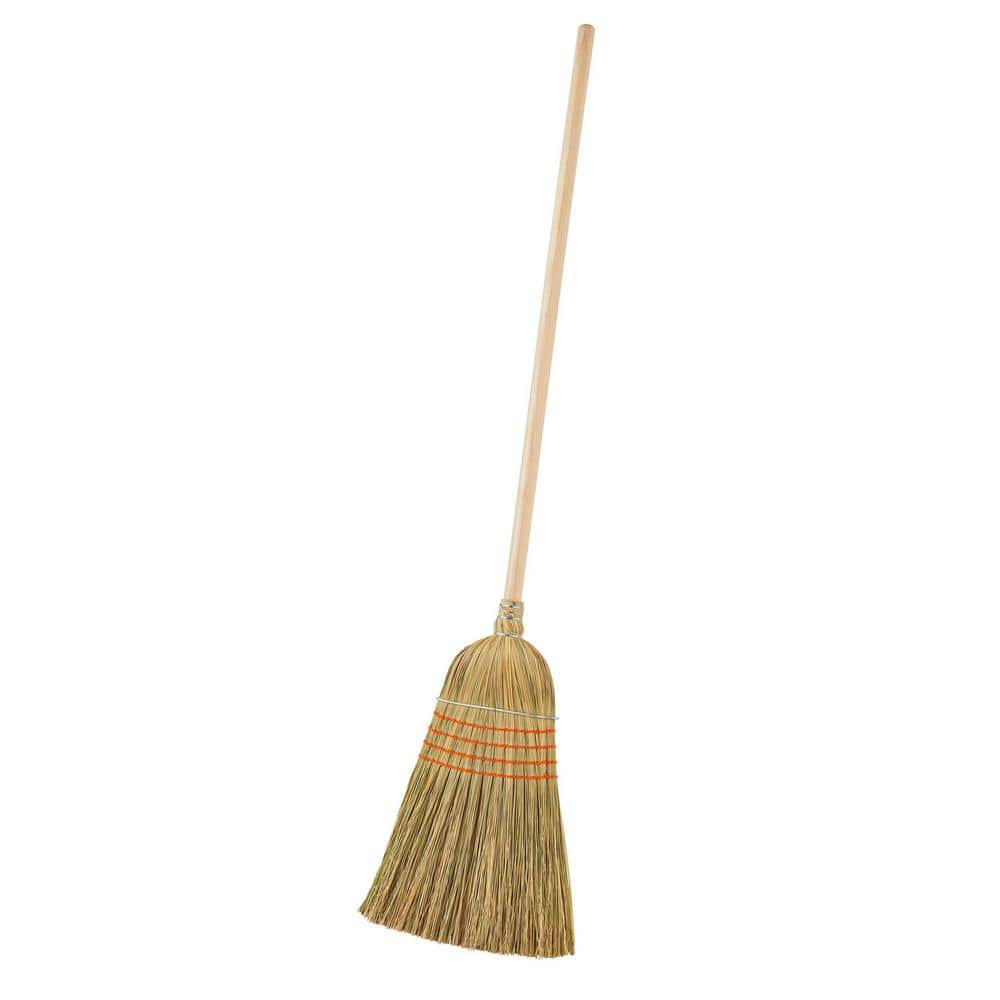
HDX Giant Commercial Corn Broom 750

BLACK+DECKER 9 AMP 140 MPH 450 CFM Corded Electric Handheld Axial Leaf Blower BEBL750
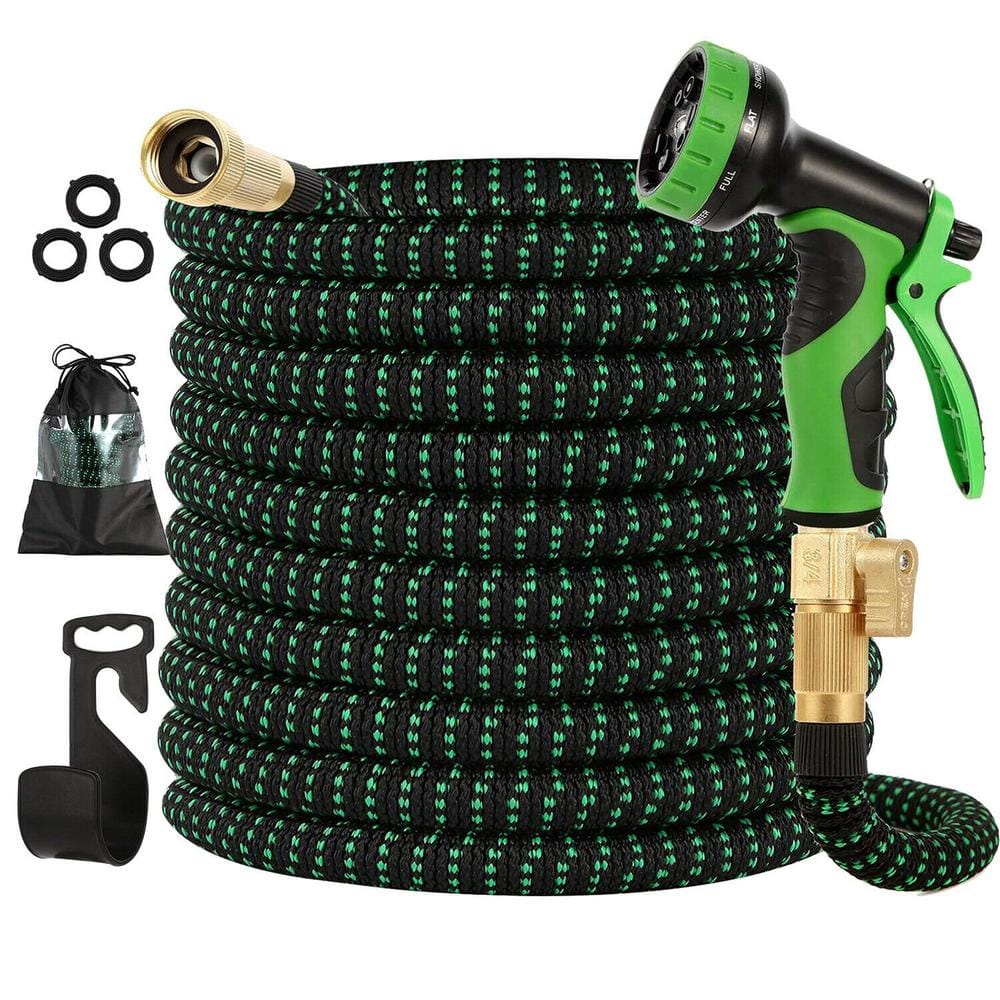
WeGuard 100 ft. Flexible Water Hose with 10 Function Nozzle Garden Water Hose Expandable Garden Hose 293000012

Husky PRO Rear Trigger Adjustable Tip Nozzle 622047
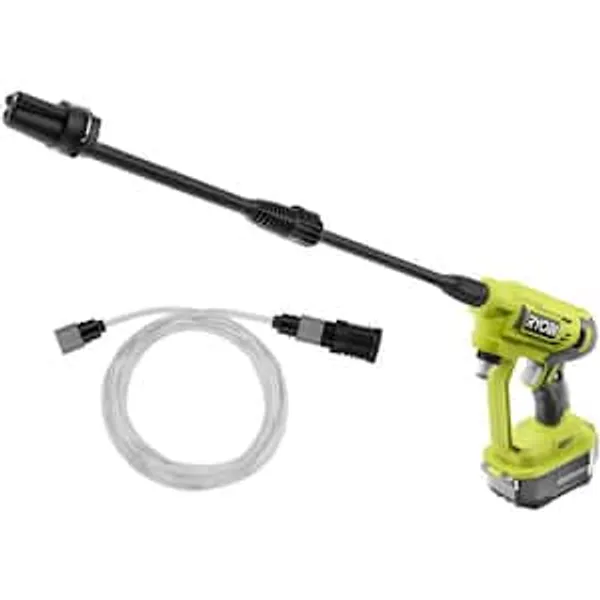
Pressure Washer
VEVOR 2-Shelf Utility Service Cart 550 lbs. Plastic Rolling Utility Cart with 360° Swivel Wheels and Ergonomic Storage Handle DXSLSYTCDXCX2WXI2V0
2 Shelf Utility Service Cart.Takes the weight off your shoulders with VEVOR 2 tiers utility cart. 550 lbs. weight capacity and large 5 in. swivel wheels can transport heavy loads with ease, with exceptional
HDX Giant Commercial Corn Broom 750
This Giant Commercial Corn Broom is a premium, heavy-duty corn broom with exceptional fiber weight that picks up dirt and dust effectively. It offers an extra wide 15 in. sweep path, creating a larger
BLACK+DECKER 9 AMP 140 MPH 450 CFM Corded Electric Handheld Axial Leaf Blower BEBL750
This powerful 9 Amp Electric Axial Leaf Blower moves air at up to 450 CFM and 140 MPH for clearing debris on hard or grass surfaces. Its lightweight for comfortable use whether you need to quickly clear
WeGuard 100 ft. Flexible Water Hose with 10 Function Nozzle Garden Water Hose Expandable Garden Hose 293000012
A Retractable hose suitable for multiple purpose: 100 ft. Garden hose, 1x Water Hose Nozzle, 1x Hose Hanger, 1x Storage Bag, 3 x Spare Sealing Rings. easy to store on the provided hanger or in the custom
Husky PRO Rear Trigger Adjustable Tip Nozzle 622047
The Husky PRO Thumb Control Adjustable Tip is a durable and easy-to-use watering solution. Its fatigue reducing handle, slip-resistant grip, and oversized adjustment details make it easyto switch between
Pressure Washer
Cleans surfaces with high-pressure water.
Steps

Clear the Deck
15 minutesBefore you can begin cleaning your deck, it is essential to clear the entire surface of any items that would obstruct your work. This includes, but is not limited to, patio furniture, grills, planters, doormats, and any decorative items. Move these items to a safe location away from the deck, such as a lawn or driveway, to prevent them from being damaged or in the way during the cleaning process.
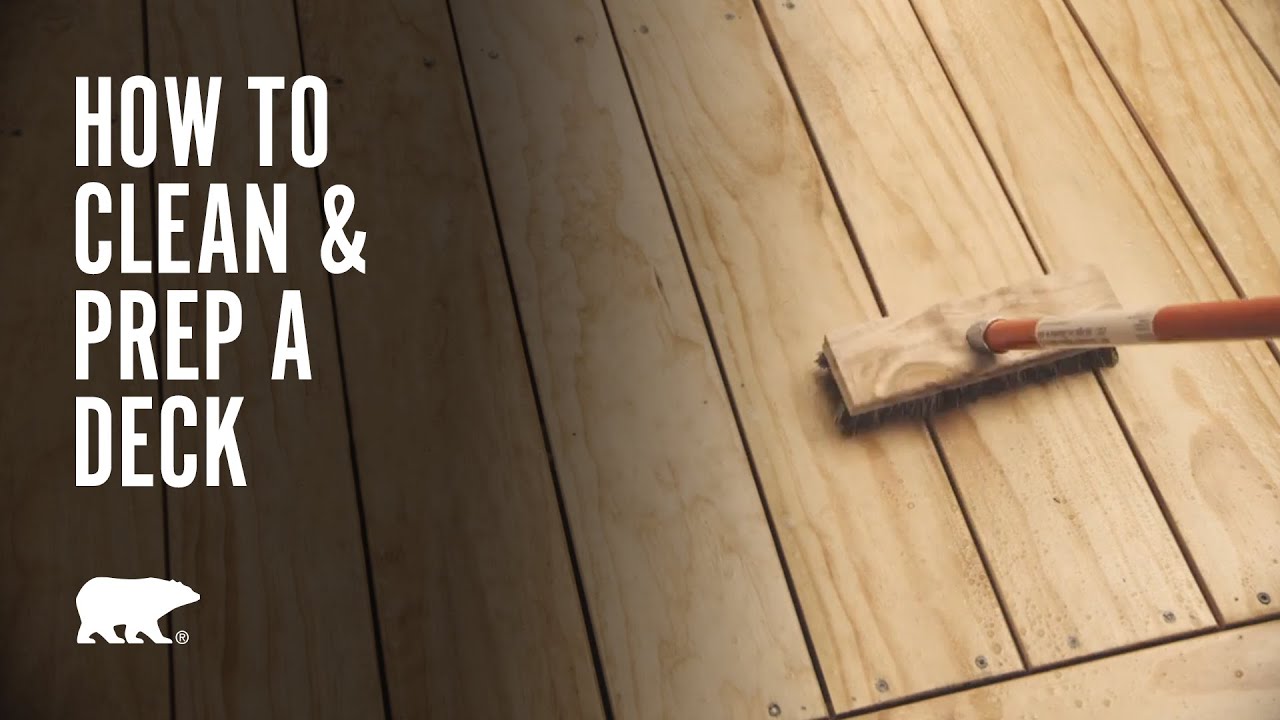
Watch: Clear and Sweep the Deck
Sweep the Deck
10 minutesUsing a stiff-bristled broom, sweep the entire deck surface. Pay close attention to corners, edges, and the gaps between deck boards where debris tends to accumulate. This step is crucial for removing loose dirt and organic matter that could interfere with the effectiveness of cleaning solutions.
Watch: Sweep the Deck Clean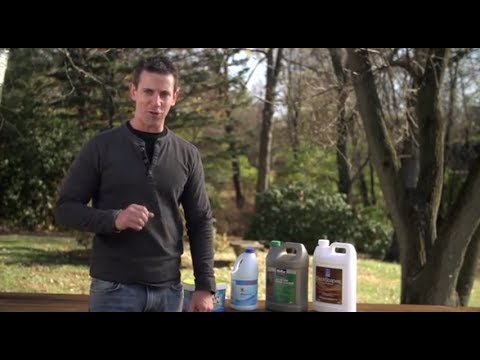
Rinse the Deck
10 minutesUsing a garden hose with a spray nozzle, thoroughly wet the entire deck surface. This initial rinsing helps to loosen surface dirt and grime, and more importantly, it prevents the cleaning solution from drying out too rapidly on the wood, which can cause streaking or damage. Ensure all areas of the deck are evenly moistened.
Watch: Rinse the Deck
Apply Deck Cleaner
20 minutesMix your chosen deck cleaner with water according to the product's instructions. This may involve diluting a concentrated cleaner or simply pouring a ready-to-use solution into a garden sprayer or bucket. Apply the cleaner evenly across the deck surface, working in manageable sections. Ensure complete coverage, but avoid letting the cleaner pool excessively.
Watch: Clean Your Deck ThoroughlyScrub the Deck
30 minutesAfter allowing the deck cleaner to sit for the time recommended by the manufacturer (usually 10-15 minutes), use a stiff-bristled scrub brush or a deck brush attachment for a power washer to scrub the surface. Work in the direction of the wood grain to effectively loosen embedded dirt, mold, mildew, and algae. Ensure you scrub all areas, paying extra attention to heavily soiled spots.
Watch: Wait and Scrub the DeckRinse Off Cleaner and Debris
15 minutesUsing a garden hose with a spray nozzle or a pressure washer on a low-pressure setting, rinse the deck thoroughly. Work from the highest point of the deck downwards, ensuring that all cleaning solution residue and dislodged grime are washed away. Make sure to rinse in between deck boards and along edges. Repeat rinsing if necessary to ensure no cleaner remains.
Watch: Rinse the DeckInspect and Spot Treat
15 minutesOnce the deck has been rinsed, carefully inspect the entire surface for any stubborn stains, mildew, or dark spots that the general cleaning did not remove. If found, apply a concentrated spot treatment cleaner directly to these areas, let it sit for the recommended time, and then scrub and rinse again. For persistent mold or mildew, a solution of oxygen bleach or a specialized mold and mildew remover may be necessary.
Watch: Treating Specific Stains (Mold, Mildew, Nail Stains)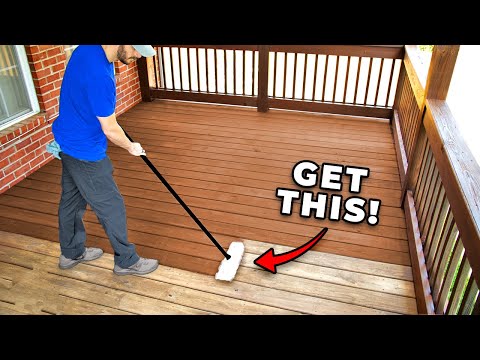
Allow the Deck to Dry
1440 minutesAfter cleaning and spot treating, allow the deck to dry thoroughly. This is a critical step, as moisture trapped in the wood can lead to premature failure of sealants or stains, and can encourage mold or mildew growth. Drying time can vary significantly based on weather conditions (humidity, temperature, sunlight) and the type of wood, but typically takes at least 24 to 48 hours. Ensure good air circulation around the deck.
Watch: Allow Deck to Dry Completely
Apply a Deck Sealant or Stain (Optional)
180 minutesOnce the deck is completely dry, you can apply a protective sealant or stain. Choose a product appropriate for your deck's material and desired finish. Apply the sealant or stain evenly using a brush, roller, or sprayer, following the manufacturer's instructions. Typically, one or two thin coats are recommended. Ensure you maintain a 'wet edge' to avoid lap marks. Allow adequate drying time between coats and before replacing furniture.
Watch: Protecting the Deck with Stain and SealerReplace Deck Furnishings
15 minutesAfter the sealant or stain has dried and cured according to the product's instructions (this can take several days), carefully move all furniture, grills, planters, and other items back onto the deck. Place items strategically, considering your previous arrangement or any new layout you desire. Ensure the deck is fully functional and ready for use.
Watch: Enjoy Your Stained DeckCommon Problems
Gouging or permanently damaging the deck's wood surface with the pressure washer.
Solution: Stop immediately. For minor gouges, sanding may help, but deep damage is difficult to fix without replacing boards. To fix a streaky appearance, try cleaning the entire board again with a wider spray pattern from a safe distance.
Prevention: Always start with the pressure washer nozzle at least 12-18 inches away from the deck surface and gradually move closer until you find an effective yet safe distance. Use a wider fan-spray nozzle (like 25-40 degrees) instead of a concentrated one (0-15 degrees). Test on an inconspicuous area first.
Chemical burns, skin irritation, or eye irritation from contact with deck cleaner.
Solution: Immediately flush affected skin or eyes with large amounts of clean water for at least 15-20 minutes. If irritation persists or for eye contact, seek medical attention. If ingested or inhaled, follow product specific first-aid instructions and call poison control.
Prevention: Always wear heavy-duty latex gloves and chemical splash goggles. For cleaners that produce strong fumes, use respiratory protection (mask). Read product labels for specific safety precautions and ventilation requirements.
Deck cleaner dries on the deck before rinsing, leaving streaks, white residue, or uneven cleaning.
Solution: Re-wet the affected section thoroughly with water. Re-apply deck cleaner to the streaky area, scrub gently with a soft brush, and immediately rinse completely. You may need to repeat this process for stubborn spots.
Prevention: Work in small sections (e.g., a few deck boards at a time), especially on warm or sunny days, or if you're working in direct sunlight. Keep the deck surface wet before applying cleaner. Ensure you have enough cleaner and water to rinse thoroughly before starting.
Deck remains dirty or has stubborn stains (mold, mildew, dark spots) after initial cleaning.
Solution: For persistent mold or mildew, mix a solution of OxiClean or OxoBrite with water according to package directions, or use a vinegar solution (1 part vinegar to 1 part water). Apply directly to the stubborn spots using the pump sprayer, let it sit for 10-15 minutes (do not let it dry), then scrub vigorously with the stiff scrub brush and rinse thoroughly. Repeat if necessary.
Prevention: Inspect your deck before cleaning and pre-treat any visible mold, mildew, or dark spots with a targeted solution before cleaning the entire surface. Allow the main deck cleaner adequate dwell time (as per product instructions) before scrubbing and rinsing.
The deck becomes extremely slippery during the cleaning process, posing a fall hazard.
Solution: Immediately stop scrubbing in overly slippery areas. Rinse a small path with plain water to create a safer walking lane. Work more slowly and deliberately. If necessary, move backward as you clean, rinsing behind you to avoid walking on slick, chemical-laden surfaces.
Prevention: Wear non-slip, waterproof shoes with good traction. Always be mindful of your footing and avoid rushing. Work in smaller, manageable sections, rinsing as you go to minimize the slippery area.
Damage to surrounding plants, lawn, or landscaping from deck cleaner overspray or runoff.
Solution: Immediately douse the affected plants and soil with large amounts of plain water to dilute the cleaner. Trim off any severely discolored or damaged leaves or branches. Continue to monitor the plants for a few days and water regularly.
Prevention: Thoroughly wet all surrounding vegetation (plants, shrubs, lawn) with plain water before applying any deck cleaner. For delicate or sensitive plants, cover them with tarps or plastic sheeting. Use a spray shield or work on a non-windy day to minimize overspray.
Deck stain or sealer doesn't adhere properly, peels, or looks splotchy after application because the deck was still wet.
Solution: If the problem is caught early (wet stain/sealer), you might be able to wipe it off. If it has dried and is peeling or splotchy, you will likely need to strip the affected area or the entire deck, allow it to dry completely, and then reapply the stain/sealer. This is a significant amount of work to correct.
Prevention: Ensure the deck is completely dry before applying any stain or sealer. This typically means waiting at least 24-48 hours after cleaning, or even longer in humid conditions. Perform a moisture test if possible, or use a 'splash test': sprinkle a few drops of water on the deck; if they soak in quickly, it's likely dry enough; if they bead up, it might still be too wet or sealed.
Frequently Asked Questions
What's the biggest mistake beginners make when using a pressure washer on a deck, and how can I avoid it?
The most common mistake is using too much pressure or holding the nozzle too close, which can damage the wood fibers and leave permanent marks. Always start with a low-pressure setting and a fan-tip nozzle (like 25-40 degrees), keeping the wand moving and maintaining a consistent distance of at least 12 inches from the deck surface. Test on an inconspicuous area first to find the right balance.
How can I protect my plants and surrounding landscaping from the deck cleaning solutions?
Before applying any cleaner, thoroughly wet down nearby plants, shrubs, and grass with water. You can also cover delicate plants with tarps or plastic sheeting to create a physical barrier. After cleaning and rinsing the deck, re-rinse any affected vegetation with fresh water to dilute residual chemicals.
Is a pressure washer absolutely necessary for this project, or can I clean my deck effectively with just a scrub brush and hose?
While a pressure washer significantly speeds up the process and provides a deeper clean, it's not strictly necessary for lightly soiled decks. For smaller decks or those with only surface dirt, a good stiff scrub brush, deck cleaner, and a garden hose with a strong nozzle can be effective. However, heavy grime, mold, or mildew will be much tougher to remove manually.
The project lists an estimated time of 4 hours. Is this realistic, and what factors might make it take longer?
The 4-hour estimate is a good baseline for a moderately sized deck with average dirt. Factors that can increase this time include larger deck size, severe staining or mildew growth requiring multiple cleaner applications, intricate deck designs, or the optional step of applying a sealant or stain. Drying time also needs to be factored in before applying any finishes.
What should I do if I encounter stubborn mold, mildew, or stains that the initial deck cleaner doesn't fully remove?
For persistent stains, you might need to reapply the deck cleaner to the affected area, letting it sit longer (without drying) before scrubbing again. For very tough spots, consider a specialized mold and mildew remover or a stronger oxygen-based cleaner like OxiClean. Always follow product instructions and test on an inconspicuous area first.
Are there any more eco-friendly or DIY cleaning solutions I can use instead of commercial deck cleaners?
Yes, for lighter cleaning, a solution of white vinegar and water (1 part vinegar to 3 parts water) or a mix of oxygen bleach (like ECOS Pro OxoBrite) and water can be effective. These are generally gentler on plants and the environment than harsher chemical cleaners. Always rinse thoroughly and ensure good ventilation.