Solar Panel Cleaning
About This Project
This project outlines the steps for safely and effectively cleaning solar panels to maintain their optimal performance. It covers preparation, cleaning methods, and post-cleaning checks.
Tools & Materials

Safety Glasses

Step Ladder
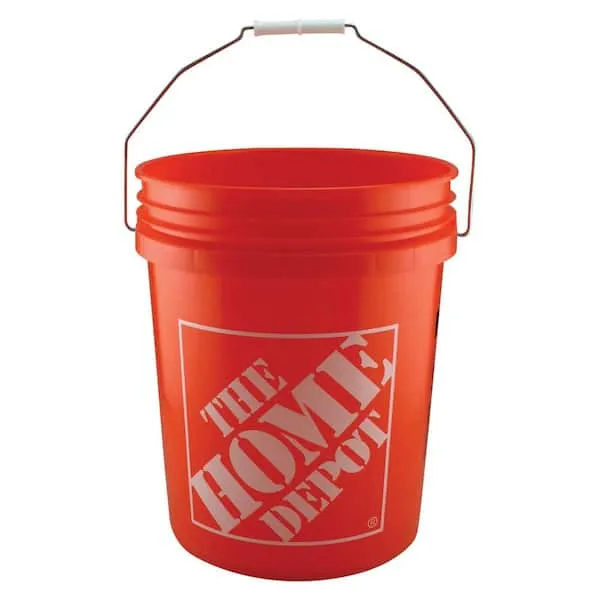
Bucket
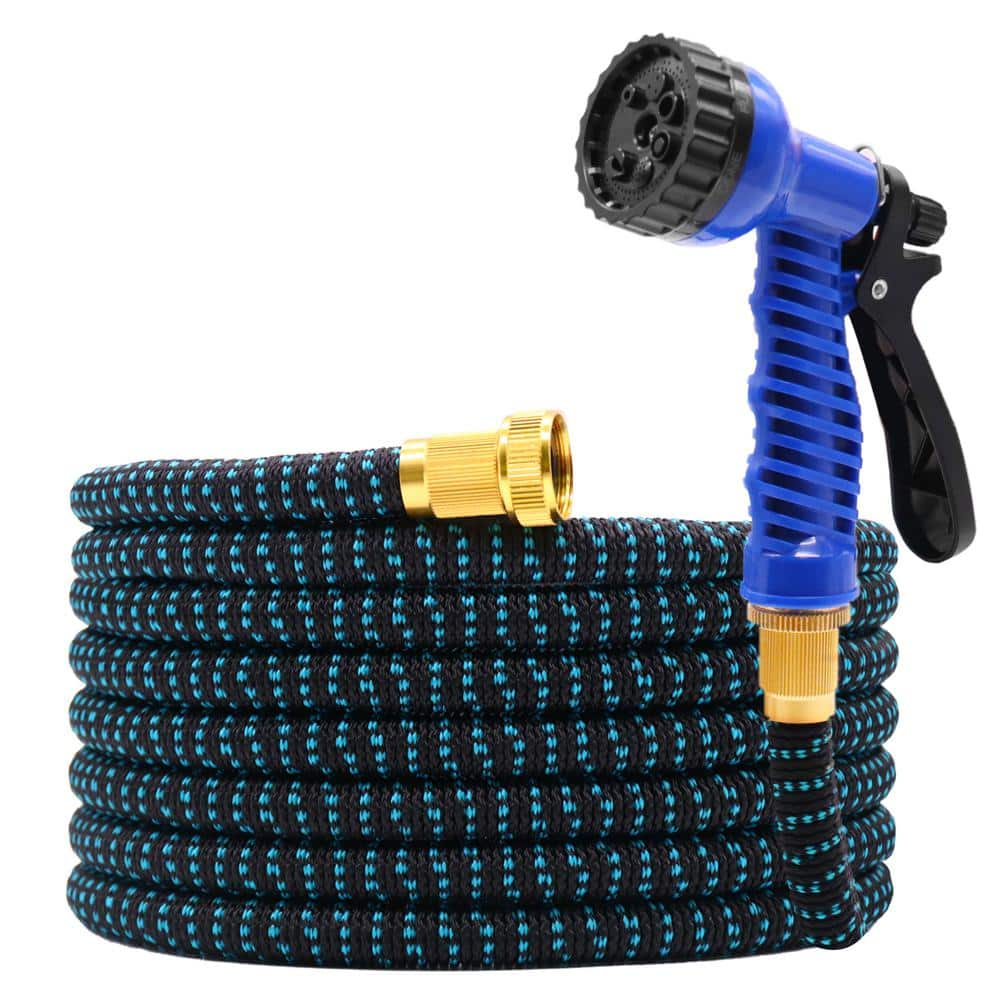
GardenJoy Expandable Garden Hose 3/4 in. x 50 ft. with 7 Function Spray Nozzle Magic Hose GEHBM50
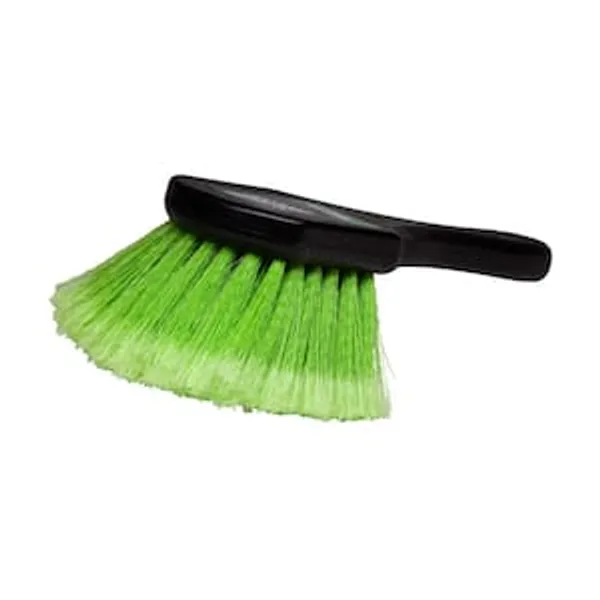
Soft Scrub Brush

Unger 10 ft. Steel Telescoping Pole 989380
Safety Glasses
Keeps eyes safe from potential hazards.
Step Ladder
Sturdy steps to higher places.
Bucket
Ideal for carrying or storing liquids.
GardenJoy Expandable Garden Hose 3/4 in. x 50 ft. with 7 Function Spray Nozzle Magic Hose GEHBM50
A expandable hose suitable for multiple purposes: Garden hose comes with 1 in. x 50 ft. Garden Hose, 1 x Water Hose Nozzle. Easy to store on the provided hanger or in the custom drawstring bag. Great for house/car/floor/yard washing, garden watering, pet cleaning, having fun or business use.
Soft Scrub Brush
Gentle cleaning with soft bristles.
Unger 10 ft. Steel Telescoping Pole 989380
Unger's Telescopic Pole is designed for high-access cleaning of hard-to-reach places. It features a locking mechanism to hold attachments firmly in place and a cushioned, non-slip grip. A universal thread
Steps

Assess Solar Panel Condition
5 minutesBefore starting any cleaning, take a moment to thoroughly examine each solar panel. Look for a uniform layer of dust, pollen, bird droppings, or other residue. Also, check the panels themselves for any cracks, chips, or delamination. If any significant damage is observed, it's best to consult a professional solar panel installer before proceeding with cleaning, as further damage could occur. This initial assessment helps determine the best cleaning approach and identifies potential hazards.
Watch: Assess Need & Prioritize Safety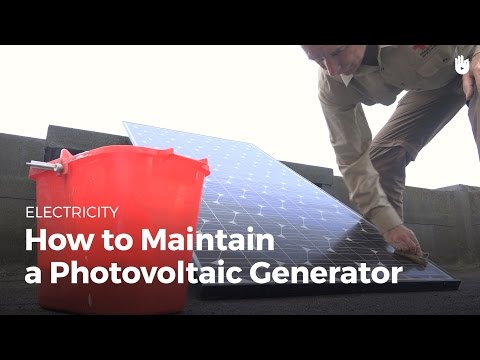
Prepare Cleaning Solution
5 minutesIn a bucket, combine a gallon of clean water with a small amount (typically 1-2 tablespoons) of a pH-neutral, biodegradable dish soap or a cleaner specifically designed for solar panels. Stir gently to create a mild, sudsy solution. It is crucial to use only non-abrasive cleaners to prevent scratching the delicate surface of the solar panels. Avoid using detergents with harsh chemicals, ammonia, or abrasive particles, as these can damage the anti-reflective coating and reduce efficiency.
Watch: Clean the solar panels
Rinse Solar Panels
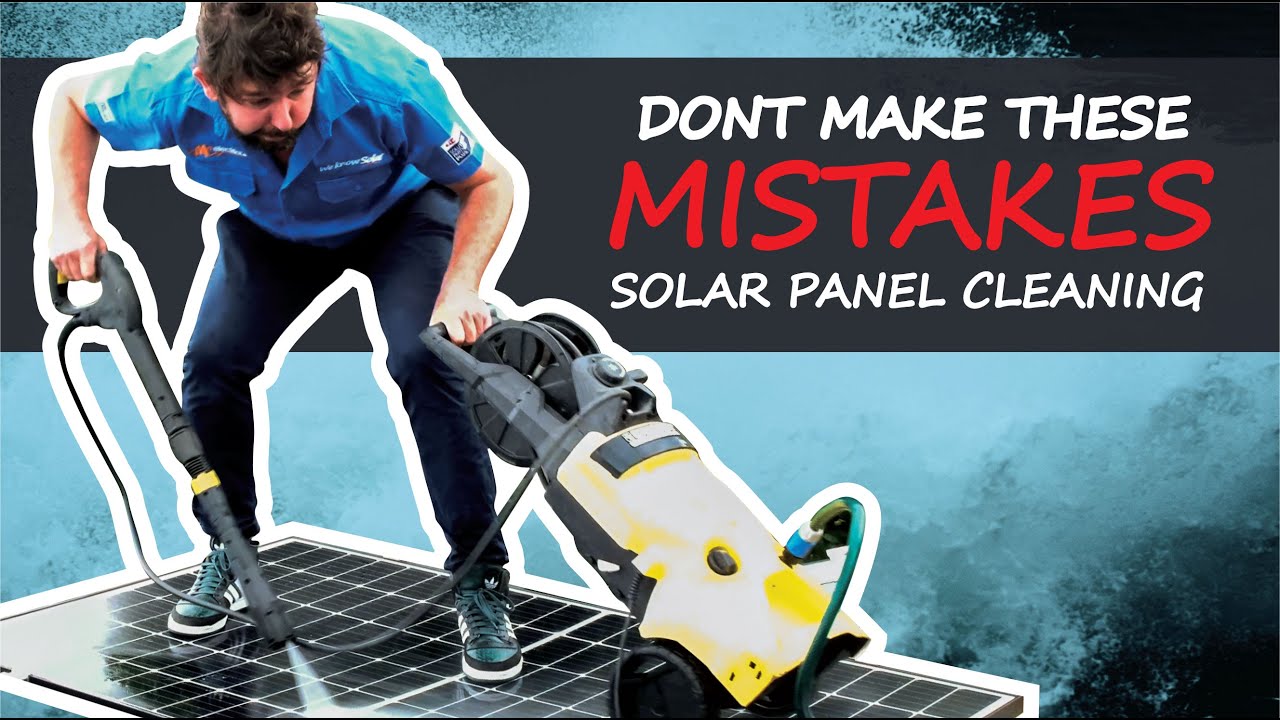
10 minutesUsing a hose with a spray nozzle, lightly rinse the surface of the solar panels. Start from the top and work your way down, allowing gravity to help wash away loose dust, leaves, and other surface debris. Ensure the water pressure is not too high, as excessive force could potentially damage the panel seals. This initial rinse is crucial for preventing grit from scratching the glass when you begin scrubbing.
Watch: Apply Water Spray to PanelsWash Solar Panels
20 minutesDip a soft-bristled brush or a non-abrasive sponge into your prepared cleaning solution. Starting at the top of a panel, gently scrub the surface in a back-and-forth or circular motion. Work in manageable sections, ensuring you cover the entire surface without letting the cleaning solution dry. Rinse your brush or sponge frequently in the cleaning solution bucket to avoid re-depositing dirt onto the panels. Apply only light pressure to avoid damaging the panel surface.
Watch: Clean Panels Correctly
Rinse Thoroughly
10 minutesOnce you have scrubbed all sections of the solar panels, it's essential to rinse them completely. Use your garden hose with a gentle spray to rinse from top to bottom. Pay close attention to ensure all traces of soap residue are washed away. Soap left on the panels can create a film that attracts dirt and may reduce the panels' ability to absorb sunlight, thus impacting their performance.
Watch: Final RinseInspect and Dry (Optional)
5 minutesAfter the final rinse, carefully inspect the solar panels one last time. Look for any stubborn dirt that might have been missed or any streaks of soap residue. If you notice any spots that require further attention, you can re-clean that small area. In most cases, allowing the panels to air dry is sufficient. However, if you are in an area with very hard water or wish to ensure a spot-free finish, you can gently wipe the panels with a clean, soft, lint-free cloth or a specialized solar panel squeegee. Avoid using paper towels, as they can leave lint behind.
Watch: Final Inspection and CompletionCommon Problems
Risk of falling from the step ladder or roof while working at height.
Solution: If you feel unstable or the ladder shifts, safely descend. Re-position your step ladder on a firm, level surface. Ensure it's properly extended and all locks are engaged. For roof work, use a safety harness if you have one, or consider getting professional help if you're uncomfortable working at that height.
Prevention: Always place your step ladder on a stable, flat surface, ensuring all four feet are firmly on the ground. Follow the manufacturer's guidelines for ladder angle and stability. Avoid working in windy or rainy conditions. Wear shoes with good grip. If possible, have someone steady the ladder for you.
Scratching the solar panels with the scrub brush or squeegee, which can reduce their efficiency.
Solution: Stop immediately. Inspect the panel for any new scratches. Ensure your 'Soft Scrub Brush' is indeed soft enough (like a car wash brush) and free of trapped debris. Rinse the 'Ettore 16 in. All-Purpose Squeegee' blade thoroughly after each pass to remove grit.
Prevention: ONLY use a soft-bristle brush (like the one specified, ensuring it's not stiff) and clean, non-abrasive tools. Before starting, rinse your brush and squeegee thoroughly to remove any grit or small stones that could scratch the panel surface. Never use abrasive pads, scourers, or dirty cloths.
Water spots or streaks are left behind after cleaning, especially if you have hard water or don't rinse thoroughly.
Solution: If panels are already dry with spots, re-wet them completely. Then, rinse them again very thoroughly using your 'GardenJoy Expandable Garden Hose', starting from the top and working downwards, ensuring all soap residue and minerals are washed away. If spots persist, consider doing a final rinse with distilled water or using a clean squeegee effectively.
Prevention: Rinse your panels meticulously after washing, ensuring no soap solution remains. If you have hard water, consider using a water filter on your hose or doing a final rinse with de-ionized/distilled water. Clean on a cloudy day or when panels are cool to slow down drying.
Using the wrong cleaning solution (e.g., dish soap, harsh chemicals) that can damage the panel's surface or leave residue.
Solution: Immediately stop using the incorrect solution. Rinse the solar panels generously with plain water using your 'GardenJoy Expandable Garden Hose' to wash off any remaining chemicals. If any residue is visible, you might need to re-wash with just plain water or a very mild, pH-neutral cleaner specifically designed for solar panels.
Prevention: Only use plain water for cleaning. If dirt is stubborn, use a cleaning solution specifically marketed for solar panels, or a very diluted, pH-neutral, biodegradable soap (always check your panel manufacturer's guidelines first). NEVER use dish soap, window cleaner, abrasive cleaners, or anything containing ammonia or harsh chemicals.
Cleaning hot solar panels in direct, bright sunlight causes water and cleaning solutions to dry too quickly, leading to streaks and water spots.
Solution: Stop cleaning. Allow the panels to cool down, either by waiting until the sun is lower (early morning/late afternoon) or by thoroughly rinsing them with cool water to bring down their temperature before resuming the wash. Work in smaller sections if you must continue, keeping the area wet.
Prevention: Always plan to clean your solar panels during cooler times of the day, such as early morning or late afternoon, or on a cloudy day. This prevents water and cleaning solutions from drying too quickly, allowing for a more effective and streak-free clean.
Risk of electric shock or damage to the solar system from spraying water directly into electrical components like wiring or junction boxes.
Solution: If you accidentally spray water near wiring or junction boxes, stop immediately. Do NOT touch any wet wires or components. If you suspect water has entered electrical parts, turn off your solar system at the inverter and main breaker (if you know how to do so safely), and contact a qualified electrician.
Prevention: Always keep water spray directed towards the panel surface. Avoid spraying high-pressure water directly at the underside of the panels where wiring is located, or near any visible junction boxes or the inverter. Visually inspect for any exposed wiring before starting the project and avoid cleaning if you see any.
Frequently Asked Questions
What are the most important safety precautions to take when cleaning solar panels?
Always wear safety glasses to protect your eyes. If working at any height, use a stable step ladder and ensure it's on a level surface. Be extremely cautious when working with water near electrical components; never spray directly into wiring, and ensure panels are cool to the touch to prevent thermal shock.
What kind of cleaning solution should I use, and what should I avoid to prevent panel damage?
Use only a mild, non-abrasive cleaning solution, like a small amount of dish soap mixed with deionized or distilled water. Avoid harsh detergents, abrasive cleaners, or high-pressure washers, as these can scratch the panel surface, damage the anti-reflective coating, or compromise seals.
How often should I clean my solar panels, and what's the best time of day to do it?
The frequency depends on your environment, but typically 1-2 times a year is sufficient. The best time to clean is on a cool, overcast morning or late afternoon. This prevents rapid drying of the water, which can leave mineral deposits and water spots on the panels.
Do I need special tools for cleaning solar panels, or can I use a standard garden hose and brush?
While a standard garden hose is a good start, specialized tools like a soft scrub brush with an extendable pole (e.g., Unger 10 ft. Steel Telescoping Pole) and a squeegee (e.g., Ettore 16 in. All-Purpose Squeegee) are highly recommended. These tools help you reach panels safely and clean effectively without scratching them.
What should I do if there are stubborn bird droppings or caked-on dirt that won't come off easily?
For stubborn spots, let them soak for a few minutes with your cleaning solution and water to soften the grime. Gently scrub with your soft brush. Avoid using anything abrasive or attempting to scrape off debris, as this can permanently damage the panel surface.
Is cleaning solar panels a difficult DIY project, and when should I consider hiring a professional?
Cleaning accessible solar panels is a beginner-friendly DIY project if you follow safety guidelines. However, if your panels are on a steep or high roof, or if you're uncomfortable working at heights, it's always safer and recommended to hire a professional cleaning service. Your safety is paramount.