Shower Hardware Replacement: A Step-by-Step DIY Guide
About This Project
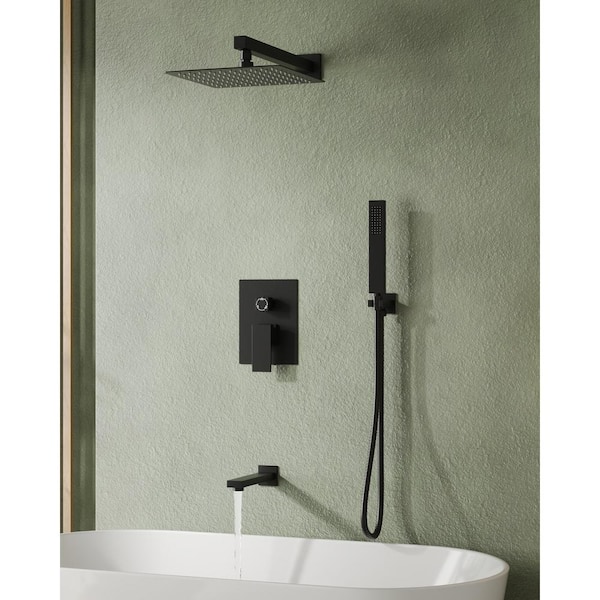
This DIY guide details the steps to replace shower hardware. First, turn off the water supply using the shut-off valves. Next, remove the old showerhead and handles, using an adjustable wrench if necessary and protecting the finish with a cloth to prevent scratches. After removing the old hardware, apply Teflon tape to the threads of the shower arm and new components clockwise. Then, install the new showerhead and handles, tightening them gently with an adjustable wrench, but avoid over-tightening. Finally, turn the water supply back on and check for leaks at all connections. If leaks occur, turn off the water, and address them by tightening or reapplying Teflon tape.
Best for homeowners and DIY enthusiasts.
Tools & Materials
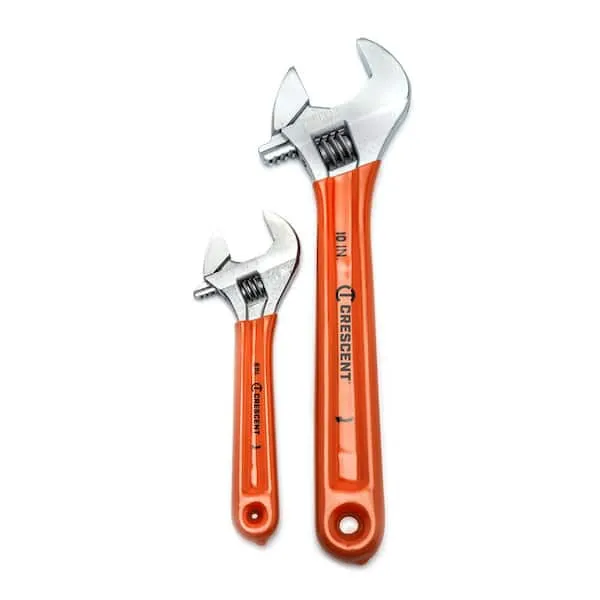
Adjustable Wrench
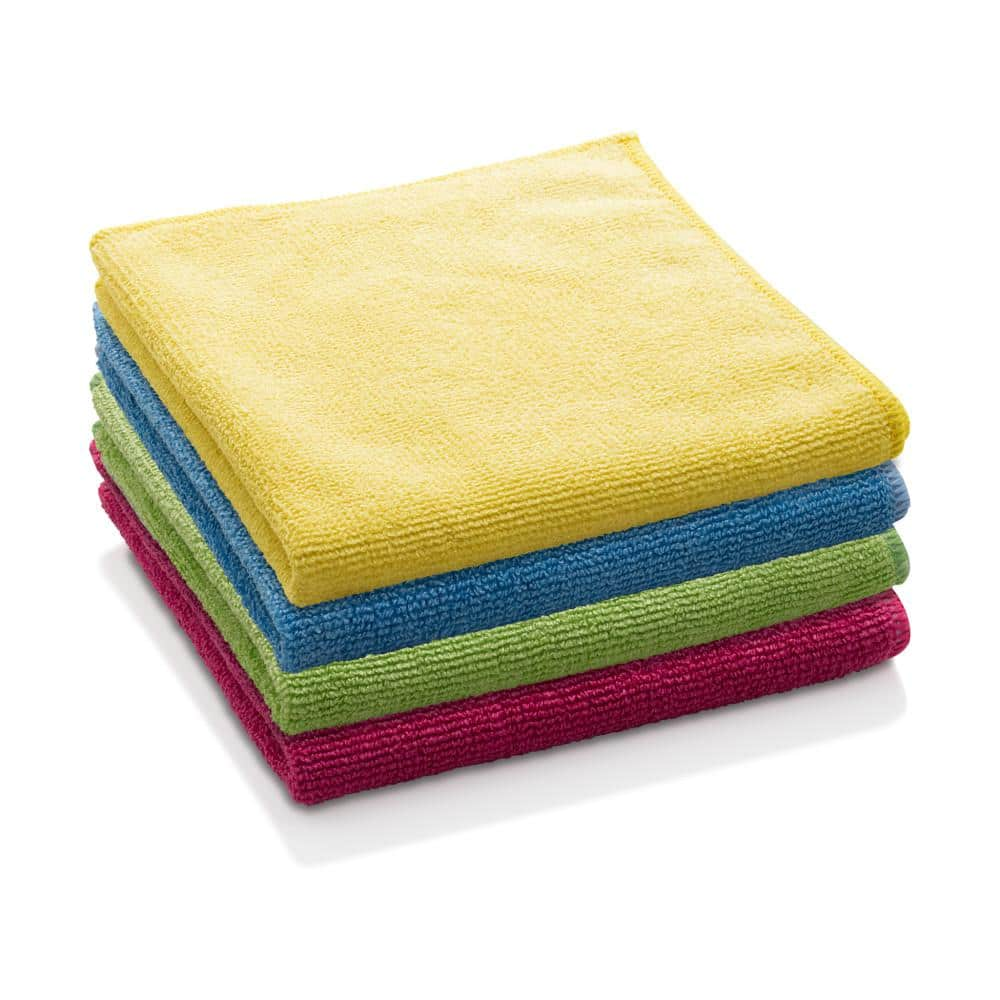
E-Cloth Microfiber General Purpose Cloths - Assorted Colors - 4 Pack 10902M

Husky 12 in. Adjustable Wrench 90933
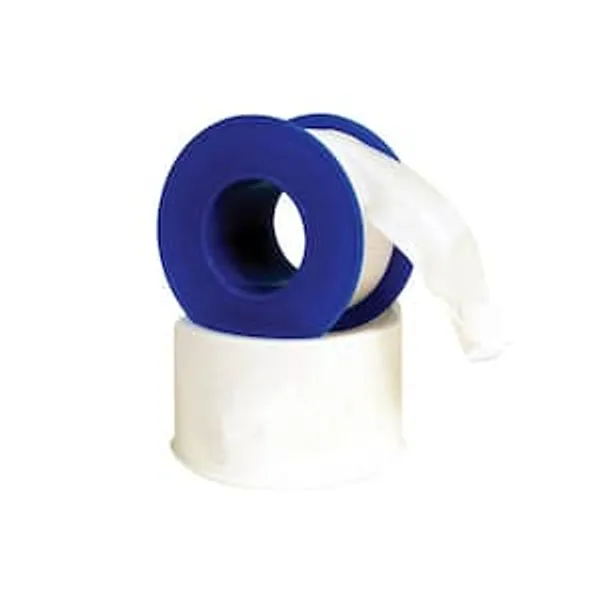
Plumbers Tape
Adjustable Wrench
Fits various nut and bolt sizes with its adjustable jaw.
E-Cloth Microfiber General Purpose Cloths - Assorted Colors - 4 Pack 10902M
Always up for some good clean fun, E-Cloth General Purpose Cloths tackle nearly every household cleaning task on your list. Masses of precision-engineered microfibers attract and trap grease, grime, fingerprints,
Husky 12 in. Adjustable Wrench 90933
The Husky 12 in. Adjustable Wrench features a durable, comfortable handle. A large knurl allows for easy adjustment and a tight-fitting hex jaw design reduces slippage and tightly grips the fastener for
Plumbers Tape
Ensures leak-proof pipe joints.
Steps

Turn Off the Water Supply
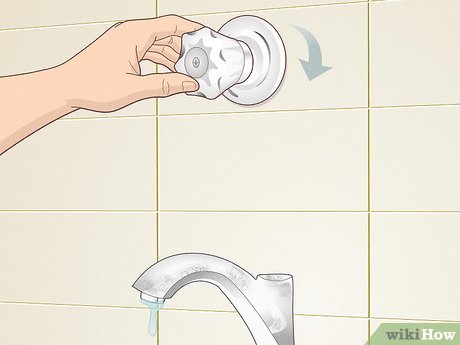
5 minsBefore starting, safety first! Turn off the water supply to your shower. Locate the shut-off valves near the shower or at your main water supply panel. Turn the valves clockwise to completely stop the water flow. Double-check that the water is off before proceeding.
Watch: Turn Off Power and Water
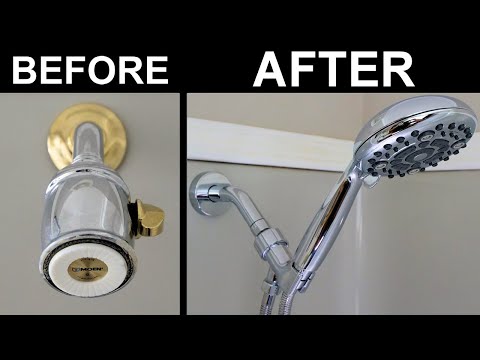
Install New Shower Hardware
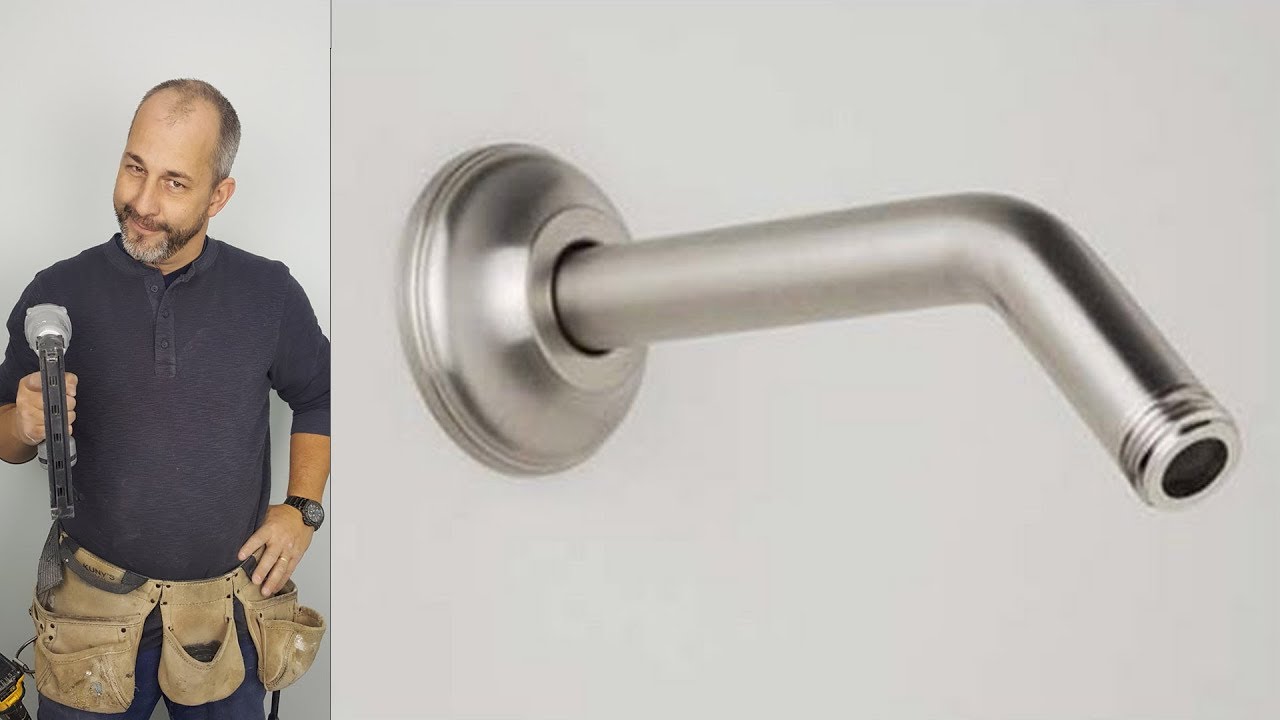
30 minsApply plumber's tape (Teflon tape) to the threads of the shower arm and new components in a clockwise direction. Screw on the new showerhead and handles by hand, then use an adjustable wrench to further tighten them gently. Avoid over-tightening to prevent damage.
Watch: Install the shower arm
Test for Leaks
5 minsTurn the water supply back on and carefully inspect all connections for leaks. If any leaks are detected, immediately turn off the water, tighten the connections, or reapply plumber's tape as needed. Retest until all leaks are resolved.
Watch: Turn Water On and Check for LeaksCommon Problems
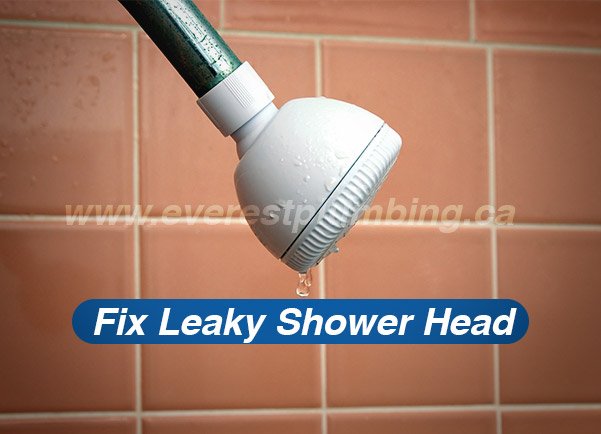
Leaking shower connections due to unsealed threads.
Solution: Applying Teflon tape ensures a watertight connection, preventing leaks at the threaded joints.
Showerhead leaks or cross-threading occur when PTFE tape unravels during installation.
Solution: Wrapping the tape clockwise prevents it from unraveling as you screw the showerhead on.
Leaky connections due to loose or improperly sealed threads.
Solution: Stretch the tape slightly as you wrap to ensure it sits snugly in the threads.
Tools scratch and damage the new chrome finish during installation.
Solution: Use a rag to protect the chrome finish from being scratched by the tools.
Hold the shower arm firmly with pliers to prevent it from twisting or breaking inside the wall.
Solution: To avoid this issue: Be mindful of this warning and take appropriate precautions.
Confirm power is off using a voltage tester before touching any wires.
Solution: To avoid this issue: Be mindful of this warning and take appropriate precautions.
Failing to turn off the water can lead to flooding when the valve is disassembled.
Solution: To avoid this issue: Be mindful of this warning and take appropriate precautions.
Frequently Asked Questions
How long should a beginner expect this shower hardware replacement project to take?
For a beginner, this project typically takes about 30-60 minutes from start to finish. This includes turning off the water, removing old hardware, applying tape, installing new parts, and thoroughly checking for leaks. Taking your time is key to avoid mistakes.
What's the most critical step to ensure I don't damage my plumbing or new hardware during this replacement?
The most critical steps are completely turning off the water supply before starting and avoiding over-tightening the new components. Over-tightening can strip threads, crack fixtures, or cause future leaks. Use gentle but firm pressure with your adjustable wrench.
I've installed my new shower hardware, but it's leaking. What are the most common causes and how do I fix them?
Leaks usually stem from insufficient Teflon tape or cross-threaded connections. First, turn off the water supply immediately. Then, carefully re-remove the leaking component, apply 3-5 layers of Teflon tape clockwise to the threads, and re-install, ensuring it threads on smoothly before gently tightening again.
Do I need the exact Husky adjustable wrench mentioned, or will any adjustable wrench work for this project?
While the Husky wrench is a recommended tool, any standard adjustable wrench of an appropriate size (e.g., 10-12 inches) will work for this project. The most important thing is to ensure it has smooth jaws to prevent scratching the finish of your new hardware. Remember to also use a cloth for added protection.
Is Teflon tape absolutely necessary for the threads, or can I use pipe dope or another sealant?
Teflon tape (also known as plumber's tape) is highly recommended for this project because it lubricates threads for easier tightening and helps create a watertight seal. While pipe dope can also work, Teflon tape is generally easier for beginners to apply cleanly and effectively for these types of threaded connections.
What should I do if I can't locate the main water shut-off valve for my home or the individual shower valves?
If you cannot locate your water shut-off valve, do not proceed with the project. Attempting to replace hardware without turning off the water will lead to significant flooding. Consult your home's inspection report, check common locations like basements or utility closets, or contact a licensed plumber for assistance in locating and labeling it.