Prevent Frozen Pipes: Winterizing Your Plumbing System
About This Project
This project details how to prevent water pipes from freezing in winter, especially during new plumbing installs. The first step involves sealing any air leaks near pipes using an expanding foam to stop cold air infiltration. The next step is to insulate exposed pipes, especially in unheated areas, using pipe insulation sleeves, foam insulation, or heat tape. Ensure a complete seal by mitering insulation around elbows and corners.
Best for experienced DIYers and homeowners with some experience with basic plumbing knowledge.
Tools & Materials
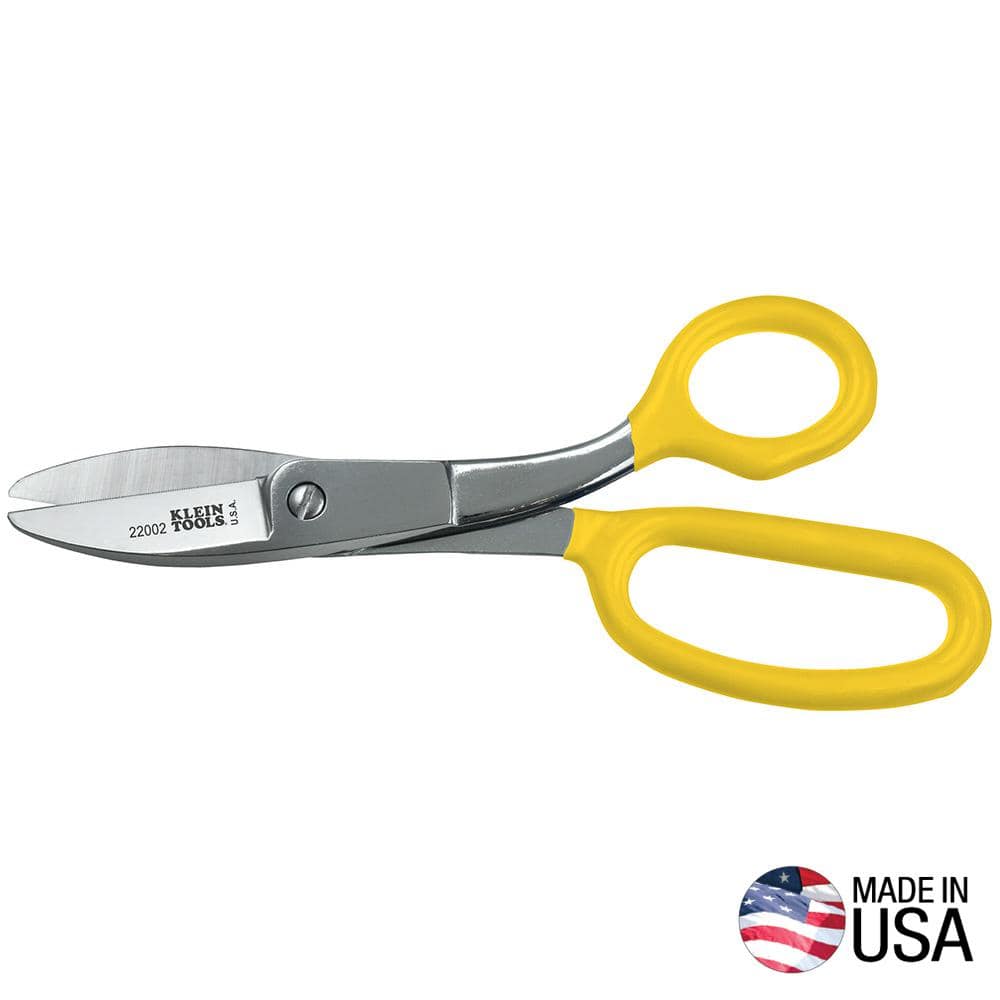
Klein Tools Large Broad Blade Utility Shear 22002
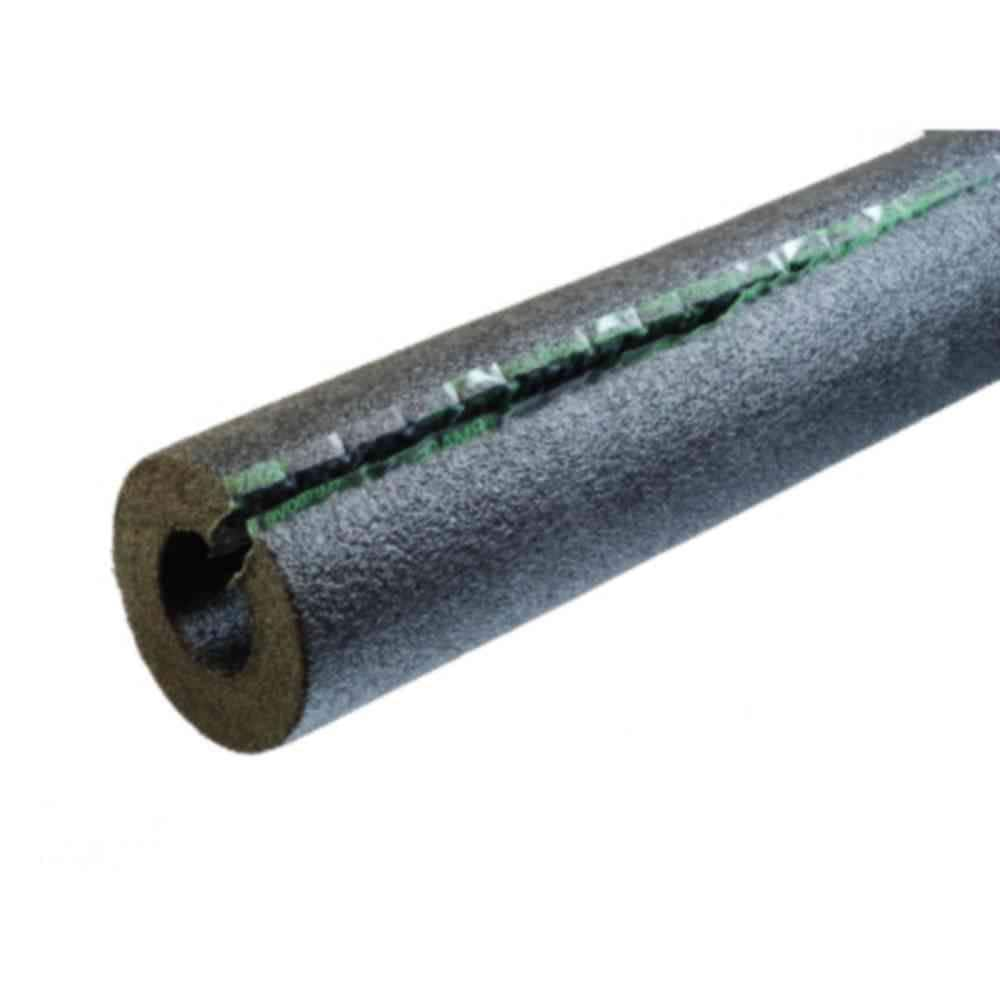
Everbilt 3/4 in. x 6 ft. Foam Self-Seal Pipe Insulation ORS07812
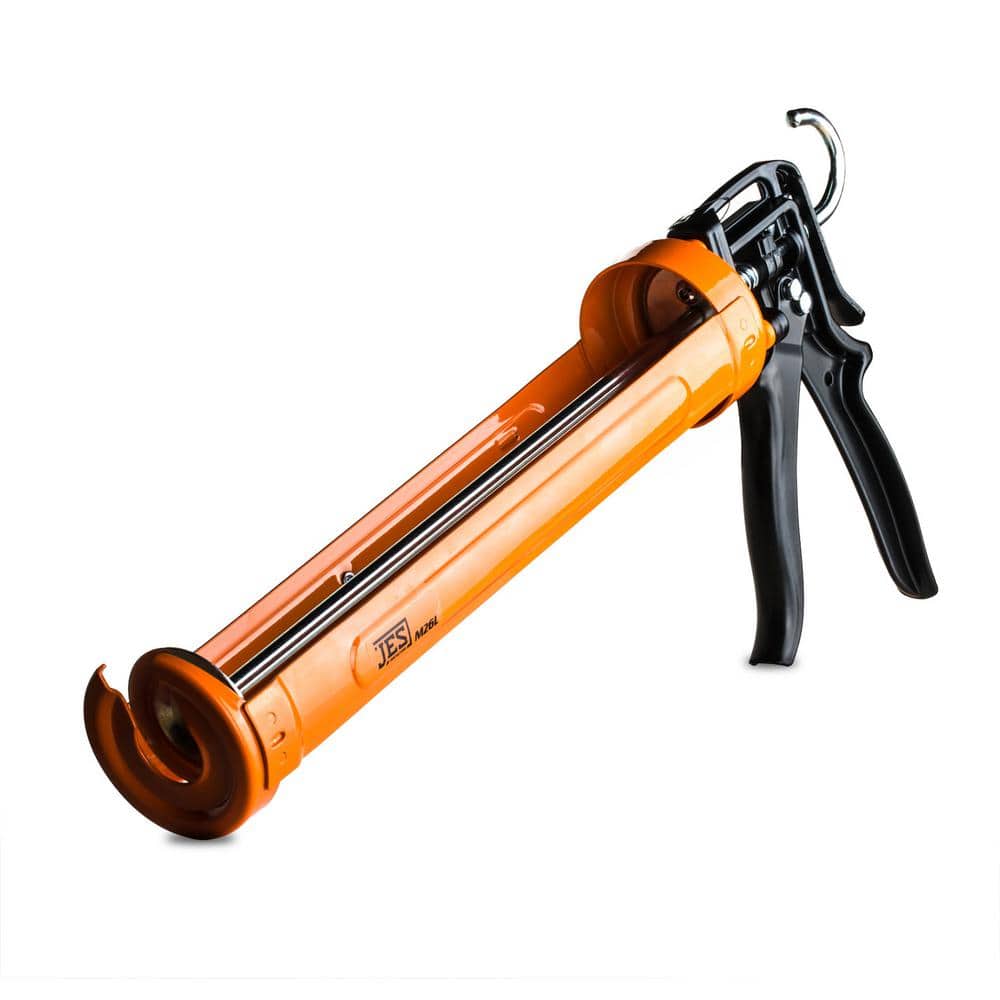
JES 1 Qt. 26:1 High-Thrust Caulk Gun M26L
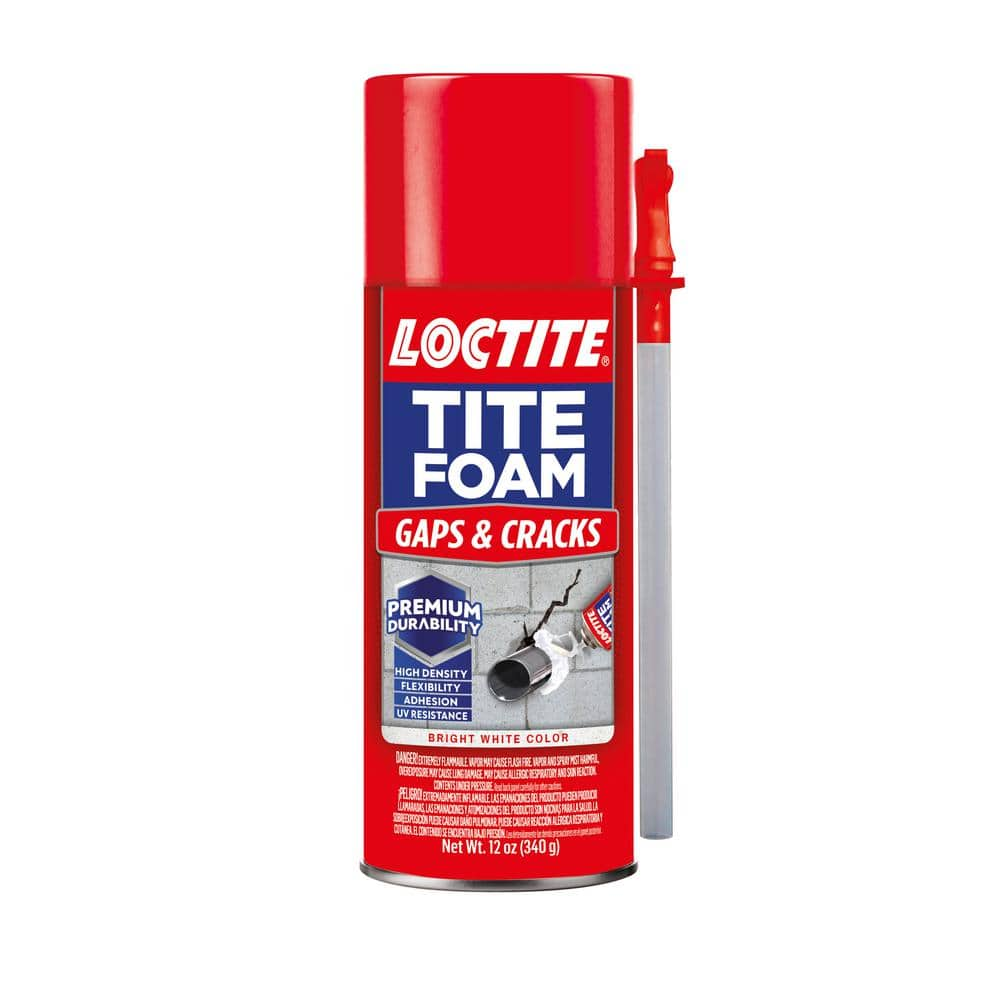
Loctite TITE FOAM Gaps and Cracks Spray Foam, Bright White, 12 oz. Can, Insulating Spray Foam Sealant 2839294
Klein Tools Large Broad Blade Utility Shear 22002
This Klein Tools Broad Blade Utility Shear is designed to cut a wide range of materials, anything from rubber to metal. It features an extended handle that provides comfort and cutting leverage. One blade
Everbilt 3/4 in. x 6 ft. Foam Self-Seal Pipe Insulation ORS07812
For an economical and energy efficient way to help prevent your pipes from freezing use the Everbilt Self Sealing Foam Pipe Insulation. This insulation is fire-rated helping ensure safety. Product R-Value
JES 1 Qt. 26:1 High-Thrust Caulk Gun M26L
Professional caulk and adhesive gun from JES Innovations with 26:1 high thrust ratio, perfect for applying thicker materials, adhesives, or when working in low temperature environments. Engineered for
Loctite TITE FOAM Gaps and Cracks Spray Foam, Bright White, 12 oz. Can, Insulating Spray Foam Sealant 2839294
Loctite TITE FOAM Gaps and Cracks is a new generation of polyurethane-based insulating foam sealant. It expands to fill, seal, and effectively insulate gaps and cracks up to 1 in. in size, inside and out! Based on purified and concentrated ingredients, it provides premium durability for your insulating needs. Loctite TITE FOAM Gaps and Cracks is a bright white color and offers premium durability with its high density, flexibility, strong adhesion and UV resistance. Use to seal out air, moisture and pests in basements or crawlspaces, attic hatches and plumbing, HVAC or electrical penetrations. Quick and convenient to use and apply TITE FOAM Gaps and Cracks offers an easy insulating spray foam option. It is recommended for use in both interior and exterior environments and is sandable and paintable.
Steps

Insulate Exposed Pipes: Prevent Freezing Temperatures
1 minInsulate exposed pipes, particularly those in unheated areas like crawl spaces, attics, and exterior walls. Use pipe insulation sleeves, foam insulation (consider thicker walls for superior protection), or heat tape. For best results, miter insulation around elbows and corners for a complete seal. Remember to measure your pipe diameter accurately before cutting insulation to size.
Watch: Install Fiberglass Insulation Near Flue
Seal Air Leaks Near Pipes: Stop Cold Air Infiltration
1 minSeal air leaks around pipes where they enter your home. Use caulk or expanding foam sealant to create an airtight seal and prevent cold air from reaching the pipes. Pay close attention to areas around sill plates and exterior wall penetrations. Carefully inspect your home for air penetrations near pipes.
Watch: Insulate and Seal Wall OpeningCommon Problems
Safety concern: Working with plumbing systems can involve risks such as water damage and potential contact with hazardous materials. Exercise caution, and if uncertain about any step, consult a qualified plumber.
Solution: Take proper safety precautions. Working with plumbing systems can involve risks such as water damage and potential contact with hazardous materials. Exercise caution, and if uncertain about any step, consult a qualified plumber.
Prevention: Always follow safety guidelines before starting the project.
Frozen pipes burst, causing water damage and costly repairs.
Solution: Install leak alarms to alert you to issues with your plumbing.
Pipes freeze and burst when homes are left unheated in cold weather.
Solution: When leaving home, keep your heat lowered to around 50 degrees Fahrenheit to prevent pipes from freezing.
Uninsulated hot water pipes lose significant heat, increasing energy waste.
Solution: Insulating hot water pipes can prevent heat loss of 2-4 degrees, making your system more efficient.
When insulating pipes near the top of a gas water heater, ensure the insulation is cut short enough to stay clear of the hot draft diverter/flue.
Solution: To avoid this issue: Be mindful of this warning and take appropriate precautions.
This step is critical for fire safety. Foam insulation is combustible and must not be used near the flue.
Solution: To avoid this issue: Be mindful of this warning and take appropriate precautions.
Water damage and mold growth occur when non-waterproof sealants fail.
Solution: Using a 100% silicone sealant designed for kitchens and bathrooms will provide the best long-term waterproofing and mold resistance.
Frequently Asked Questions
What essential tools, besides the utility shears and caulk gun, will I need for this pipe winterization project?
You'll definitely need a sharp utility knife for precise insulation cuts and sturdy gloves for handling expanding foam. A headlamp can also be very useful for illuminating dark crawl spaces or basements, ensuring you don't miss any spots.
What are the most crucial safety precautions when using expanding foam and insulating pipes, particularly in confined areas?
Always wear safety glasses and gloves when applying expanding foam, as it can be very difficult to remove from skin and eyes. Ensure the work area is well-ventilated, and wear a dust mask if working in dusty or confined spaces like crawl spaces to avoid inhaling particulates.
How can I ensure the pipe insulation is applied correctly to maximize its effectiveness and prevent cold spots?
The key is to ensure continuous coverage without any gaps. Butt insulation pieces tightly together, and use your utility shears or knife to carefully miter cuts around elbows and corners for a snug fit. Secure self-seal insulation properly, or use appropriate tape for other types.
Is this project truly beginner-friendly, and what's a realistic expectation for material costs?
Yes, this project is very beginner-friendly, focusing on straightforward tasks like sealing and insulating. The 4-hour time estimate is achievable for an average home, and material costs are typically low, often ranging from $50-$100 for basic foam insulation and expanding foam, depending on the linear feet of pipe.
What are common mistakes beginners make when winterizing pipes, and how can I avoid them?
A frequent mistake is overlooking small air leaks or leaving uninsulated sections, especially at pipe joints, corners, or where pipes penetrate walls. Be thorough with your expanding foam application and double-check all connections and exposed pipe sections for complete, gap-free insulation coverage.
Besides foam sleeves, are there alternative insulation materials or methods for pipes in very cold or hard-to-reach areas?
Yes, for extremely cold or high-risk pipes, consider adding electric heat tape underneath the insulation for supplemental warmth. Spray foam insulation can also be effective for irregular or tight spaces where traditional sleeves won't fit, providing a custom, air-tight seal.
How does insulating pipes for new plumbing installations differ from existing ones?
For new plumbing, it's often easier to apply insulation and seal air leaks before walls are closed up, providing better access and a more comprehensive job. However, the fundamental techniques of sealing air leaks with expanding foam and insulating exposed pipes remain the same for both new and existing systems.