Frozen Pipes: Prevention & Thawing Guide for Winter
About This Project
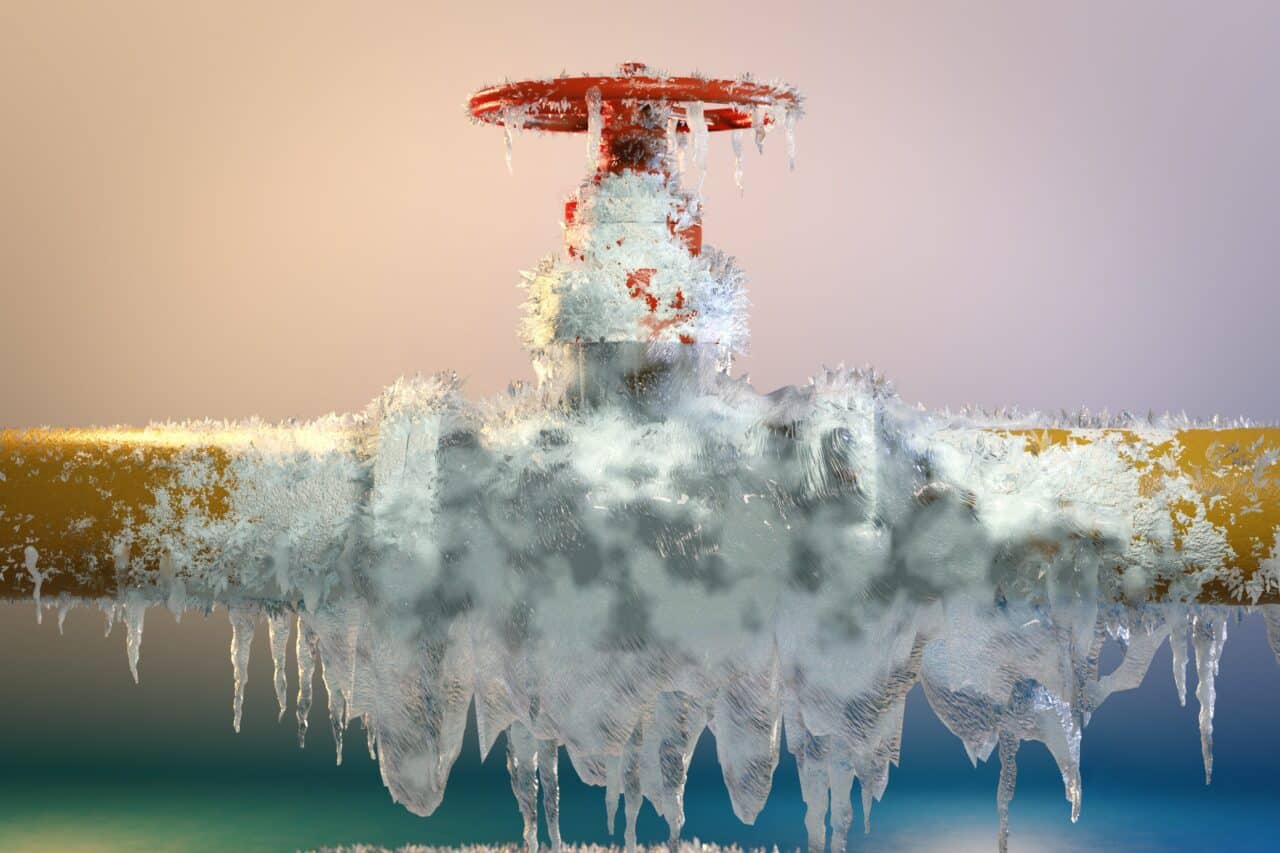
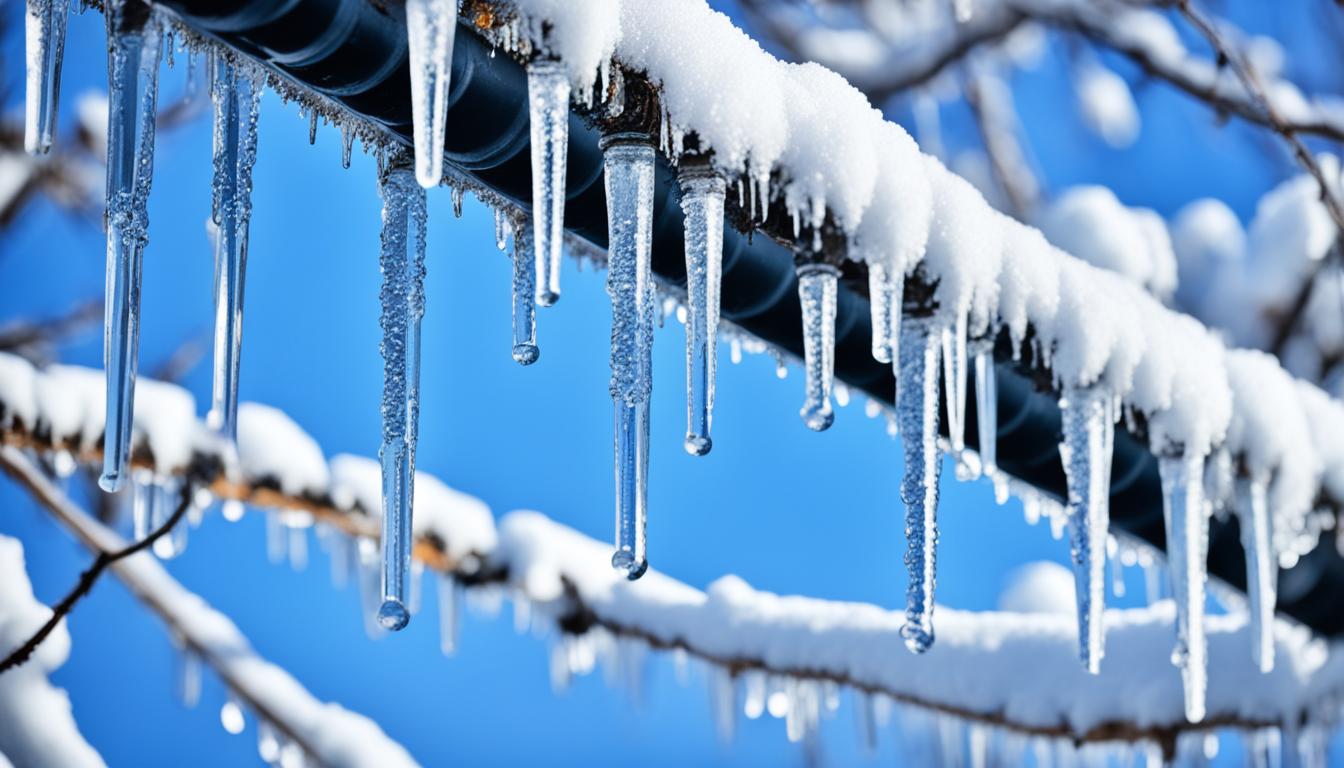
This guide provides steps on how to prevent and thaw frozen pipes. To prevent frozen pipes, open cabinet doors under sinks on exterior walls, let faucets drip steadily, especially those on exterior walls, and insulate exposed pipes with heat tape or pipe insulation. To thaw frozen pipes, turn off the main water supply, open the nearest faucet to relieve pressure, and apply heat gently with a hairdryer on low, a space heater, or warm wet towels. Start thawing near the faucet and work towards the coldest part of the pipe. Monitor carefully, and check for leaks after thawing.
Best for experienced DIYers and homeowners with some experience with basic plumbing knowledge.
Tools & Materials
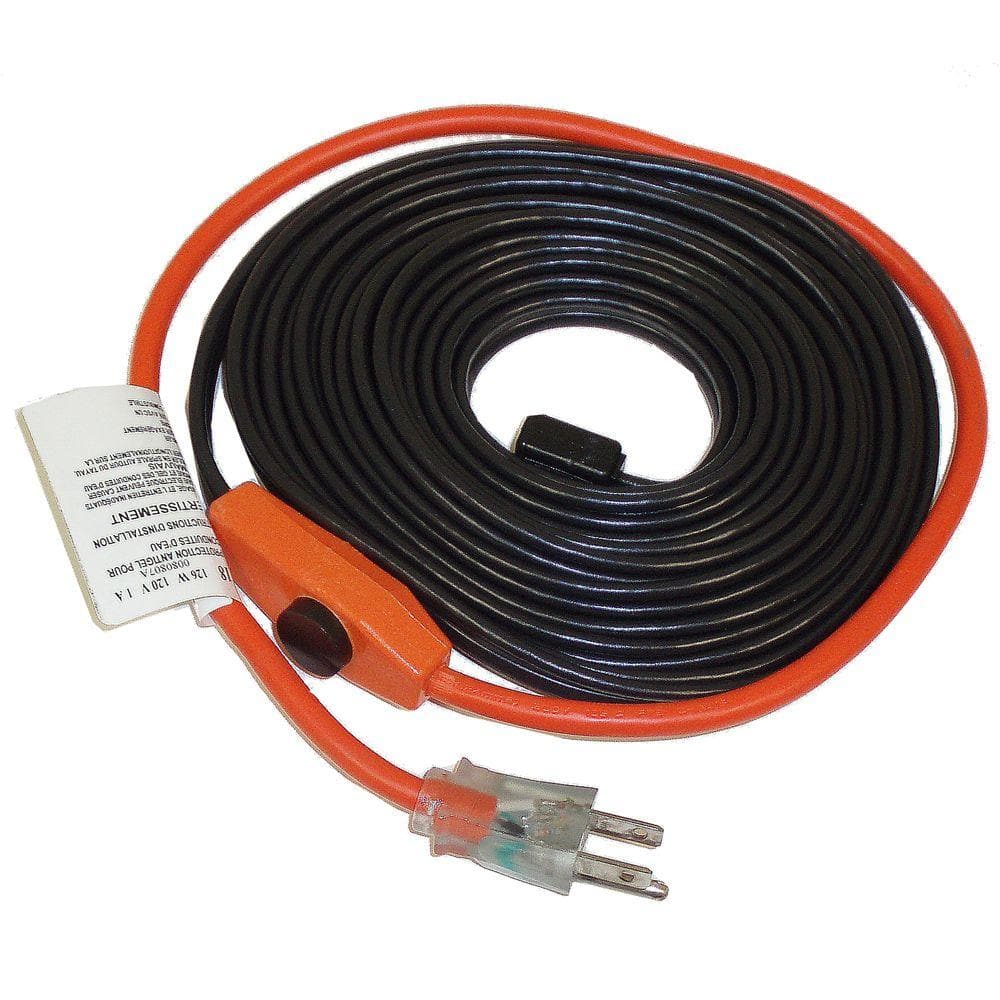
Frost King 6 ft. Electric Water Pipe Heat Cable HC6A
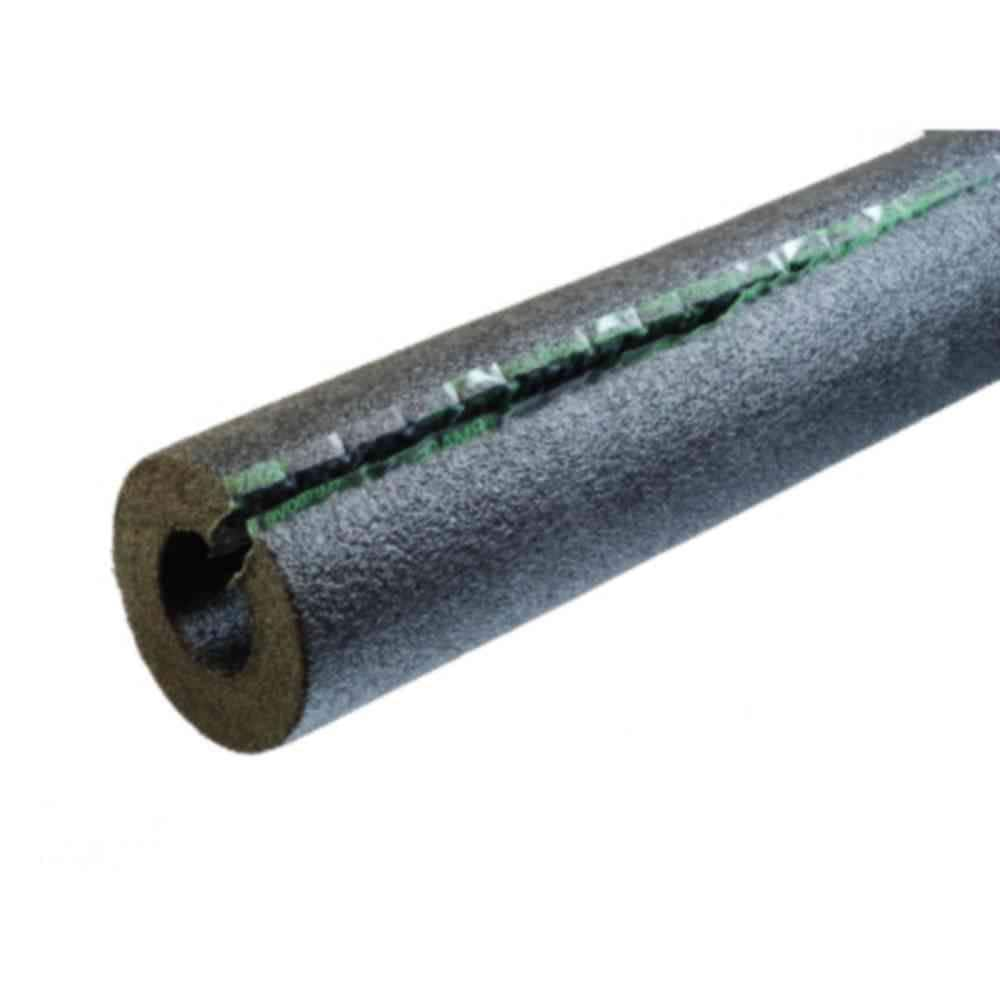
Everbilt 3/4 in. x 6 ft. Foam Self-Seal Pipe Insulation ORS07812
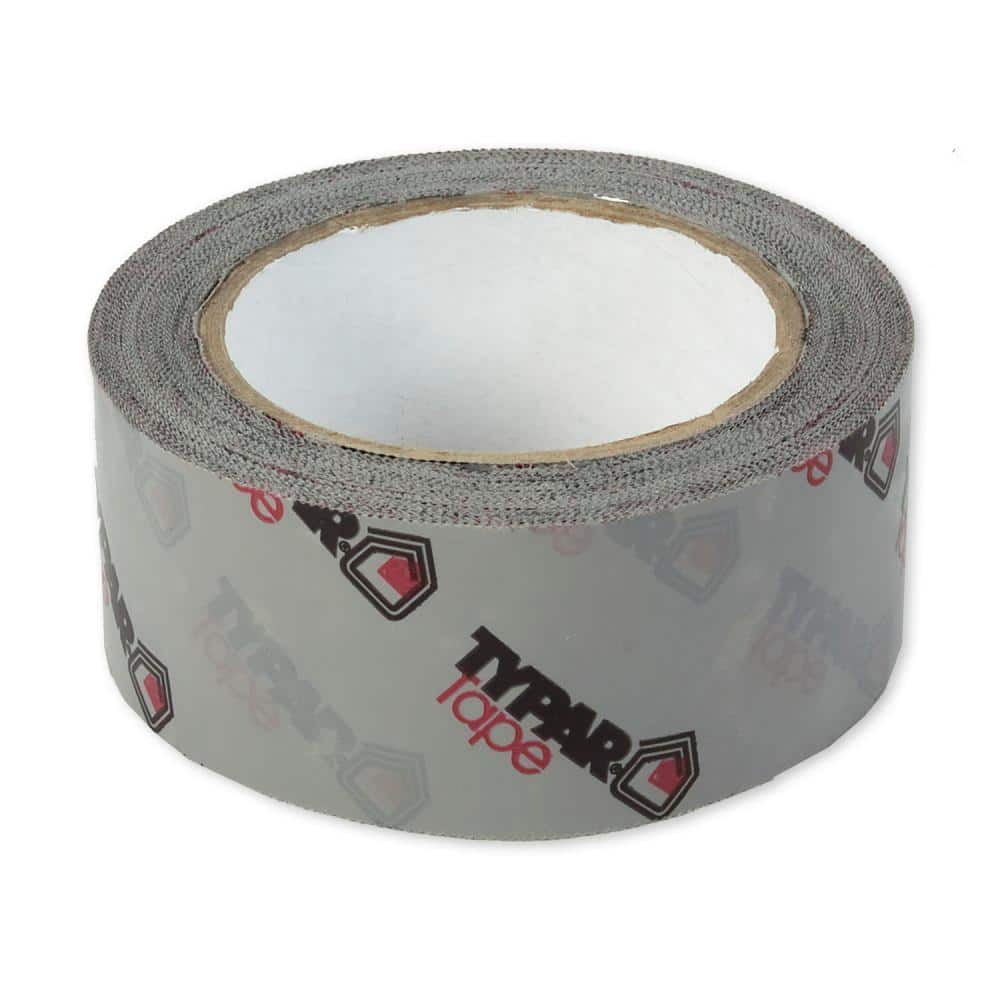
Typar 3 in. x 55 ft. Construction Tape Roll TAPE-007
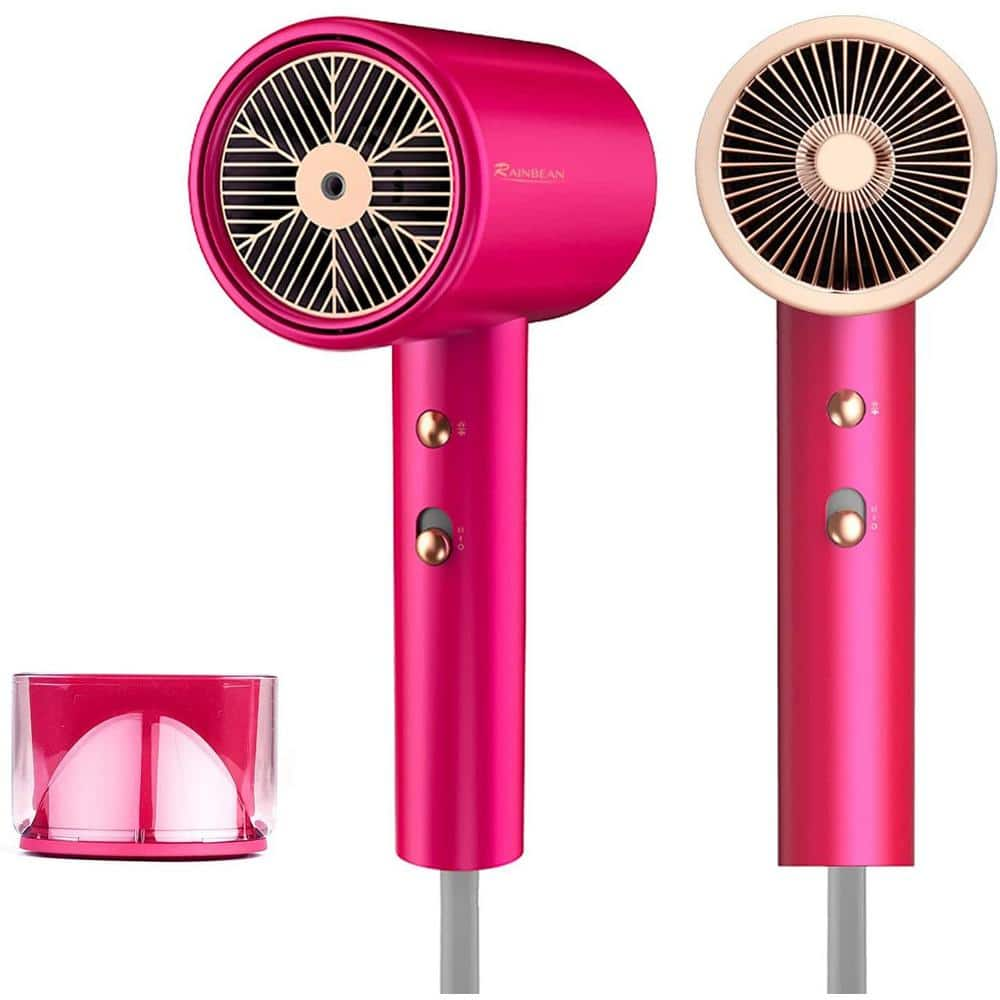
Aoibox 1800-Watt Water Ionic Hair Dryer with Magnetic Nozzle 2 Speed and 3 Heat Settings Powerful Low Noise Fast Drying HDDB1448

FRESHFOLDS Orange 6-Piece Cotton Quick-Dry Bath Towel Set EC100706
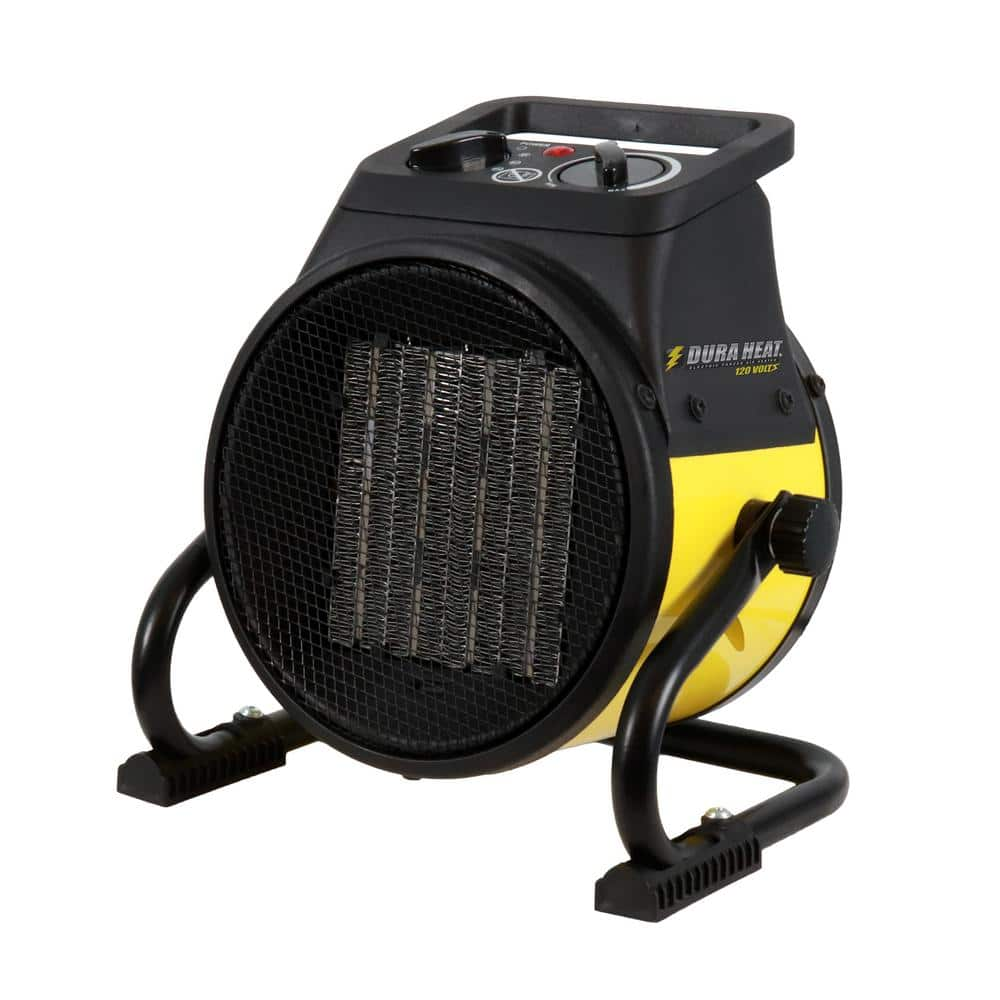
DuraHeat 1500-Watt Portable Electric Space Heater with PVC Ceramic Heating Element and Cradle Base EUH1465
Frost King 6 ft. Electric Water Pipe Heat Cable HC6A
This energy-saving Thermwell Products 6 ft. Electric Water Pipe Heat Cable can help protect your cold-water and hot-water pipes from freezing. This cable has a grounded safety plug and keeps water flowing
Everbilt 3/4 in. x 6 ft. Foam Self-Seal Pipe Insulation ORS07812
For an economical and energy efficient way to help prevent your pipes from freezing use the Everbilt Self Sealing Foam Pipe Insulation. This insulation is fire-rated helping ensure safety. Product R-Value
Typar 3 in. x 55 ft. Construction Tape Roll TAPE-007
Seal seams of your building envelope with this Typar Construction Tape. It keeps out moisture and air around seams, joints, window flanges and more. It's a highly durable polypropylene-coated film that
Aoibox 1800-Watt Water Ionic Hair Dryer with Magnetic Nozzle 2 Speed and 3 Heat Settings Powerful Low Noise Fast Drying HDDB1448
Our professional hair dryer uses the improved water ionic patent technology that will release 10 million water ions to maintain the moisture balance inside the hair when blowing. Long-term use of the portable hair dryer can improve hair health. Help reduce frizz split ends and have shiny and smooth hair.
FRESHFOLDS Orange 6-Piece Cotton Quick-Dry Bath Towel Set EC100706
This cotton towel is quick-drying, absorbent and features a soft cotton popcorn texture. These towels are low-twist and two-ply, so the fibers are thicker and more durable. The weave allows for more air
DuraHeat 1500-Watt Portable Electric Space Heater with PVC Ceramic Heating Element and Cradle Base EUH1465
Compact yet powerful, this DuraHeat 5120 Btu Electric Utility Heater offers a cost effective way to heat cold spaces. Simply plug the 6 ft. polarized plug into any 120-Volt power outlet, set the easy access controls to your desired setting and start receiving heat in seconds. The high efficiency ceramic PTC heat element coupled with the powerful construction grade high output fan maximizes heat distribution. This provides you a strong and steady heat source at a lower operating cost. The heavy-duty steel construction and built-in carry handle allows the heater to be moved to anywhere you need heat.
Steps
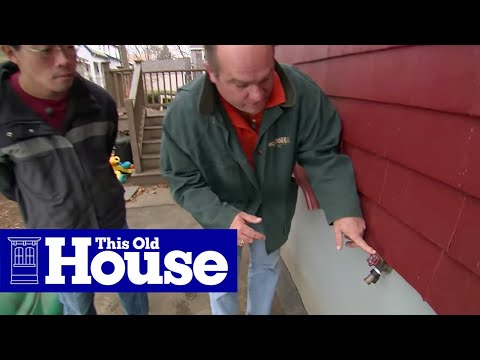


Thawing Frozen Pipes Safely
1 minIf pipes freeze, immediately turn off the main water supply. Open the faucet nearest the frozen section to relieve pressure. Apply gentle heat using a hairdryer (on a low setting), space heater, or warm, wet towels. Begin thawing near the faucet and gradually work towards the coldest area. Monitor carefully to avoid overheating. Once water flows freely, thoroughly check for any leaks.
Watch: Apply Heat to the Frozen AreaCommon Problems
Safety concern: Never use a blowtorch or open flame to thaw pipes. This is extremely dangerous and can cause fires., If you are uncomfortable working with plumbing, call a licensed plumber.
Solution: Take proper safety precautions. Never use a blowtorch or open flame to thaw pipes. This is extremely dangerous and can cause fires., If you are uncomfortable working with plumbing, call a licensed plumber.
Prevention: Always follow safety guidelines before starting the project.
Do not use a direct heat source like a space heater on a pipe, as this can cause a cracked pipe to burst.
Solution: To avoid this issue: Be mindful of this warning and take appropriate precautions.
Pipes freeze when indoor temperatures are too low.
Solution: For this method to be effective, ensure your home's thermostat is set to a reasonable temperature, such as 70°F (21°C).
Pipes can freeze and burst if water isn't allowed to flow.
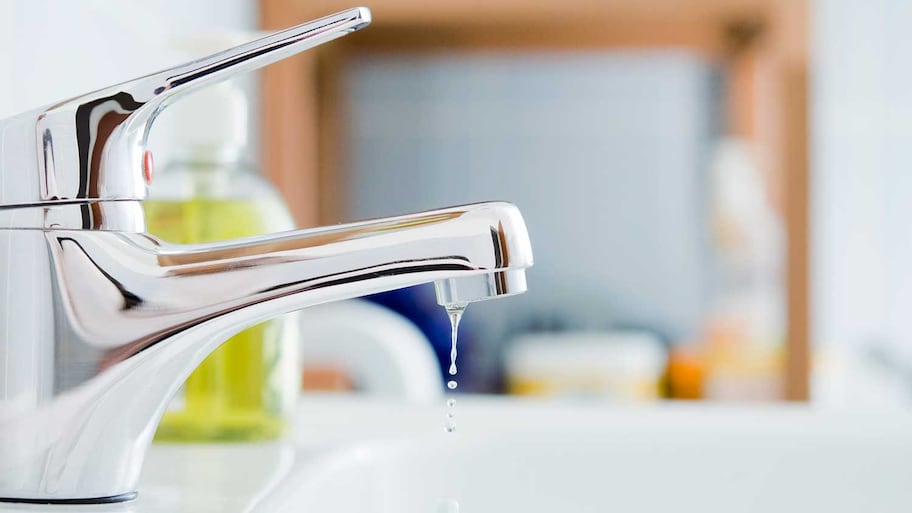
Solution: Dripping both hot and cold water lines can be beneficial.
Faucets on exterior walls are prone to freezing and bursting.
Solution: This is especially important for faucets located on exterior walls of the house.
A frozen pipe may have developed a crack. After thawing, carefully inspect the area for any signs of water leakage.
Solution: To avoid this issue: Be mindful of this warning and take appropriate precautions.
Frozen pipes can burst due to internal pressure buildup, causing water damage.
Solution: The primary danger from a frozen pipe is the pressure buildup, not the ice itself. Relieving this pressure is the most important first step.
Frequently Asked Questions
What are the most important safety precautions to take when thawing frozen pipes?
Always turn off your main water supply before attempting to thaw pipes to prevent flooding if the pipe bursts. Open the nearest faucet to relieve pressure and use gentle, indirect heat sources like a hairdryer on low, a space heater, or warm wet towels. Never use an open flame or high heat, as this can damage pipes or cause a fire.
Can I use old blankets or towels instead of specialized pipe insulation or heat tape for prevention?
While old blankets or towels can offer temporary, limited protection, they are not as effective as dedicated pipe insulation or electric heat tape (like the Frost King HC6A). Specialized insulation provides better thermal resistance and is designed to withstand moisture and pests, offering superior long-term prevention.
What should I do if I can't locate the frozen section of the pipe, or if a pipe bursts during thawing?
If you can't find the freeze, focus your efforts on pipes running along exterior walls, in unheated basements, or crawl spaces. If a pipe bursts while thawing, immediately shut off your main water supply to prevent extensive water damage and call a licensed plumber for urgent repair.
How long does it typically take to thaw a frozen pipe, and is this project truly beginner-friendly?
Thawing a frozen pipe can take anywhere from 30 minutes to several hours, depending on the severity and location of the freeze. This project is considered beginner-friendly as long as you prioritize safety, apply heat gradually, and follow the steps carefully. More complex or persistent issues may warrant calling a professional.
How effective is letting faucets drip for preventing frozen pipes, and when is it most necessary?
Letting a faucet drip steadily is quite effective because moving water is much harder to freeze than stagnant water. It is especially necessary for faucets on exterior walls or in unheated areas during periods of extreme cold (below 20°F) or when pipes are known to be vulnerable to freezing.
Do I need a specific type of hairdryer, like the Aoibox model, to safely thaw pipes, or will any hairdryer work?
Any standard hairdryer can be used to thaw pipes, but models with adjustable heat settings, like the Aoibox HDDB1448, are ideal. Using a low heat setting is crucial to prevent overheating or damaging the pipe. The goal is gentle and gradual warming to melt the ice plug slowly.