Winterize Your Pipes: Prevent Freezing and Bursts
About This Project
This project describes how to winterize your pipes to prevent them from freezing and bursting. The first step involves insulating exposed pipes, especially in unheated areas like basements, crawl spaces, and attics. This can be done using pipe insulation sleeves or foam insulation tubes, cut to the size of the pipe's diameter and secured with tape or zip ties. The second step is to seal air leaks around pipes where they enter your home, using caulk, expanding foam sealant, or weatherstripping. This helps prevent cold air from reaching the pipes and further reduces the risk of freezing.
Best for homeowners and DIY enthusiasts with basic plumbing knowledge.
Tools & Materials
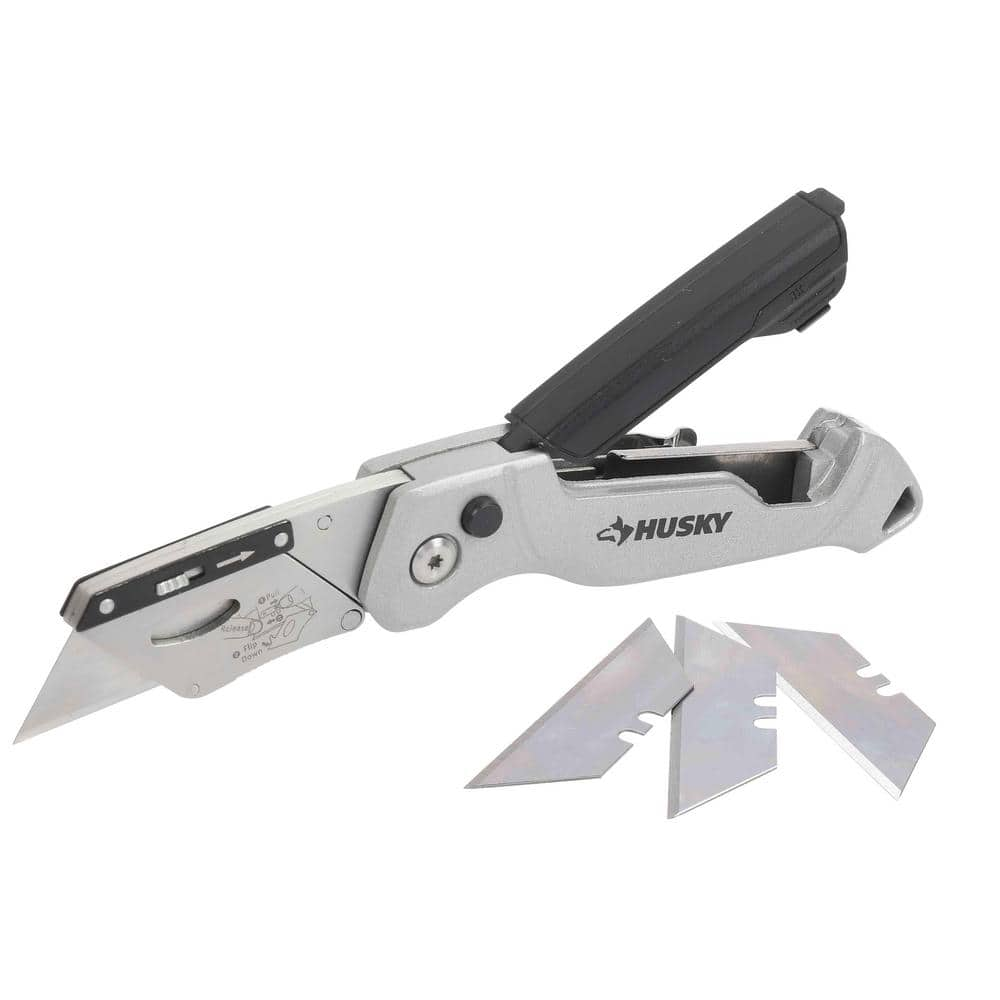
Husky Pro Utility Knife 00004
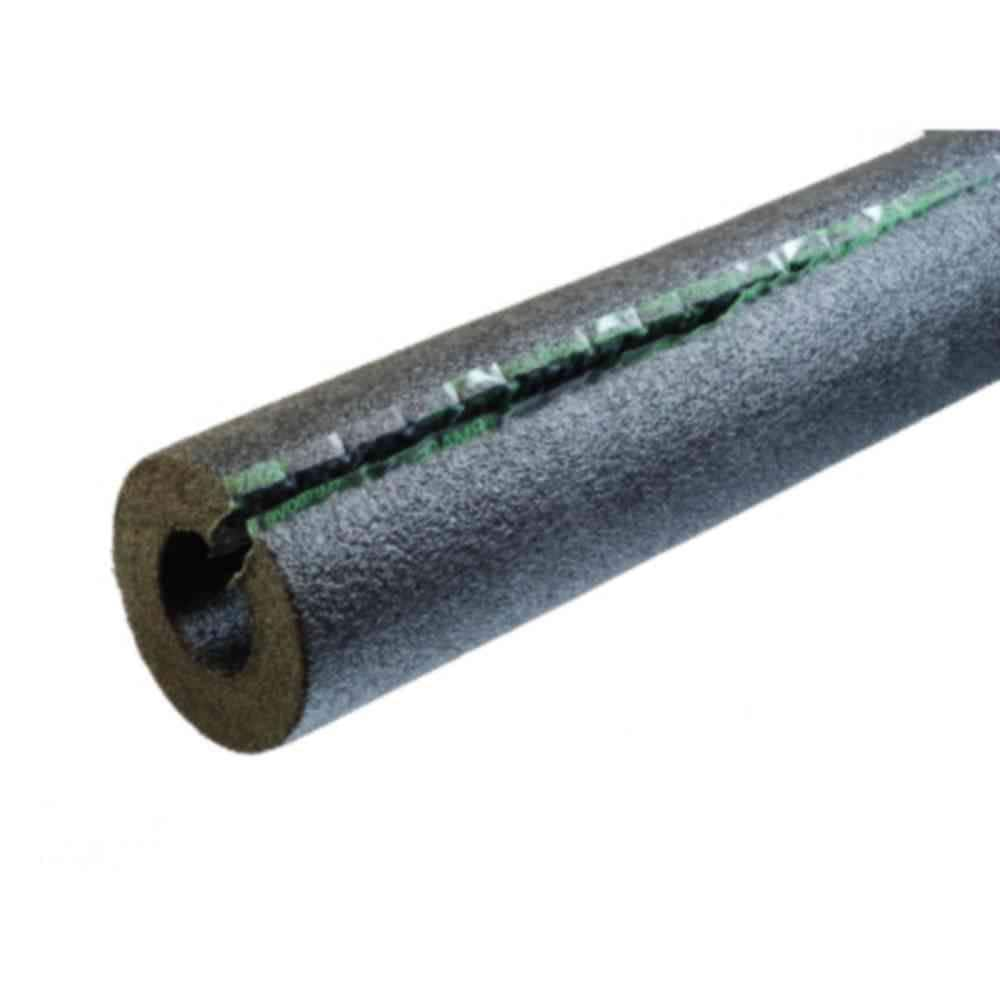
Everbilt 3/4 in. x 6 ft. Foam Self-Seal Pipe Insulation ORS07812
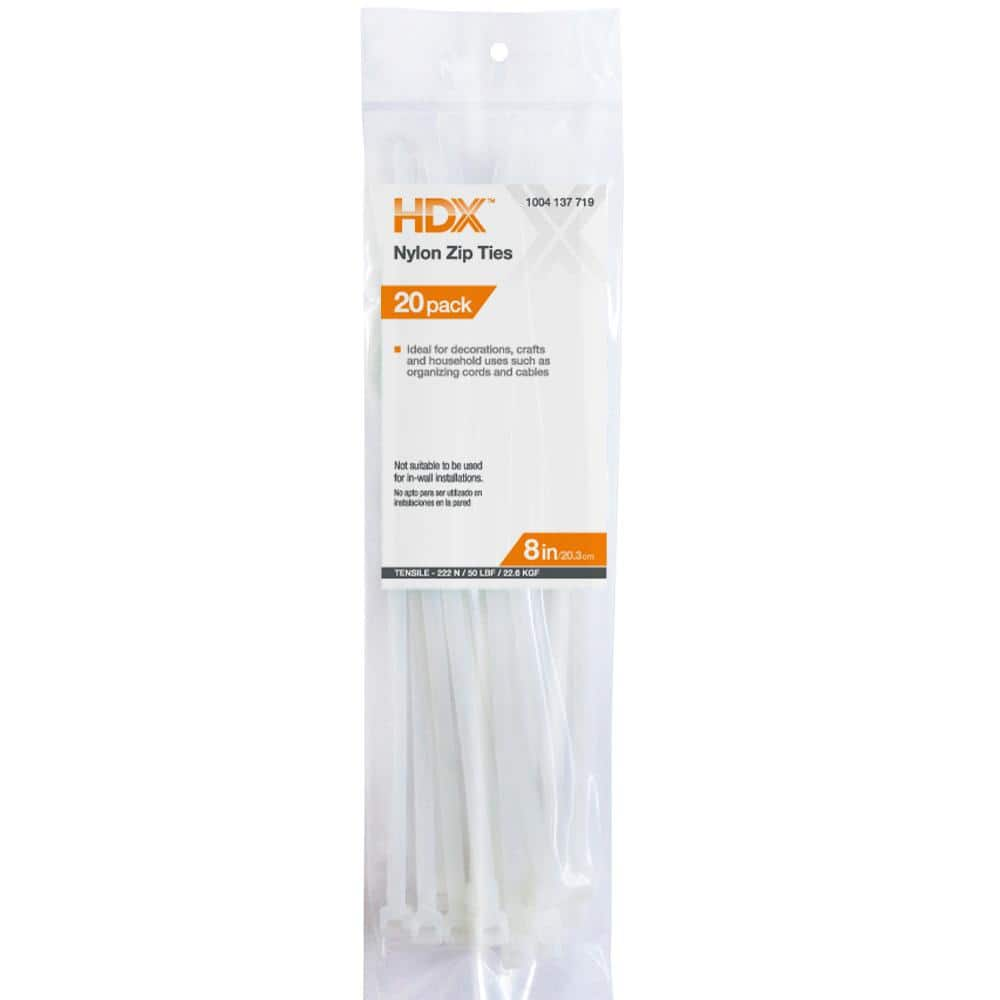
HDX 8 in. Zip Ties, Natural (20-Pack) FT-200ST(20)
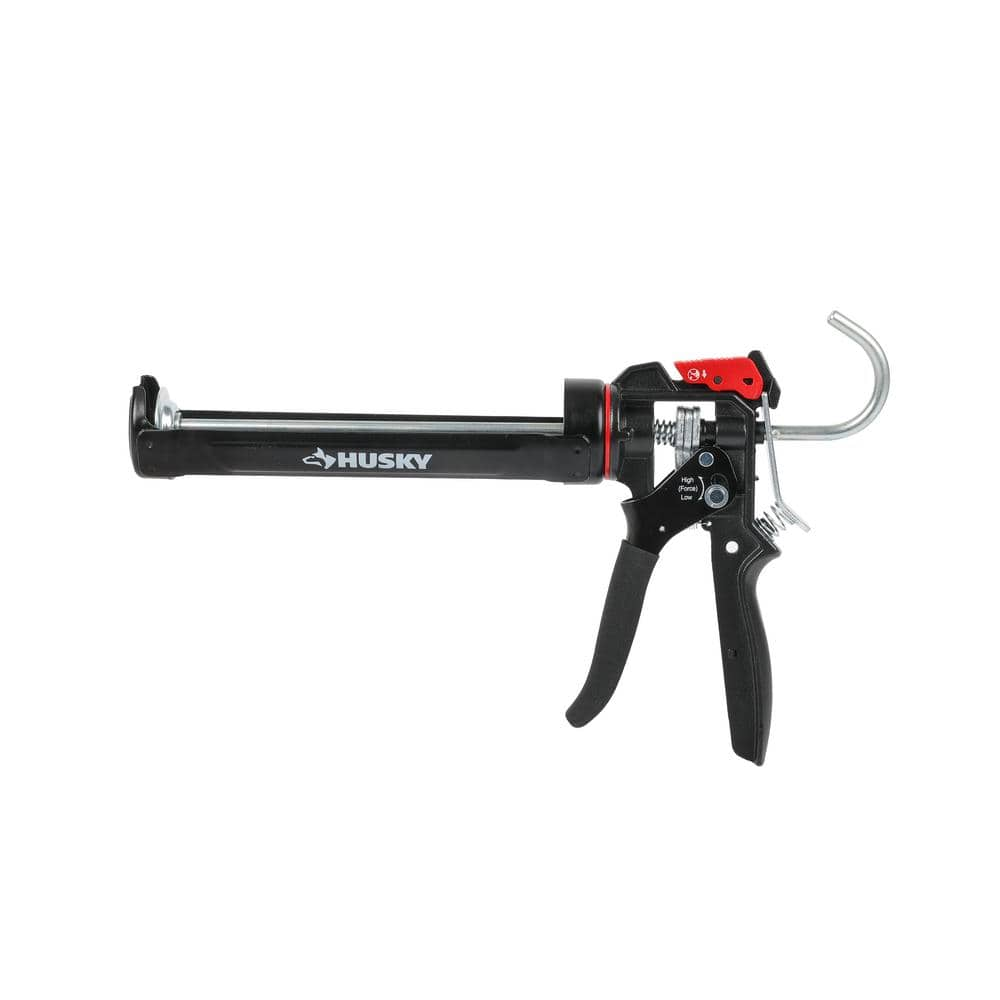
Husky 10 oz. Heavy-Duty High Leverage Drip Free Caulk Gun 19PT0902
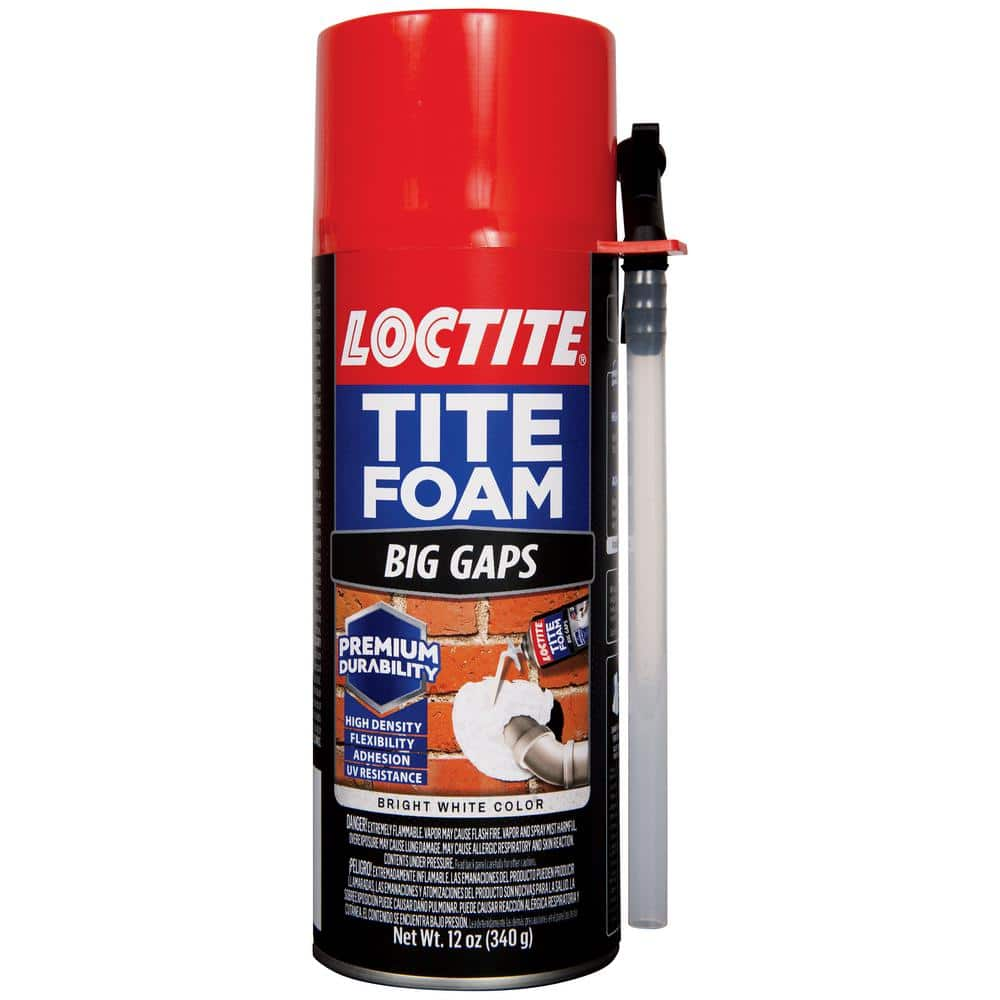
Loctite TITE FOAM Big Gaps Spray Foam, Bright White, 12 oz. Can, Insulating Spray Foam Sealant 2839291
Husky Pro Utility Knife 00004
Offering a precise cut every time, Husky Pro Folding Utility Knife lets you easily adjust the blade to multiple angles to tackle a wide range of jobs. Aluminum die casting handle with plastic spraying
Everbilt 3/4 in. x 6 ft. Foam Self-Seal Pipe Insulation ORS07812
For an economical and energy efficient way to help prevent your pipes from freezing use the Everbilt Self Sealing Foam Pipe Insulation. This insulation is fire-rated helping ensure safety. Product R-Value
HDX 8 in. Zip Ties, Natural (20-Pack) FT-200ST(20)
A cable fastening device provides strong support for positioning cable and pipe bundles. The design of its head guarantees a high tensile strength while allowing a very low insertion force. Products are
Husky 10 oz. Heavy-Duty High Leverage Drip Free Caulk Gun 19PT0902
The Husky heavy-duty high-leverage caulk gun is designed to hold standard size 10 oz. tubes. It has a switch between drip and drip free for desired application and features an adjustable thrust ratio of 9:1 and 18:1 to make applying any caulk, construction adhesive, or sealant effortless. The rotatable barrel makes for easy application around corners and edges while the padded cushion-grip trigger provides added comfort. The rounded skeleton frame helps ensure quick cartridge loading and removal. A convenient seal punch tool located near the trigger is used to break the inner seal of your tube. This caulk gun is perfect any job and is backed by Husky's lifetime warranty.
Loctite TITE FOAM Big Gaps Spray Foam, Bright White, 12 oz. Can, Insulating Spray Foam Sealant 2839291
Loctite TITE FOAM Big Gaps is a new generation of polyurethane-based insulating foam sealant that expands to fill, seal, and effectively insulate gaps and cracks up to 3 in. in size, inside and out! Loctite
Steps

Insulate Exposed Pipes to Prevent Freezing
1 minInsulate exposed pipes using pipe insulation sleeves or foam insulation tubes. Measure the pipe diameter and cut the insulation to size. For best results, ensure a snug fit and secure the insulation with tape or zip ties. Pay special attention to pipes in unheated areas, such as basements, crawl spaces, and attics.
Watch: Install Pipe Insulation
Seal Air Leaks Around Pipes for Added Protection
30 minsPrevent cold air from reaching your pipes by sealing any air leaks where pipes enter your home. Use caulk, expanding foam sealant, or weatherstripping to fill gaps and cracks around pipes, especially in exterior walls and near foundations. This extra layer of protection will significantly reduce the risk of freezing.
Watch: Add pipe insulationCommon Problems
Safety concern: Ignoring frozen pipes can lead to burst pipes and costly water damage.
Solution: Take proper safety precautions. Ignoring frozen pipes can lead to burst pipes and costly water damage.
Prevention: Always follow safety guidelines before starting the project.
Ensure that any materials near the insulated pipe are not flammable to avoid a fire risk.
Solution: To avoid this issue: Be mindful of this warning and take appropriate precautions.
Pipes lose heat, leading to inefficiency and potential freezing.
Solution: Insulating hot water pipes can prevent heat loss of 2-4 degrees, making your system more efficient.
When insulating pipes near the top of a gas water heater, ensure the insulation is cut short enough to stay clear of the hot draft diverter/flue.
Solution: To avoid this issue: Be mindful of this warning and take appropriate precautions.
Heat-Line's advanced heating cable systems are designed not to melt or overheat when insulated, a key safety feature.
Solution: To avoid this issue: Be mindful of this warning and take appropriate precautions.
Pipes could freeze and burst, causing costly damage.
Solution: This step improves energy efficiency and is highly recommended.
Frequently Asked Questions
Do I need the exact Husky tools listed, or are there more affordable/alternative options for this project?
While the Husky tools are quality options, a sharp utility knife or heavy-duty scissors can effectively cut insulation. Any standard caulk gun will work for applying sealant, so feel free to use what you have or a more budget-friendly option.
What safety precautions should I take, especially when using spray foam or working in tight, unheated spaces?
Always wear gloves and eye protection when using spray foam sealant, and ensure the area is well-ventilated. If working in crawl spaces or attics, wear a dust mask to avoid inhaling insulation particles, and consider knee pads and a headlamp for comfort and visibility.
Is this project truly beginner-friendly, and can I realistically complete it within the 3-hour estimated time?
Yes, this project is very beginner-friendly, involving basic cutting, wrapping, and sealing tasks. The 3-hour estimate is reasonable for a typical home, but extensive piping, difficult-to-access areas, or numerous air leaks could extend the project duration, so assess your specific situation.
What are the most common mistakes people make when insulating pipes or sealing air leaks, and how can I avoid them?
A common mistake is leaving gaps or uninsulated sections on pipes, especially at bends, valves, or connections. For sealing air leaks, ensure surfaces are clean, dry, and free of debris for optimal adhesion, and apply a continuous bead of caulk or foam without excessive gaps.
If I can't insulate every pipe, which ones should I prioritize for maximum protection against freezing?
Prioritize pipes located in unheated areas such as basements, crawl spaces, attics, and exterior walls. Also, pay close attention to pipes that run near exterior vents, windows, or any areas where you feel a noticeable draft.
Are there any alternative materials I can use if the specific ones listed aren't available, especially for pipe insulation?
While self-seal foam insulation sleeves are highly recommended, fiberglass pipe wrap or even temporary solutions like old towels or newspaper wrapped securely around pipes can offer some protection. For sealing, any high-quality exterior caulk can substitute for the expanding foam for smaller gaps.
What should I do if I suspect my pipes are already frozen, and can this project still help in that situation?
If you suspect a frozen pipe, locate the frozen section and gently warm it with a hairdryer on a low setting; never use an open flame. This project is a preventative measure for *future* freezing and will not actively thaw already frozen pipes, but it's crucial to complete once pipes are clear.