Boost Low Water Pressure: A DIY Guide to Higher Home Water Flow
About This Project
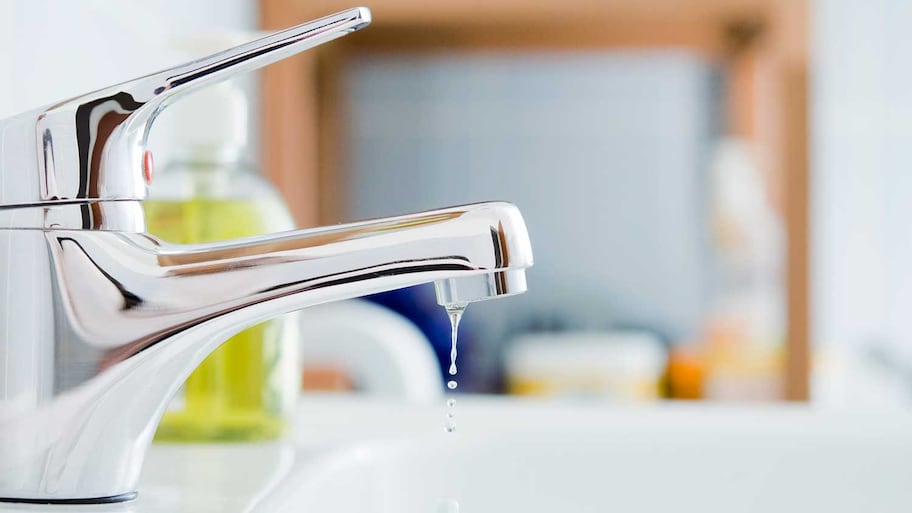
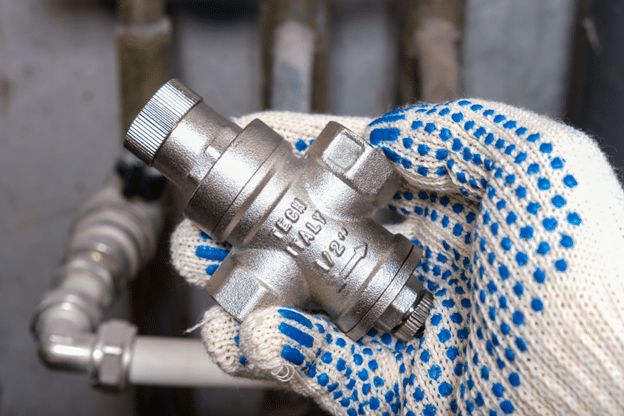
This project aims to improve a home's water pressure. The first step is to check if the main water shutoff valve is fully open to eliminate that as a potential problem. Then, clean or replace showerheads and faucet aerators because mineral deposits and debris can restrict water flow. If low pressure persists, the pressure reducing valve (PRV) might be faulty. You can try adjusting the screw on the PRV to increase pressure. If this doesn't work, replace the PRV. Consult a professional for assistance if you're unsure about any step.
Best for experienced DIYers and homeowners with some experience with basic plumbing knowledge.
Tools & Materials
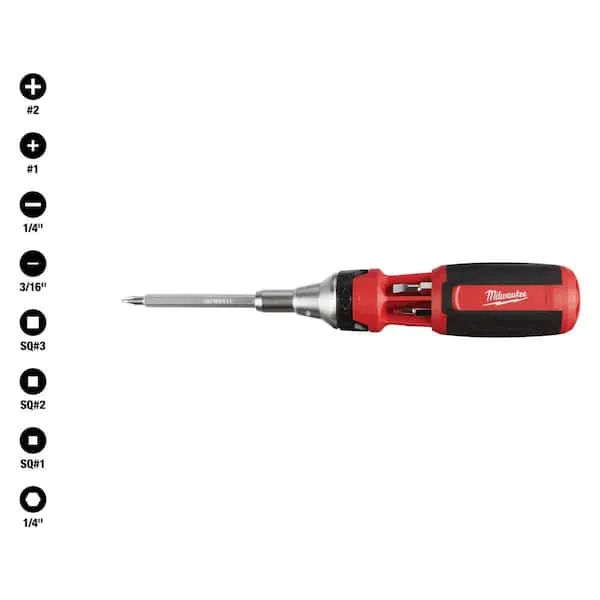
Screwdriver (Multi)
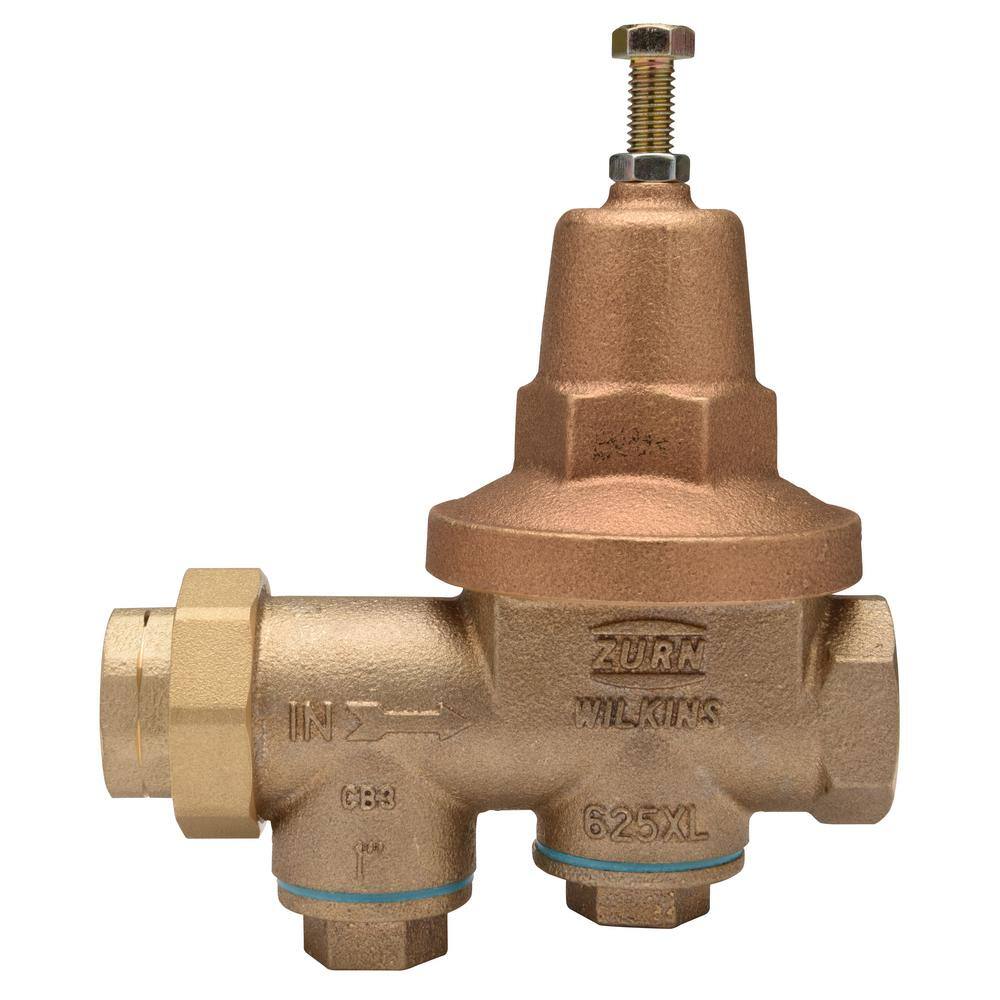
Wilkins 1 in. Pressure Reducing Valve 1-625XL
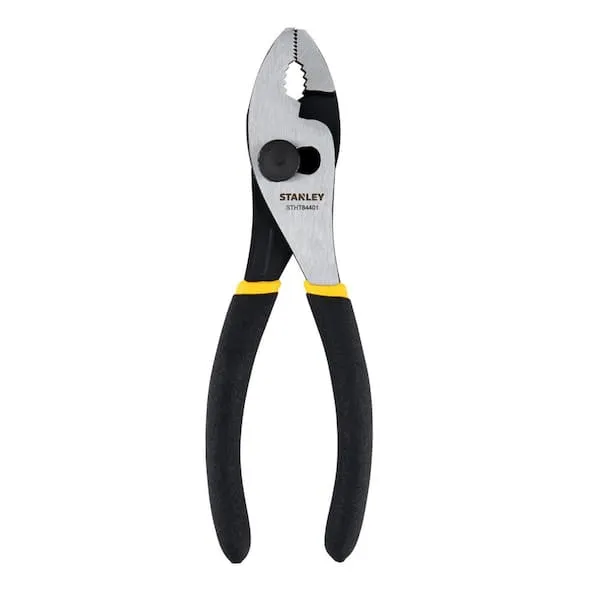
Pliers
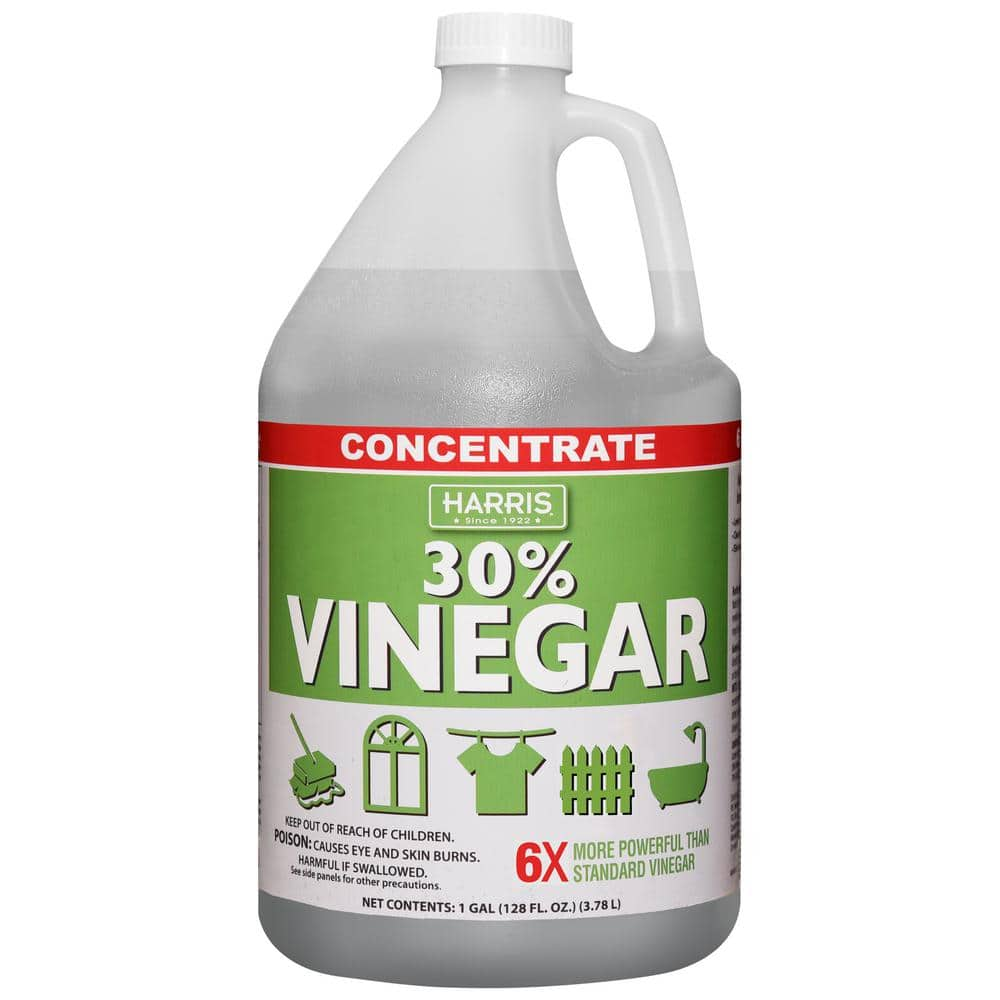
Harris 128 oz. 30% Vinegar All Purpose Cleaner Concentrate VINE30-128
Screwdriver (Multi)
Multiple bits for versatile use.
Wilkins 1 in. Pressure Reducing Valve 1-625XL
The 1 in. 625XL Pressure Reducing Valve is a superior drop-in replacement solution for single union competitor models, reducing installation costs in both commercial and residential applications. The 625XL eliminates the need for re-piping, saving you valuable time, labor, and materials. It includes the same corrosion-resistant, bronze threaded bell and integral stainless steel strainer as the 600XL, which speeds up access to internals for easy cleaning. The fiber union gasket ensures rapid installation. Its high-flow capacity is ideal for sandy, debris-laden systems that may require frequent cleaning.
Pliers
Grips and manipulates objects.
Harris 128 oz. 30% Vinegar All Purpose Cleaner Concentrate VINE30-128
Harris 30% Cleaning Vinegar Concentrate is 6X more powerful than standard vinegar for ultra cleaning power. Dilute with 60 parts of water to 1 part vinegar. The vinegar is good to use all around your home to clean your home, appliances, patios, driveways and eliminates odors from laundry.
Steps


Adjust or Replace the Pressure Reducing Valve (PRV)
30 minsLocate your Pressure Reducing Valve (PRV), typically near where the main water line enters your home. Carefully adjust the screw on the PRV to increase pressure. If adjustment doesn't resolve the issue, the PRV may need replacement. Consult a professional if unsure.
Watch: Locate Valves
Common Problems
Safety concern: Always turn off the main water supply before working on plumbing.
Solution: Take proper safety precautions. Always turn off the main water supply before working on plumbing.
Prevention: Always follow safety guidelines before starting the project.
Unnecessary replacement part purchases for faulty faucets.
Solution: Before buying a new part, check if your faucet has a lifetime warranty. The manufacturer may send you a replacement for free.
Be extremely careful when drilling inside the valve body. Use a bit that matches the hole size and do not remove excess brass, as this could permanently damage the valve.
Solution: To avoid this issue: Be mindful of this warning and take appropriate precautions.
Clogged aerator holes prevent water flow.
Solution: For stubborn corrosion, use a small pin or brush to clean the holes, or soak the aerator in a descaling solution.
Scratched chrome faucet after DIY repair.
Solution: When using pliers on a finished faucet, wrap the jaws with a cloth or tape to prevent scratching the chrome.
Incorrect check valve part leads to continued low water pressure.
Solution: The replacement part number for the hose check valve is 48224.
Make small, incremental adjustments to the pressure screw while monitoring the gauge to avoid over-pressurizing the system.
Solution: To avoid this issue: Be mindful of this warning and take appropriate precautions.
Frequently Asked Questions
What's the most critical first step before starting this project, and what safety precautions should I take?
The most critical first step is to locate and fully open your main water shutoff valve, as a partially closed valve is a common cause of low pressure. Before working on the PRV, know how to shut off your home's main water supply and have towels ready for potential leaks to prevent water damage.
What specific tools are essential for this project, and is the listed Wilkins PRV the only option?
You'll primarily need pliers and a multi-head screwdriver for cleaning aerators and adjusting/replacing the PRV. While a Wilkins 1 in. PRV is listed as an example material, you must verify the size and type compatible with your home's existing plumbing before purchasing a replacement.
I've cleaned all my showerheads and faucet aerators, but my water pressure is still low. What should I investigate next?
If cleaning aerators didn't resolve the issue, the next step is to focus on your home's Pressure Reducing Valve (PRV). First, reconfirm your main water shutoff valve is completely open. If the problem persists, your PRV might be faulty or set too low, requiring adjustment or replacement.
How can I safely and effectively adjust my home's Pressure Reducing Valve (PRV) without causing damage?
Locate the adjustment screw on your PRV (often on the bell-shaped top). Turn it clockwise slowly, making small adjustments like a quarter turn at a time, to increase pressure. Test the water pressure after each adjustment, avoiding overtightening, as excessive pressure can damage your plumbing fixtures and pipes.
Is the 3-hour estimated time realistic for a beginner, and what's the potential cost if I need to replace the PRV?
For a beginner, 3 hours is realistic if you only need to clean aerators or adjust the PRV. However, replacing a PRV can take longer, depending on your plumbing setup. A new Wilkins 1 in. Pressure Reducing Valve typically costs between $70-$150, but prices vary by brand and features.
How do I know if my PRV is truly faulty and needs replacement versus just needing an adjustment?
If adjusting the PRV's screw doesn't affect water pressure, or if your pressure fluctuates erratically, it indicates a failing PRV that likely needs replacement. You can also use a water pressure gauge attached to an outdoor spigot to accurately measure your home's water pressure for diagnosis. When in doubt, consult a professional.