Water Heater Lifespan: How to Tell When to Replace Your Water Heater
About This Project
This project guides you through assessing the lifespan of your water heater and determining whether it needs repair or replacement. **Step 1: Determine Your Water Heater's Age:** Find the serial number on your water heater's label to determine its manufacturing date and age. Visually inspect the unit for rust and leaks, particularly around fittings and the drip pan. **Step 2: Thorough Water Heater Inspection:** Conduct a comprehensive inspection of your water heater, checking for leaks, corrosion, and rust. Focus on the pressure relief valve and the drip pan for any signs of water. **Step 3: Decide: Repair or Replace?** Based on the inspection and the age of your water heater (typically 8-12 years for tank models, 20+ years for tankless models), decide whether to repair or replace it. Consider the cost of repair versus replacement; if repair costs exceed 50% of a new unit, replacement is often more cost-effective.
Best for homeowners and DIY enthusiasts.
Steps
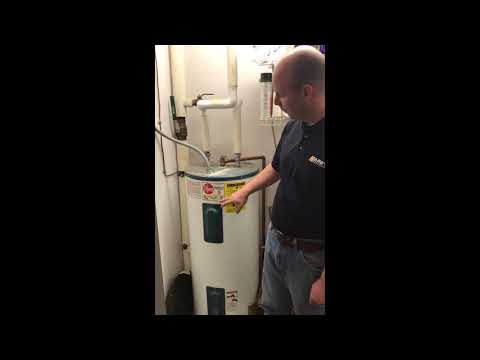

Thorough Water Heater Inspection: Identifying Potential Problems
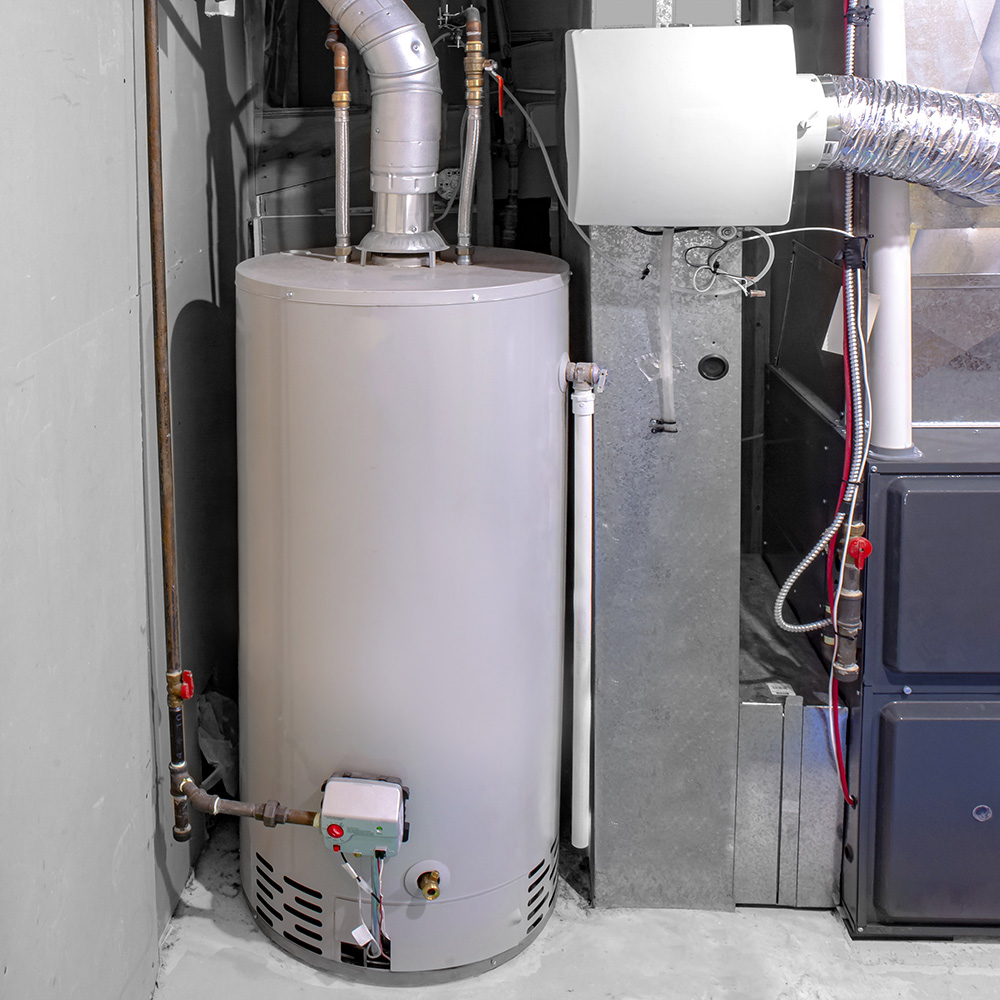
30 minsCarefully inspect your water heater for signs of rust, leaks, or corrosion. Pay close attention to the pressure relief valve, checking for any water leakage. Also, examine the drip pan for accumulated water.
Watch: Inspect for Obvious Indoor Leaks
Decide: Repair or Replace Your Water Heater?
30 minsIf your water heater is 8-12 years old (or older) and exhibits significant wear, replacement is usually recommended. Minor issues, like a faulty pressure relief valve, might be repairable. Tankless heaters generally last longer (20+ years), but similar inspection applies. If repair costs exceed 50% of replacement, replacement is often the more economical choice.
Watch: Assess Age and Consider ReplacementCommon Problems
Difficulty determining water heater age and thus, replacement time.
Solution: The decoding chart is often available online if you search for 'Bradford White water heater age'.
Incorrectly dating a water heater leads to misjudging its age and replacement needs.
Solution: For the year code, there are often two possible years (e.g., 'H' = 1991 or 2011). Use the overall condition of the heater and its installation context to determine the most likely decade.
Can't find the water heater's data label for age information.
Solution: The data label is often located in the upper half of the water heater tank and is usually easily visible.
Use a flashlight if the water heater is in a dimly lit area like a closet or basement to ensure you can read the fine print on the label clearly.
Solution: To avoid this issue: Be mindful of this warning and take appropriate precautions.
Can't find the manufacture date to estimate water heater age.
Solution: The label is usually a large sticker placed prominently on the side of the tank.
Difficulty locating the water heater's model and serial number for replacement inquiries.
Solution: The rating plate is usually a prominent sticker located on the upper or lower half of the tank's exterior.
Expansion tank failure leading to water damage.
Solution: A working expansion tank should sound hollow on top (where the air is) and more solid on the bottom (where the water is). A completely failed tank will sound solid and feel heavy.
Frequently Asked Questions
What specific tools or equipment will I need to accurately inspect my water heater's age and condition?
You'll primarily need good lighting, such as a flashlight or headlamp, to clearly see the serial number and inspect for small leaks or corrosion in dark areas. A camera on your phone can also be helpful for documenting findings or reaching tight spots to photograph the serial number. Keep a rag handy to wipe away dust or condensation for a clearer view.
What are the most important safety precautions to take when inspecting my water heater for potential issues?
Always be cautious around hot water pipes and the unit itself, which can be very hot. For gas water heaters, be aware of any gas smell, and never attempt to inspect if you suspect a gas leak. For electric units, you may want to turn off the power at the breaker if you need to touch electrical components, though for visual inspection, this isn't usually necessary.
My water heater is older than the recommended lifespan (8-12 years) but isn't showing obvious signs of leaks or problems. Should I still consider replacing it?
Yes, even without visible leaks, an older water heater becomes less efficient, increasing your energy bills. There's also a higher risk of sudden, catastrophic failure, which could lead to significant water damage. Proactive replacement can save you money in the long run and prevent unexpected emergencies.
If I find a small leak during my inspection, can it always be repaired, or does it typically mean a full replacement is needed?
The ability to repair depends on the leak's source. Minor leaks from fittings, valves (like the T&P relief valve), or drain spigots can often be repaired or replaced relatively easily. However, if the leak is coming directly from the tank itself, especially from the bottom or sides, it usually indicates internal corrosion and almost always requires a full water heater replacement.
The project mentions a '50% repair vs. replacement cost rule'. What if the repair is minor but the unit is very old?
The 50% rule is a good guideline, but age is also a critical factor. Even if a minor repair costs less than 50% of a new unit, investing in repairs for a water heater significantly past its expected lifespan (e.g., 15+ years for a tank model) might be throwing good money after bad. Old units are prone to other failures and inefficiency, making replacement often the more cost-effective long-term choice.
Besides visual inspection and age, what other symptoms indicate my water heater might be failing or nearing the end of its life?
Look out for rusty or discolored hot water coming from your faucets, which can signal internal tank corrosion. Strange noises like rumbling, popping, or banging can indicate sediment buildup in the tank. Inconsistent hot water, or a significant decrease in hot water supply, are also strong indicators of a failing unit.