How to Relight a Gas Water Heater Pilot Light
About This Project
This project details how to relight a gas water heater pilot light. First, access the water heater's interior by removing the access panel, and for older models, potentially an outer cover as well. Next, turn the gas control knob to the 'Pilot' setting. Then, light the pilot light using a long lighter or match while holding the gas control knob, and continue holding for 30-60 seconds. Turn the gas control knob to the 'On' position and set your desired temperature. Finally, reinstall the access panel, ensuring it is secure, and check for any gas leaks.
Best for homeowners and DIY enthusiasts.
Tools & Materials
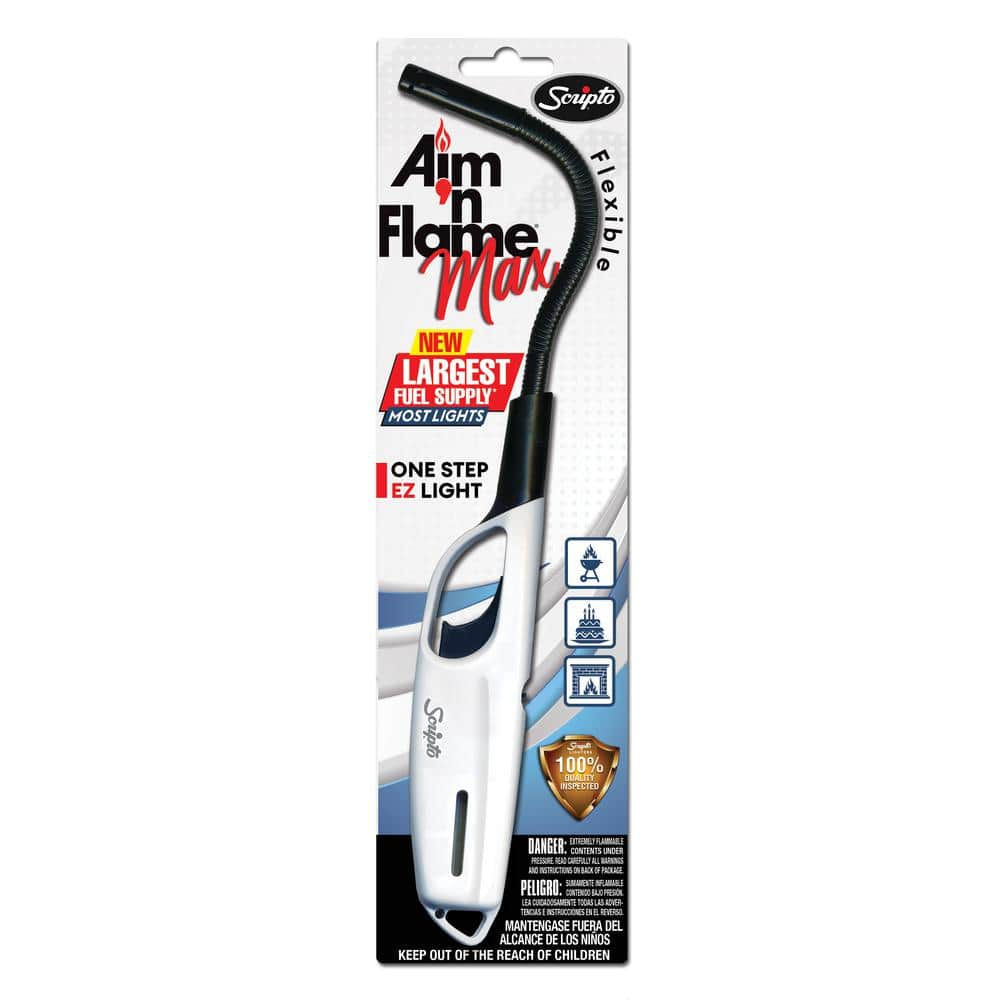
Scripto Aim-n-Flame Max Flex Utility Lighter BGM9F-1/CD-12
Scripto Aim-n-Flame Max Flex Utility Lighter BGM9F-1/CD-12
Light your campfires, grills, candles, fireplaces and more with the Scripto Aim 'N Flame MAX Flex Utility Lighter. Featuring a flexible nozzle, the largest fuel supply of any disposable utility lighter,
Steps

Access the Water Heater's Interior
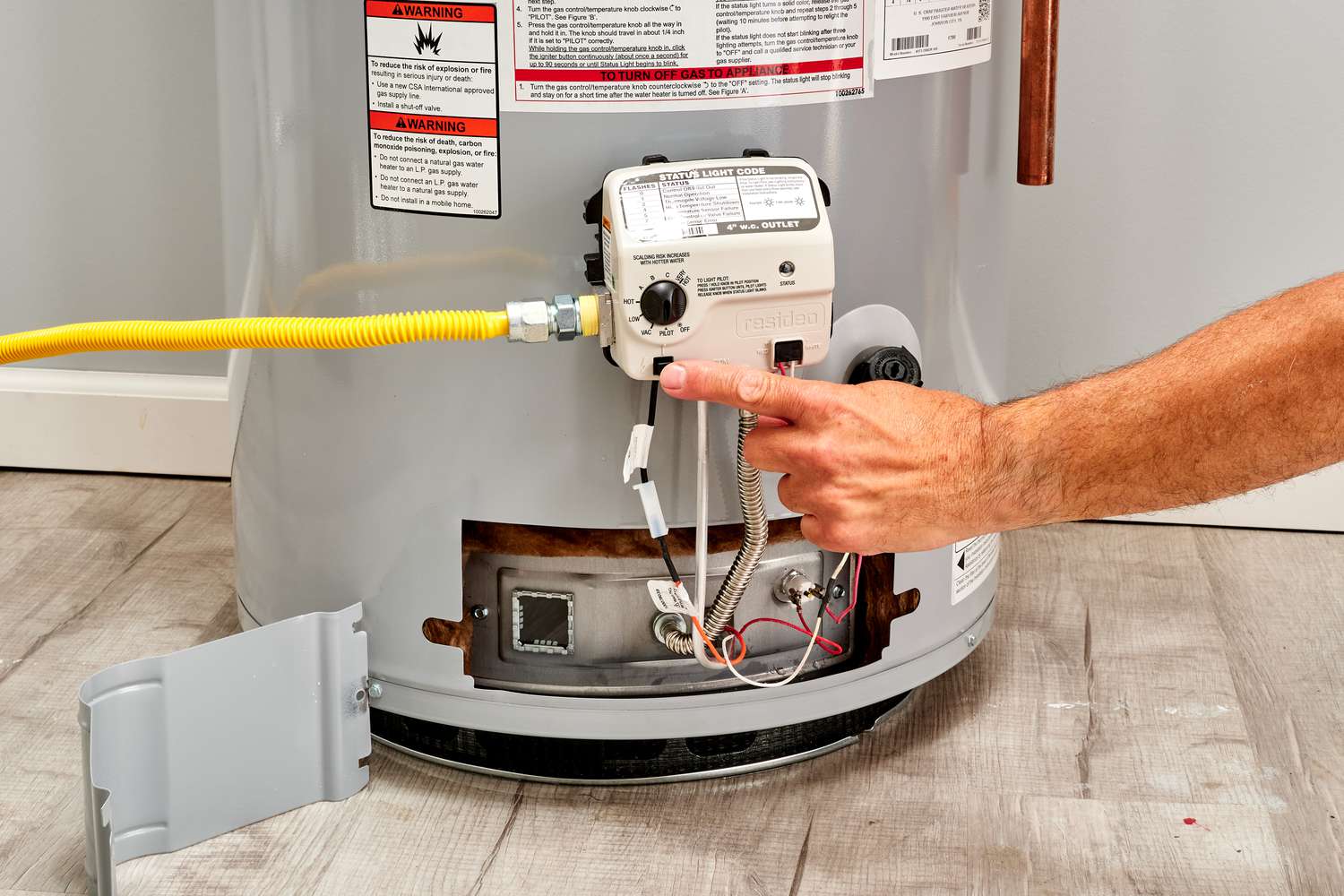
2 minsLocate the access panel on your water heater. This is typically at the bottom. Carefully remove the panel to access the pilot light and burner assembly. For older models, you may need to remove an outer cover first. Allow time for any residual gas to dissipate before proceeding.
Watch: Remove Access Panel

Light the Pilot Light
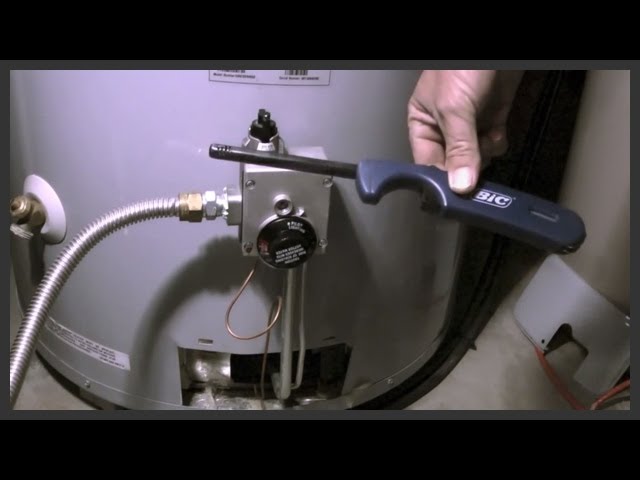
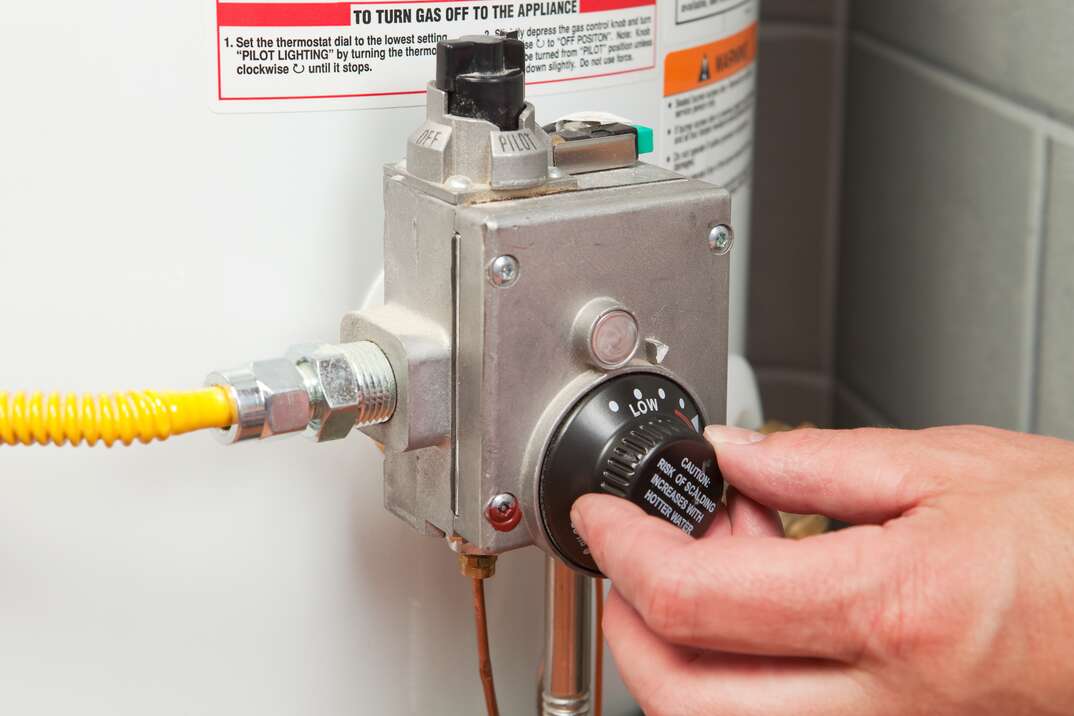
5 minsUse a long lighter or match to light the pilot. Press and hold the gas control knob while lighting the pilot. Continue holding for 30-60 seconds after ignition to allow the thermocouple to heat. If your model has an igniter button, press and hold it instead.
Watch: Hold Knob Down

Common Problems
If the pilot does not light after three attempts, do not continue. There may be another issue, such as the one addressed in the next steps.
Solution: To avoid this issue: Be mindful of this warning and take appropriate precautions.
If you smell gas after attempting to light the pilot, stop immediately and ventilate the area before trying again. If the smell persists, call a professional.
Solution: To avoid this issue: Be mindful of this warning and take appropriate precautions.
If you smell gas, turn the gas supply off immediately and ventilate the area before attempting to relight.
Solution: To avoid this issue: Be mindful of this warning and take appropriate precautions.
If you release the knob too soon, the pilot flame will go out, and you will need to repeat the ignition process.
Solution: To avoid this issue: Be mindful of this warning and take appropriate precautions.
Lost or damaged pilot light access panel.
Solution: Place the panel somewhere safe where it won't be stepped on or damaged.
If you smell gas, stop immediately, do not attempt to light the pilot, and contact a qualified technician. An accumulation of gas can cause an explosion.
Solution: To avoid this issue: Be mindful of this warning and take appropriate precautions.
Ensure the gas is completely shut off before starting disassembly.
Solution: To avoid this issue: Be mindful of this warning and take appropriate precautions.
Frequently Asked Questions
What are the crucial safety steps to take before and during relighting the pilot light?
Always ensure there's no smell of gas before you begin. If you smell gas, immediately turn off the main gas supply, ventilate the area thoroughly, and do not attempt to light anything; call a professional. Always work in a well-ventilated area.
My pilot light won't stay lit after I release the gas control knob. What should I do?
This often indicates a problem with the thermocouple, which is a safety device that senses the pilot flame. Try holding the gas control knob in for a full 60 seconds (or even 90 seconds) after lighting to ensure the thermocouple heats sufficiently. If it still won't stay lit, the thermocouple may be dirty or faulty and might need cleaning or replacement by a professional.
Do I need the exact "Scripto Aim-n-Flame Max Flex Utility Lighter" or will any long lighter work?
While the specific Scripto model is recommended for its flexibility and length, any long-nosed utility lighter designed for fireplaces or grills will work, as long as it allows you to safely reach the pilot light without getting too close to the flame. Avoid using short matches or standard lighters, as they pose a burn risk.
I'm having trouble locating the access panel or the pilot light itself. Where are they usually found?
Most gas water heaters have an access panel located at the bottom front of the unit, covering the burner and pilot assembly. For older models, you might need to remove an outer metal cover first. If you're still unsure, consult your water heater's owner's manual for exact diagrams and instructions specific to your model.
Is this project truly beginner-friendly, and how long should I realistically expect it to take?
Yes, relighting a pilot light is generally considered a beginner-friendly DIY task that most homeowners can handle. With clear instructions, it typically takes about 15-30 minutes, including gathering tools and a few attempts if the pilot doesn't catch right away. The key is to follow safety precautions carefully.
What if the pilot light doesn't light at all when I try to ignite it?
First, ensure the gas control knob is firmly set to the 'Pilot' position and you're holding it down. Check that your lighter is producing a strong, consistent flame directed right at the pilot opening. If there's still no ignition, you might have a gas supply issue (e.g., main gas turned off, air in the line) or a blocked pilot tube, which may require professional assistance.