How to Safely Relight Your Gas Water Heater Pilot Light
About This Project
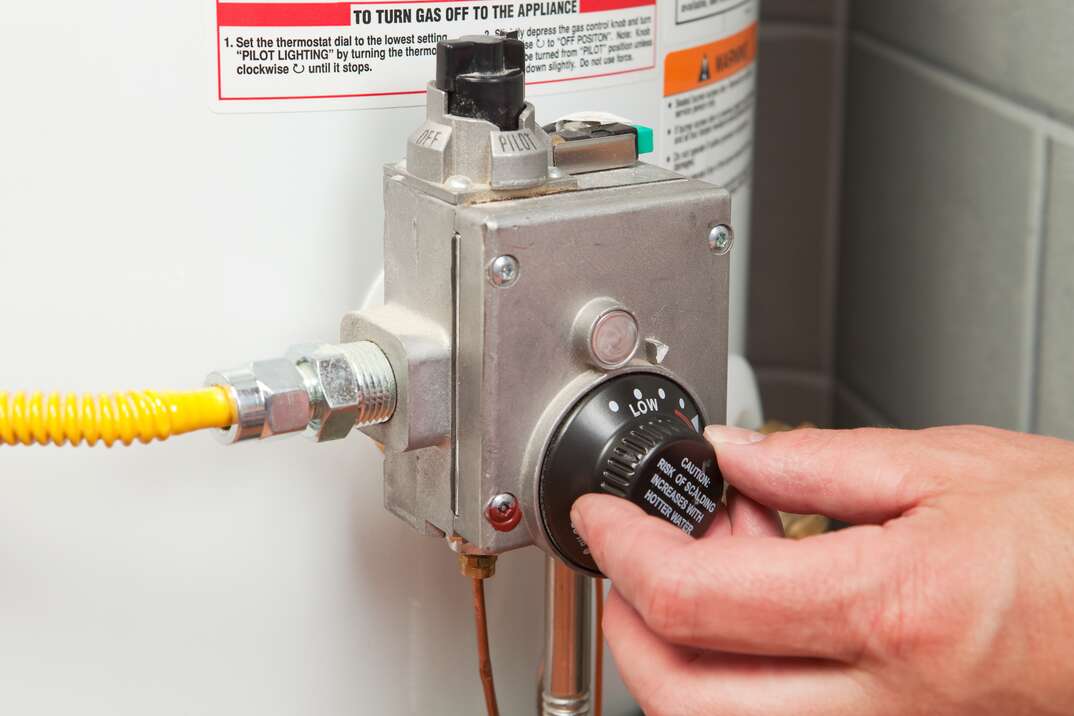
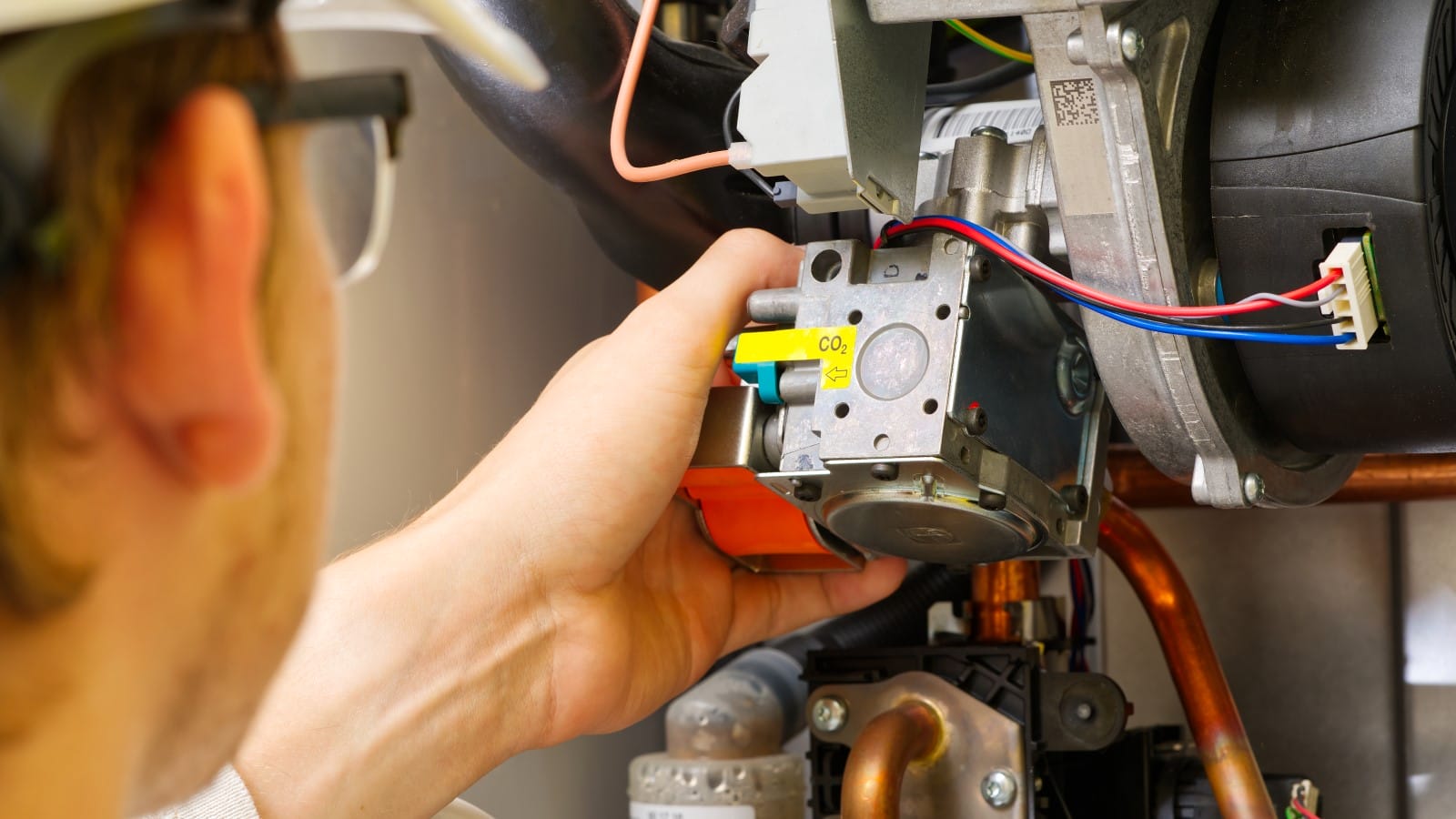
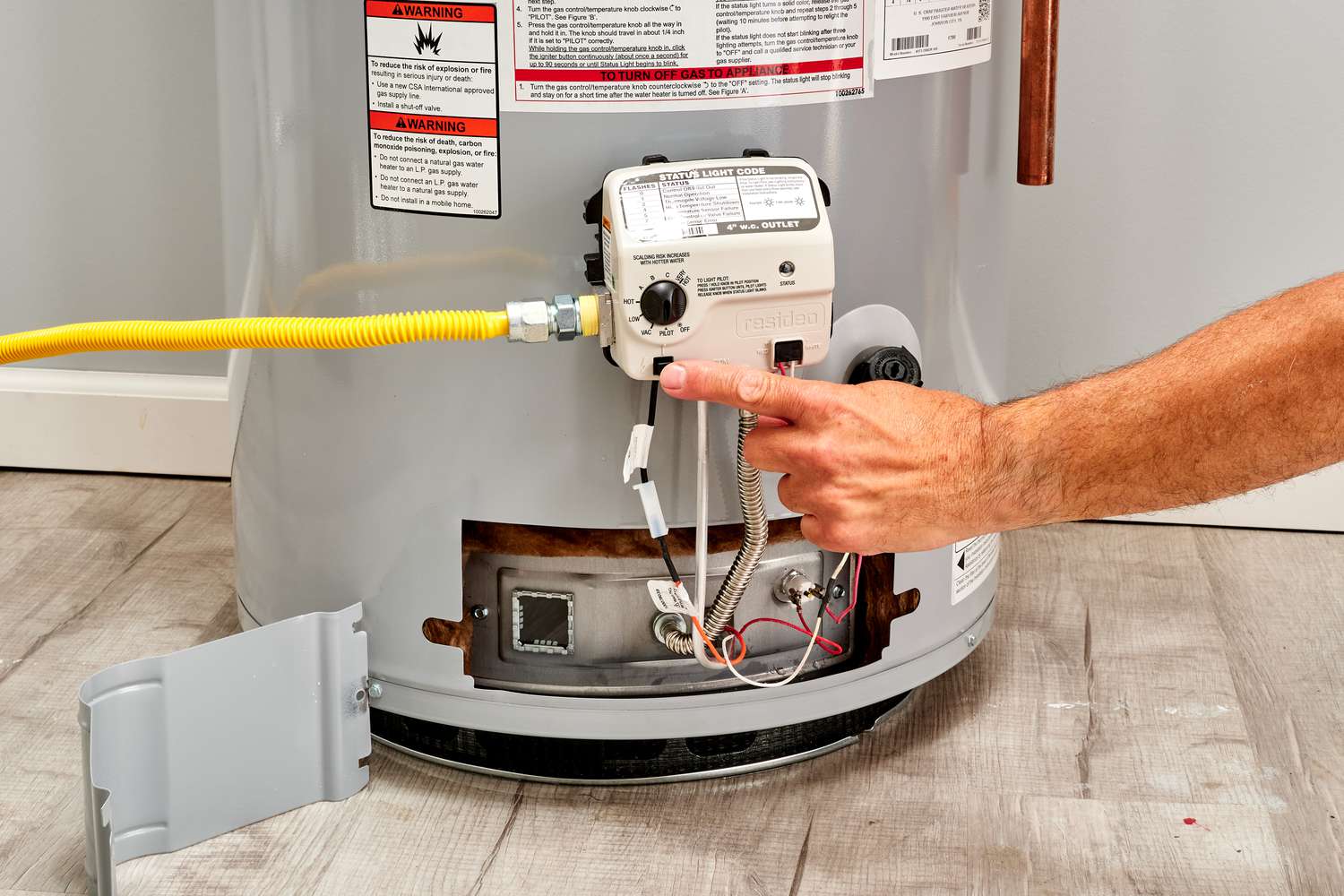
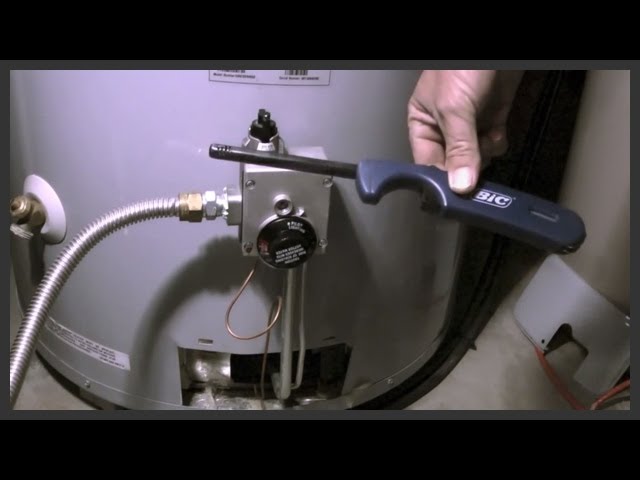
This project details how to safely relight the pilot light on a gas water heater. The steps include turning off the gas supply, waiting for gas to dissipate, accessing the pilot light assembly, turning the gas control knob to "Pilot", lighting the pilot, holding the control knob, releasing the knob and checking the pilot, replacing the access panel, and turning the gas back on. Safety precautions are emphasized throughout.
Best for homeowners and DIY enthusiasts.
Tools & Materials
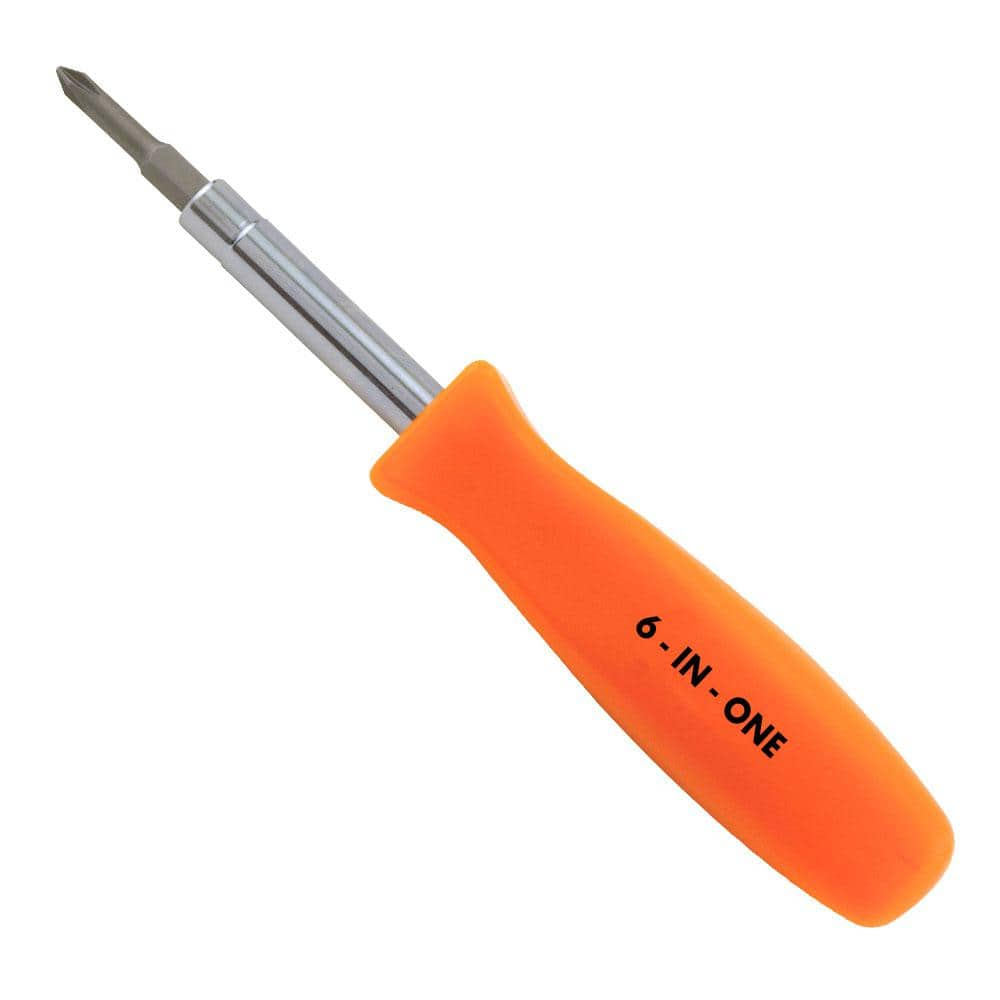
HDX 3-1/4 in. 6-in-1 Screwdriver 120SD12D
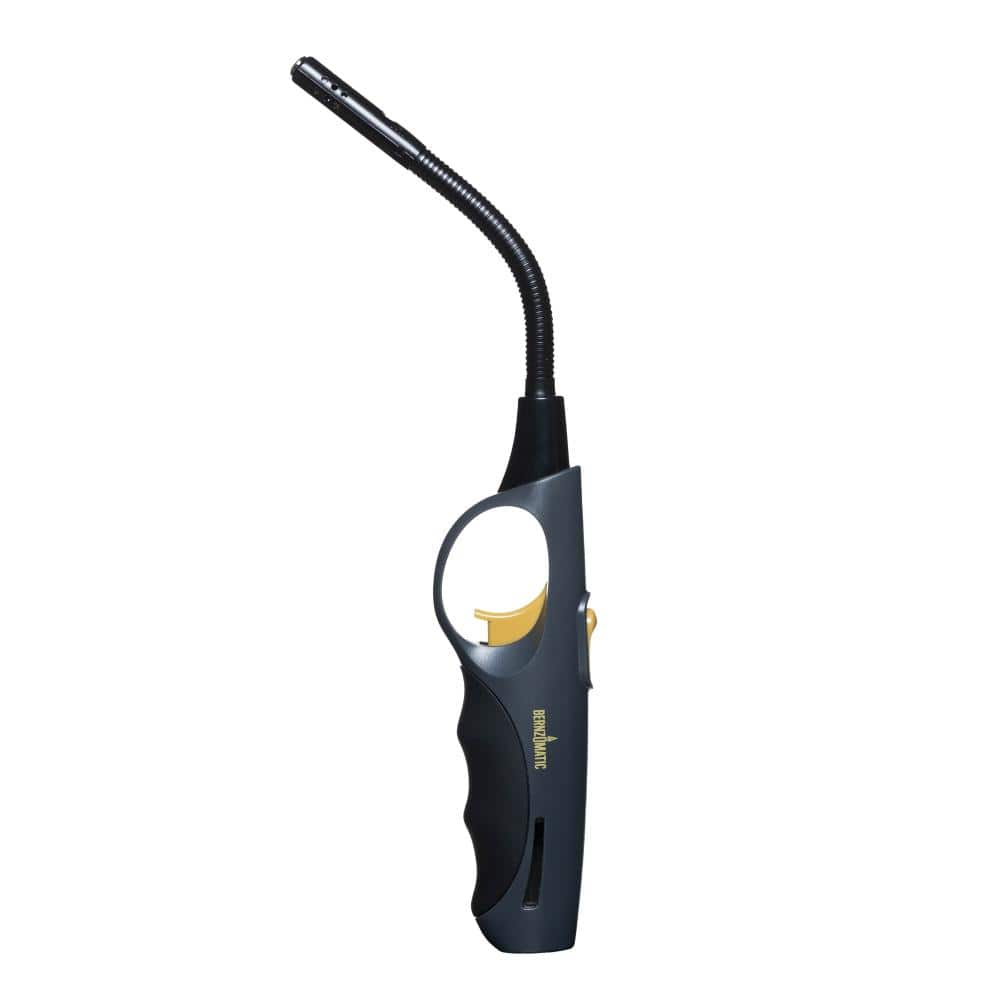
Bernzomatic Self-Igniting Flexible Butane Lighter LTR220
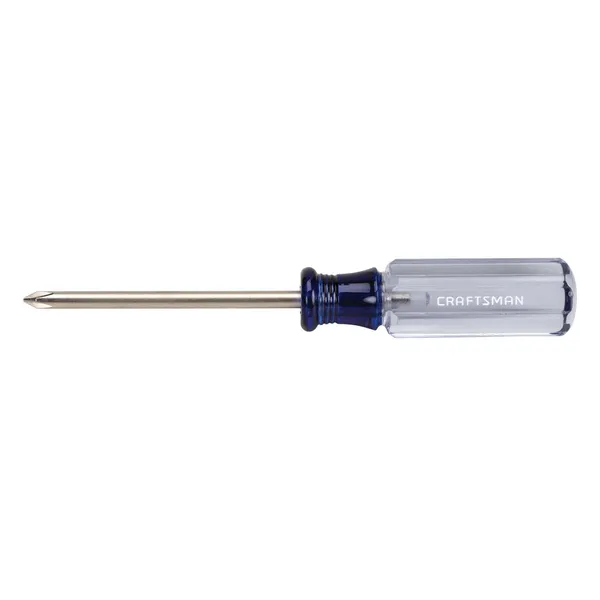
Phillips head screwdriver
HDX 3-1/4 in. 6-in-1 Screwdriver 120SD12D
The HDX 3-1/4 in. 6-in-1 Screwdriver features double-sided bits with the four most common screwdriver tip styles, including a #1 Phillips bit, a #2 Phillips bit, a 3/16 in. flathead bit and a 1/4 in. flathead bit. Both ends of the shaft can be used as 1/4 in. nut drivers when the bits are removed, offering convenient, versatile use. The high-visibility orange handle makes the handy tool easy to find on a job site or in a toolbox.
Bernzomatic Self-Igniting Flexible Butane Lighter LTR220
The Bernzomatic Flexible Butane Lighter is ideal for everyday household and general use including lighting candles, grills, lanterns, fireplaces and portable stoves. This lighter features a wind-proof
Phillips head screwdriver
This is a type of screwdriver that has a cross-shaped tip.
Steps


Common Problems
Pilot light won't ignite after a few clicks.
Solution: It may take several clicks of the igniter button to get the pilot to light.
Pilot light won't ignite or stays lit.
Solution: This step primes the pilot assembly with gas, making ignition easier.
Failure to shut off the gas supply can result in a dangerous gas leak, creating a fire and explosion hazard.
Solution: To avoid this issue: Be mindful of this warning and take appropriate precautions.
Ensure all power and gas are disconnected before proceeding to the next steps to prevent electrical shock or gas leaks.
Solution: To avoid this issue: Be mindful of this warning and take appropriate precautions.
Ensure you turn off both the gas line valve and the unit's control knob to completely secure the appliance.
Solution: To avoid this issue: Be mindful of this warning and take appropriate precautions.
This is a critical safety step. Always ensure gas and power are disconnected before proceeding.
Solution: To avoid this issue: Be mindful of this warning and take appropriate precautions.
Failure to turn off electricity can result in severe injury or death. Double-check that the power is off using a voltage tester if you are unsure.
Solution: To avoid this issue: Be mindful of this warning and take appropriate precautions.
Frequently Asked Questions
What should I do if I smell gas strongly before or during the relighting process?
This is a critical safety concern. If you smell gas, immediately stop, evacuate everyone from the house, and call your gas company's emergency line from outside. Do not attempt to relight the pilot, use any electrical switches, or operate anything that could create a spark.
Can I use a standard match or a short lighter instead of the recommended long flexible lighter?
While it might seem possible, it's highly recommended to use a long, flexible lighter like the Bernzomatic LTR220. This keeps your hands safely away from the burner area and any potential flare-ups, significantly reducing the risk of burns. Prioritize safety with the right tools.
My pilot light lights up, but goes out as soon as I release the gas control knob. What could be wrong?
This usually indicates a faulty thermocouple, which is a safety device that senses the pilot flame. Try holding the knob in longer (up to 60 seconds) to ensure the thermocouple heats sufficiently. If it still won't stay lit, the thermocouple likely needs replacement, which is a slightly more advanced DIY task or a job for a professional.
How long does this project typically take for a beginner, and is it truly considered 'beginner' difficulty?
For a true beginner, this project generally takes about 30-45 minutes, especially if you take your time with all the safety steps. It is considered beginner-friendly because it primarily involves following clear instructions and basic tool use, with the main challenge being careful adherence to safety protocols.
What's the most common mistake people make when trying to relight their water heater pilot light?
A very common mistake is not waiting long enough after turning the gas supply off for any residual gas to dissipate before attempting to light the pilot. Another is not holding the gas control knob down long enough after lighting for the thermocouple to properly heat and hold the flame.
When should I consider calling a professional plumber or HVAC technician instead of attempting to relight the pilot myself?
Always call a professional if you repeatedly smell gas, if the pilot won't stay lit after multiple attempts and you suspect a deeper issue than the thermocouple, or if you're uncomfortable at any point during the process. If your water heater is old, frequently goes out, or shows signs of leaks or damage, professional inspection is also advised.