How to Scribe and Cut a Stair Skirt Board to Fit
About This Project
Outline for scribing and cutting a stair skirt board to achieve a snug fit against the wall and risers.
Tools & Materials
Measuring Tape
Pencil

FrontLine 36 in. x 36 in. Octagon Black 4-9/16 in. Jamb Geometric Aluminum Clad Wood Window 3636OC4CLIGBK

Bullet Tools Stair Step Scribe 2 Stair Installation Template for Easy Floor Installs BT91-0048

Veranda 3/4 in. x 11-1/4 in. x 8 ft. High Performance White Cellular PVC Trim Board H190WWS2
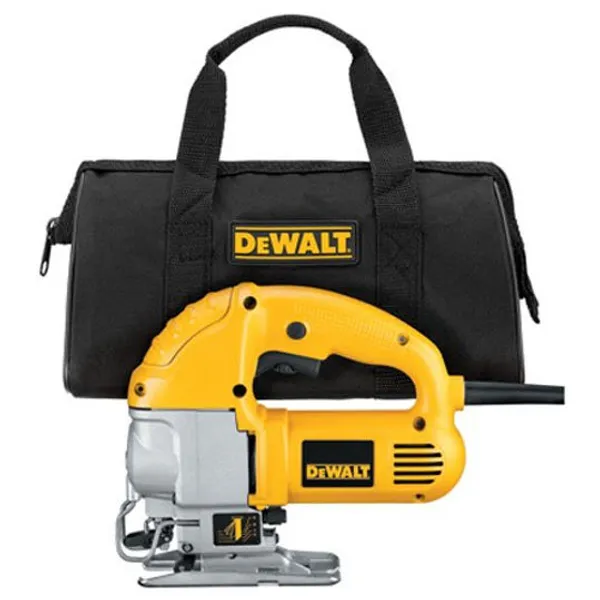
Jig Saw
Measuring Tape
For accurate measurements of plywood and components, ensuring proper assembly.
Pencil
Marks and draws with ease.
FrontLine 36 in. x 36 in. Octagon Black 4-9/16 in. Jamb Geometric Aluminum Clad Wood Window 3636OC4CLIGBK
FrontLine Bldg. Products windows can make a signature statement in your home adding drama and beauty to any house inside and out. Advanced engineering and the highest quality construction makes these octagon windows extremely durable and beautiful. Energy efficient insulated glass combined with maintenance free clad exterior and the flexibility of wood interior make these a hit.
Bullet Tools Stair Step Scribe 2 Stair Installation Template for Easy Floor Installs BT91-0048
The Stair Step Scribe saves time and money by taking the guesswork out of uneven stair treads. Just line up the fully adjustable arms against a stair's edges for the perfect measurement to transfer to
Veranda 3/4 in. x 11-1/4 in. x 8 ft. High Performance White Cellular PVC Trim Board H190WWS2
The 96 in. Veranda HP cellular PVC trim is a durable alternative to wood siding. It is engineered to resist expansion and contraction and has a hard surface that protects against dents and weather damage.
Jig Saw
Necessary for cutting and shaping plywood, particularly for the flip-top table.
Steps

Measure and Mark Riser Heights
15 minutesUsing a tape measure, carefully measure the vertical distance from the nosing of each tread to the corresponding point on the wall. Mark these heights clearly on the wall. These marks will serve as critical reference points for transferring the stair profile to the skirt board.
Watch: Understand Stair DimensionsTransfer Stair Profile to Skirt Board
45 minutesHold a long framing square or a specialized stair scribing tool against the wall and the first riser. Align one edge of the square with the wall and the other with the riser. Slide the square down until its corner meets the pencil mark for the riser height. Use a pencil to trace the profile of the stair onto the skirt board material. Repeat this process for each stair tread and riser.
Watch: Layout Skirt Board Profile
Dry Fit and Adjust
20 minutesHold the cut skirt board in place against the stairs and wall. Check for any gaps or areas where the board is binding. If necessary, use a block plane or sandpaper to make minor adjustments to the edges for a perfect fit against the wall and risers.
Watch: Test Fit and Adjust Skirt Board (Method 1)
Install the Skirt Board
25 minutesApply wood glue to the back of the skirt board where it will contact the wall and risers. Position the skirt board in place and secure it by driving finish nails or screws through the skirt board into the wall studs and the stair stringer. Ensure the fasteners are countersunk slightly below the surface.
Watch: Secure SkirtboardFrequently Asked Questions
What specific tools are essential for accurately scribing a stair skirt board?
The Bullet Tools Stair Step Scribe 2 is crucial for transferring the exact stair profile to your skirt board, ensuring a snug fit. A good quality pencil for marking and a reliable measuring tape are also indispensable for precise measurements. For cutting, a jigsaw will be your primary tool for intricate angles.
Is this project truly beginner-friendly, and can it be completed within the estimated 4 hours?
While rated beginner, patience and precision are key. The scribing and cutting steps require careful attention, and mistakes can be costly. For a first-timer, 4 hours might be tight, especially if you need to troubleshoot or make small adjustments. Allow for extra time, particularly for dry fitting and fine-tuning cuts.
What's the biggest mistake beginners make when cutting the skirt board, and how can it be avoided?
The most common mistake is cutting too much material, as you can't add it back. Always cut slightly outside your scribe line and then use a block plane or sandpaper to slowly shave down to the line for a perfect fit. Remember the adage, "Measure twice, cut once," and apply it rigorously to this project.
Can I use materials other than cellular PVC for the skirt board, and what are the pros and cons?
Yes, solid wood (like pine or oak) or MDF are common alternatives. Cellular PVC, like the Veranda trim suggested, offers excellent moisture resistance and stability, making it good for varying humidity. Wood can be stained to match existing trim but may be more prone to warping or shrinking if not properly acclimated before installation.
What safety precautions should I take when working on this project, especially with cutting tools?
Always wear safety glasses when operating power tools like the jigsaw to protect your eyes from flying debris. Use clamps to secure the skirt board firmly to a stable workbench before cutting to prevent it from shifting unexpectedly. Keep your hands clear of the blade's path and ensure good ventilation if using adhesives like wood glue or epoxy.
My skirt board doesn't fit perfectly after cutting; what are my options for adjustment?
For small gaps or high spots, a block plane or sandpaper can be used to carefully shave down the skirt board until it achieves a snug fit. For very minor imperfections or to fill tiny gaps, wood filler or paintable caulk can be applied before finishing. The goal is to get the tightest mechanical fit possible before relying on fillers.
How critical is the dedicated stair scribe tool (Bullet Tools Stair Step Scribe) for success? Can I use a compass or other method instead?
The Bullet Tools Stair Step Scribe simplifies transferring the complex stair profile, making the project significantly easier and more accurate for beginners. While a compass can be used for scribing, it requires more skill and may not be as precise for varying tread depths and riser heights, potentially leading to a less professional finish. Investing in the specialized tool is highly recommended for best results.