Fix a Toilet That Won't Flush: Troubleshooting Guide
About This Project
This project outlines how to fix a toilet that won't flush. It includes three main steps. First, you need to check the water level in the toilet tank to ensure it's about an inch below the overflow tube. If the level is low, adjust the fill valve. Second, inspect the chain connecting the trip lever to the flapper. There should be some slack, but the chain shouldn't be too loose. Adjust as necessary. If it's damaged, replace the chain. Third, if the toilet flapper is damaged, buy a new one and install it, ensuring a snug fit and tight seal.
Best for homeowners and DIY enthusiasts.
Tools & Materials
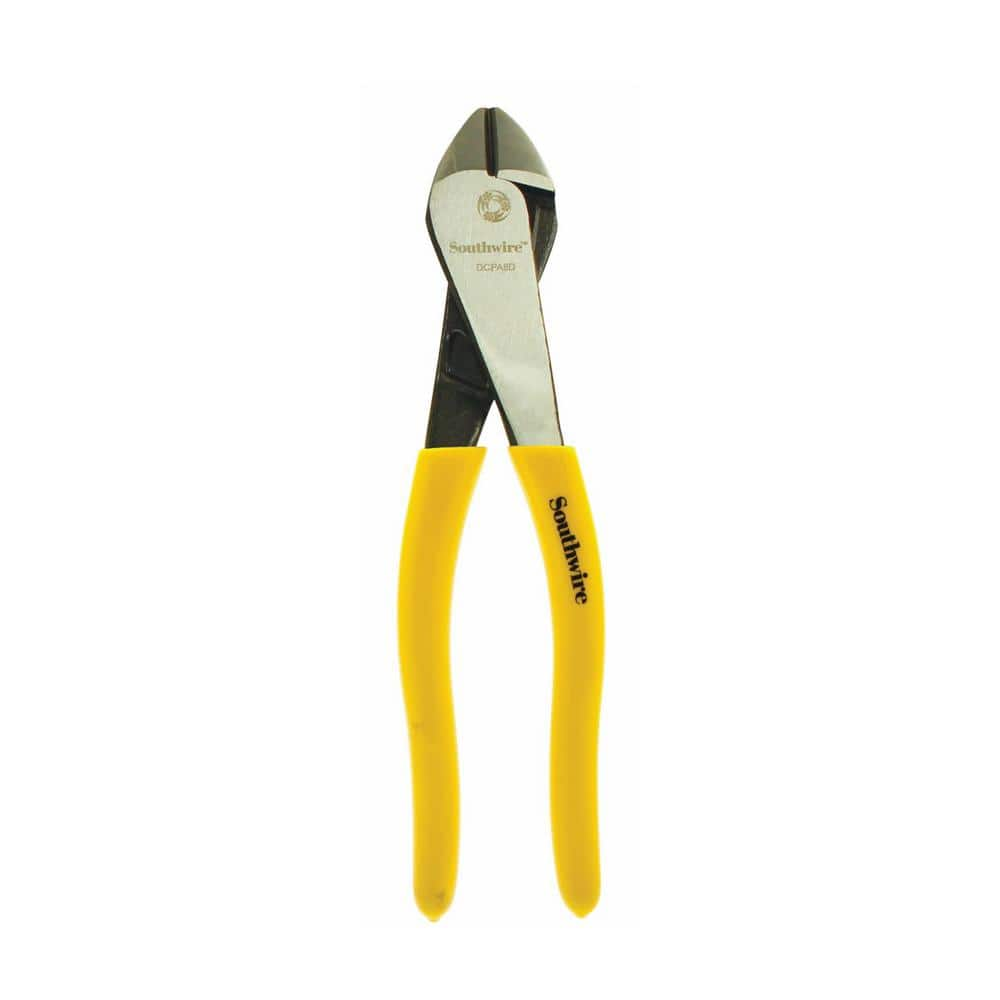
Southwire 8 in. Angled Head High-Leverage Diagonal Cutting Pliers with Dipped Handles 58289540
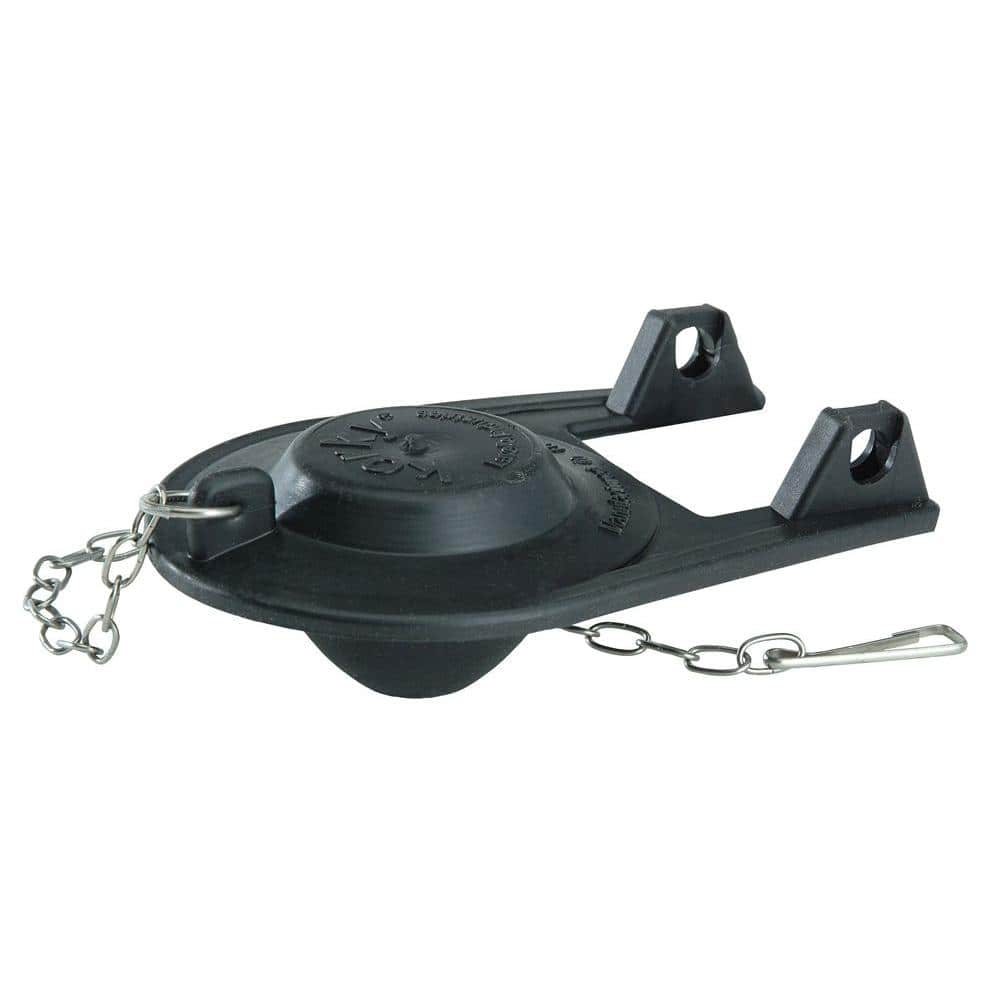
Korky 2 in. Toilet Tank Flapper 54BP
Southwire 8 in. Angled Head High-Leverage Diagonal Cutting Pliers with Dipped Handles 58289540
Made from drop forged steel, these 8 in. angled head diagonal cutting pliers come with plastic dipped handle. The high-leverage, hot-riveted pivot joint ensures smooth action and no handle wobble. The
Korky 2 in. Toilet Tank Flapper 54BP
The Korky standard 2 inch Toilet Tank Flapper features rubber construction. The flapper is universal and fits standard 2 inch plastic flush valves. The preferred flapper brand of plumbing pros since 1954.
Steps
Check the Toilet Tank Water Level
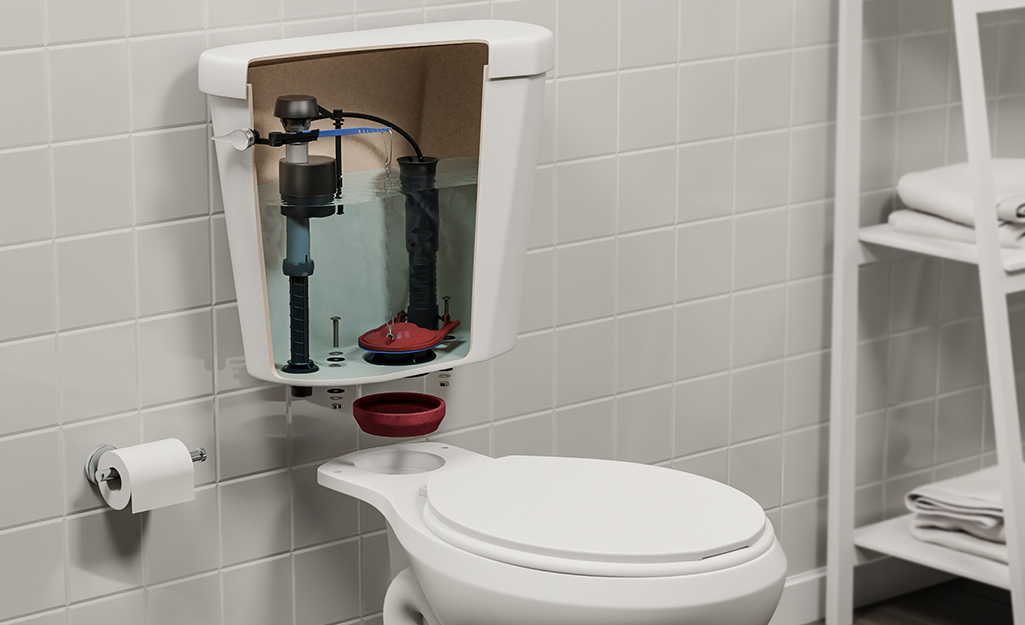
15 minsBegin by assessing the water level in your toilet tank. The water should be about an inch below the top of the overflow tube. If the water is too low, you'll need to adjust the fill valve. This ensures sufficient water pressure for a complete flush.
Watch: Restore Water and Adjust Level
Inspect and Adjust the Trip Chain/Lever
15 minsCarefully examine the chain connecting the trip lever to the flapper. Ensure the chain has a bit of slack but isn't too loose. If it's too long or short, adjust its length using the chain's adjusting clips. If the chain is damaged, consider replacing it.
Watch: Attach and Adjust the Chain
Replace the Worn Toilet Flapper
30 minsIf your toilet flapper is cracked, worn, or doesn't create a tight seal, it needs replacement. Purchase a new flapper (they are inexpensive and readily available at most home improvement stores). Install the new flapper, ensuring it fits snugly and creates a complete seal.
Watch: Inspect and Clean/Replace FlapperCommon Problems
Safety concern: Turn off the water supply to the toilet before starting any repairs.
Solution: Take proper safety precautions. Turn off the water supply to the toilet before starting any repairs.
Prevention: Always follow safety guidelines before starting the project.
Toilet runs constantly or flushes weakly due to incorrect chain tension.
Solution: If the chain is too tight, the flapper won't seal and water will run continuously. If it's too loose, the toilet won't flush completely.
Incorrect chain length prevents proper handle arm engagement, leading to a non-flushing toilet.
Solution: It's better to attach the clip to the handle arm first, then determine the correct chain length.
If the chain is too tight, the flapper won't seal, and the toilet's fill valve will run continuously.
Solution: To avoid this issue: Be mindful of this warning and take appropriate precautions.
Ensure the water supply is turned off and the tank is empty before attempting to remove or replace the flapper.
Solution: To avoid this issue: Be mindful of this warning and take appropriate precautions.
If you feel any nicks or significant roughness, the entire flush valve may need to be replaced, as a new flapper will not be able to create a proper seal.
Solution: To avoid this issue: Be mindful of this warning and take appropriate precautions.
Toilet leaks and a weak flush occur due to worn-out flappers.
Solution: Routinely replace the flapper or seal every three to five years to prevent leaks.
Frequently Asked Questions
How difficult is it to fix a toilet that won't flush, and how long does it usually take?
This is typically a beginner-level DIY repair, making it very accessible. Most issues, like adjusting the chain or water level, can be fixed in 10-20 minutes. Replacing a flapper might take slightly longer, around 30 minutes, especially for first-timers, but is still straightforward.
What essential tools do I need for this toilet repair, beyond the cutting pliers mentioned?
Besides the Angled Head Diagonal Cutting Pliers for chain adjustment or replacement, you'll primarily need a good pair of waterproof gloves for hygiene. A sponge or old towel can be useful for drying the tank if you replace the flapper, and a bucket might be handy to catch any remaining water.
Are there any important safety precautions I should take before starting this repair?
Always turn off the water supply valve behind the toilet before working inside the tank to prevent accidental overflows. Wear gloves to maintain hygiene, as toilet tanks can harbor bacteria. Avoid using harsh chemicals to clean inside the tank, as they can damage components.
I've adjusted the chain, and the water level is correct, but my toilet still flushes poorly or runs constantly. What else could be wrong?
If the chain and water level are correctly adjusted, the issue is likely with the flapper itself. Even if it doesn't look visibly damaged, an old, stiff, or ill-fitting flapper can cause leaks and poor flushing. Replace the flapper to ensure a tight seal and proper water release for optimal function.
How can I tell if my toilet flapper is damaged or worn out, necessitating a replacement?
A worn flapper often looks warped, cracked, or feels stiff and less pliable than a new one. You might also notice a 'ghost flush' (toilet flushes on its own) or hear the toilet 'running' intermittently, indicating it's not sealing properly. A simple dye test (adding food coloring to the tank and checking for color in the bowl after 15-30 minutes without flushing) can confirm a leak.
What if none of the three outlined steps (water level, chain, flapper) fix my flushing problem?
If these common fixes don't resolve the issue, you might have a problem with the fill valve itself, which controls water entry, or a blockage in the toilet's siphon jet or trap. For fill valve replacement or clog removal, you might need additional tools or consider calling a plumber if you're uncomfortable with further diagnostics.