Delta Shower Faucet Valve & Handle Replacement: A Step-by-Step Guide
About This Project
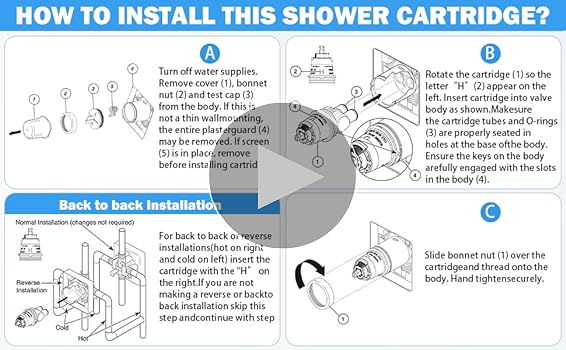
1. **Shut Off the Water:** Turn off the water supply to the shower using the shut-off valves, usually located near the shower or on the main water line. 2. **Remove the Handle:** Take off the shower handle. This usually involves removing a screw cover (if present), then unscrewing the handle screw with a Phillips head or Allen wrench, and pulling the handle off. 3. **Remove the Trim/Escutcheon:** Remove the escutcheon plate (the decorative cover around the valve) by unscrewing it or gently prying it off. 4. **Remove the Old Valve Cartridge:** Pull out the old valve cartridge with a cartridge puller tool or pliers. You might need to remove a retaining clip first. 5. **Install the New Valve Cartridge:** Insert the new valve cartridge into the valve body, making sure it's seated correctly and secure any retaining clips. 6. **Reinstall the Trim and Handle:** Put the escutcheon plate and handle back on, tightening the screws securely. 7. **Test for Leaks:** Turn the water supply back on slowly and check for any leaks around the valve and handle. Run the shower to check water flow and temperature.
Best for experienced DIYers and homeowners with some experience.
Tools & Materials
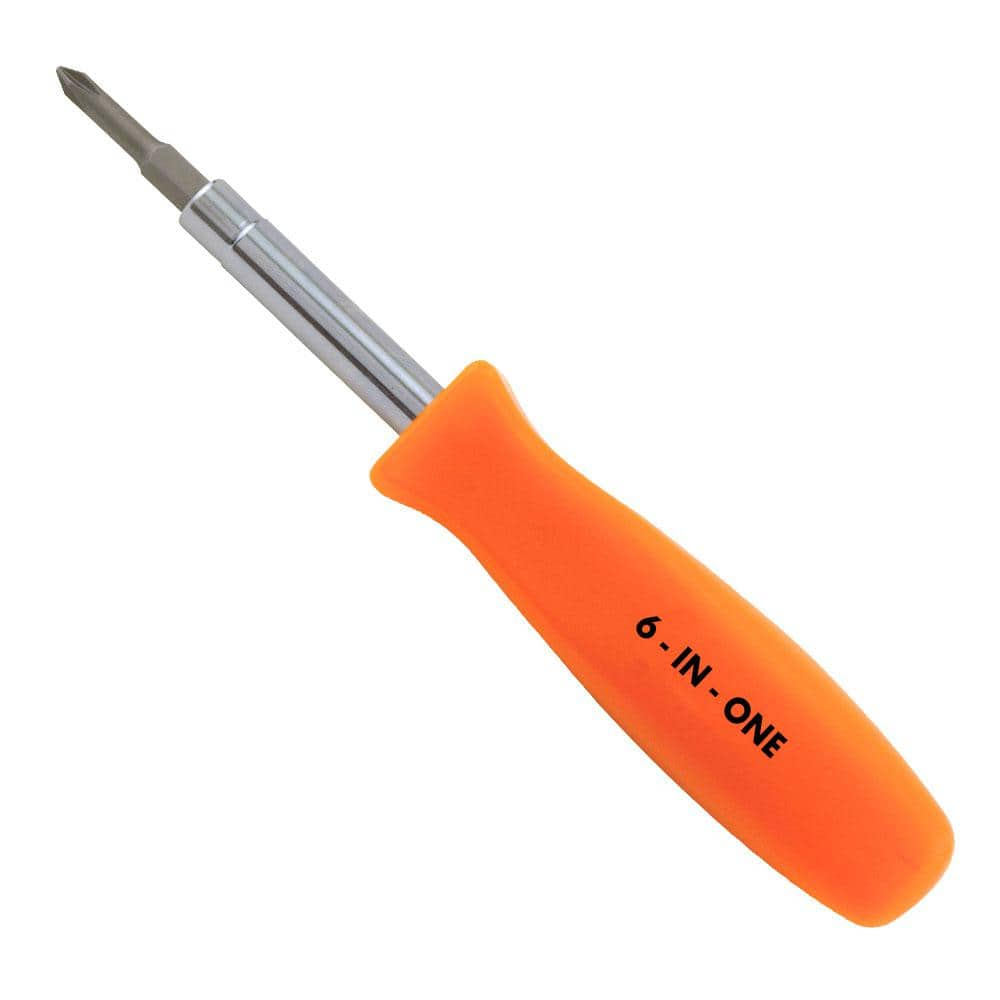
HDX 3-1/4 in. 6-in-1 Screwdriver 120SD12D
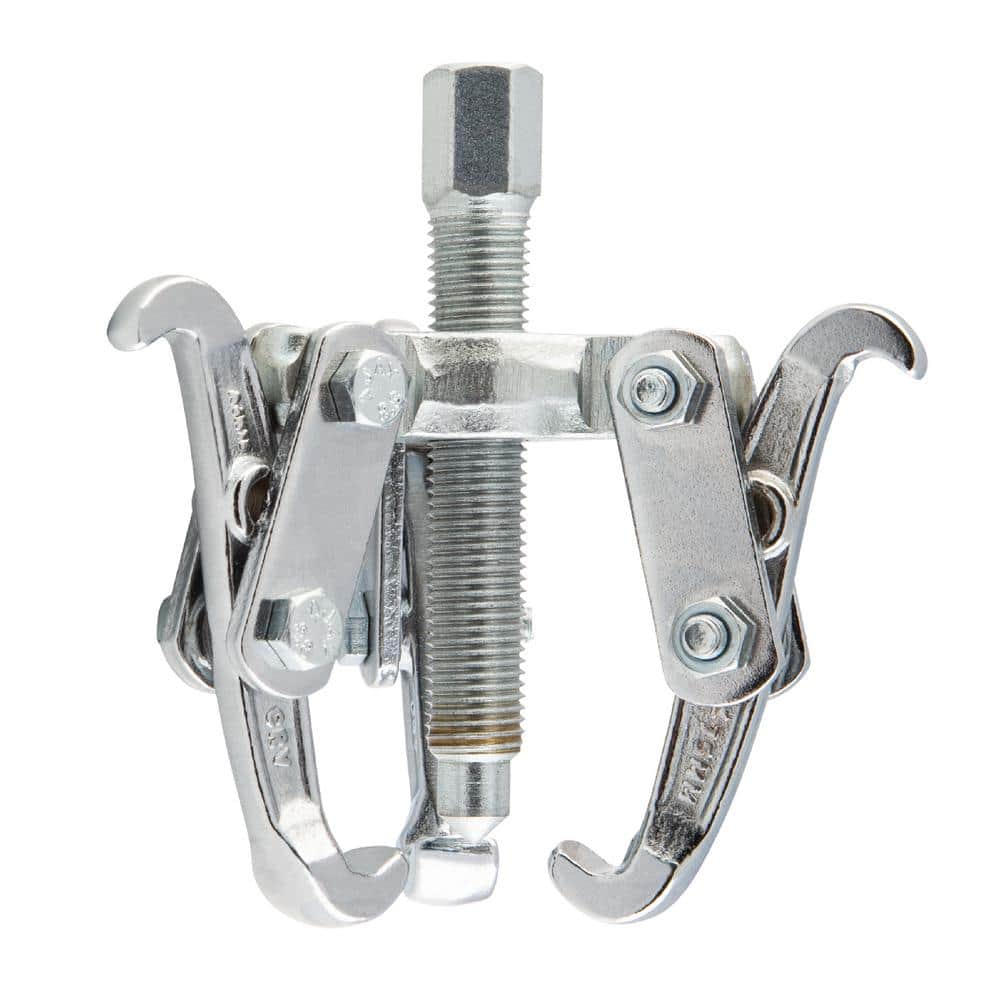
Arcan Hardened 3 in. Gear Puller AS3GP
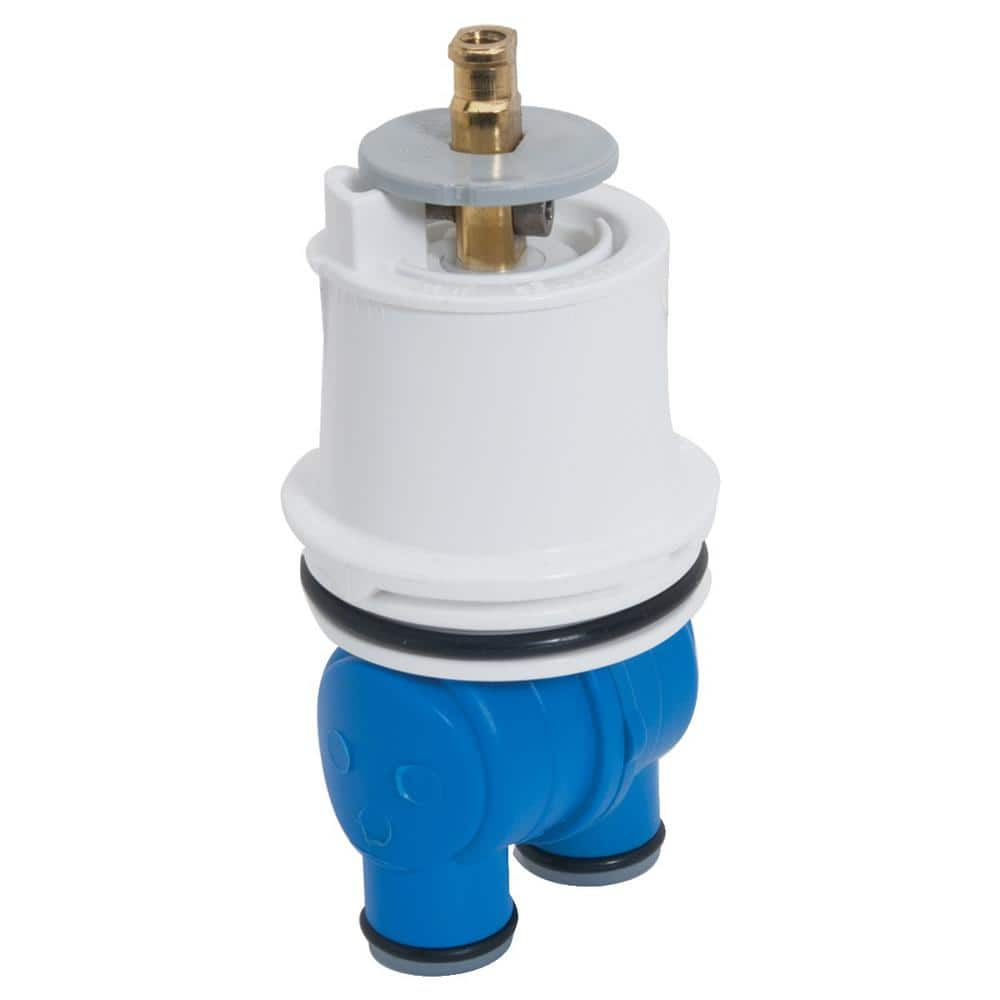
Delta Replacement Pressure Balance Cartridge for Tub and Shower Valves IB-133670
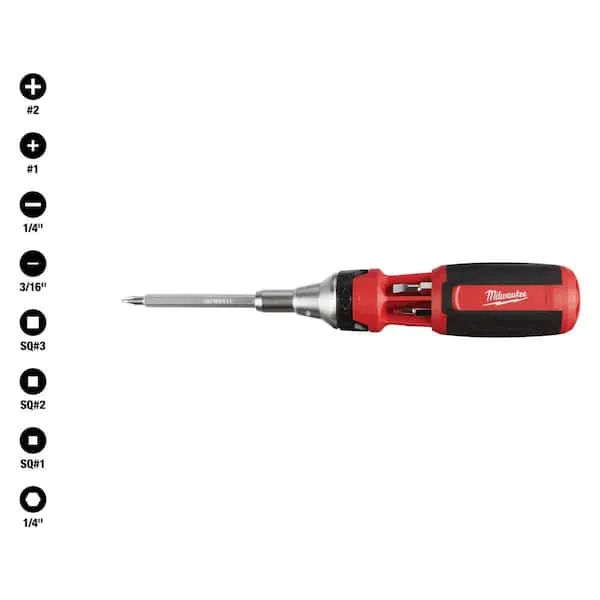
Screwdriver (Multi)
HDX 3-1/4 in. 6-in-1 Screwdriver 120SD12D
The HDX 3-1/4 in. 6-in-1 Screwdriver features double-sided bits with the four most common screwdriver tip styles, including a #1 Phillips bit, a #2 Phillips bit, a 3/16 in. flathead bit and a 1/4 in. flathead bit. Both ends of the shaft can be used as 1/4 in. nut drivers when the bits are removed, offering convenient, versatile use. The high-visibility orange handle makes the handy tool easy to find on a job site or in a toolbox.
Arcan Hardened 3 in. Gear Puller AS3GP
The Arcan AS3GP Hardened 3 in. Gear Puller has reversible jaws with 8-adjustable positions that allow for inside and outside grip. Made from heat treated chrome vanadium steel, these gear pullers have
Delta Replacement Pressure Balance Cartridge for Tub and Shower Valves IB-133670
Use Interline's cartridge for your repair project. Use for Monitor Pressure Balance 1300/1400 Series Faucets. Engineered to fit Delta OEM #RP19804. Suitable for DIYers and pros, alike. Use for single-lever
Screwdriver (Multi)
Multiple bits for versatile use.
Steps


Remove the Shower Faucet Handle
15 minsRemove the shower handle. For single-handle Delta faucets, this usually involves removing a screw cover, unscrewing the handle screw (using a Phillips head or Allen wrench, depending on your model), and carefully pulling off the handle. Refer to your Delta faucet's installation manual for specific instructions if needed. Keep all removed parts organized to aid reassembly.
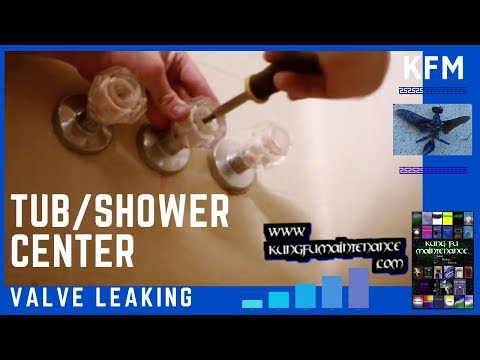
Watch: Remove handle

Remove the Old Valve Cartridge
20 minsRemove the old valve cartridge. Use a cartridge puller tool (recommended) or pliers to carefully grip and pull the cartridge out. Some cartridges may have a retaining clip that needs removal first. Be gentle to avoid damaging the valve body.
Watch: Extract the Old Cartridge
Common Problems
Stuck setscrew prevents handle removal.
Solution: If the setscrew is difficult to remove, try spraying it with penetrating oil.
Stripped screws prevent valve and handle removal.
Solution: Use a properly sized screwdriver to avoid stripping the screw.
Handle won't come off because you're trying to unscrew the wrong part.
Solution: The handle lever and the threaded collar are two separate parts; the collar is what needs to be unscrewed.
It can take many rotations to fully unscrew the collar, so be patient.
Solution: To avoid this issue: Be mindful of this warning and take appropriate precautions.
Be careful not to scratch the faucet finish when removing the handle. Use metric Allen wrenches if standard sizes don't fit.
Solution: To avoid this issue: Be mindful of this warning and take appropriate precautions.
Chrome sleeve and faceplate are stuck and difficult to remove.
Solution: The chrome sleeve and faceplate may be held on by old caulk. A utility knife or putty knife can be used to carefully break the seal if they are stuck.
Ensure all water has stopped flowing before proceeding to the next step.
Solution: To avoid this issue: Be mindful of this warning and take appropriate precautions.
Frequently Asked Questions
What if my old shower faucet cartridge is stuck and won't come out?
First, double-check that all retaining clips or nuts have been completely removed. If it's still stuck, try gently wiggling or rotating the cartridge with pliers or a cartridge puller to break its seal. A small amount of penetrating lubricant can help, but apply it carefully to avoid damage to the valve body or new seals.
I've turned off the water supply, but the shower still drips. What should I do before proceeding?
Ensure you've turned off the correct water supply valves, ideally both hot and cold lines leading to the shower, or the main house shut-off valve. If it continues to drip, your shut-off valves may be faulty and need repair or replacement themselves before you can safely work on the shower faucet.
Is this project genuinely suitable for beginners, and how long should I realistically expect it to take?
Yes, this project is considered beginner-friendly as it primarily involves basic disassembly and reassembly. While the estimated time is 3 hours, a careful beginner should allow a bit more time, especially if the cartridge is stubborn or if they need to locate the main water shut-off. Take your time and follow each step.
Do I need a specific Delta replacement cartridge, or will any universal cartridge work?
It is crucial to use a genuine Delta replacement cartridge or an exact aftermarket equivalent specifically designed for your Delta faucet model. Universal cartridges rarely fit perfectly and can lead to leaks, improper water flow, or difficulty controlling temperature. Always match the model number of your existing cartridge or faucet for the best results.
What if I don't have a specialized cartridge puller tool?
While a dedicated cartridge puller (often brand-specific) is recommended for ease and to prevent damage, some simpler cartridges can be removed with a pair of sturdy pliers or channel locks by gripping and gently twisting while pulling. However, be cautious not to damage the valve body, which would require a much larger repair.
How do I know if I need to replace the valve cartridge or if it's just a handle issue?
If you're experiencing constant dripping from the showerhead, difficulty achieving the desired water temperature, or issues with water pressure (and it's not a general house pressure problem), the valve cartridge is typically the culprit. A handle issue usually manifests as a loose handle that doesn't engage properly or turns freely without affecting water flow.