Unclog a Shower Drain: Quick Guide with Standing Water
About This Project
To unclog a shower drain with standing water, first remove the drain cover. Then, use a plunger to attempt to dislodge the clog. If plunging is unsuccessful, use a drain snake to break up and remove the clog.
Best for experienced DIYers and homeowners with some experience.
Tools & Materials
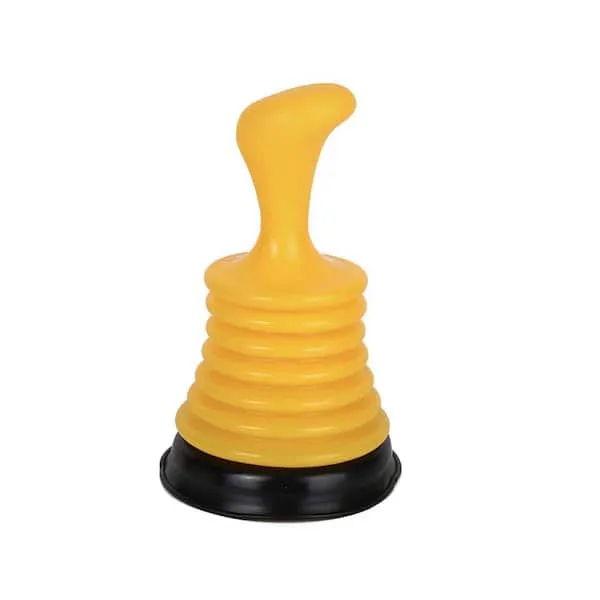
Plunger
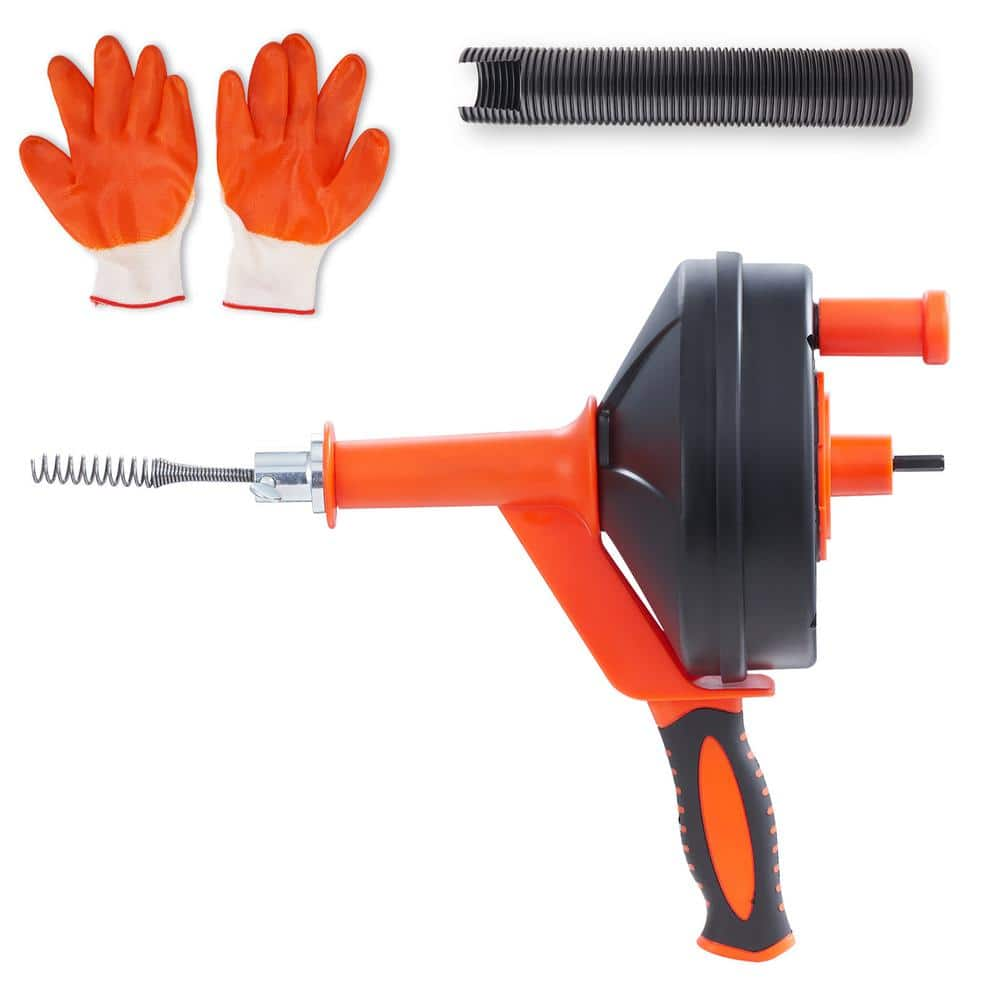
VEVOR Drain Auger 25 ft. Plumbing Snake with Drill Attachment Plumbers Snake Drain Clog Remover for Kitchen Shower Sink JXKSC25FT14INJ1BPV0-0612
Plunger
Clears blockages with a push.
VEVOR Drain Auger 25 ft. Plumbing Snake with Drill Attachment Plumbers Snake Drain Clog Remover for Kitchen Shower Sink JXKSC25FT14INJ1BPV0-0612
VEVOR Handheld Plumbing Snake Drain Auger offers strong cleaning and no harm to pipes. It features hand/electric dual use. with VEVOR hand or electric dual-use drain auger, you can solve all kinds of blockage problems and restore your plumbing's function.
Steps

Remove the Shower Drain Cover
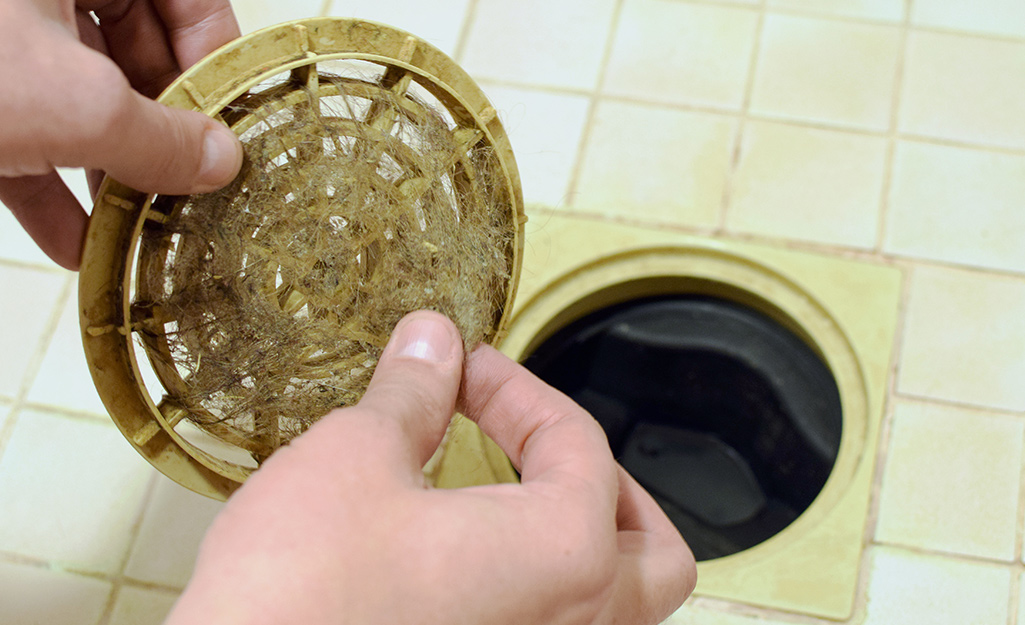
5 minsAccess the drain opening by carefully removing the drain cover. Push-in stoppers can be gently pried up; lift-and-turn stoppers require twisting and lifting; screw-in stoppers need unscrewing. If your shower lacks a stopper, proceed directly to the next step.
Watch: Remove the Drain Stopper

Employ a Drain Snake for Stubborn Clogs
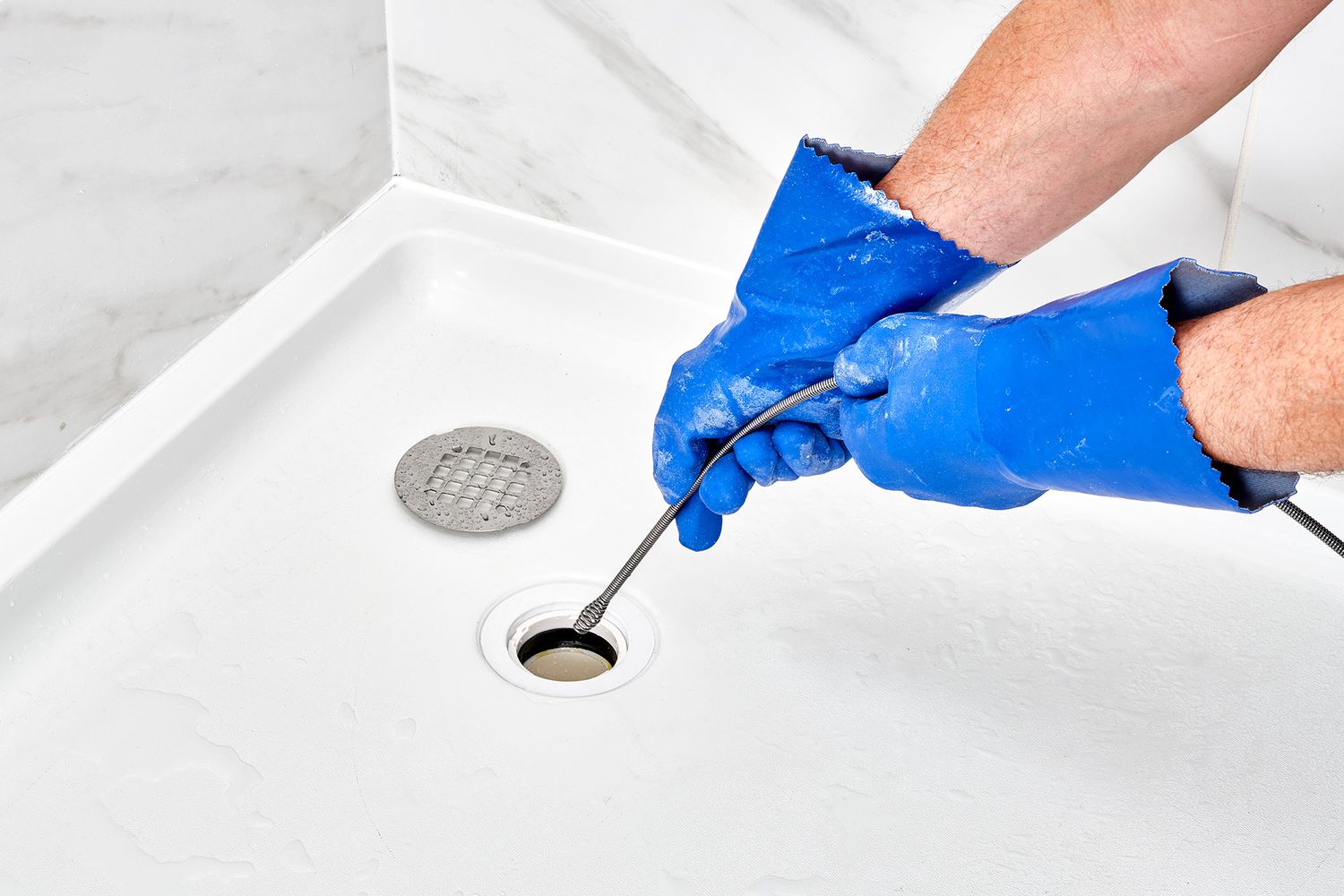
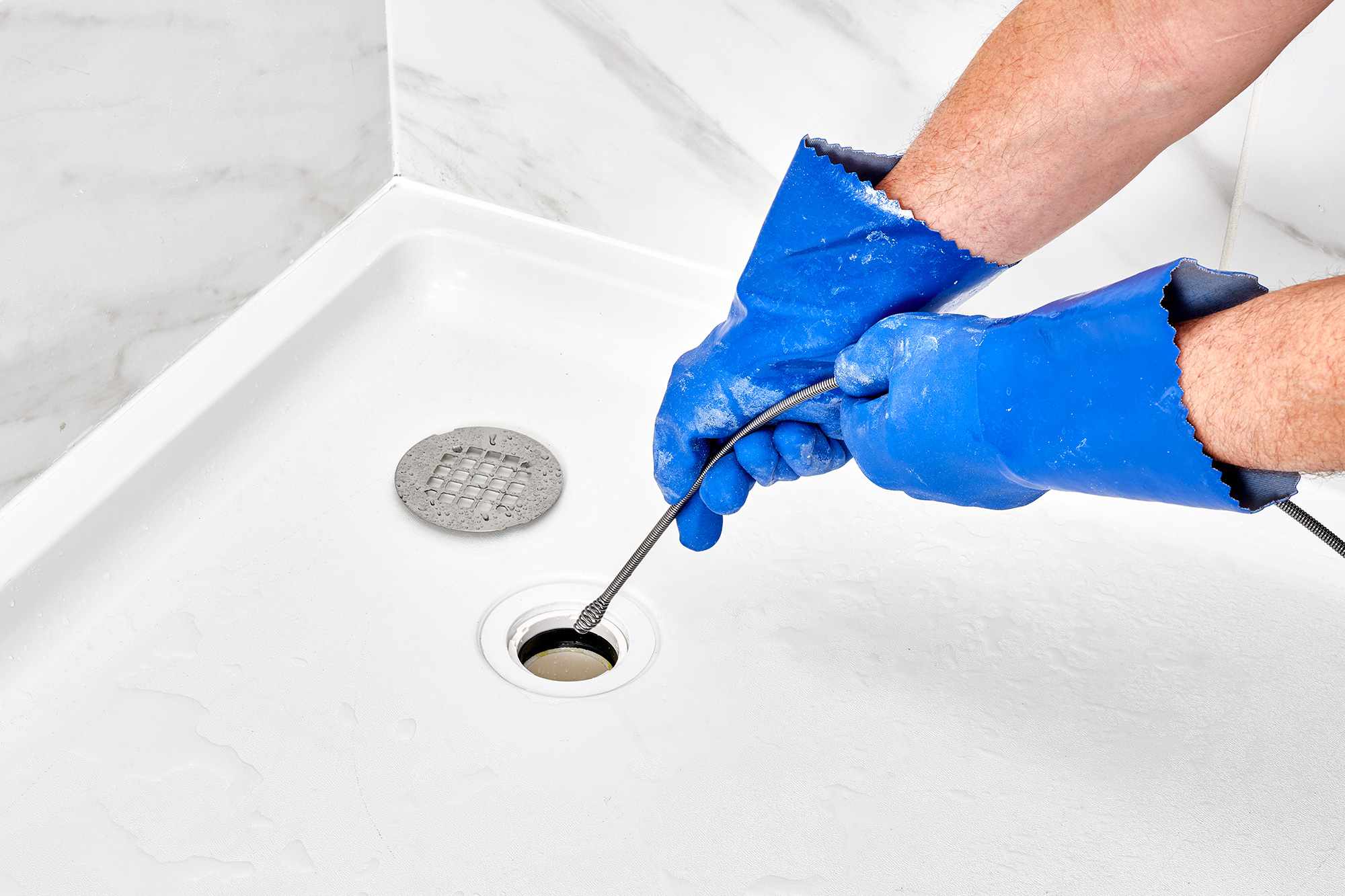
15 minsIf plunging fails, use a drain snake (plumber's snake or auger). Insert the snake into the drain opening, rotating it clockwise while gently pushing it down. The snake's hooks will catch and remove hair and debris.
Watch: Insert and rotate the drain snakeCommon Problems
Safety concern: Wear rubber gloves to protect your hands from bacteria and cleaning chemicals.
Solution: Take proper safety precautions. Wear rubber gloves to protect your hands from bacteria and cleaning chemicals.
Prevention: Always follow safety guidelines before starting the project.
Drain clog won't budge without standing water pressure.
Solution: The standing water in the sink is necessary as it helps create the pressure needed to dislodge the clog.
This method can cause splashing of dirty water, so proceed with caution.
Solution: To avoid this issue: Be mindful of this warning and take appropriate precautions.
Plunger doesn't work if it doesn't seal the drain.
Solution: A good seal is crucial for the plunger to be effective. Ensure the plunger cup completely covers the drain opening.
Plunging will likely cause splashing of contaminated water. Wear eye protection and old clothes.
Solution: To avoid this issue: Be mindful of this warning and take appropriate precautions.
Plunging is ineffective if the toilet bowl seal is poor.
Solution: Focus on creating a good seal around the hole at the bottom of the toilet bowl for the plunging to be effective.
Water splashes everywhere when trying to unclog the shower drain.
Solution: Start with gentle pushes and gradually increase force to avoid splashing.
Frequently Asked Questions
What type of plunger should I use for a shower drain, and is the specified VEVOR drain auger necessary?
For shower drains, a cup-style plunger (also known as a sink plunger) works best as it creates a good seal on flat surfaces. While the VEVOR auger is a solid recommendation, any flexible drain snake with a good hook or corkscrew end will generally be effective for most shower clogs.
What safety precautions should I take when trying to unclog a shower drain, especially with standing water?
Always wear sturdy rubber gloves to protect your hands from bacteria and grime. Eye protection is also advisable to guard against splashes during plunging or snaking. It's crucial to avoid using chemical drain cleaners, as they can cause serious burns and damage pipes.
I've plunged several times, but the water isn't going down. What am I doing wrong, or what should I try next?
Ensure you have a complete seal with the plunger; sometimes adding a little more water to fully submerge the plunger head helps. If there's an overflow plate in the shower/tub, cover it with a wet cloth to prevent air from escaping. If plunging fails, it's time to move on to the drain snake, as the clog is likely too deep or solid for just a plunger.
The project estimates 60 minutes. What if it takes much longer, or I can't get the clog cleared?
The 60-minute estimate is for typical clogs using the recommended tools. If you've diligently followed the steps for over an hour and the clog persists, it might indicate a more complex issue deeper in your plumbing. At this point, it's best to contact a professional plumber to avoid potentially causing further damage.
Is it safe to use chemical drain cleaners if plunging and snaking don't work, or for general maintenance?
We strongly advise against using chemical drain cleaners. They are often ineffective against tough clogs, can be corrosive to your pipes over time, and pose significant safety risks due to caustic ingredients. Furthermore, they can make a plumber's job more hazardous if they later need to work on the treated drain.
The guide mentions 'standing water.' Do I need to remove some of the water before starting, or can I plunge and snake directly into it?
You can generally plunge and snake directly into standing water. For plunging, the water actually helps create a better seal for maximum suction. However, if the water is very deep and obscures your view of the drain opening, removing a small amount with a cup might make it easier to position your tools.
What are the common signs that a shower drain clog is forming, and how can I prevent it?
Common signs include water draining slowly, standing water after showering, or gurgling sounds from the drain. To prevent clogs, install a hair catcher over the drain, regularly clean out any hair or soap scum from the drain cover, and avoid pouring grease or coffee grounds down any drains in your home.