How to Clear a Clogged Shower Drain with Standing Water
About This Project
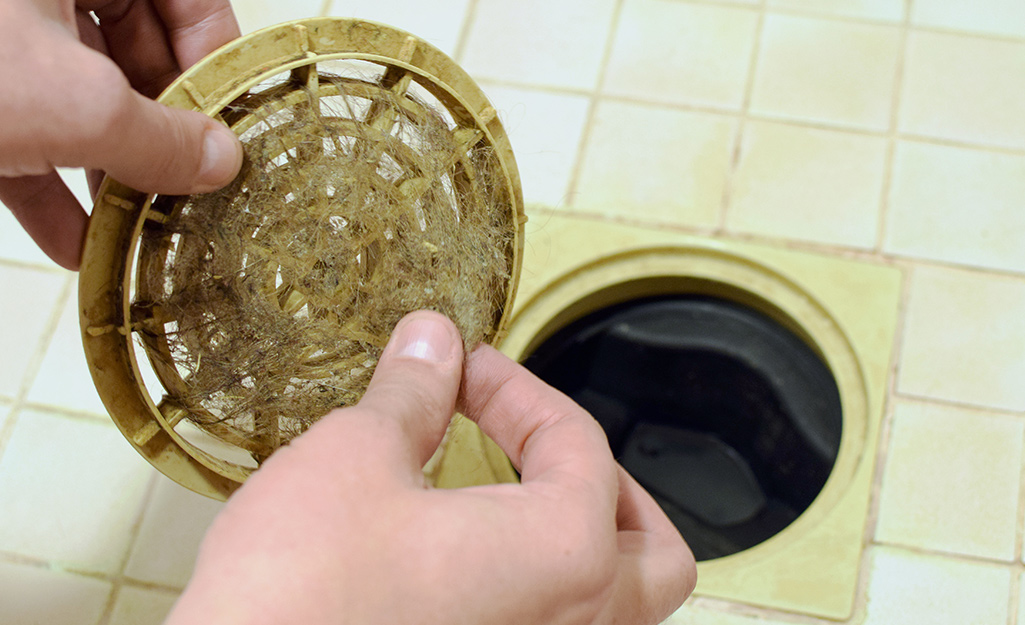
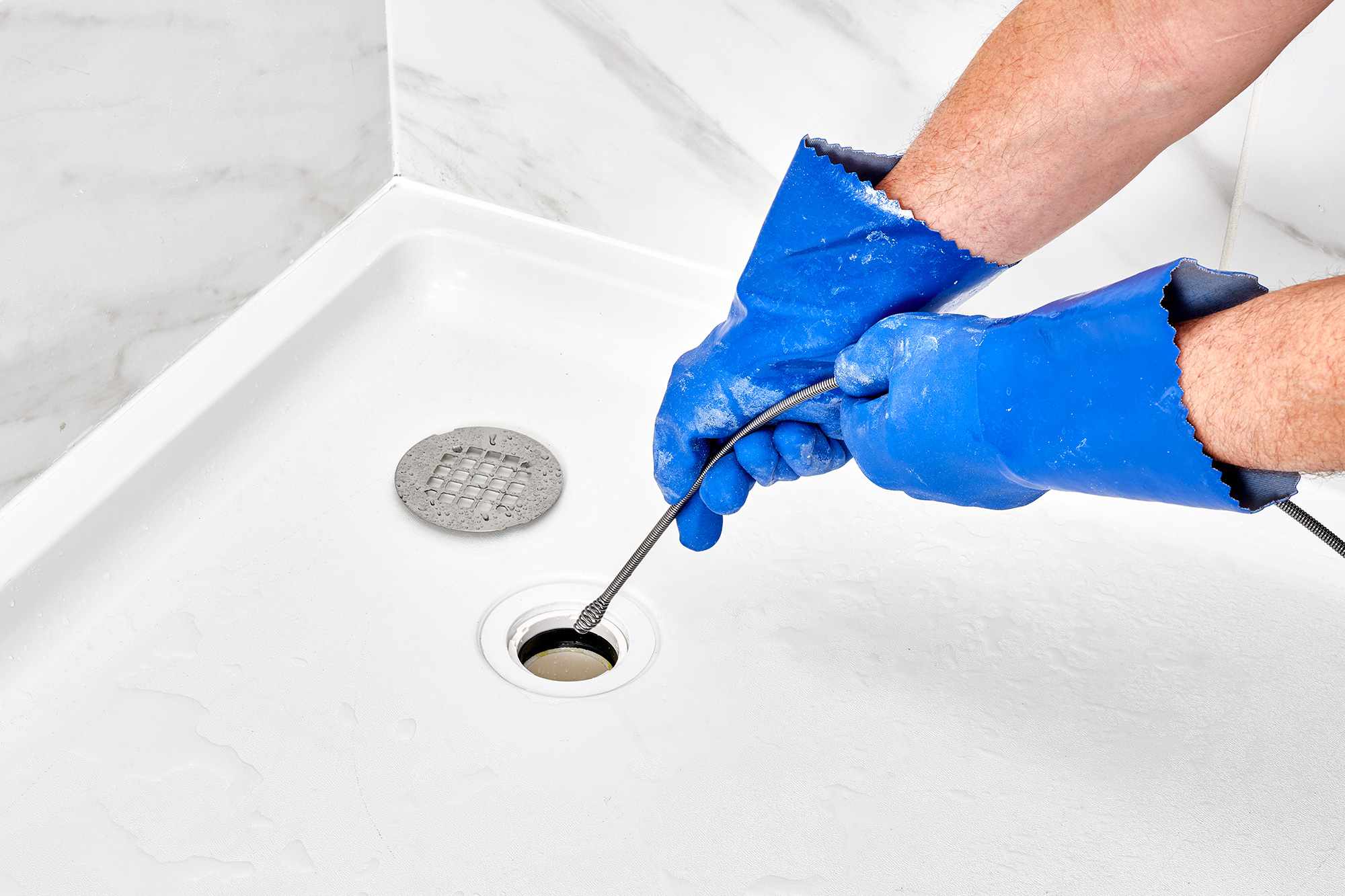
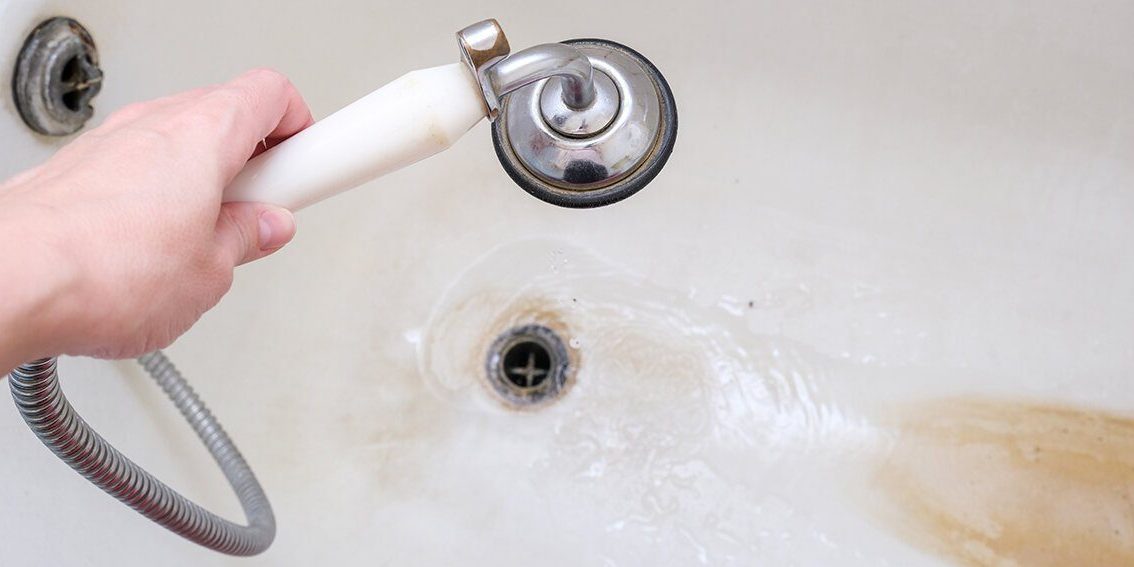
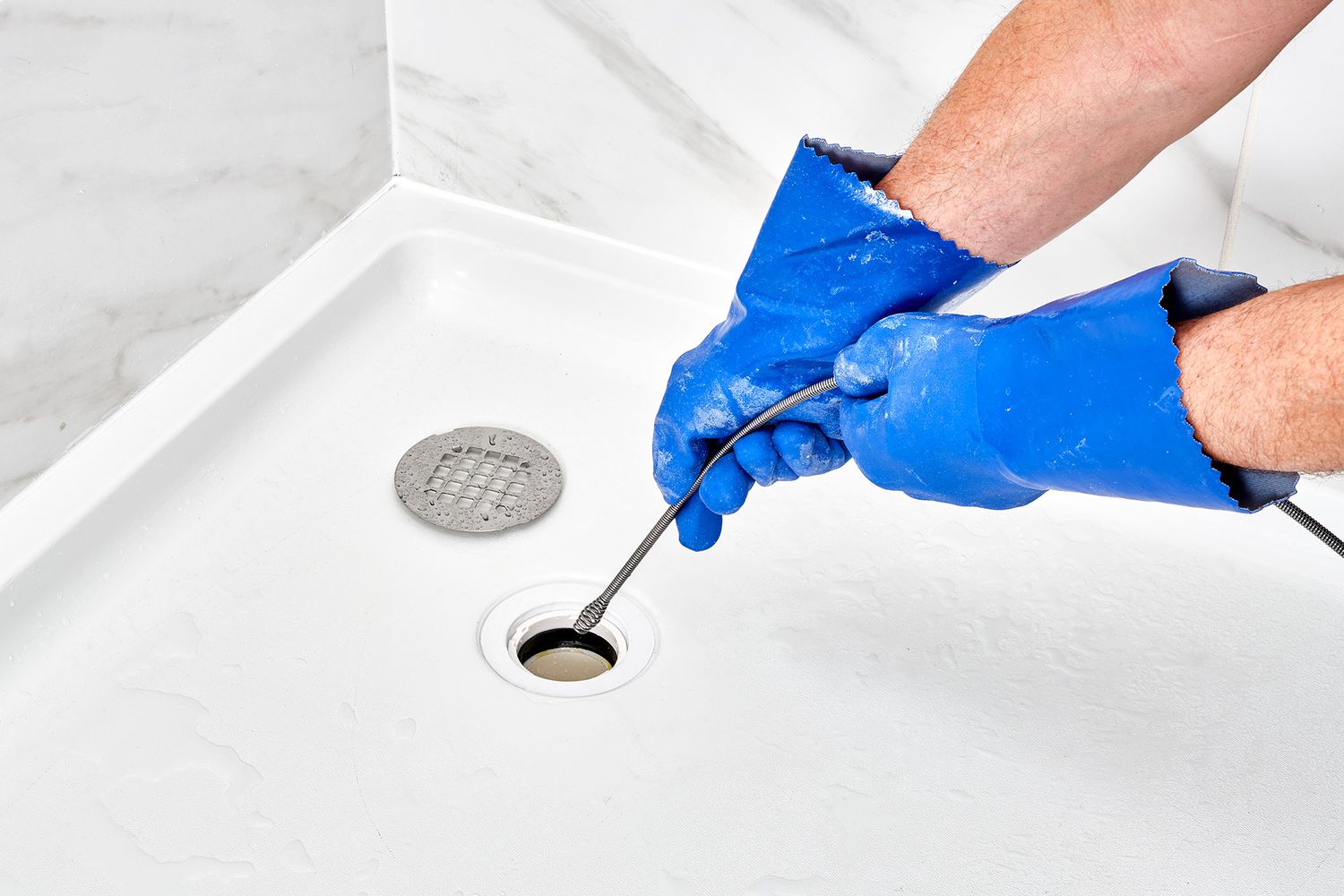
This project details how to clear a clogged shower drain with standing water. It involves three steps: First, remove any standing water using a bucket or sponge. Second, unscrew and clean the drain cover. Finally, manually remove the clog using a tool like a bent wire hanger or drain snake.
Best for homeowners and DIY enthusiasts.
Tools & Materials
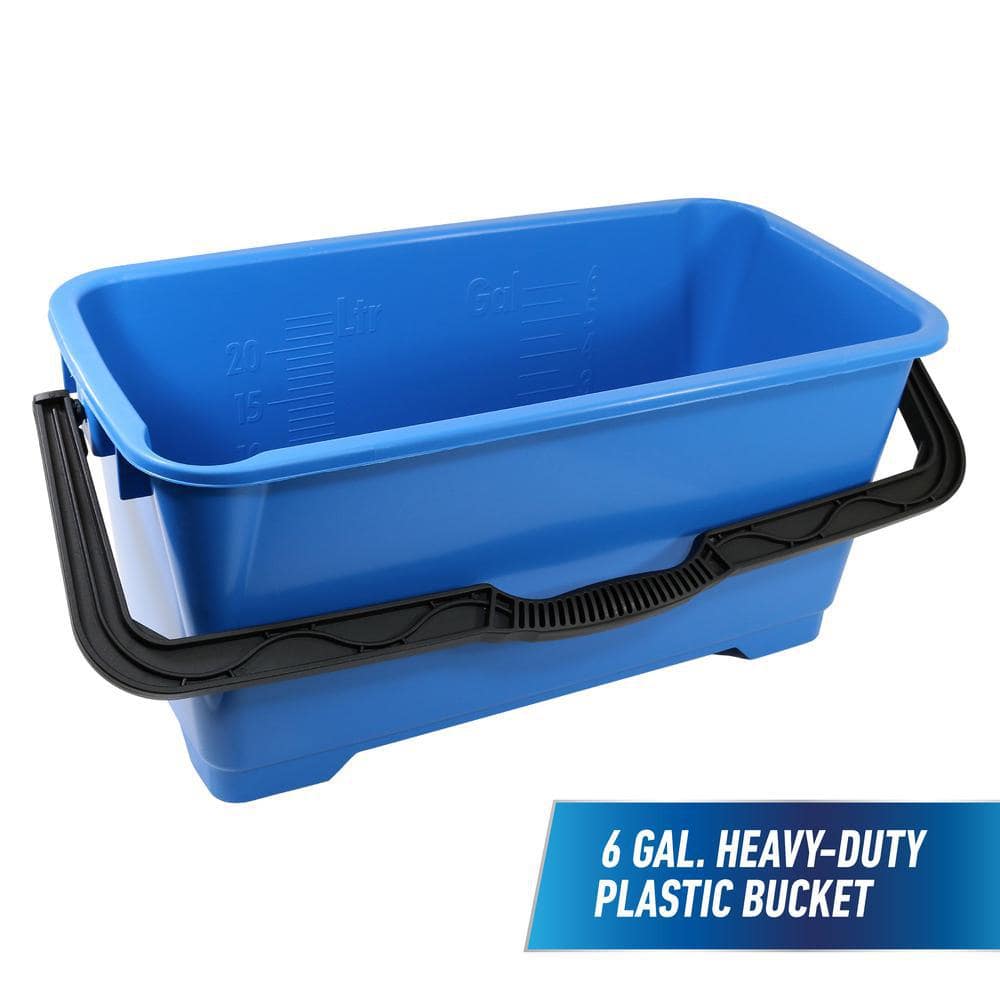
Unger 6 Gal. Heavy-Duty Plastic Bucket DB02
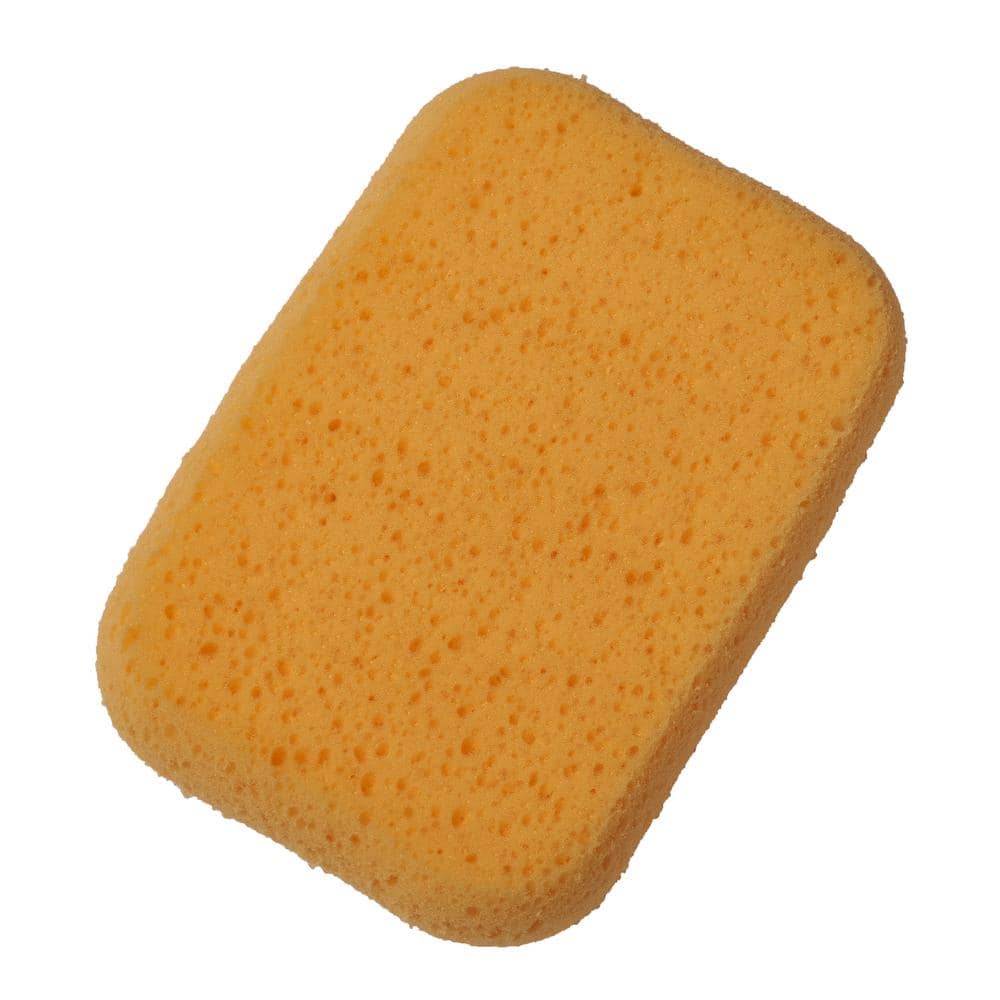
HDX Multi-Purpose Sponge (2- Sponges) 32242
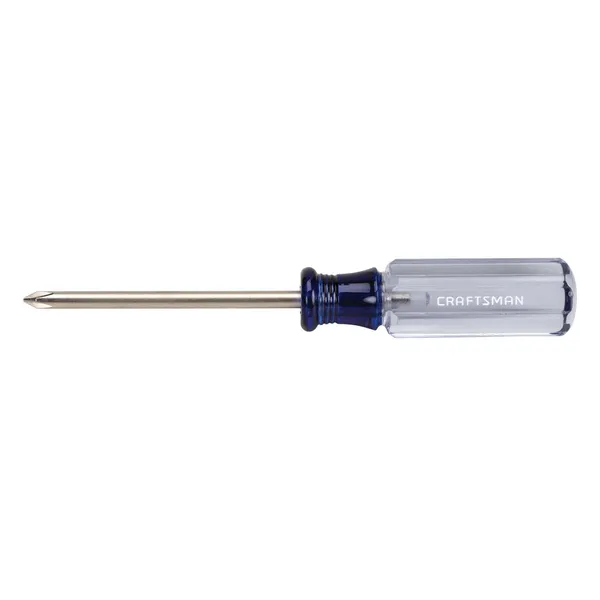
Phillips head screwdriver
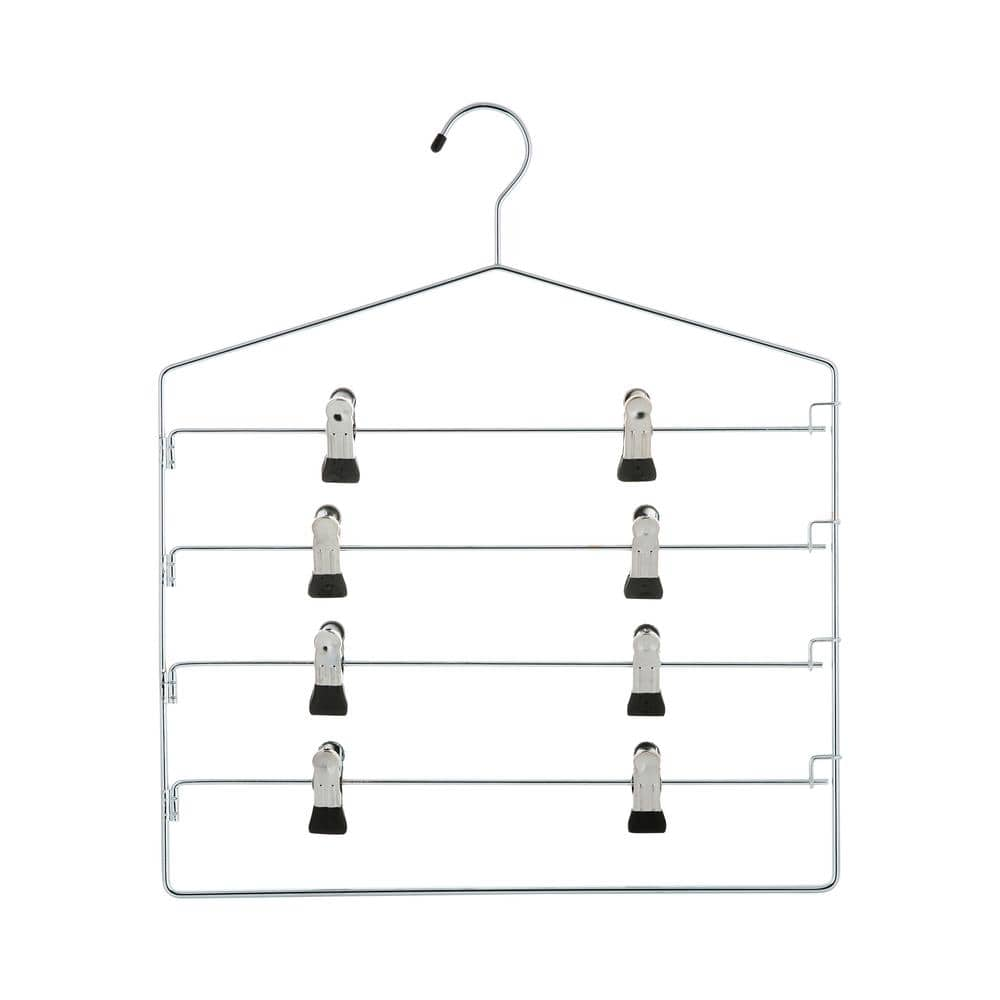
ORGANIZE IT ALL Silver Wire Pants Hangers NH-0300
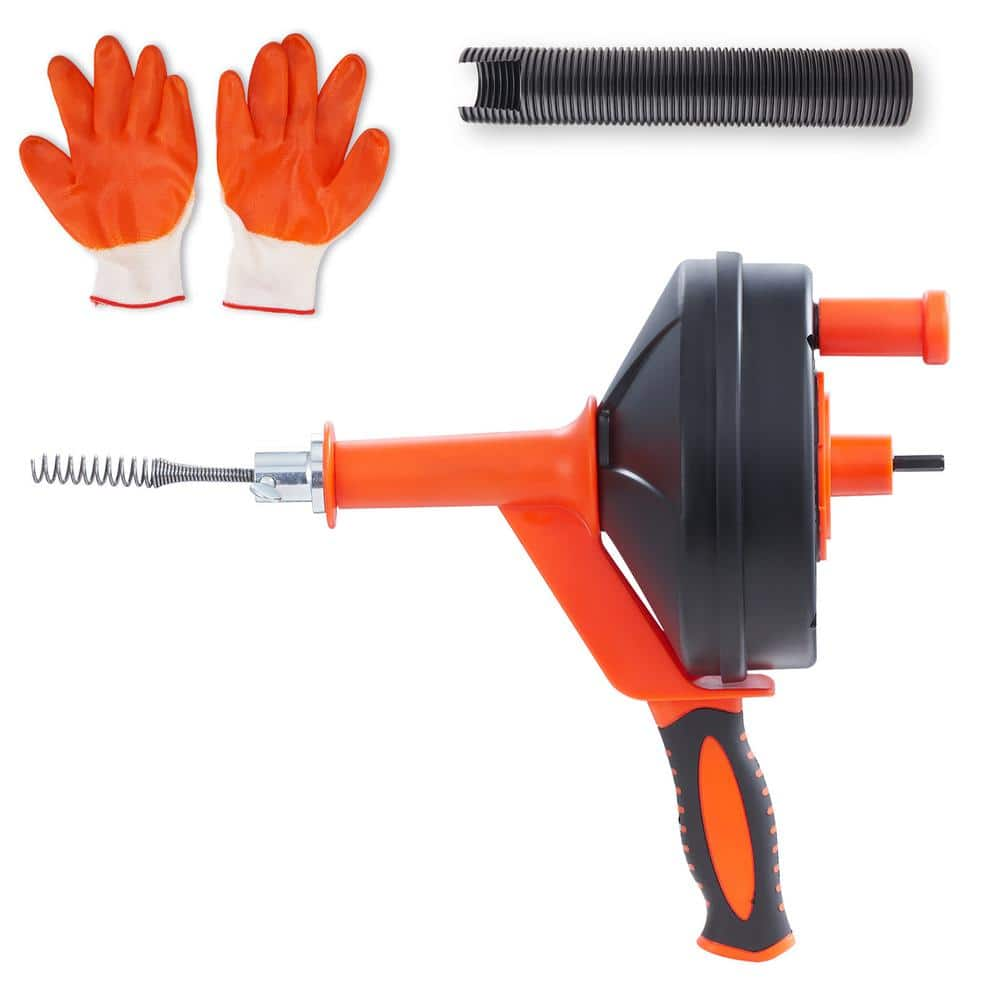
VEVOR Drain Auger 25 ft. Plumbing Snake with Drill Attachment Plumbers Snake Drain Clog Remover for Kitchen Shower Sink JXKSC25FT14INJ1BPV0-0612
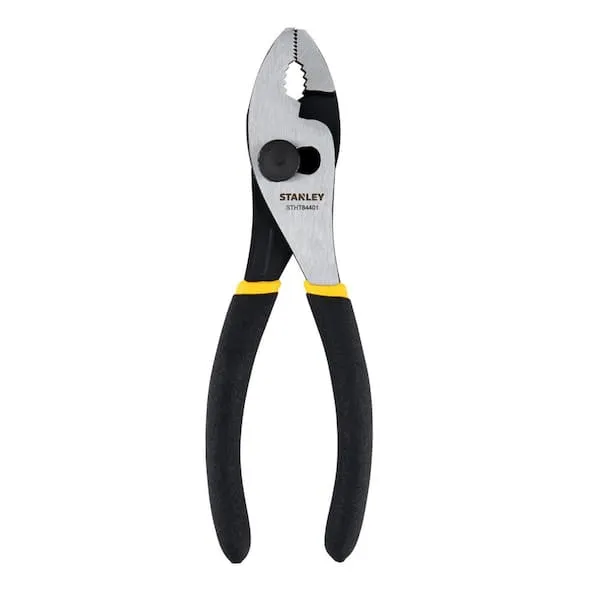
Pliers
Unger 6 Gal. Heavy-Duty Plastic Bucket DB02
The Unger 6-Gallon Heavy-Duty Professional Cleaning Bucket holds more than 6 Gal. of liquid. The bucket can accommodate a scrubber up to 14 in. L. This bucket features measurement marks and 2-pour spouts
HDX Multi-Purpose Sponge (2- Sponges) 32242
HDX Hydrophilic Sponge 7.25 in. x 5 in. x 1.875 in. (2-Pack) highly absorbent, the HDX Sponge washes, wipes, and rinses faster. Strong enough for use with acid based products like TSP. Heavy-duty polyester
Phillips head screwdriver
This is a type of screwdriver that has a cross-shaped tip.
ORGANIZE IT ALL Silver Wire Pants Hangers NH-0300
The Organize It All Slack Rack Hanger is designed to maximize closet space by stacking vertically. The swing arm design makes it easy to get your item without having to take the whole hanger out of the
VEVOR Drain Auger 25 ft. Plumbing Snake with Drill Attachment Plumbers Snake Drain Clog Remover for Kitchen Shower Sink JXKSC25FT14INJ1BPV0-0612
VEVOR Handheld Plumbing Snake Drain Auger offers strong cleaning and no harm to pipes. It features hand/electric dual use. with VEVOR hand or electric dual-use drain auger, you can solve all kinds of blockage problems and restore your plumbing's function.
Pliers
Grips and manipulates objects.
Steps


Common Problems
The screw holding the strainer may be old and rusty, so apply firm, steady pressure to avoid stripping the screw head.
Solution: To avoid this issue: Be mindful of this warning and take appropriate precautions.
Be prepared for old screws, especially slotted ones, to be corroded and difficult to remove. They may break instead of unscrewing.
Solution: To avoid this issue: Be mindful of this warning and take appropriate precautions.
Forcing a drain snake can crack or break your pipes.
Solution: Feed the snake slowly into the drain to avoid damaging the pipes.
Drain snake gets stuck, preventing clog removal.
Solution: If the snake encounters resistance, rotate it back and forth while applying gentle pressure.
Be careful not to push the snake too forcefully, as it could get stuck or damage the pipes.
Solution: To avoid this issue: Be mindful of this warning and take appropriate precautions.
Wrap duct tape around the end of the hanger so you don't scratch the porcelain.
Solution: To avoid this issue: Be mindful of this warning and take appropriate precautions.
Debris gets stuck, making snaking ineffective.
Solution: Run water while snaking to help flush debris.
Frequently Asked Questions
What can I use if I don't have a wire hanger or a specialized drain snake for manual clog removal?
You can improvise with common household items. A sturdy piece of wire, like from a coat hanger, can be bent into a hook shape. Alternatively, a long zip tie with small notches cut into it can effectively grab hair and debris.
What safety precautions should I take, especially when dealing with dirty standing water and the clog itself?
Always wear protective rubber or disposable gloves to shield your hands from bacteria and grime. You might also want to wear old clothes or an apron to prevent splashes. Ensure the area is well-ventilated and have a disinfectant ready for cleanup afterwards.
What should I do if I can't reach the clog with the wire hanger, or if it feels like I'm pushing it further down?
If you can't feel the clog, it might be deeper than a simple manual removal with a hanger can handle; consider purchasing a longer, flexible drain snake. Avoid forcing the wire, as this can compress the clog or push it further down, making it harder to remove. Try gentle, probing and twisting motions.
The project estimates 45 minutes; what if it takes longer, or I can't clear the clog myself?
The 45-minute estimate is for a typical, accessible clog. If you've spent over an hour and are making no progress, or if the clog feels exceptionally stubborn, it might be time to call a professional plumber. Persistent clogs can indicate a deeper issue within your home's plumbing system.
Why does this project suggest manual removal rather than chemical drain cleaners for a clogged shower drain?
Chemical drain cleaners can be corrosive, potentially damaging pipes over time, especially if used frequently or incorrectly. They are also hazardous to handle and can create toxic fumes. Manual removal is often more effective for hair-related clogs and is a safer, eco-friendlier first approach.
Why is it important to remove all the standing water before attempting to clear the clog?
Removing standing water serves several purposes: it prevents dirty water from overflowing onto your bathroom floor, allows for better visibility of the drain opening, and makes it easier to work without messy splashes. It also ensures you can clearly see any progress made in clearing the clog.
Once cleared, how can I prevent my shower drain from clogging again in the future?
To prevent future clogs, regularly clean your drain cover and consider installing a hair catcher to trap hair and debris before it enters the drain. You can also pour a mixture of half a cup of baking soda followed by half a cup of white vinegar down the drain monthly, letting it sit for 30 minutes before flushing with hot water, to break down minor buildup.