Clogged Shower Drain: How to Clear Standing Water
About This Project
To clear a clogged shower drain with standing water, first remove the drain cover using a screwdriver. Then, attempt to dislodge the clog by plunging the drain with a cup plunger. If plunging is unsuccessful, use a drain snake to break up or retrieve the clog. Finally, flush the drain with water to confirm that the clog has been cleared.
Best for experienced DIYers and homeowners with some experience.
Tools & Materials
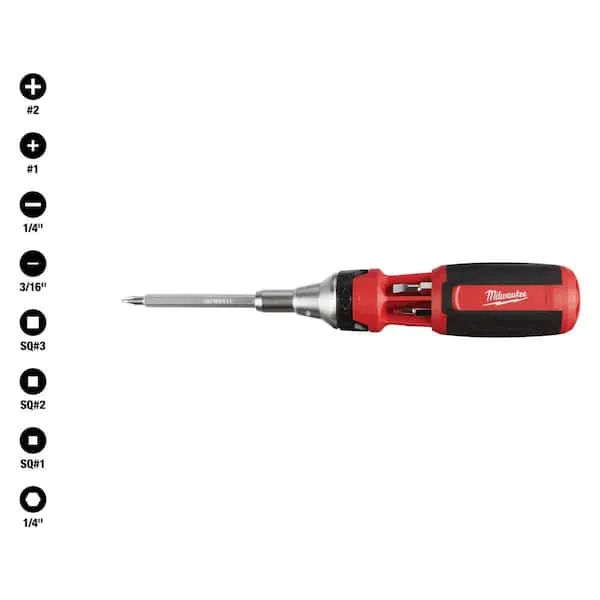
Screwdriver (Multi)
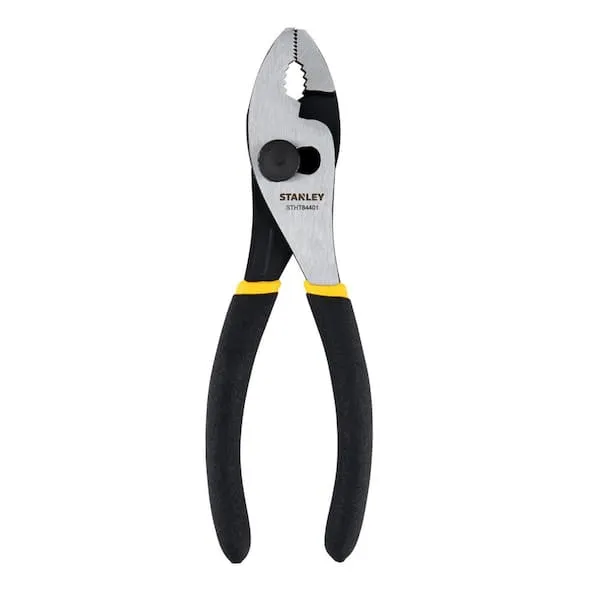
Pliers
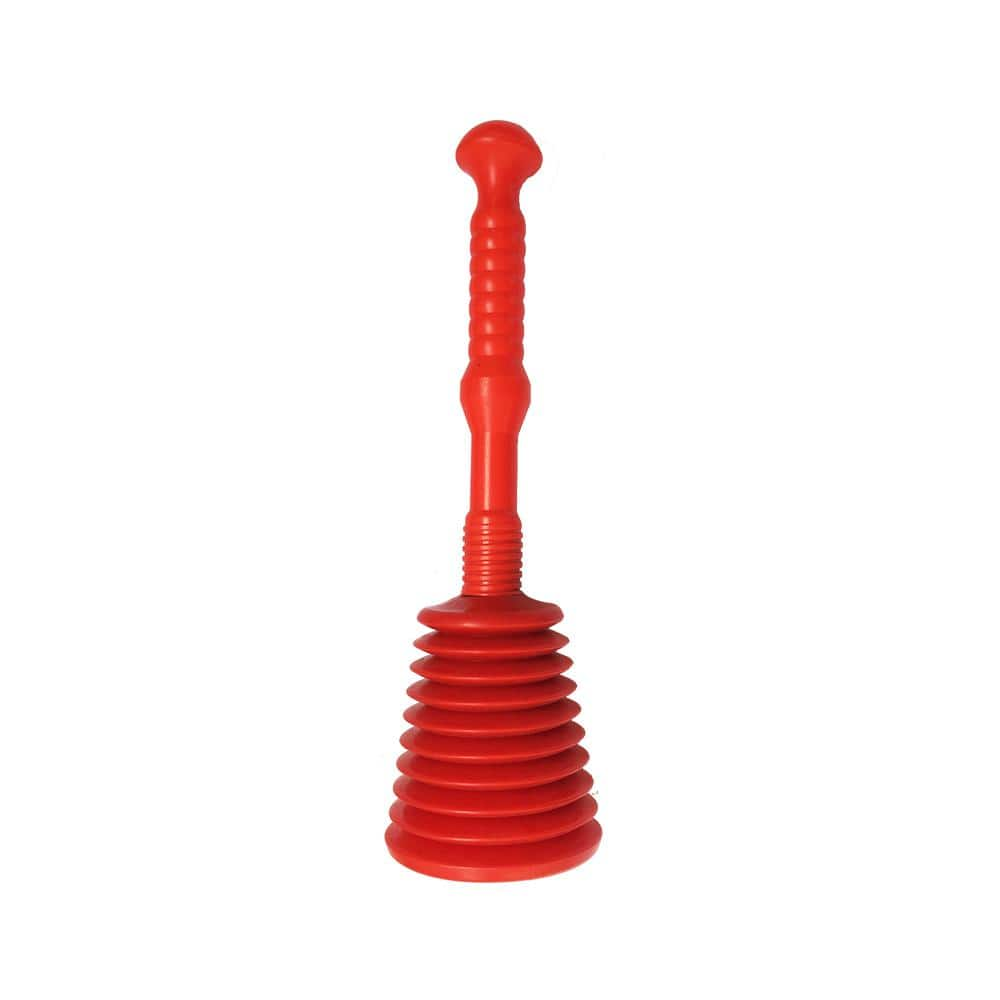
THEWORKS 5 in. Red Bellows Plunger PL171211
Water
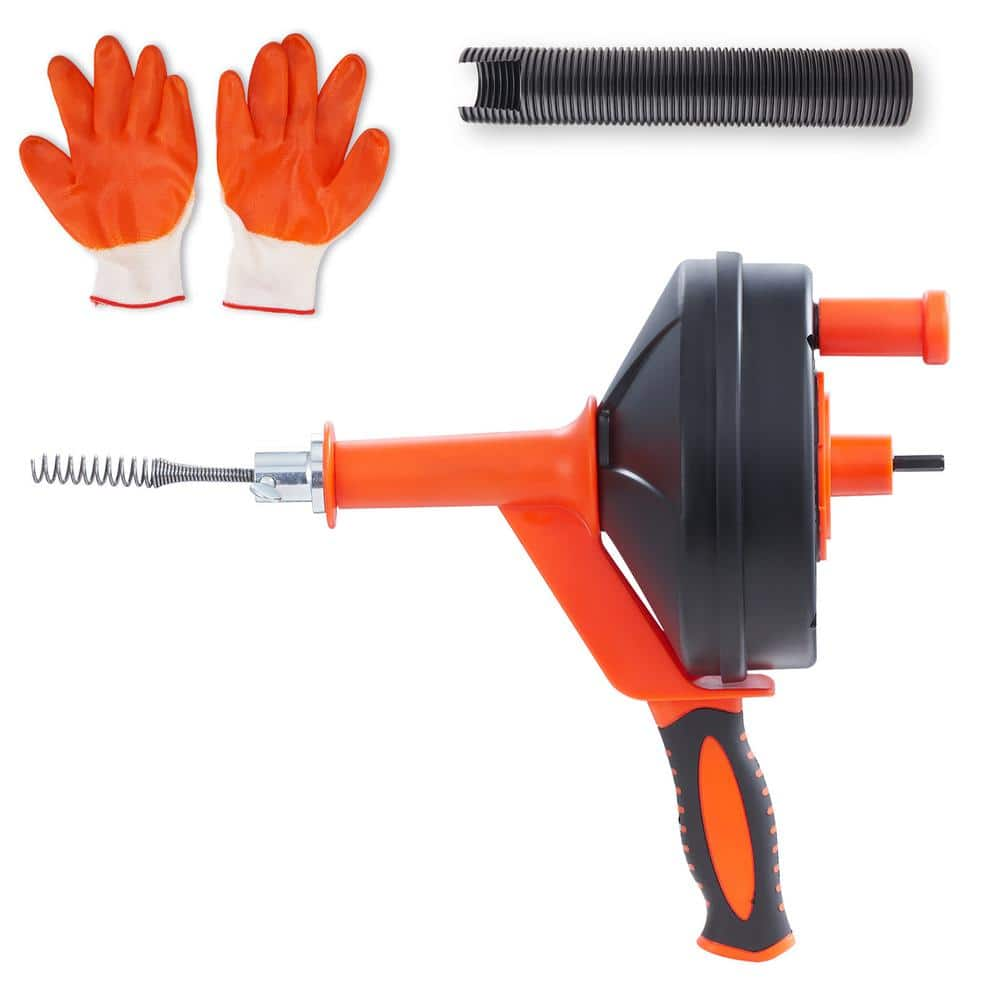
VEVOR Drain Auger 25 ft. Plumbing Snake with Drill Attachment Plumbers Snake Drain Clog Remover for Kitchen Shower Sink JXKSC25FT14INJ1BPV0-0612
Screwdriver (Multi)
Multiple bits for versatile use.
Pliers
Grips and manipulates objects.
THEWORKS 5 in. Red Bellows Plunger PL171211
The Works Red Bellows Plunger helps clear clogs from your sink, tub and shower. This durable plastic cup is designed to maximize pressure while minimizing effort. Simply place over the drain and plunge
Water
Essential for life and countless tasks.
VEVOR Drain Auger 25 ft. Plumbing Snake with Drill Attachment Plumbers Snake Drain Clog Remover for Kitchen Shower Sink JXKSC25FT14INJ1BPV0-0612
VEVOR Handheld Plumbing Snake Drain Auger offers strong cleaning and no harm to pipes. It features hand/electric dual use. with VEVOR hand or electric dual-use drain auger, you can solve all kinds of blockage problems and restore your plumbing's function.
Steps

Remove the Shower Drain Cover
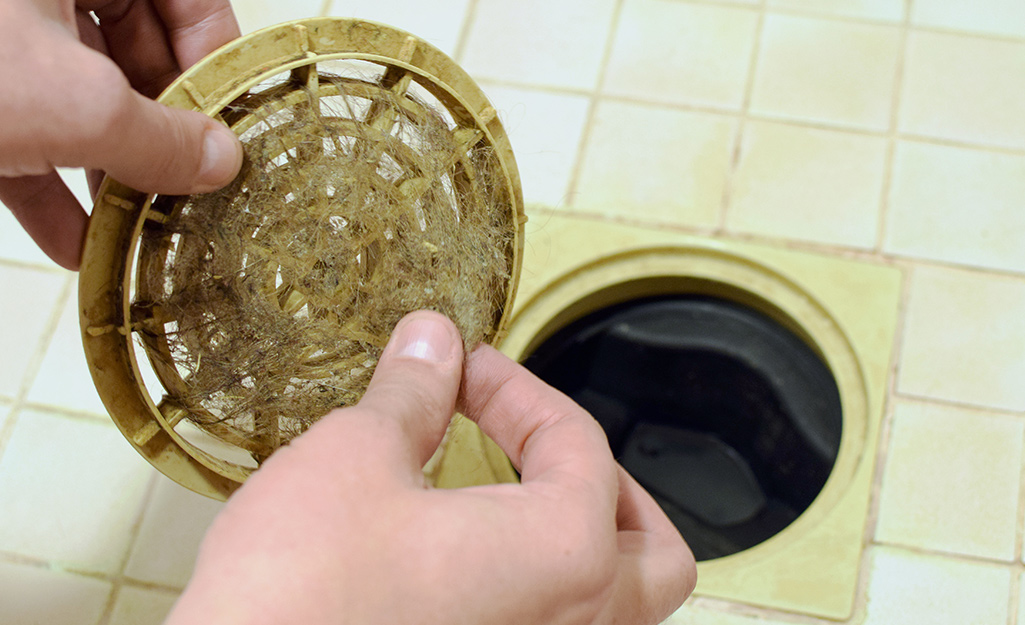
5 minsBegin by accessing the drain opening. For strainer-type covers, carefully unscrew the center screw using a screwdriver. If you see hair or debris, remove it with your hands or pliers. For other cover types, consult your drain's instructions or a relevant YouTube video for removal.
Watch: Cleaning the drain

Use a Drain Snake to Clear the Clog
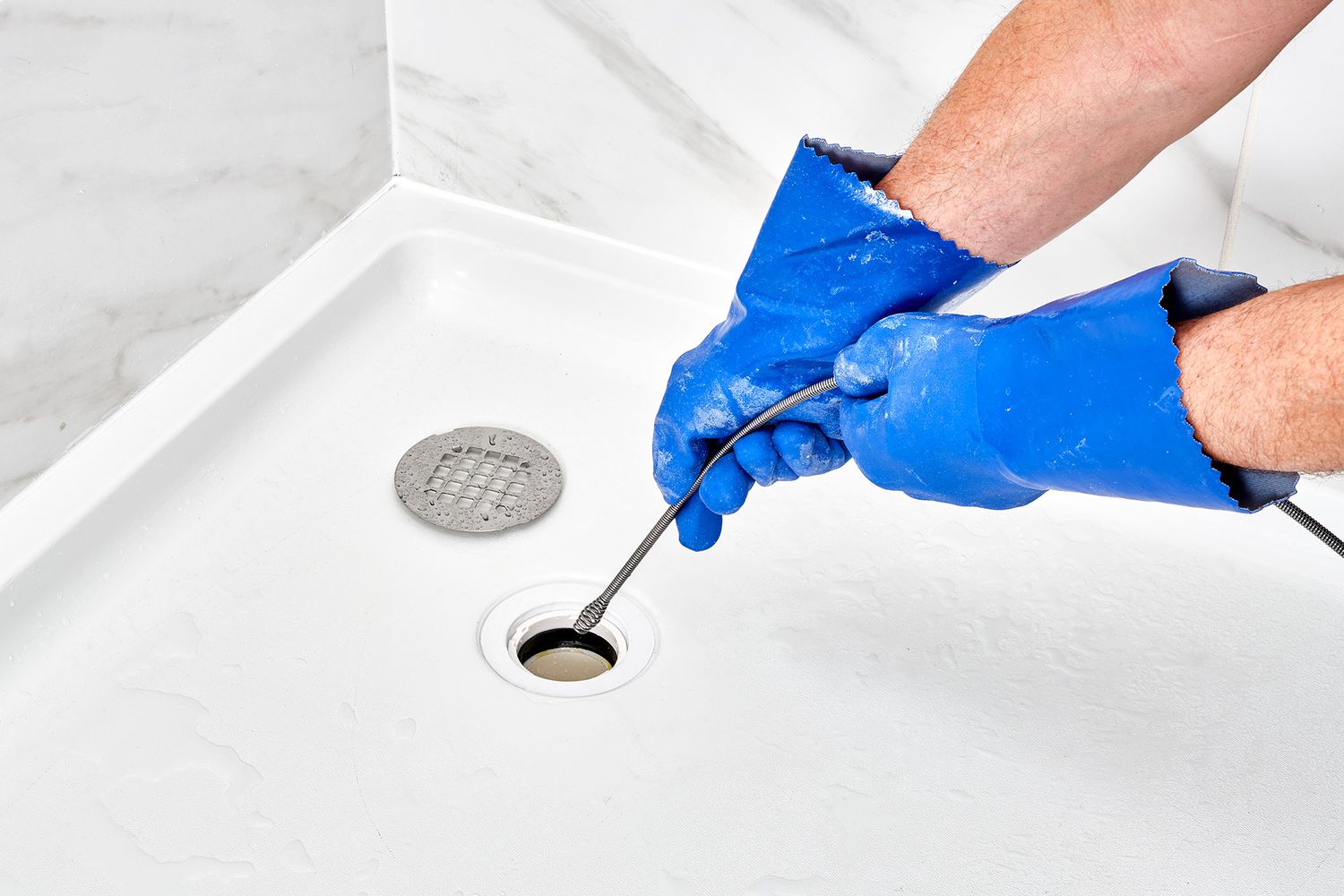
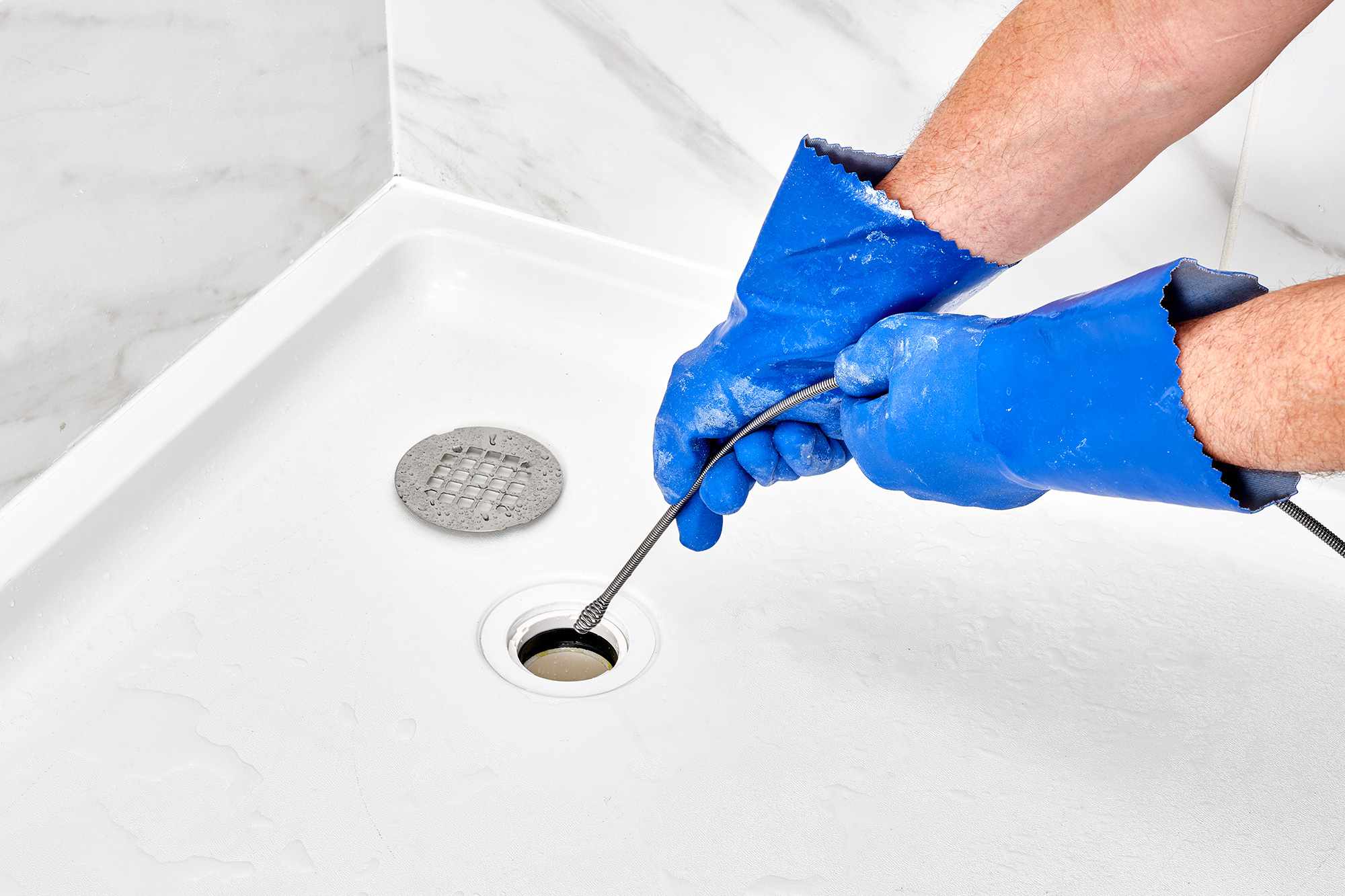
15 minsIf plunging fails, utilize a drain snake (plumber's snake) to reach and break up or retrieve the obstruction. Insert the snake, rotating it as you feed it down the drain. Carefully remove the snake, cleaning off any debris. Flush the drain with water to test its functionality.
Watch: Unclog the Drain with a SnakeCommon Problems
Safety concern: Avoid using chemical drain cleaners repeatedly as they can damage pipes over time. If used, follow product instructions carefully and ensure adequate ventilation.
Solution: Take proper safety precautions. Avoid using chemical drain cleaners repeatedly as they can damage pipes over time. If used, follow product instructions carefully and ensure adequate ventilation.
Prevention: Always follow safety guidelines before starting the project.
Plunger won't create a seal, rendering it useless for clearing the drain.
Solution: The presence of water over the plunger cup is crucial for creating a tight seal and generating effective hydraulic pressure.
Plunger won't create a seal, failing to dislodge drain clog.
Solution: Make sure there's enough water in the sink to cover the cup of the plunger.
Plunger won't create suction with too much standing water.
Solution: If the sink is completely clogged, remove some water before plunging.
Plunger won't create a seal, preventing effective clog removal.
Solution: Add petroleum jelly to the rim of the plunger to create a better seal.
Water won't drain because suction is lost through the overflow.
Solution: Covering the overflow hole creates better suction.
Forcing a drain snake can crack or break your pipes.
Solution: Feed the snake in gently to avoid damaging the pipe.
Frequently Asked Questions
Do I need a special type of plunger for a shower drain?
Yes, a cup plunger (like THEWORKS 5 in. Red Bellows Plunger) is ideal for flat drains like showers and sinks, as it creates a better seal than a toilet plunger. Ensure the plunger fully covers the drain opening to generate effective suction.
What should I do if the drain snake gets stuck or won't reach the clog?
If your drain snake gets stuck, try rotating it counter-clockwise while gently pulling back to dislodge it; avoid forcing it. If the clog is beyond the 25 ft reach of your snake, or you still can't clear it, the issue might be deeper and could require professional assistance.
The water is still draining slowly after I've plunged and used the drain snake. What did I miss?
A slow drain often indicates that the clog wasn't fully removed or there's still a partial blockage. Re-plunge vigorously or re-insert the drain snake to ensure all debris is broken up. Flushing with hot water multiple times can help clear any remaining residue.
Are there any methods to try before buying a drain snake, or for preventing future clogs?
Before using a snake, you can try pouring a pot of boiling water down the drain, or a baking soda and vinegar solution (wait 30 mins, then flush with hot water). To prevent future clogs, regularly use a hair catcher over your drain and flush with hot water after showers.
How long should I expect this project to take, and is it truly beginner-friendly?
This project typically takes 30 minutes to an hour, depending on the severity and location of the clog. It is considered beginner-friendly due to the straightforward tools and steps involved, but patience is key when working with a drain snake for the first time.
Is it safe to use a drain snake with standing water in the shower, or should I try to remove the water first?
It is generally safe to use a drain snake with standing water. The snake's design allows it to navigate through the water to reach and clear the clog. However, wear gloves and exercise caution to avoid splashing dirty water for hygiene reasons.
Why is removing the shower drain cover important before plunging or snaking?
Removing the drain cover is crucial for two reasons: it allows the plunger to form a complete, airtight seal, maximizing suction for effective plunging. For the drain snake, it provides direct, unobstructed access to the pipe, preventing the snake from getting caught on or damaged by the cover itself.