Remove Stubborn Toilet Bowl Stains: Hard Water, Rust & More
About This Project
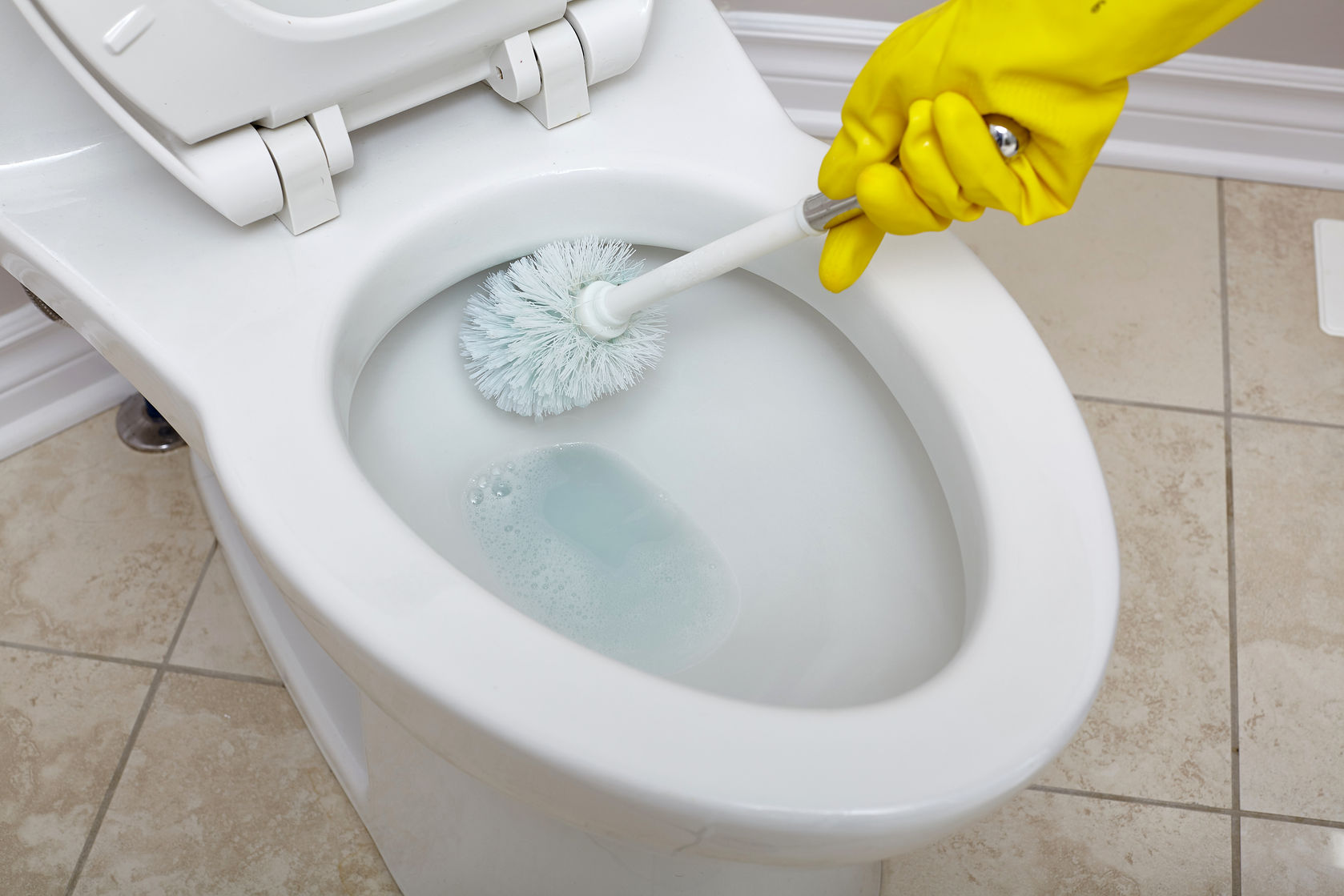
This project details how to remove stubborn stains from a toilet bowl. The first step is to prepare the toilet by turning off the water, flushing, and emptying excess water. A toilet water solidifier can be used to prevent spills. Next, apply toilet cleaner to the stained areas, ensuring full coverage and letting it sit for the recommended dwell time. Pumice stones can be used to scrub tough stains. Finally, scrub the bowl with a toilet brush, rinse by flushing multiple times, and check for remaining stains, repeating steps if needed.
Best for homeowners and DIY enthusiasts.
Tools & Materials
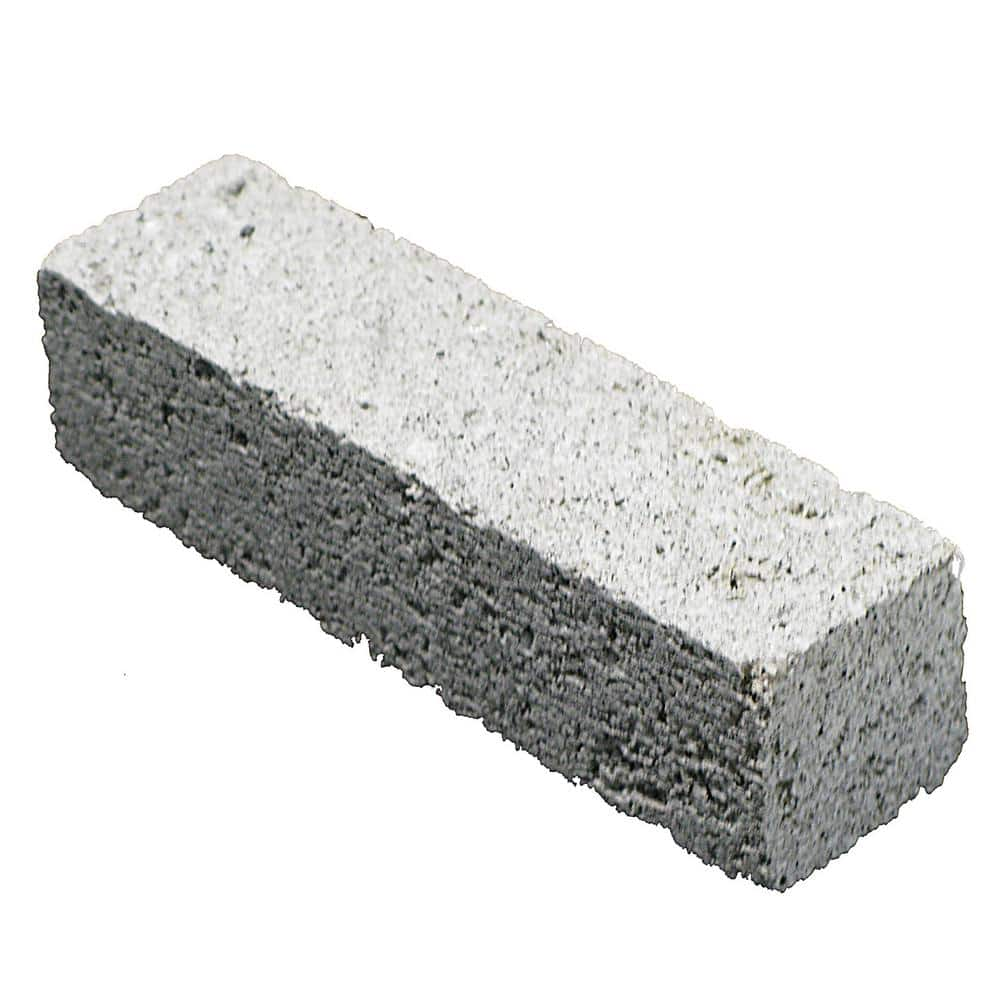
HDX Pumice Stone for Swimming Pools, Spas and other Surfaces 62665
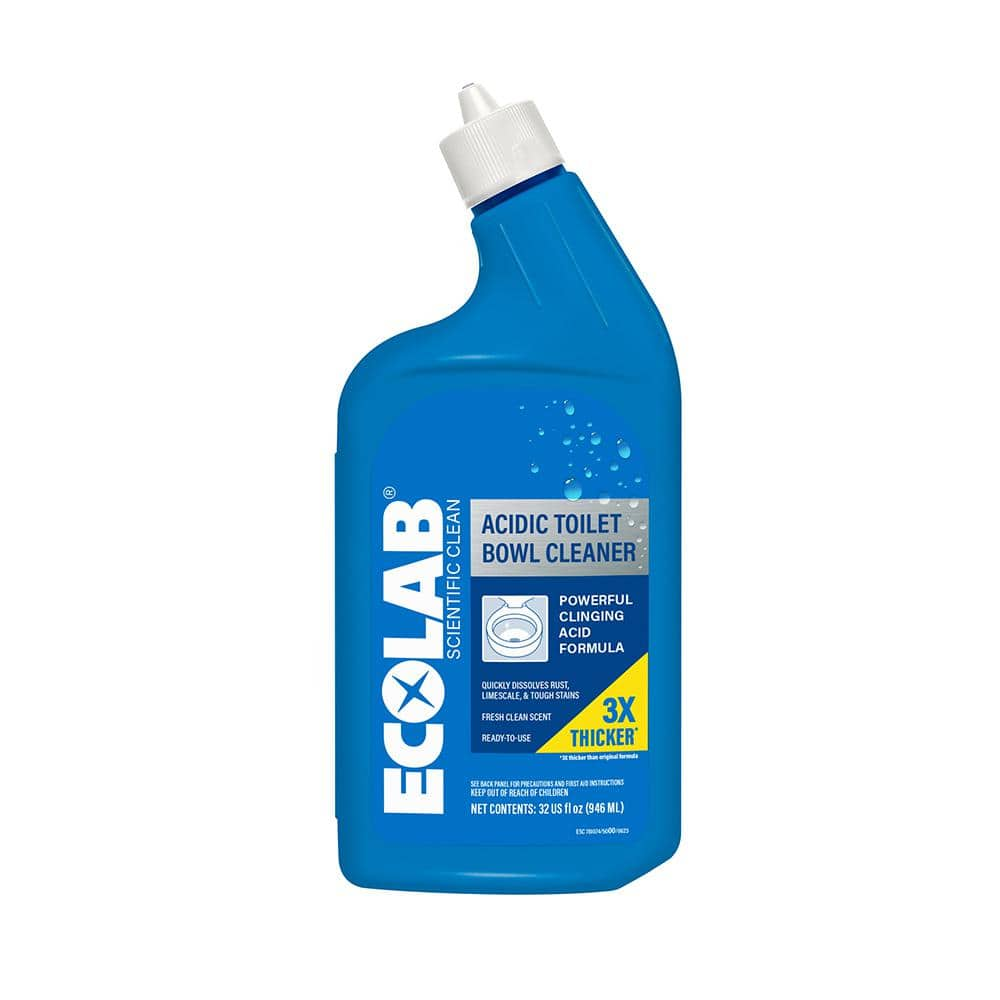
ECOLAB 32 oz. Acidic Toilet Bowl Cleaner and Limescale Remover for Bathroom Toilets and Urinals 7700448
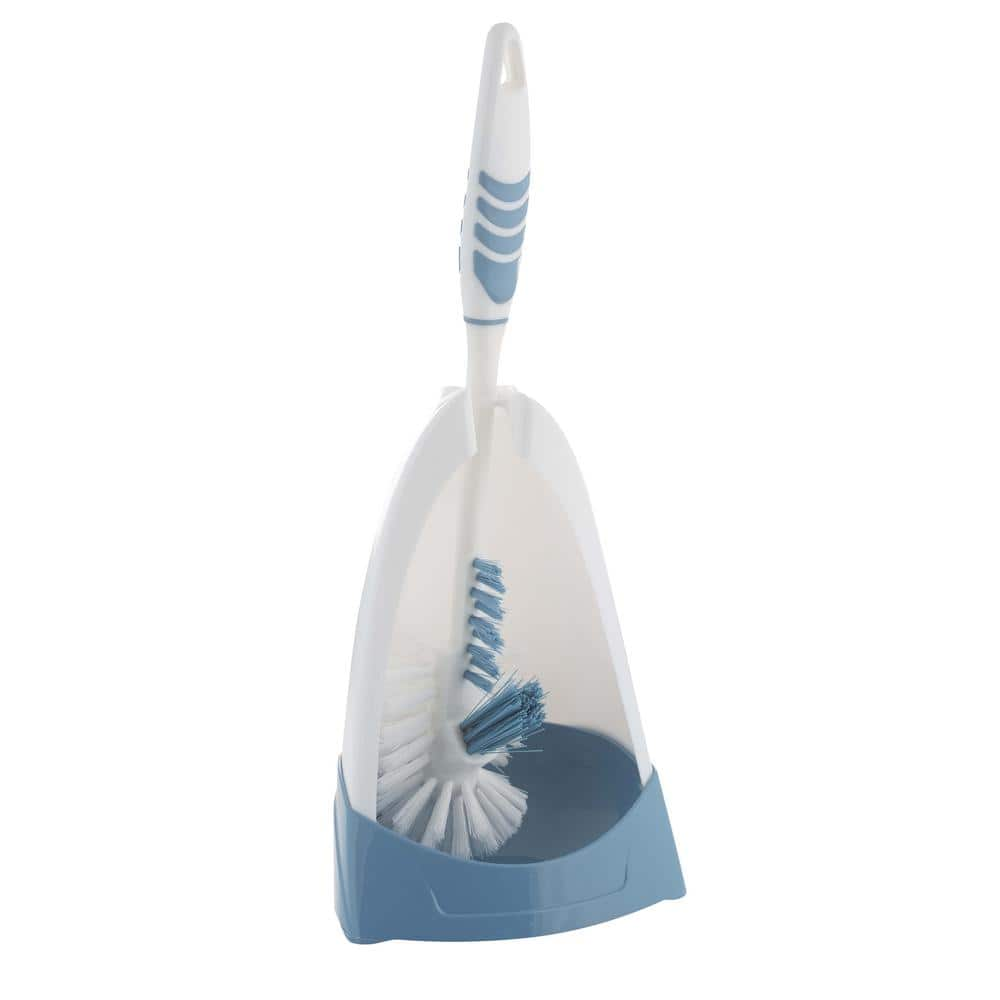
Bath Bliss Toilet Brush and Holder with Rim Scrubber 10118
HDX Pumice Stone for Swimming Pools, Spas and other Surfaces 62665
For removing hard water, rust, mineral and mildew stains from ceramic tile, grout and concrete surfaces. The 100% natural pumice material effectively dissolves stubborn stains and won't harm your pool
ECOLAB 32 oz. Acidic Toilet Bowl Cleaner and Limescale Remover for Bathroom Toilets and Urinals 7700448
Acidic Toilet Bowl Cleaner is now a 3X thicker high-performance clinging acidic professional-grade toilet bowl cleaner formulated for performance in demanding, high traffic restrooms. This 32 oz. bottle
Bath Bliss Toilet Brush and Holder with Rim Scrubber 10118
The Bath Bliss Toilet Brush with Rim Scrubber is the perfect bathroom accessory to keep your toilet clean. The 360 degree brush shape and rim scrubber helps to clean hard to reach places. The open design
Steps


Apply Toilet Cleaner for Stain Removal
15 minsLiberally apply your chosen toilet cleaner to all stained areas, ensuring complete coverage of hard water deposits and other stains. Allow the cleaner to dwell for the manufacturer's recommended time. For tough stains, consider using a product specifically designed for mineral deposit removal.
Watch: Final Flush and Rinse
Common Problems
Safety concern: Always wear rubber gloves when cleaning the toilet to protect your skin from chemicals and germs.
Solution: Take proper safety precautions. Always wear rubber gloves when cleaning the toilet to protect your skin from chemicals and germs.
Prevention: Always follow safety guidelines before starting the project.
Circular stains remain on the toilet bowl sides.
Solution: Work in a circular motion to effectively clean the side walls of the disposal.
Persistent toilet odors linger due to uncleaned gasket undersides.
Solution: Pay very close attention to cleaning the underside of the rubber gasket, as this is a primary source of odors.
For safety and hygiene, always wear waterproof protective gloves when reaching into a toilet bowl.
Solution: To avoid this issue: Be mindful of this warning and take appropriate precautions.
Scratching the toilet bowl porcelain when removing stubborn deposits.
Solution: A bent piece of wire from a coat hanger can also be used to poke out stubborn deposits, but be careful not to scratch the porcelain.
Do not flush the toilet during this step to give the solution maximum time to work.
Solution: To avoid this issue: Be mindful of this warning and take appropriate precautions.
Stubborn toilet bowl rings and stains remain despite scrubbing.
Solution: Focus on scrubbing in circular motions to effectively remove the ring and other stains.
Frequently Asked Questions
What are the essential tools and materials for effectively removing stubborn toilet bowl stains?
You'll definitely need a sturdy toilet brush, like the Bath Bliss with a rim scrubber, and an HDX Pumice Stone for tough buildup. A specialized toilet cleaner suited for hard water or rust is also crucial. Consider a toilet water solidifier for easier, mess-free preparation.
What safety precautions should I take when dealing with harsh cleaners and scrubbing tough toilet stains?
Always wear protective gloves and eye protection to prevent contact with cleaning chemicals. Ensure good ventilation by opening a window or using a fan. When using a pumice stone, apply gentle pressure to avoid scratching the porcelain, and test in an inconspicuous area first.
How difficult is this project for a beginner, how long does it take, and what's the typical cost?
This project is rated as "beginner" difficulty. It typically takes 30-60 minutes, depending on the stain's severity and cleaner dwell time. The cost is generally low, usually under $30 for a brush, pumice stone, and a good cleaner, making it a very affordable DIY.
I've tried cleaning, but the stubborn stains are still there. What should I do next?
For persistent stains, reapply the cleaner, ensuring full coverage, and allow for a longer dwell time, even several hours or overnight if the product allows. Use the pumice stone with firm, consistent pressure. You might need to repeat the process or try a different type of cleaner specifically formulated for your stain type (e.g., rust remover).
Are there any alternative or less harsh cleaning methods I can try before strong chemical cleaners?
Yes, for lighter stains, a paste of baking soda and vinegar, or borax, can be effective. Apply, let sit for a few hours, then scrub. For true hard water and rust stains, however, the recommended specialized cleaners and pumice stone are usually necessary for the best results.
How can I prevent hard water and rust stains from forming in my toilet bowl in the future?
Regular weekly cleaning is key to preventing buildup. For hard water, consider using in-tank tablets designed to prevent mineral deposits, or explore a whole-house water softener. For rust, identify and address the source of iron in your water supply.