Prevent Frozen Pipes: A Winter Plumbing Guide
About This Project
This project outlines how to prevent frozen pipes during winter. The first step involves insulating exposed pipes using foam pipe insulation or heat tape. It's recommended to use thicker insulation for colder climates and miter cuts for better coverage. The second step is sealing air leaks around pipes using caulk or expanding foam, especially around entry points and exterior walls.
Best for homeowners and DIY enthusiasts with basic plumbing knowledge.
Tools & Materials
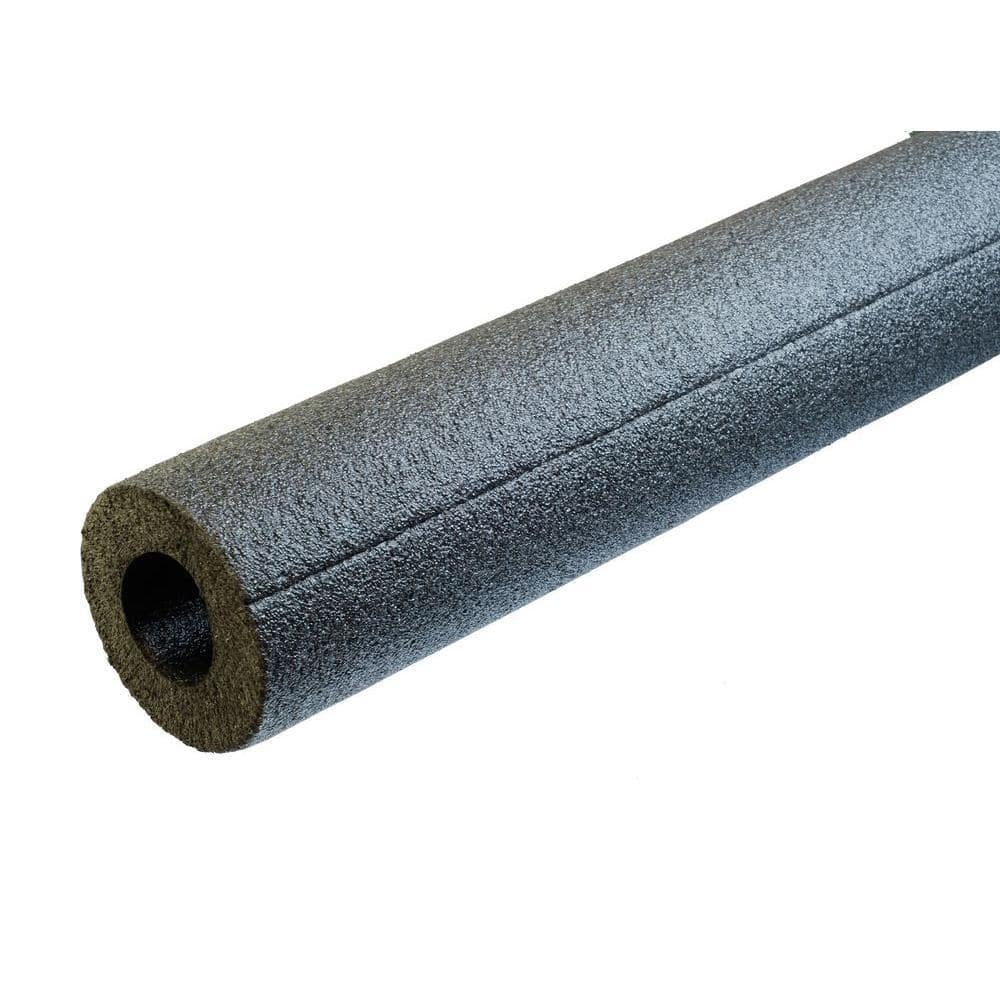
Everbilt 1 in. x 6 ft. Foam Pipe Insulation ORP11812
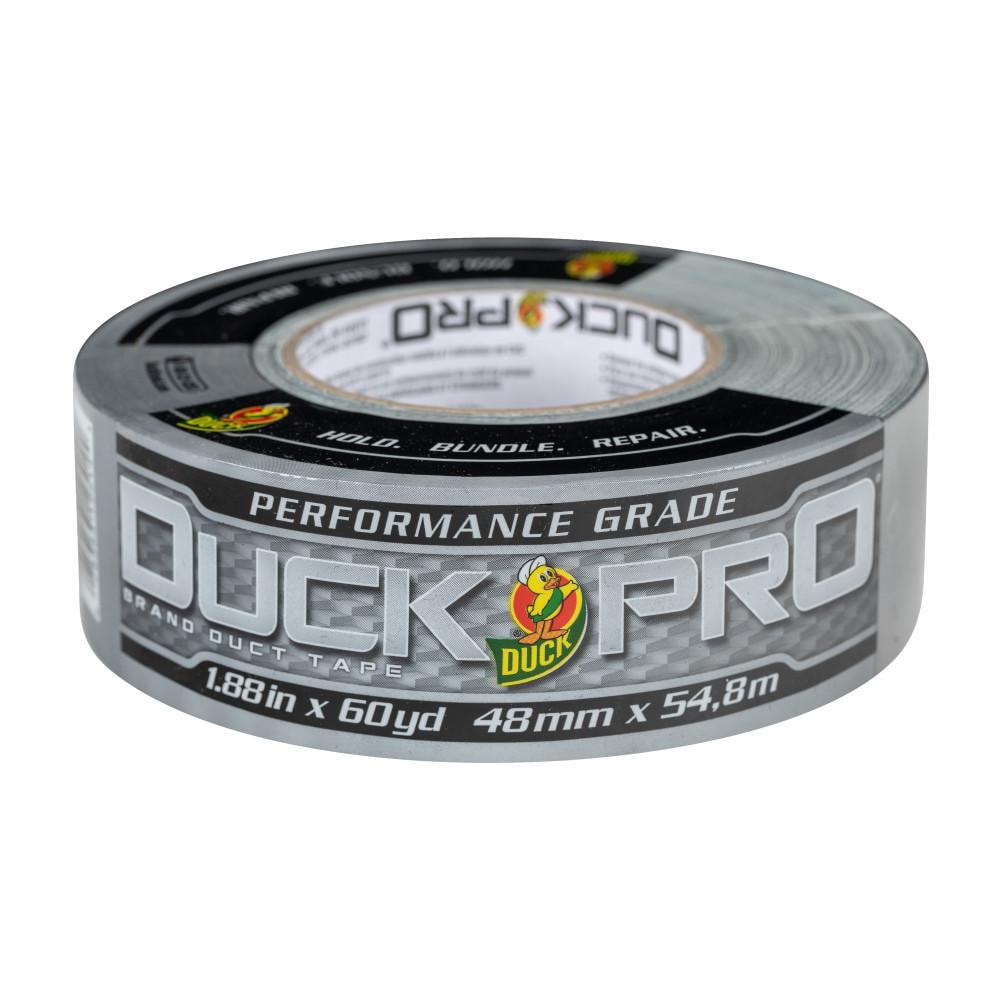
Duck Pro 1.88 in. x 60 yds. Silver All-Purpose Duct Tape 242760
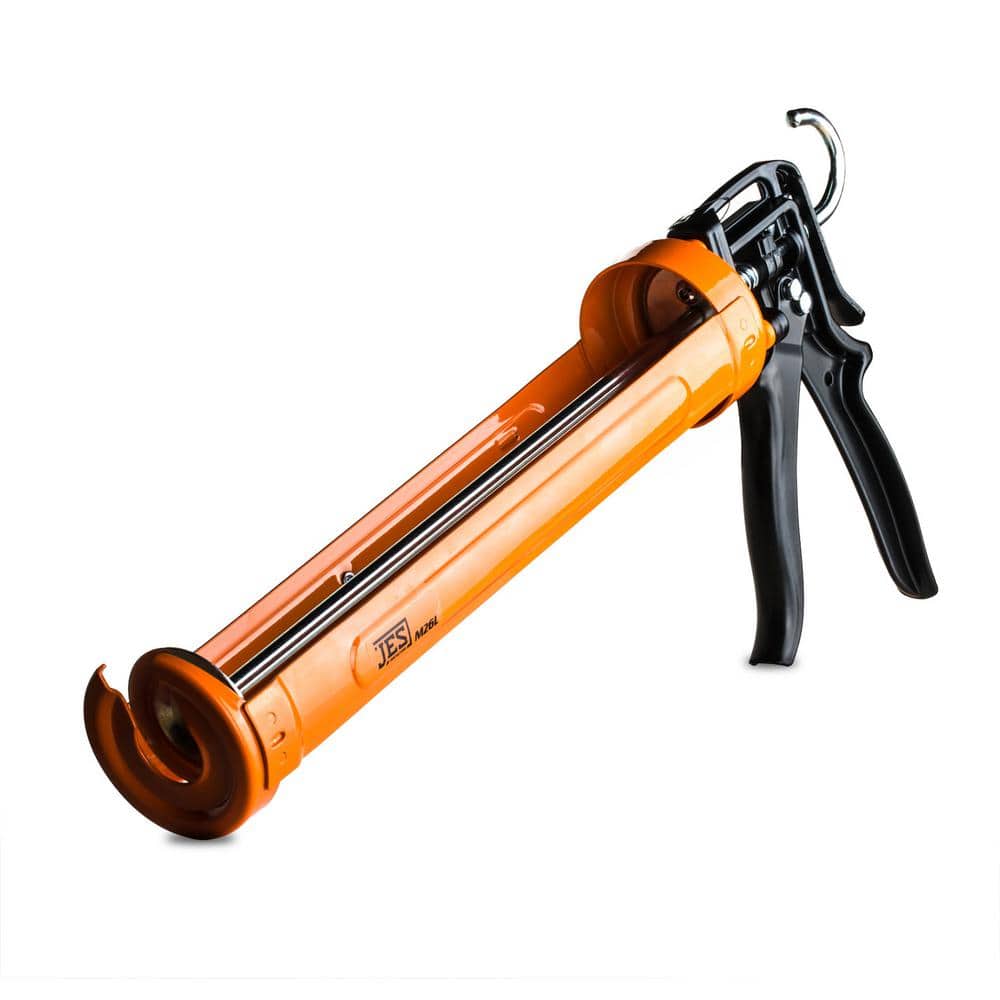
JES 1 Qt. 26:1 High-Thrust Caulk Gun M26L
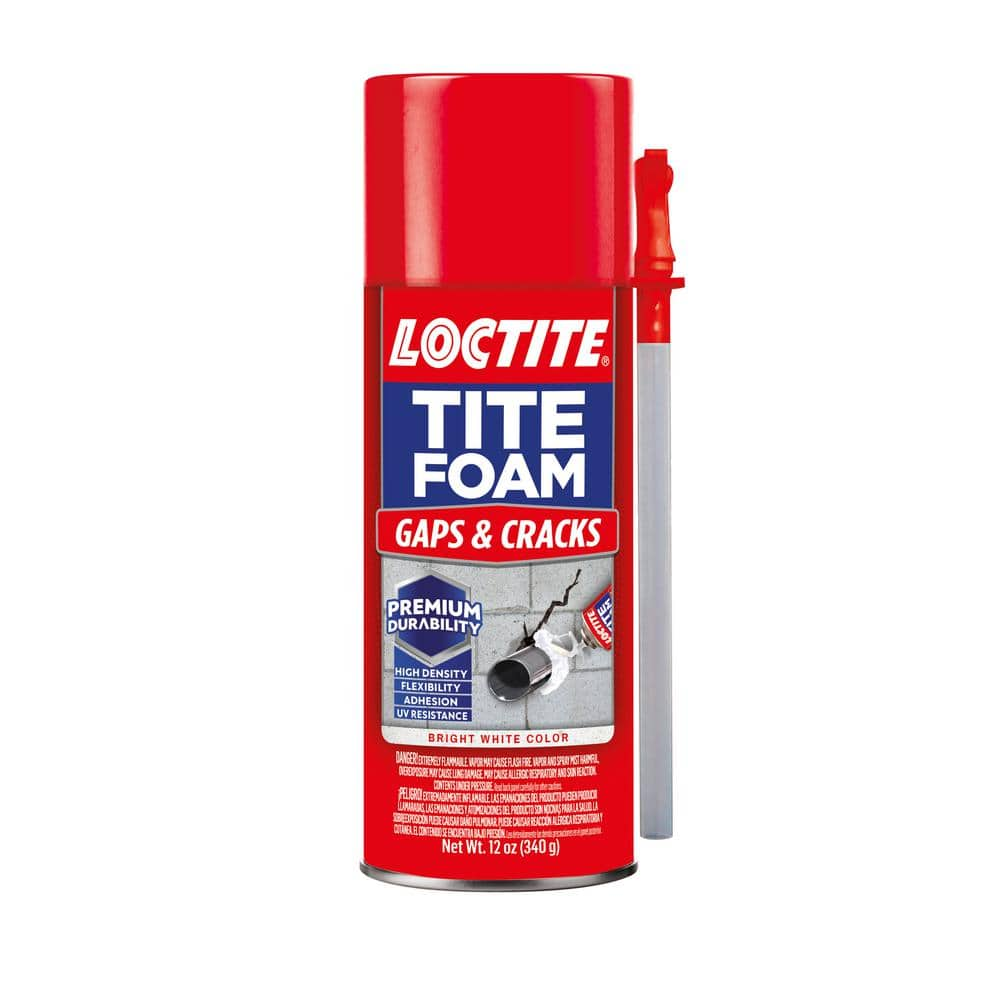
Loctite TITE FOAM Gaps and Cracks Spray Foam, Bright White, 12 oz. Can, Insulating Spray Foam Sealant 2839294
Everbilt 1 in. x 6 ft. Foam Pipe Insulation ORP11812
Duck Pro 1.88 in. x 60 yds. Silver All-Purpose Duct Tape 242760
Duck Pro is the perfect multi-use, performance-grade duct tape to tackle long lasting repairs and temporary fixes no matter the job. Whether you're a pro on the construction site or a DIYer in need of
JES 1 Qt. 26:1 High-Thrust Caulk Gun M26L
Professional caulk and adhesive gun from JES Innovations with 26:1 high thrust ratio, perfect for applying thicker materials, adhesives, or when working in low temperature environments. Engineered for
Loctite TITE FOAM Gaps and Cracks Spray Foam, Bright White, 12 oz. Can, Insulating Spray Foam Sealant 2839294
Loctite TITE FOAM Gaps and Cracks is a new generation of polyurethane-based insulating foam sealant. It expands to fill, seal, and effectively insulate gaps and cracks up to 1 in. in size, inside and out! Based on purified and concentrated ingredients, it provides premium durability for your insulating needs. Loctite TITE FOAM Gaps and Cracks is a bright white color and offers premium durability with its high density, flexibility, strong adhesion and UV resistance. Use to seal out air, moisture and pests in basements or crawlspaces, attic hatches and plumbing, HVAC or electrical penetrations. Quick and convenient to use and apply TITE FOAM Gaps and Cracks offers an easy insulating spray foam option. It is recommended for use in both interior and exterior environments and is sandable and paintable.
Steps

Insulate Exposed Pipes to Prevent Freezing
1 minInsulate exposed pipes, particularly those in unheated areas like crawl spaces, attics, and exterior walls. Use foam pipe insulation sleeves or heat tape for optimal protection. For added security, consider thicker insulation for more extreme climates. Ensure a snug fit by mitering the insulation around elbows and corners.
Watch: Reinstall Pipe Insulation
Seal Air Leaks Around Pipes to Block Cold Air
30 minsCarefully seal any air leaks where pipes enter your home. Use high-quality caulk or expanding foam to fill gaps and cracks effectively, preventing cold air from reaching your pipes. Thoroughly inspect areas around sill plates and exterior wall penetrations.
Watch: Seal the Soffit BoxCommon Problems
Safety concern: Ignoring frozen pipes can lead to burst pipes and costly water damage.
Solution: Take proper safety precautions. Ignoring frozen pipes can lead to burst pipes and costly water damage.
Prevention: Always follow safety guidelines before starting the project.
Ensure that any materials near the insulated pipe are not flammable to avoid a fire risk.
Solution: To avoid this issue: Be mindful of this warning and take appropriate precautions.
Uninsulated pipes lose heat, reducing hot water temperature and increasing energy waste.
Solution: Insulating hot water pipes can prevent heat loss of 2-4 degrees, making your system more efficient.
When insulating pipes near the top of a gas water heater, ensure the insulation is cut short enough to stay clear of the hot draft diverter/flue.
Solution: To avoid this issue: Be mindful of this warning and take appropriate precautions.
Water damage and mold growth occur when non-waterproof sealants fail.
Solution: Using a 100% silicone sealant designed for kitchens and bathrooms will provide the best long-term waterproofing and mold resistance.
Uncontrolled foam insulation can block access to pipes.
Solution: A little foam goes a long way. Apply in short bursts to control the expansion.
Frequently Asked Questions
Do I need any special tools for cutting the foam pipe insulation?
Yes, a sharp utility knife or heavy-duty scissors will make clean cuts. For professional-looking results around elbows and tees, consider using miter cuts to ensure tight, gap-free insulation.
Are there any safety precautions I should take when using expanding spray foam?
Always wear gloves and eye protection when working with expanding spray foam to prevent skin and eye irritation. Ensure the work area is well-ventilated, and avoid inhaling the fumes.
What is the estimated cost for materials to complete this project?
The materials for insulating pipes and sealing air leaks are relatively inexpensive, typically ranging from $50 to $100 for an average home. This makes it a cost-effective preventative measure against potentially costly frozen pipe damage.
What's a common mistake when applying foam pipe insulation, and how can I avoid it?
A common mistake is leaving gaps or uninsulated sections, especially at pipe joints, valves, or bends. Ensure all exposed pipe surfaces are completely covered and secured with duct tape to prevent cold spots.
Can I use heat tape instead of foam insulation, or should I use both?
Heat tape is an excellent alternative or supplement for pipes in extremely cold, exposed areas. For optimal protection, especially in very harsh climates, combining heat tape with foam insulation provides superior defense against freezing.
Which pipes are most important to insulate first to prevent freezing?
Prioritize pipes located in unheated spaces such as basements, crawl spaces, attics, garages, and exterior walls. Any pipe running through an area prone to cold air exposure should be a top priority.