Lawn Mowing
About This Project
This DIY project outlines the process of mowing a lawn, covering preparation, the mowing itself, and post-mowing cleanup. It aims to provide a comprehensive guide for maintaining a healthy and presentable lawn.
Steps

Inspect and Prepare Mower
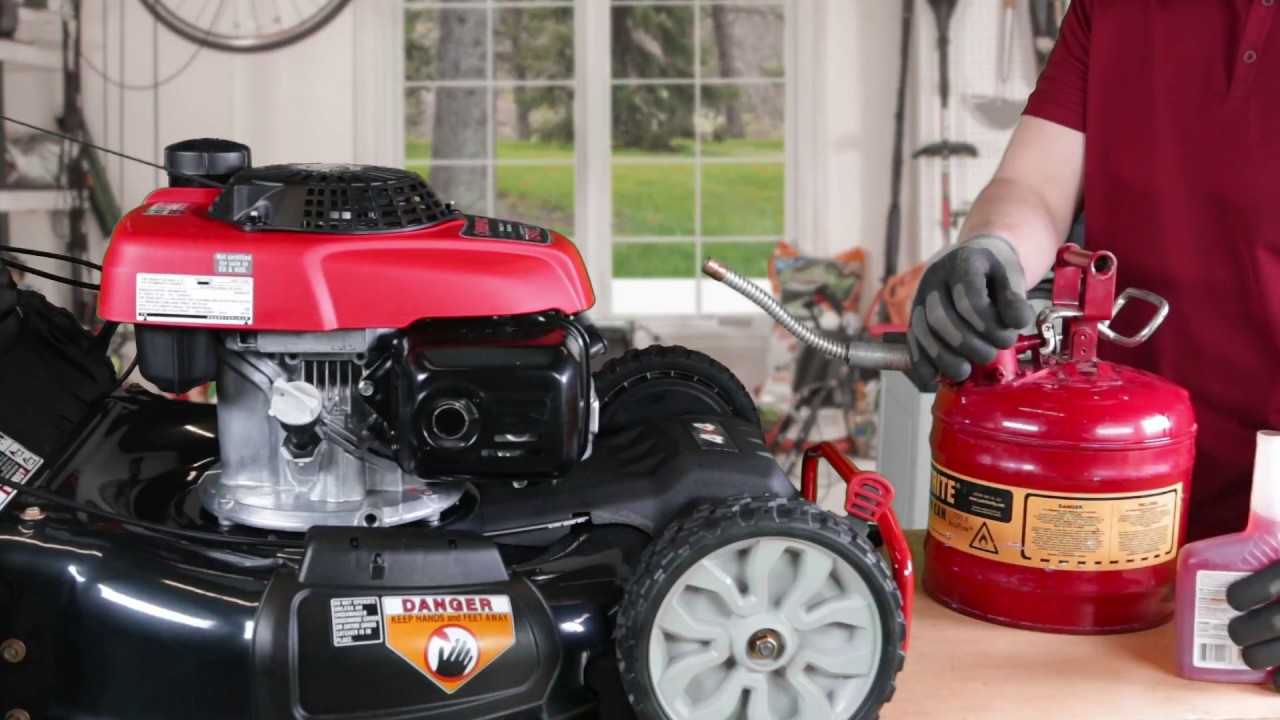
10 minsConduct a thorough visual inspection of your lawn mower. Check for any loose parts, damaged components, or debris obstruction. Ensure the gas tank is filled with the correct type of fuel and the oil level is within the recommended range. Verify that the mower blade is sharp and properly tightened to ensure an efficient and clean cut.
Watch: Check Mower Blade and Tires
Clear the Lawn of Obstacles
15 minsWalk the entire area of the lawn that you intend to mow. Pick up and remove any debris that could interfere with the mowing process or pose a safety risk. This includes stones, fallen branches, children's toys, garden hoses, pet waste, and any other foreign objects.
Watch: Position and Prepare for Mowing
Mow the Lawn
45 minsStart the lawn mower according to its operating instructions. Begin mowing the lawn, maintaining a consistent pace. For a professional look, follow a pattern such as mowing in straight, overlapping lines. If the grass is very tall, consider mowing at a higher setting first, then lowering the height for a second pass. Ensure you are cutting no more than one-third of the grass blade height at a time.
Watch: Mow the Main Lawn in Straight Lines
Clean Up Grass Clippings
20 minsAfter mowing, use a rake or leaf blower to gather any clumps of grass clippings that have accumulated on the lawn, sidewalks, or driveway. Dispose of the clippings properly, either by composting them or placing them in yard waste bags for collection.
Watch: Properly Clear Grass Clippings
Clean and Store Mower
15 minsTurn the mower off and disconnect the spark plug wire. Use a brush or hose to remove grass clippings and debris from the mower deck, wheels, and engine. Ensure the mower is dry before storing it in a garage, shed, or other dry, protected area to prevent rust and damage.
Watch: Clean Mowing DeckFrequently Asked Questions
What's the best type of lawn mower for a beginner, and what other tools are essential?
For beginners, a push mower (gas or electric) is a common choice for smaller to medium lawns. Beyond the mower, essential tools include safety glasses, hearing protection, sturdy closed-toe shoes, and potentially a string trimmer for edges and a leaf blower for clippings. Ensure your mower blades are sharp for a clean cut.
What are the most critical safety precautions I should take before and during lawn mowing?
Always wear safety glasses, hearing protection, and sturdy closed-toe shoes. Before starting, clear the lawn of any debris like rocks, toys, or branches that could be ejected by the blades. Never refuel a hot engine, and avoid mowing wet grass as it's slippery and can clog the mower.
My lawn looks uneven or 'scalped' in some areas after mowing. What am I doing wrong?
Uneven cuts or scalping often result from setting the mower deck too low or having dull blades. Always ensure your mower blades are sharp and adjust the cutting height to remove no more than one-third of the grass blade's length at a time. Overlapping your mowing passes slightly can also help achieve an even finish.
How often should I mow my lawn, and does the estimated 3-hour time apply to all lawns?
Mowing frequency depends on grass type, growth rate, and weather, but typically once a week is sufficient during growing seasons. The 3-hour estimate is a general guide; larger lawns, overgrown grass, or challenging terrain will naturally take longer. Factors like obstacles and mower type also influence the total time.
Besides the mower itself, what other costs should I consider for regular lawn maintenance?
Ongoing costs include fuel or electricity for your mower, replacement string trimmer line, and periodic maintenance items like oil changes, new spark plugs, and air filters for gas mowers. Don't forget the cost of professional blade sharpening or replacement blades, which are crucial for a healthy lawn.
Are there eco-friendly alternatives to traditional gas-powered lawn mowers?
Yes, electric mowers (corded or cordless) offer a quieter and emission-free alternative for most residential lawns. For smaller, flatter lawns, a manual reel mower is a highly eco-friendly option, providing a clean cut without any fuel or electricity. Choose the option that best suits your lawn size and budget.