Dishwasher Filter Cleaning
About This Project
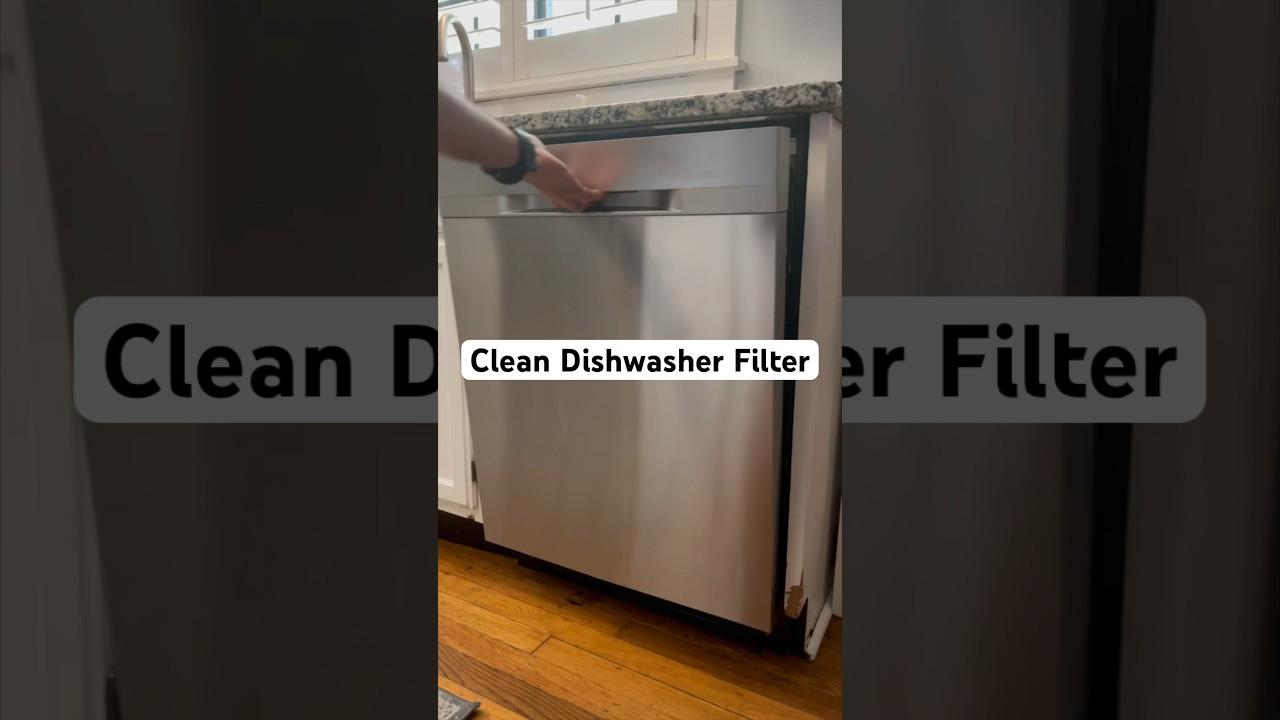
This project outlines the steps to locate, remove, clean, and reinsert the filter in a dishwasher to ensure optimal performance and hygiene.
Tools & Materials
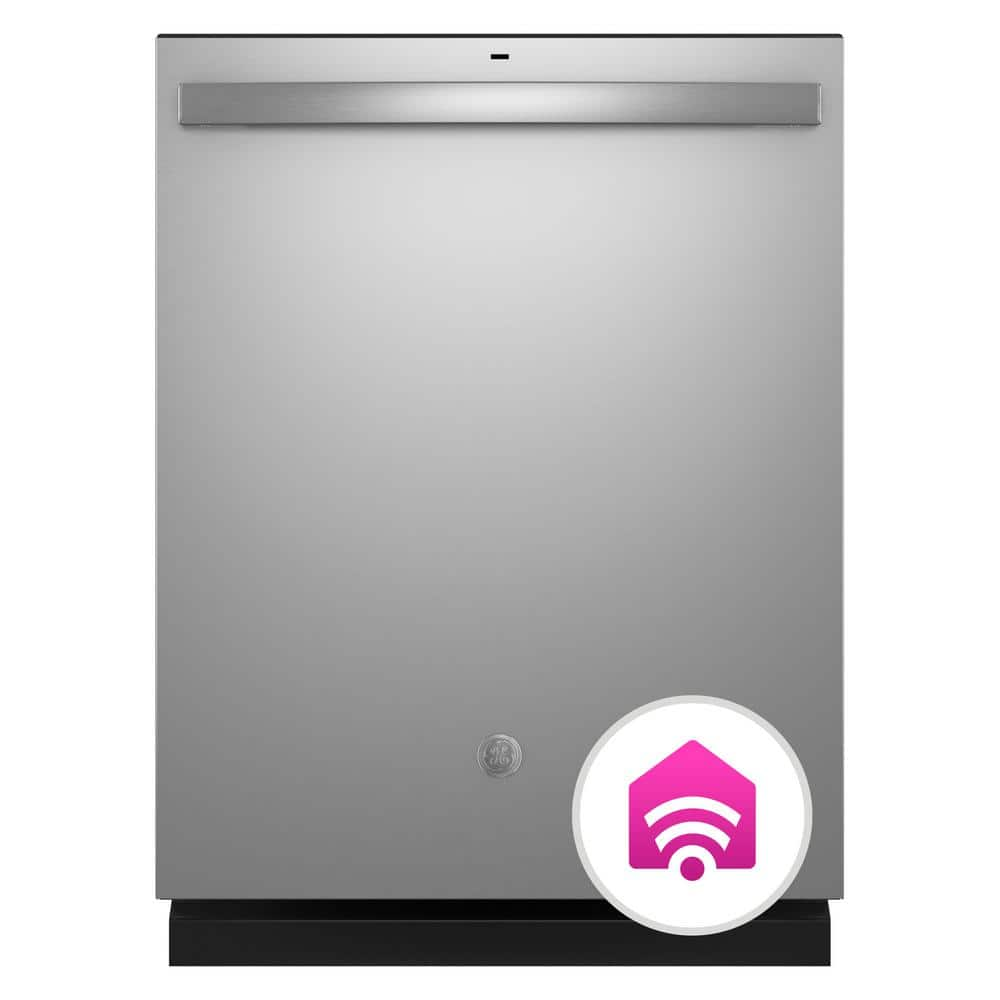
GE 24 in. Smart Built-In Tall Tub Top Control Stainless Steel Dishwasher w/Stainless Interior Door and Plastic Tub, 50 dBA GDT635HSRSS

ACDelco Air Filter A212CW
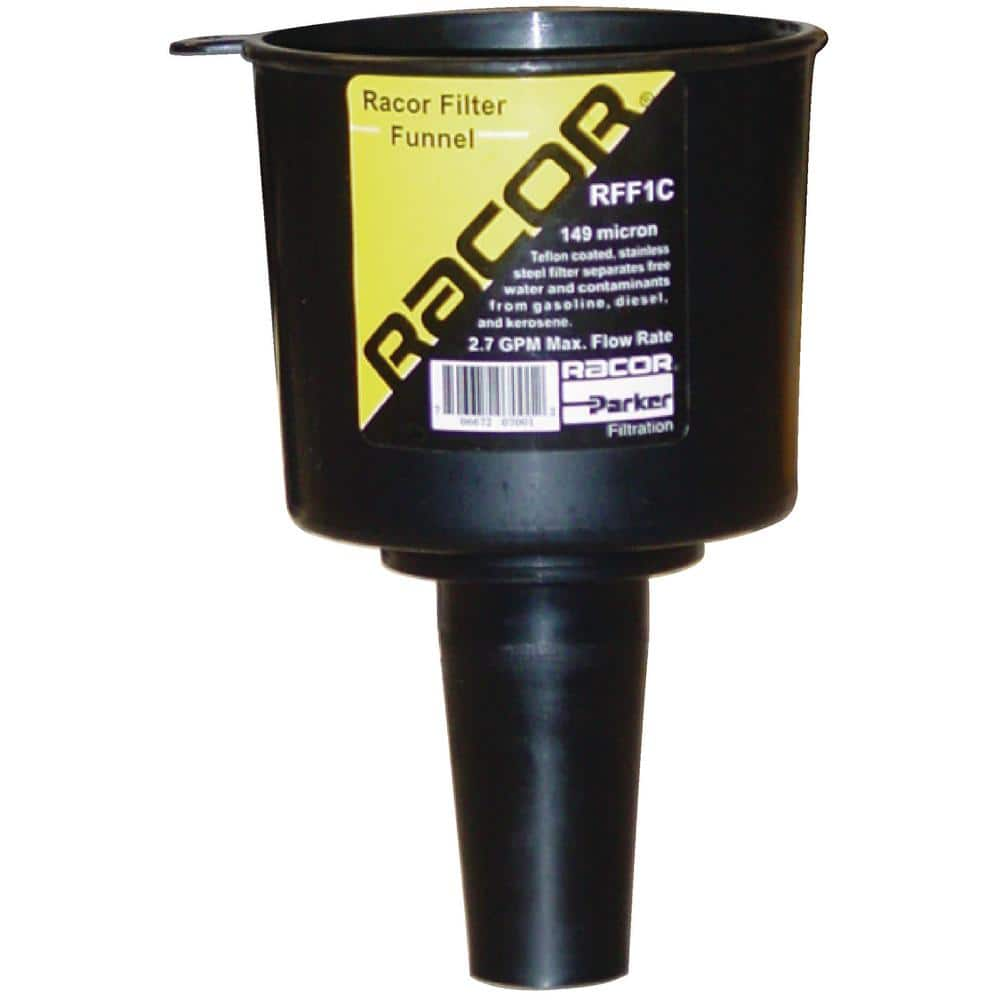
Racor Fuel Filter Funnel - Water Separating, 2.7 GPM, 127 Micron RFF1C
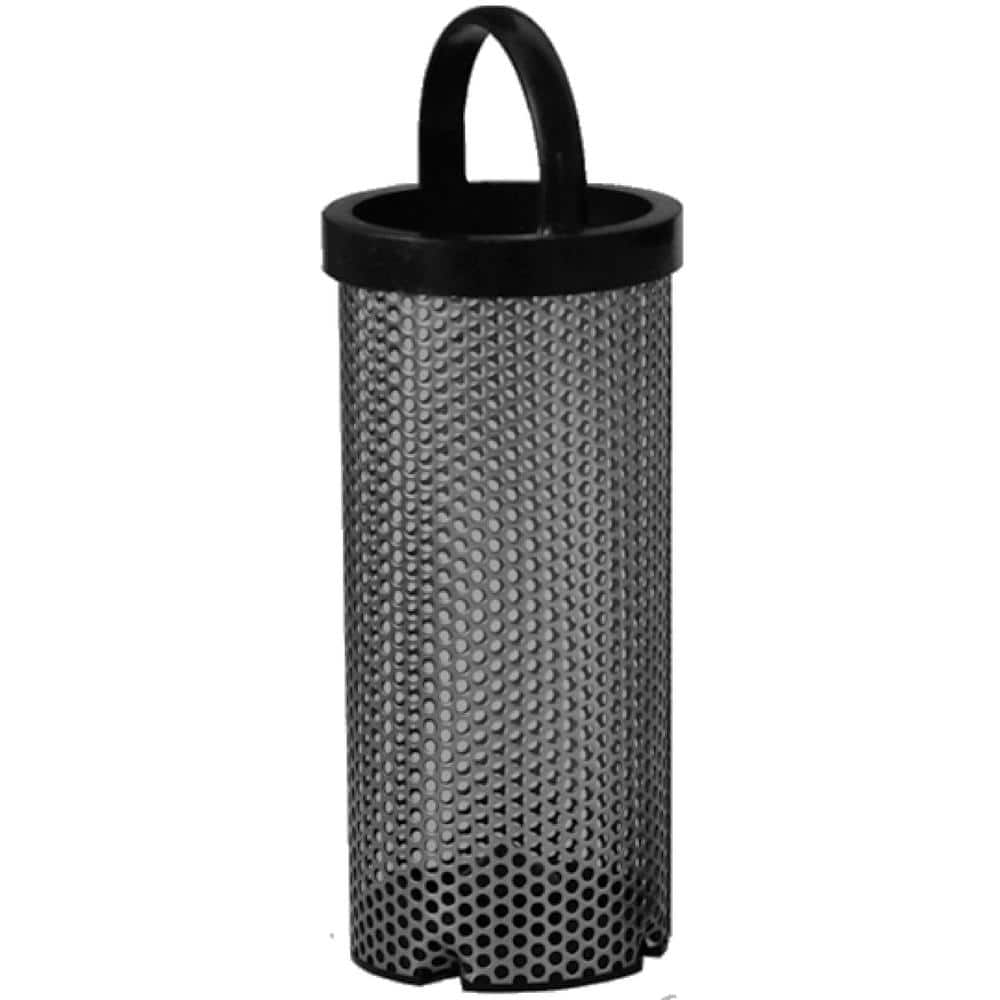
Groco #304 Stainless Steel Filter Basket BS-1
Water
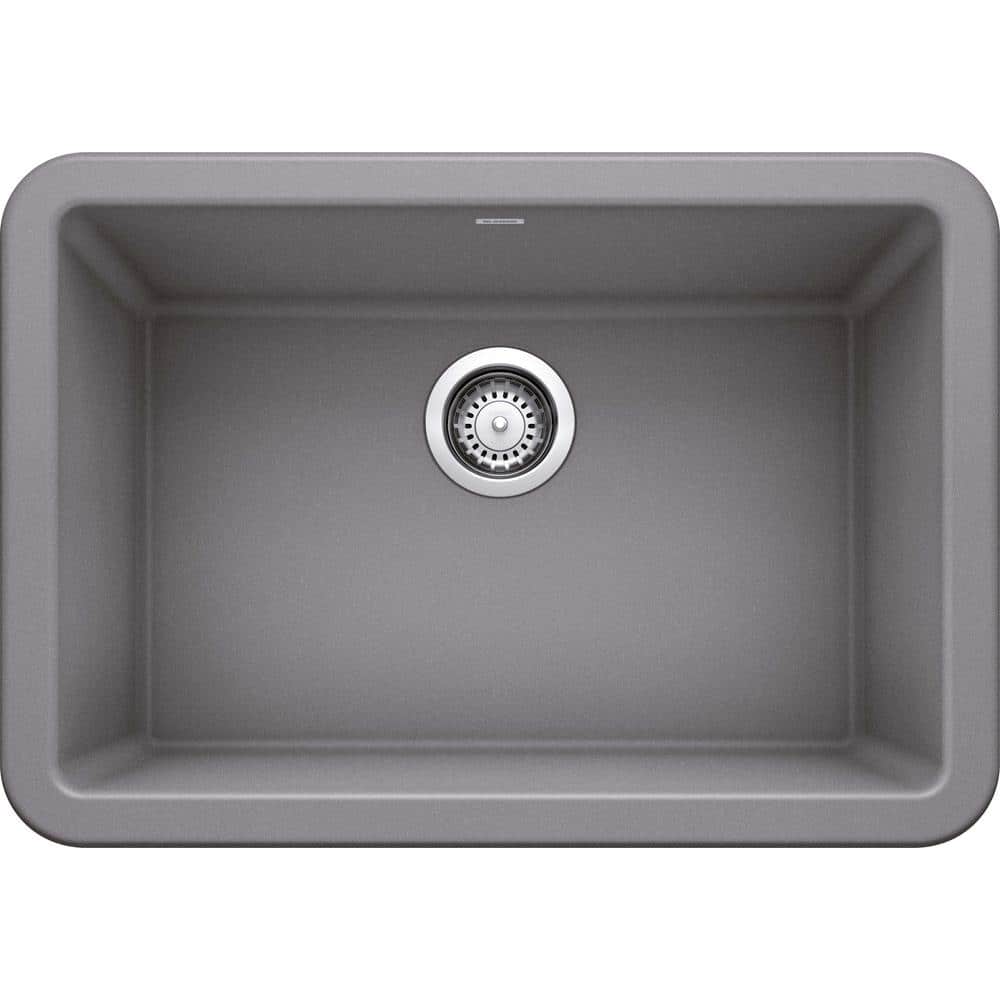
Blanco IKON SILGRANIT Granite Composite 27 in. Single Bowl Farmhouse Apron Kitchen Sink in Metallic Gray 402314
GE 24 in. Smart Built-In Tall Tub Top Control Stainless Steel Dishwasher w/Stainless Interior Door and Plastic Tub, 50 dBA GDT635HSRSS
At GE Appliances, we bring good things to life, by designing and building the world's best appliances. Our goal is to help people improve their lives at home by providing quality appliances that were made for real life. Whether it's enjoying the tradition of making meals from scratch or tackling a mountain of muddy jeans and soccer jerseys, GE Appliances are crafted to support any and every task in the home.
ACDelco Air Filter A212CW
With more than 100 years of experience, we know how to help filter out the bad stuff. ACDelco GM Oil Filters, Fuel Filters, Transmission Filters and Air Filters are manufactured from quality materials
Racor Fuel Filter Funnel - Water Separating, 2.7 GPM, 127 Micron RFF1C
Includes stainless steel filters that are permanently attached and designed to work with hydrocarbon fuels only. The purpose of this product is to remove solid contamination down to 0. 005 in. and free
Groco #304 Stainless Steel Filter Basket BS-1
Spare Basket. Quality marine product. Limited warranty. Competitive price.
Water
Essential for life and countless tasks.
Blanco IKON SILGRANIT Granite Composite 27 in. Single Bowl Farmhouse Apron Kitchen Sink in Metallic Gray 402314
Introducing the BLANCO IKON Farmhouse Collection. The IKON is the world's first apron-front sink made of natural granite composite, SILGRANIT, our patented, certified granite composite material that is
Steps


Remove the filter assembly
3 minutesOnce located, the filter assembly typically consists of a cylindrical fine-mesh filter and sometimes a coarser outer filter. To remove it, you will usually need to twist the cylindrical part counter-clockwise and then lift it straight up out of its base. Some models may have a different mechanism, so consult your manual if needed.
Watch: Remove Fine Filter Assembly
Disassemble the filter
2 minutesMany dishwasher filter systems have two parts: a larger, coarser filter that catches larger food particles, and a smaller, finer mesh filter that captures smaller debris. Carefully separate these two components. They often pull apart or twist to release.
Watch: Clean/Install Fine Mesh Filter

Clean stubborn debris
5 minutesFor filters that have stubborn grease or buildup, use a soft-bristled brush (like an old toothbrush) and a small amount of mild dish soap. Gently scrub all surfaces of both filter components, paying attention to any areas with visible residue. Rinse thoroughly again after scrubbing.
Watch: Clean Filters

Reassemble and reinsert the filter
3 minutesIf you disassembled the filter, put the components back together, ensuring they click or twist securely into place. Then, carefully align the reassembled filter with its housing in the dishwasher tub and press down gently. Twist the filter clockwise until it locks into position, indicating it is properly seated.
Watch: Reassemble and Reinstall FilterCommon Problems
The dishwasher filter seems stuck or is difficult to remove, and you're afraid to force it.
Solution: Stop applying excessive force. Different dishwasher models have different filter removal mechanisms (some twist, some lift, some have a small latch or screw). Consult your dishwasher's user manual for specific instructions tailored to your model. Gently wiggle the filter while attempting the correct motion. If dried food debris is making it stiff, try soaking the area with warm, soapy water for a few minutes to loosen it.
Prevention: Always consult your dishwasher's user manual before beginning. This will show you the exact location and removal method for your specific filter, preventing damage and frustration.
A piece of the plastic filter assembly breaks off during removal or disassembly.
Solution: Immediately stop all work. Collect any broken pieces, especially small ones, to prevent them from entering the dishwasher pump or drain. Do NOT run the dishwasher with a broken filter, as this can lead to pump damage, drainage issues, or ineffective cleaning. You will need to order a replacement filter assembly specifically for your dishwasher model before using the appliance again.
Prevention: Handle the filter components with care and avoid using excessive force. If the filter feels resistant, re-check your dishwasher manual for the correct removal procedure. Be extra gentle with plastic parts, as they can become brittle over time.
You cut or scrape your hand on sharp debris (like broken glass) or a sharp edge of the filter itself.
Solution: Immediately stop and thoroughly rinse the wound with clean water and soap. Apply an antiseptic solution and a clean bandage. If the cut is deep, bleeding heavily, or you suspect glass shards are embedded, seek medical attention.
Prevention: Always wear sturdy, cut-resistant gloves (e.g., heavy-duty rubber dishwashing gloves) when reaching into the dishwasher tub or handling the filter. Before touching anything, visually inspect the dishwasher tub and filter for any broken glass or other sharp objects.
Dishes are still coming out dirty, or water is pooling at the bottom of the dishwasher after cleaning and reinserting the filter.
Solution: Remove the filter assembly again. Carefully inspect each component to ensure it's clean, correctly aligned, and fully snapped or twisted into place. Check the filter housing area at the bottom of the dishwasher tub for any overlooked debris or blockages. Ensure the entire filter assembly is properly seated and locked according to your dishwasher's design, preventing water from bypassing the filter.
Prevention: Pay close attention during the removal process, noting how the filter pieces fit together and how it's secured. When reassembling, ensure all parts click firmly into place and the filter is correctly oriented and seated before locking it down. A quick test of how it 'feels' when locked can help.
A persistent foul odor or moldy/slimy residue quickly returns to the dishwasher after cleaning the filter.
Solution: The odor source likely extends beyond just the filter. Re-clean the filter thoroughly using a soft scrub brush and hot, soapy water, ensuring all crevices are free of particles and grease. Then, extensively clean the filter housing area and the bottom of the dishwasher tub, especially around the drain. Consider running a hot cycle with a specialized dishwasher cleaner, a cup of white vinegar, or baking soda placed in an open, dishwasher-safe bowl on the bottom rack.
Prevention: Clean the dishwasher filter regularly (e.g., monthly for daily users). Use a soft brush to ensure all food particles, grease, and residue are physically scrubbed away, not just rinsed. Regularly wipe down the area under and around the filter during routine maintenance.
Chemical cleaning solution (if used) splashes onto your skin or into your eyes.
Solution: Immediately flush the affected skin or eyes with large amounts of clean, running water for at least 15-20 minutes. If irritation persists or is severe, consult the product's safety data sheet for first aid instructions or seek immediate medical attention.
Prevention: Always wear appropriate personal protective equipment, including safety glasses or goggles and chemical-resistant gloves, when handling any cleaning chemicals. Read the product label carefully for specific safety instructions, including ventilation requirements.
Frequently Asked Questions
What tools and materials do I need to clean my dishwasher filter?
You'll primarily need water and a soft scrub brush or an old toothbrush to clean the filter components. For stubborn grime, a mild dish soap or a specialized dishwasher filter cleaner can be helpful. A sink or basin is also needed for rinsing.
Are there any safety precautions I should take before cleaning the dishwasher filter?
It's a good practice to turn off the power to your dishwasher at the circuit breaker before starting, especially if you're reaching into the lower parts of the appliance. Always ensure the dishwasher is cool if it has recently run, and be mindful that some filter edges can be sharp.
How often should I clean my dishwasher filter to maintain optimal performance?
For most dishwashers, it's recommended to clean the filter every one to three months, depending on usage and how much food debris typically ends up in the machine. If you notice dishes aren't getting clean, there's an odor, or drainage issues, clean it more frequently.
What should I do if the filter is difficult to remove or reinsert?
Many filters simply twist or lift out; refer to your dishwasher's manual for specific instructions if it's stuck. When reinserting, ensure all components are properly aligned and not forced, as improper placement can lead to cleaning issues or damage. Double-check for any trapped debris blocking the path.
My dishwasher still has an odor even after I cleaned the filter. What else could be the problem?
While a clean filter is essential, odors can also originate from food residue trapped in the spray arms, door gaskets, or the drain hose. Try running an empty hot cycle with a dishwasher cleaner, white vinegar, or baking soda, and regularly wipe down the rubber seal around the door.
How difficult is it to clean a dishwasher filter, and how much time should I set aside?
This is generally considered a beginner-level DIY project. Most people can complete the entire process of locating, removing, cleaning, and reinserting the filter within 15 to 30 minutes. The first time may take a bit longer as you familiarize yourself with your specific dishwasher model.