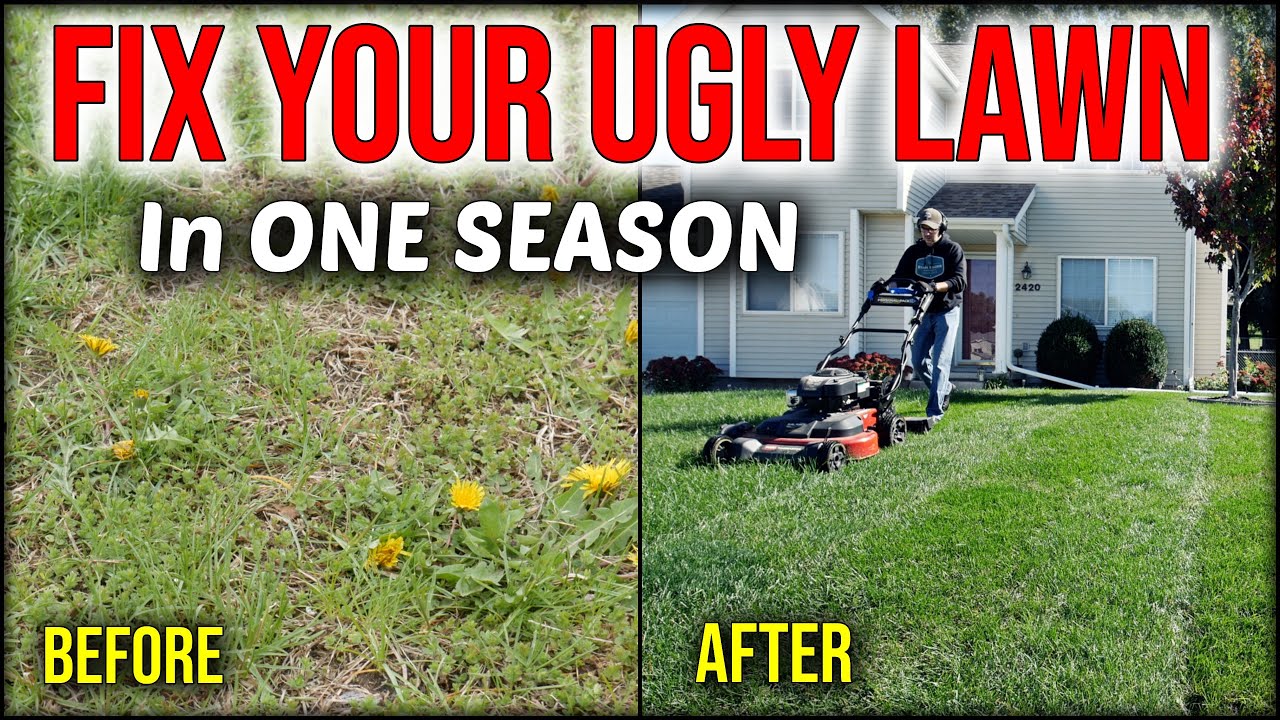
Lawn Fertilization
About This Project
Develop a high-level outline for a DIY lawn fertilization project. This includes understanding soil needs, selecting the appropriate fertilizer, choosing the right time and method of application, and post-application care.
Tools & Materials

Soil Test Kit
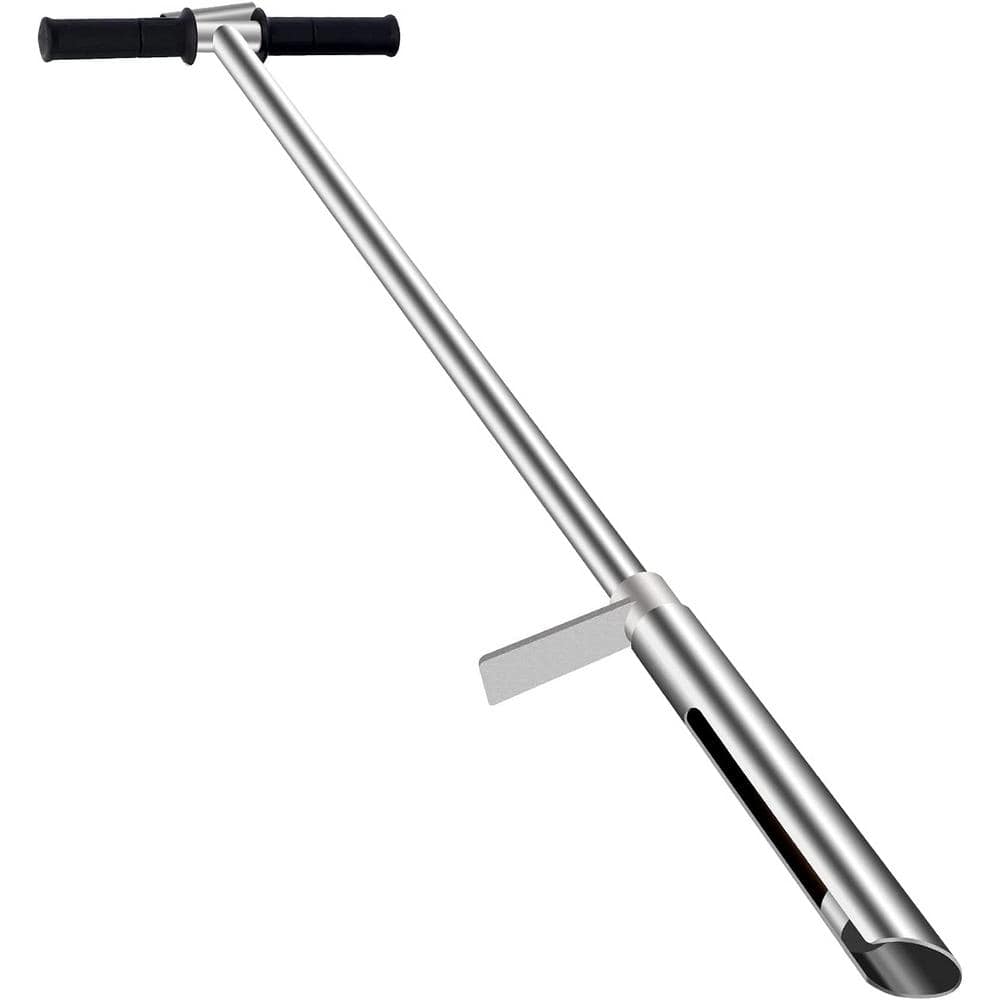
40 in. (1 m) Soil Sampler Probe 304 Stainless Steel Handle with Ejector and Foot Pedal B081MTJ861

Plasticplace 21.5 in. x 30.75 in., 12-16 Gal. White Drawstring Trash Bags Simplehuman Code M Compatible (200-Count 4-Pack) TRA220WH-4PK

Gardening Gloves
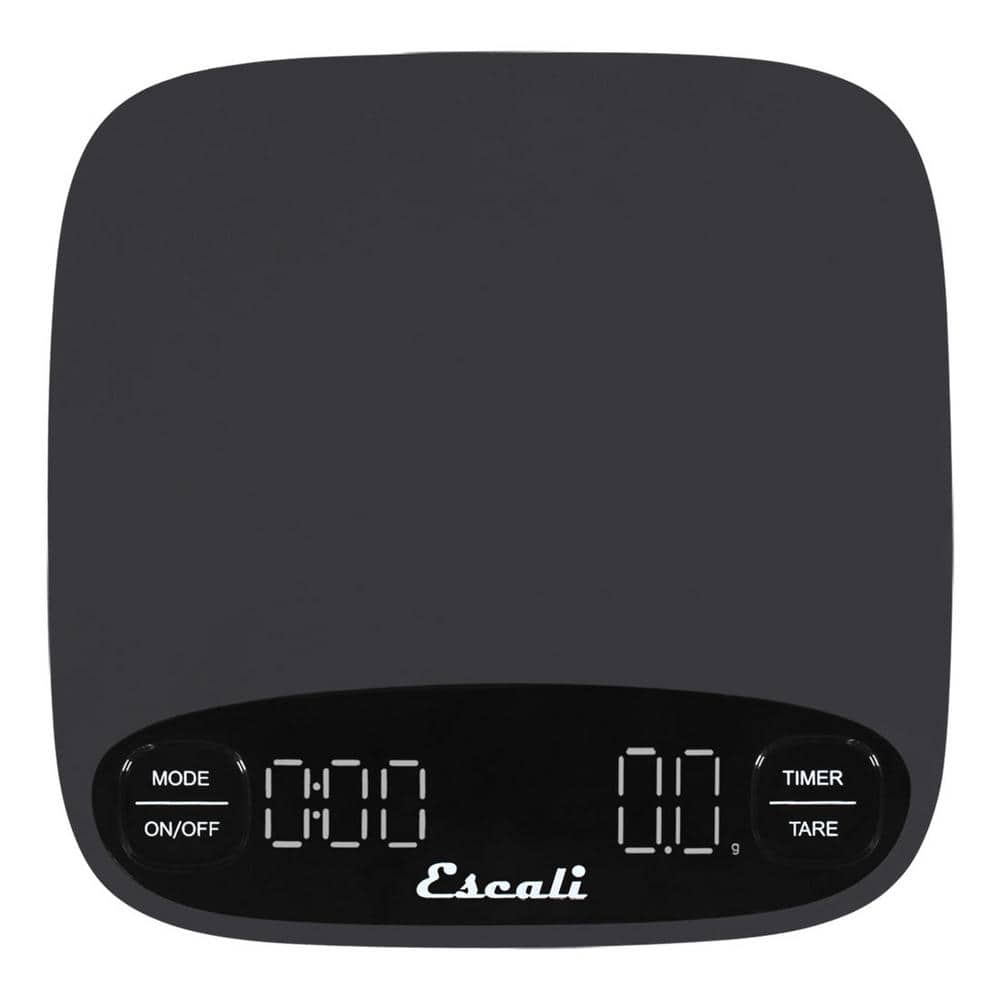
Escali Versi 6.6 lb. Coffee Scale CF63B
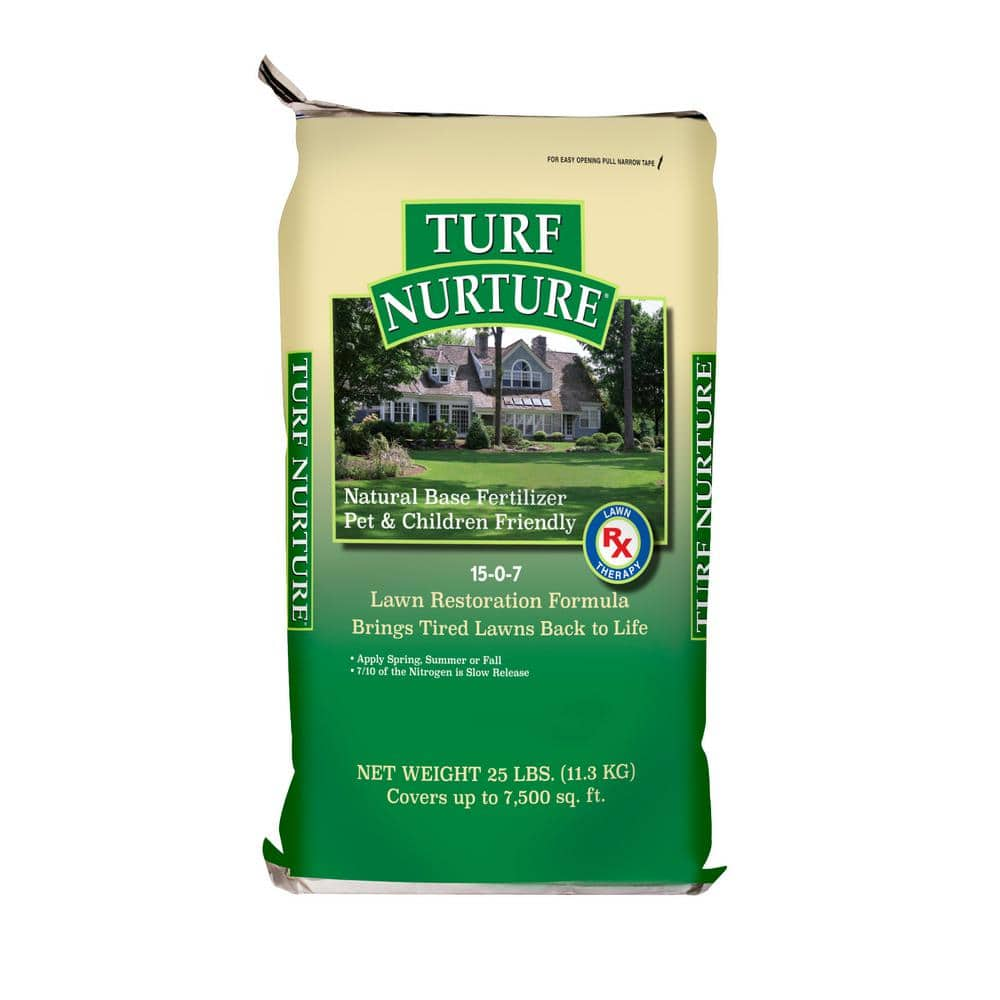
Turf Nurture 25 lbs. Natural Base Fertilizer 2729821
Soil Test Kit
Reveals soil's pH, nutrients, and minerals.
40 in. (1 m) Soil Sampler Probe 304 Stainless Steel Handle with Ejector and Foot Pedal B081MTJ861
The soil sampler probe tool can obtain undisturbed soil samples close to the natural structure, to facilitate analysis of the composition of the soil for your further research and work. It works best on soil that is neither hardened nor dried. The design of the antiskid handle of the soil sampler probe makes the friction force larger and the earth picker easier. It will not hurt the hand when drilling the soil, so it is more safe and efficient.
Plasticplace 21.5 in. x 30.75 in., 12-16 Gal. White Drawstring Trash Bags Simplehuman Code M Compatible (200-Count 4-Pack) TRA220WH-4PK
Tired of spending more on expensive trash bags? The Plasticplace brand has created alternative trash bags, that fit perfectly on your Code M trash can. With a super thickness of 1.2 Mil thick, making this into a tear-resistant garbage bag, you've got the ultimate quality bag. The reinforced drawstrings, makes them a breeze to pull them out of the can and carry them.
Gardening Gloves
Protects hands during gardening adventures.
Escali Versi 6.6 lb. Coffee Scale CF63B
The Versi Digital Coffee Scale is the ideal scale for the home coffee connoisseur or coffee shop barista. The Versi coffee scale is feature rich with 4 modes, a bright LED display and a weight capacity
Turf Nurture 25 lbs. Natural Base Fertilizer 2729821
Turf Nurture provides quick acting lawn repair and renewal. This natural base formula contains 70% slow release nitrogen. Turf Nurture releases slowly as it biodegrades into the soil. It can be applied
Steps

Test Soil pH and Nutrient Levels
60 minutesCollect soil samples from various areas of your lawn, following the instructions on the soil test kit. Mix the samples together and send them to a lab or use an at-home testing kit. Analyze the results to understand the soil's pH level and the presence of essential nutrients like nitrogen, phosphorus, and potassium. This information is crucial for choosing a fertilizer that will best meet your lawn's specific needs and correct any imbalances.
Watch: Understand the Importance of Soil Testing
Select Appropriate Fertilizer
30 minutesBased on the soil test results, select a fertilizer with the appropriate N-P-K (Nitrogen-Phosphorus-Potassium) ratio. For example, if the soil is deficient in nitrogen, choose a fertilizer with a higher first number. If the soil pH is too low (acidic), you might need a fertilizer that helps raise the pH, or consider amendments. Different grass types also have varying nutrient requirements. Consider a slow-release fertilizer for more even feeding and less risk of burning the lawn. Look for fertilizers specifically formulated for the season (e.g., spring, summer, fall).
Watch: Select and Understand Your Fertilizer
Determine Optimal Application Time
15 minutesFertilize when your lawn is actively growing. For cool-season grasses (like fescue, ryegrass, bluegrass), the best times are typically early spring and fall. For warm-season grasses (like Bermuda, zoysia, St. Augustine), late spring and summer are ideal. Avoid fertilizing during extreme heat waves or when the grass is dormant. Ensure the grass is dry to prevent fertilizer from sticking to blades and causing burns, and to allow for even distribution.
Watch: Time Your Fertilization Correctly
Prepare Lawn for Fertilization
30 minutesBefore applying fertilizer, mow your lawn to a normal height. This helps ensure that the fertilizer granules reach the soil surface rather than getting caught in the grass blades. Rake up any excessive thatch (dead grass at the soil level) or debris like leaves and twigs. A clean, evenly cut lawn will allow for uniform application and absorption of the fertilizer.
Watch: Mow the Lawn
Calibrate and Apply Fertilizer
45 minutesRead the fertilizer bag for the recommended application rate per square foot. Calibrate your spreader (either broadcast or drop spreader) to match this rate. This is a critical step to avoid over- or under-fertilizing. Most spreader manufacturers provide calibration charts or instructions. Apply the fertilizer in a uniform pattern, typically by making overlapping passes in one direction, then perpendicular passes. For broadcast spreaders, make passes in a fan-like pattern. For drop spreaders, make straight, parallel passes.
Watch: Spread Fertilizer
Water the Lawn
30 minutesAfter applying the fertilizer, water your lawn thoroughly. This helps to wash the fertilizer granules off the grass blades and into the soil, where the nutrients can be absorbed by the roots. It also helps to prevent the fertilizer from burning the grass. Aim for about 1/4 to 1/2 inch of water, depending on your soil type and the temperature.
Watch: Water the Lawn
Post-Application Care and Monitoring
10 minutesObserve your lawn over the next few weeks for signs of improved color and growth. Continue with your regular lawn maintenance practices, including appropriate mowing and watering. Be vigilant for any signs of fertilizer burn (yellow or brown patches) or weed/insect outbreaks that may be exacerbated by the fertilization. Address any issues promptly according to best lawn care practices.
Watch: Post-Application Observation and Follow-UpCommon Problems
Skin irritation, eye discomfort, or breathing issues due to contact with fertilizer dust or granules.
Solution: Immediately wash affected skin with soap and water. If fertilizer gets into eyes, rinse thoroughly with clean water for at least 15 minutes and seek medical attention if irritation persists. Move to fresh air if breathing issues occur and consult a doctor if symptoms don't improve.
Prevention: Always wear gardening gloves, safety glasses, and a face mask (like the MAKANA Face Mask specified) when handling and applying fertilizer, especially granular types that can create dust. Read and follow all safety instructions on the fertilizer packaging.
Patches of grass turning yellow or brown and dying shortly after fertilization, often appearing as 'streaks' or distinct burnt areas.
Solution: Immediately and thoroughly water the affected areas to dilute the fertilizer and wash it down into the soil, away from the grass blades. Continue to water daily for a few days. If severe, some grass may die and need to be reseeded later.
Prevention: Calibrate your broadcast spreader (as mentioned in the project steps) according to the fertilizer bag's instructions for your specific product and spreader model. Walk at a consistent pace and avoid stopping with the spreader open. Consider making two passes with half the recommended setting rather than one pass with the full setting for more even coverage.
The lawn has noticeable streaks of darker green grass alternating with lighter green or even yellow areas after a few weeks, indicating uneven fertilizer distribution.
Solution: For lighter areas, you can do a very light reapplication at about half the recommended rate, being careful not to overlap areas that already received enough. For darker (over-fertilized) streaks, water deeply to help dilute the nutrients. It may take time for the lawn to even out.
Prevention: Before applying, ensure your broadcast spreader is properly calibrated. Walk at a consistent speed, and overlap your passes slightly to ensure even coverage. If using a drop spreader, be sure to overlap wheel marks. Ensure you have enough fertilizer for the entire lawn before starting.
The lawn shows little to no improvement, or even declines, after fertilization, despite correct application rates.
Solution: If fertilizer was applied right before a heavy downpour, you might need to reapply a small amount later if significant washout occurred. If applied during the wrong season, wait for the optimal season (typically spring or fall for cool-season grasses, late spring/early summer for warm-season) and re-evaluate your lawn's needs with another soil test. Provide proper watering and monitor the lawn.
Prevention: Research the optimal fertilization windows for your specific grass type and local climate. Check the weather forecast for at least 24-48 hours before applying to ensure no heavy rain or high winds are predicted. Fertilize when grass is dry but the soil is slightly moist.
Running out of fertilizer in the middle of the application, leaving large sections of the lawn untreated.
Solution: Stop application immediately. Measure the remaining lawn area and calculate the additional fertilizer needed. Purchase more of the exact same fertilizer if possible to avoid uneven growth or differing nutrient responses. Re-start the application from where you left off.
Prevention: Accurately measure your lawn's square footage (e.g., using a measuring tape or online satellite tools) before purchasing fertilizer. Check the fertilizer bag's coverage rate and buy slightly more than calculated to account for minor calibration errors or spills.
Fertilizer granules landing on sidewalks, driveways, garden beds, or water features, potentially causing stains, plant damage, or water pollution.
Solution: Immediately sweep or blow (using the BLACK+DECKER leaf blower) any fertilizer off hard surfaces back onto the lawn or into a trash bag. Water down accidentally fertilized garden beds heavily to dilute it. For water features, try to remove granules quickly and consider replacing some water if contamination is significant.
Prevention: Use a broadcast spreader with an edge guard or deflector if available for precise application near borders. For areas next to non-lawn zones, consider using a drop spreader or hand-applying fertilizer very carefully in those specific spots. Always start applying a few feet from the edge and work your way in, then make passes along the edges.
Frequently Asked Questions
What is the most critical first step before I even buy fertilizer?
The most critical first step is to perform a soil test. This will tell you your soil's pH and nutrient levels, allowing you to choose a fertilizer that precisely addresses your lawn's specific needs, preventing waste and potential damage from over-fertilization.
What tools are absolutely essential for fertilizing my lawn effectively?
You'll definitely need a soil test kit, a broadcast spreader for even application, and a lawn mower to prepare the lawn. A soil sampler probe helps get accurate samples, and a leaf blower can clear debris before spreading and clean up granules afterward.
What are the key safety precautions to take when handling and applying fertilizer?
Always wear gloves, eye protection, and closed-toe shoes to protect yourself from skin and eye irritation. Read the fertilizer label carefully for specific instructions, and keep children and pets off the lawn until the fertilizer has been watered in and dried completely, usually 24-48 hours.
How can I avoid common mistakes like over-fertilizing or uneven application?
To prevent over-fertilization, calibrate your broadcast spreader according to the bag's instructions for the correct rate. For even coverage, apply half the recommended amount walking in one direction, then apply the other half walking perpendicularly. Sweep any granules off hard surfaces immediately to prevent staining and runoff.
What is the best time of year to fertilize my lawn?
The optimal time depends on your grass type and climate, but generally, spring and fall are ideal for most lawns. Avoid fertilizing during summer's peak heat or during a drought, as this can stress the grass and potentially burn it.
How long will this DIY fertilization project typically take, and what's the expected difficulty?
The project is rated as 'beginner' difficulty. While waiting for soil test results can take a few days, the actual preparation and application on a typical residential lawn might only take 1-2 hours. Accounting for watering, the active time is minimal but attention to detail is crucial.
Are there different types of fertilizer, and how do I choose the right one?
Yes, fertilizers come with different NPK ratios (Nitrogen, Phosphorus, Potassium). Your soil test results will indicate which nutrients your lawn needs most. You can choose between synthetic, fast-release options or slower-release organic fertilizers, which feed the lawn more gradually.