Install a Shower Valve at the Correct Height: A Step-by-Step DIY Guide
About This Project
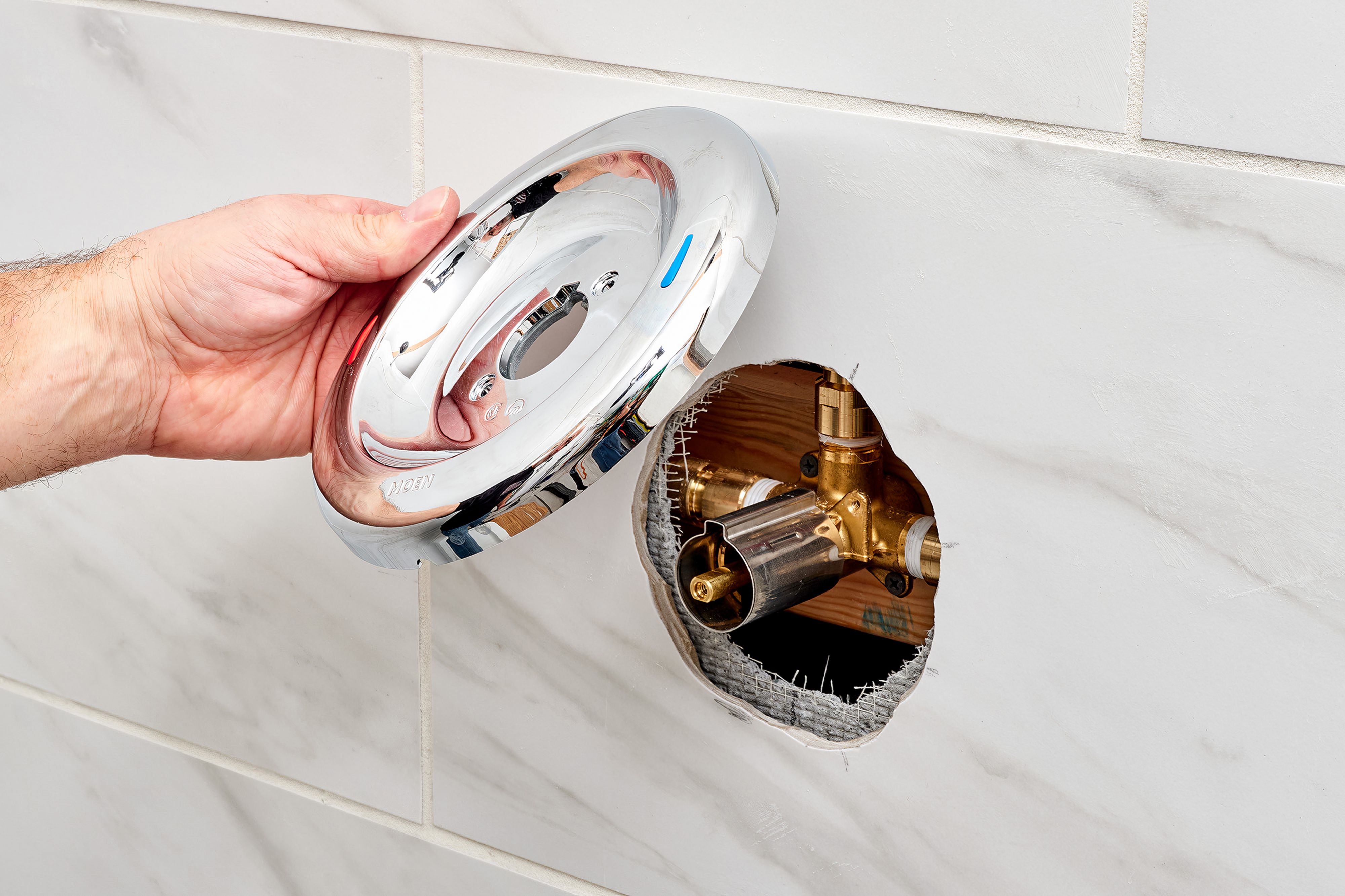
This DIY guide details the steps to install a shower valve at the correct height. First, turn off the water supply and drain the pipes. Then, access the shower plumbing area by carefully cutting an access panel, using a stud finder to avoid damaging the wall framing. Install blocking between the studs to securely mount the valve, adjusting the height as needed. Solder the copper pipes to the valve or connect PEX, ensuring secure and leak-free connections. Slowly restore the water supply and check all connections for leaks. Finally, install the trim kit onto the valve, ensuring correct alignment and secure fastening.
Best for advanced DIYers and professionals. Requires access to water shutoff.
Tools & Materials
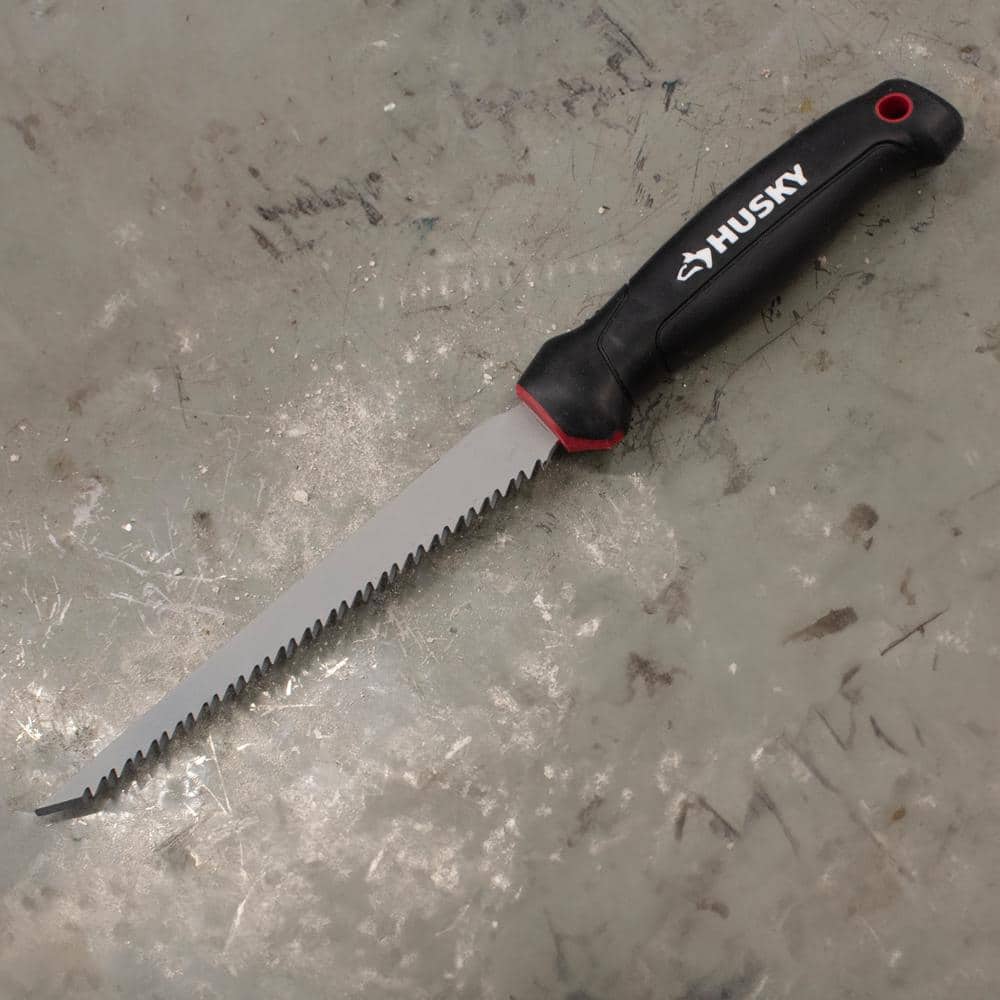
Husky Drywall Jab Saw 6 in. SDJS-HD
Measuring Tape
Level
Walnut Hollow 3/4 in. x 12 in. x 16 in. x Edge-Glued Oak Hardwood Board 504951
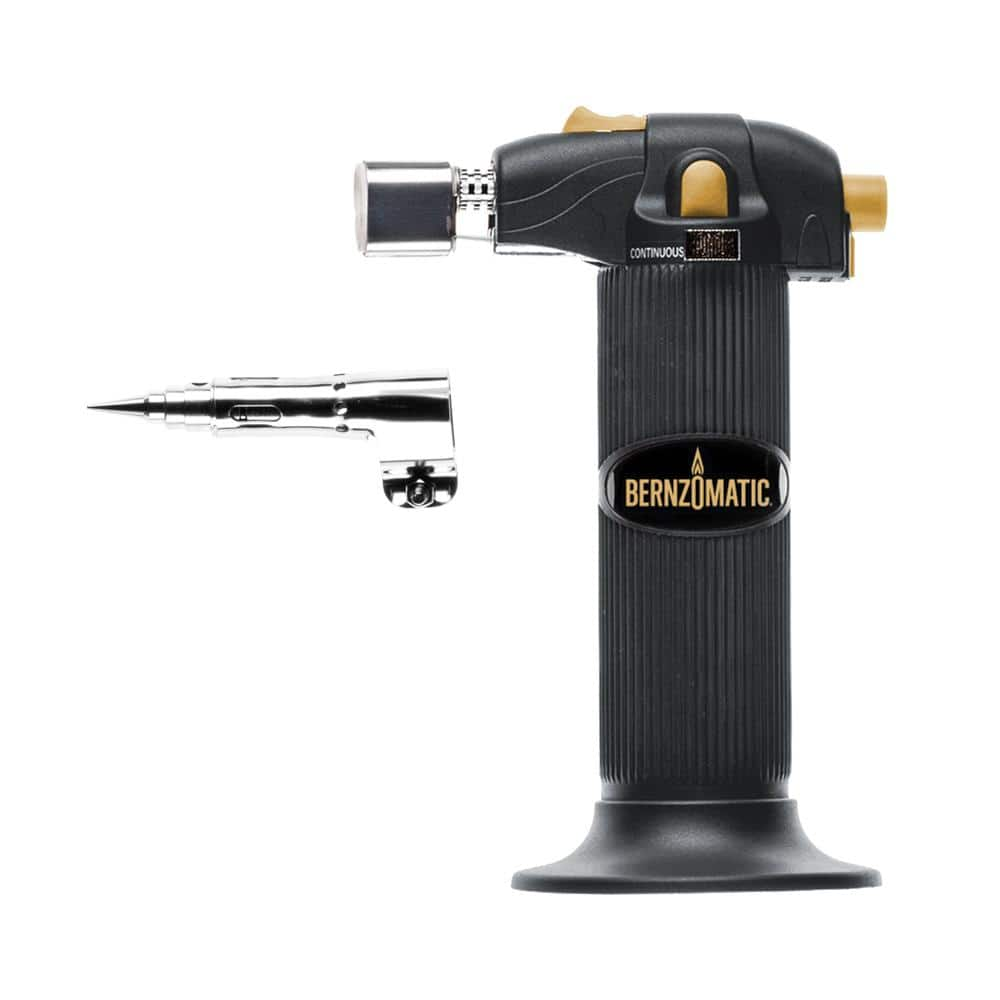
Bernzomatic Butane Detail Torch with Soldering Tip, Trigger Ignition and Flame Lock ST2200T
Oatey Safe Flo 1 lb. Lead-Free Silver Solder Wire 290252
Husky Drywall Jab Saw 6 in. SDJS-HD
The Husky Soft-Grip Drywall Jab Saw features a 6-1/2 in. blade that easily cuts drywall openings for switch plates and outlets. A feather-soft santoprene handle that offers comfort and control while cutting.
Measuring Tape
Accurate measurements in a snap.
Level
Ensures surfaces are just right.
Walnut Hollow 3/4 in. x 12 in. x 16 in. x Edge-Glued Oak Hardwood Board 504951
Walnut Hollow's high-quality edge-glued wood board is workshop ready and ideal for your small business, home DIY, decor or craft projects. The board is finely sanded and ready to be used as is or can easily be machined to meet whatever your project requires. This wood surface is perfect for casework, furniture pieces, boxes, table tops, shelves, sign making, laser engraving, CNC routing and much more. For DIY wood projects, when choosing finishes, please note that it's the nature of edge-glued products to expand and contract in reaction to temperature, humidity, finishes, etc. Best practices recommend always finishing both sides. Even a simple clear coat on the back helps provide a balanced reaction to the environment and customization. Over 50-year's experience manufacturing high-quality edge glued boards.
Bernzomatic Butane Detail Torch with Soldering Tip, Trigger Ignition and Flame Lock ST2200T
The Bernzomatic Detail Torch with trigger start ignition provides instant flame activation and adjustable flame control for precise heat application. Its ergonomic design offers a comfortable grip, reducing
Oatey Safe Flo 1 lb. Lead-Free Silver Solder Wire 290252
This Oatey 1 lb. Safe-Flo Silver Wire Solder is made from a lead-free alloy specifically formulated for use on lines that carry drinking water. This solder requires the use of flux (not included) and features a wide melting range, from 415 degrees Fahrenheit to 455 degrees Fahrenheit. Meets the requirements of the Safe Drinking Water Act.
Steps


Install the Shower Valve Blocking
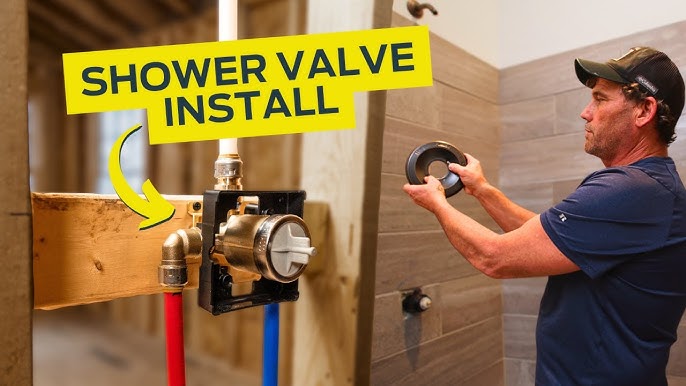
30 minsInstall blocking between the studs to securely mount the valve. The standard height is 48 inches from the finished floor to the valve's center, but adjust based on your showerhead and personal preference. Ensure the blocking is firmly attached.
Watch: Secure Valve Plaster Plate
Solder Copper Pipes (or Connect PEX)
1 minCarefully solder the copper pipes to the valve inlets and outlets, following manufacturer instructions. Ensure all connections are secure and leak-free. (If using PEX, use appropriate connectors and follow manufacturer instructions).
Watch: Connect PEX-B Tubing

Common Problems
Safety concern: Turning off the water supply is crucial before starting any plumbing work., Soldering can be dangerous. Wear appropriate safety gear and ensure adequate ventilation.
Solution: Take proper safety precautions. Turning off the water supply is crucial before starting any plumbing work., Soldering can be dangerous. Wear appropriate safety gear and ensure adequate ventilation.
Prevention: Always follow safety guidelines before starting the project.
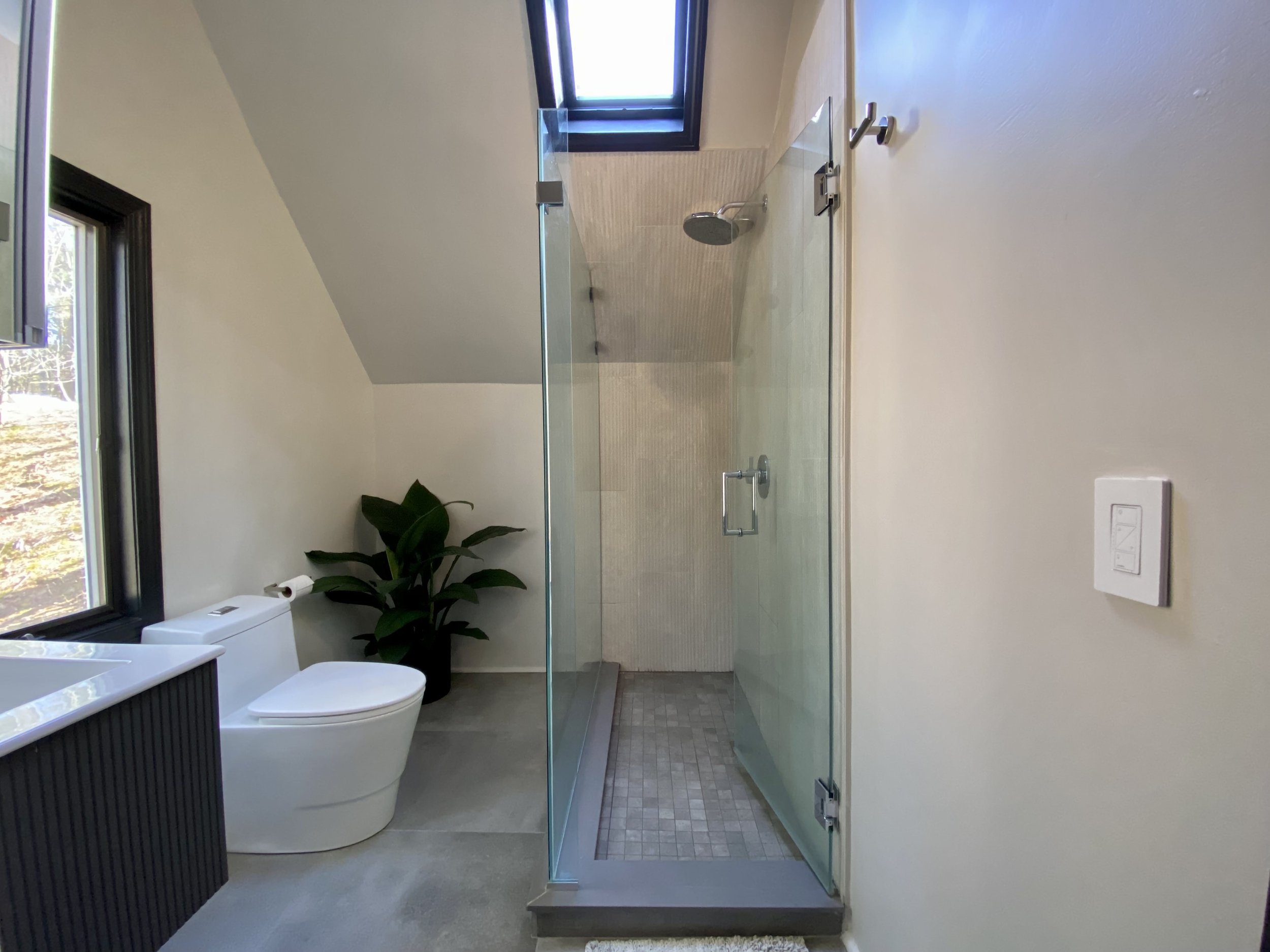
Shower valve and spout are off-center, leading to an unbalanced and unprofessional look.
Solution: Typically, the shower valve and spout are centered directly above the tub's drain for a balanced and professional appearance.
Wear safety glasses to protect your eyes from drywall dust and debris.
Solution: To avoid this issue: Be mindful of this warning and take appropriate precautions.
Cutting the access panel in the wrong spot, making it too small or in an inconvenient location.
Solution: Using a long drill bit to create a pilot hole ensures you cut the access panel in the correct location.
Sudden water pressure can dislodge seals, causing leaks.
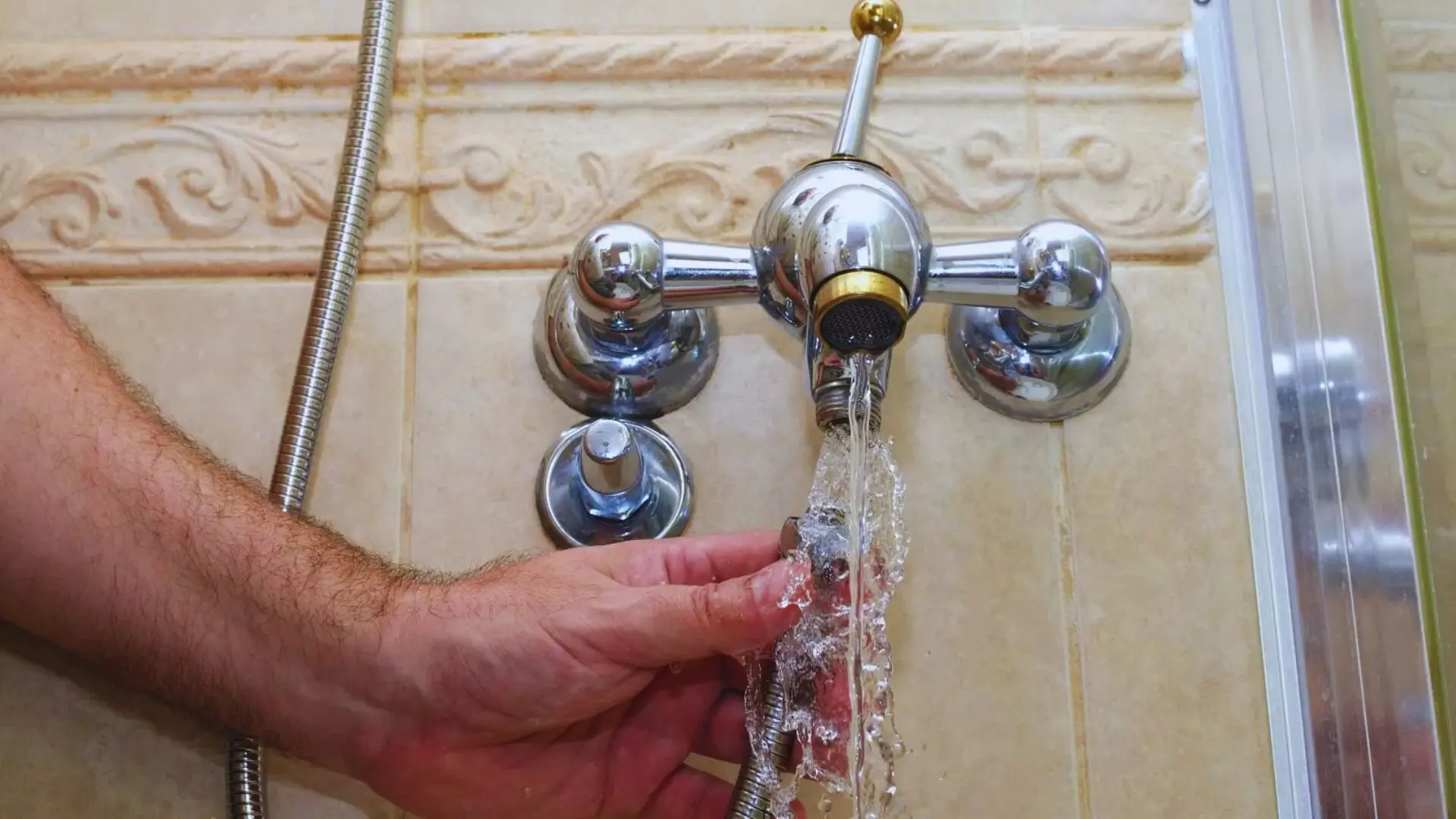
Solution: Turn the water on slowly to allow the system to pressurize gradually, which can help prevent pressure shocks that might dislodge a seal.
Before removing the existing valve, shut off the main water supply.
Solution: To avoid this issue: Be mindful of this warning and take appropriate precautions.
Water spills everywhere when you don't drain the system first.
Solution: If possible, open a faucet at the lowest point of the dwelling... this will relieve excess water in the system and reduce the amount of water that will escape.
Frequently Asked Questions
What are the most critical safety precautions to take when installing a shower valve, especially concerning soldering and water?
Always ensure the main water supply is completely off and pipes are drained before starting any work to prevent flooding. When soldering, use proper ventilation, wear heat-resistant gloves and safety glasses, and have a fire extinguisher nearby to prevent burns and fire hazards. Also, be mindful of electrical wiring if present behind the wall.
Why is a specialized tool like a Bernzomatic Butane Torch listed, and is soldering suitable for a beginner DIYer?
The torch is for soldering copper pipes, which creates strong, leak-proof connections for plumbing. While soldering can be learned by beginners, if you're uncomfortable with it, consider using PEX tubing with crimp or push-to-connect fittings, which are generally easier for DIYers and require different tools but no open flame. The 'beginner' difficulty is more about the process than the individual skills involved.
The project is listed as 'beginner' but involves cutting walls and plumbing. Is the 6-hour estimated time realistic for someone new to this?
The 'beginner' difficulty refers to the straightforward nature of the project steps rather than a complete lack of skill required. The 6-hour estimate is for someone with basic DIY experience. For a complete beginner, it's wise to budget extra time, perhaps 8-10 hours or more, to carefully understand each step, perform tasks precisely, and handle any unexpected issues.
What are the most common mistakes beginners make during shower valve installation, and how can I avoid them?
The most common mistakes include improper pipe connections leading to leaks, incorrect valve depth relative to the finished wall, and positioning the valve at an uncomfortable height. To avoid leaks, double-check all connections during the leak test and consider using pipe dope or Teflon tape where appropriate. For depth and height, measure carefully and follow manufacturer instructions, typically setting the valve 40-48 inches from the shower pan.
The guide mentions both soldering copper pipes and connecting PEX. What are the pros and cons for a DIYer, and which is recommended?
Soldering copper provides a traditional, durable connection but requires heat, specific technique, and practice. PEX tubing, on the other hand, is flexible and uses crimp, expansion, or push-to-connect fittings, which are often quicker and simpler for DIYers, requiring fewer specialized skills than soldering. For beginners, PEX is often recommended due to its ease of installation and reduced risk of leaks from improper soldering.
Before cutting into my wall, what crucial checks should I perform to ensure I have the right setup and materials?
Before cutting, determine your existing pipe material (copper, PEX, galvanized) and confirm your new valve is compatible. Use a stud finder to locate and mark studs where you plan to cut the access panel to avoid damage and plan for the blocking material like the listed hardwood board. Also, verify your new trim kit's rough-in depth requirements to ensure the valve is set correctly.