How to Replace a Pedestal Sump Pump
About This Project
This guide provides comprehensive, step-by-step instructions for safely removing an old pedestal sump pump and installing a new one. The process involves disconnecting power, cutting out the old pump, cleaning the sump pit, preparing and installing the new pump with new PVC piping and a check valve, and thoroughly testing the final installation.
Best for advanced DIYers and professionals with basic plumbing knowledge. Requires HDX Indoor Safety Glasses Clear (1-Pack) VS-9300, clear and Work Gloves.
Tools & Materials
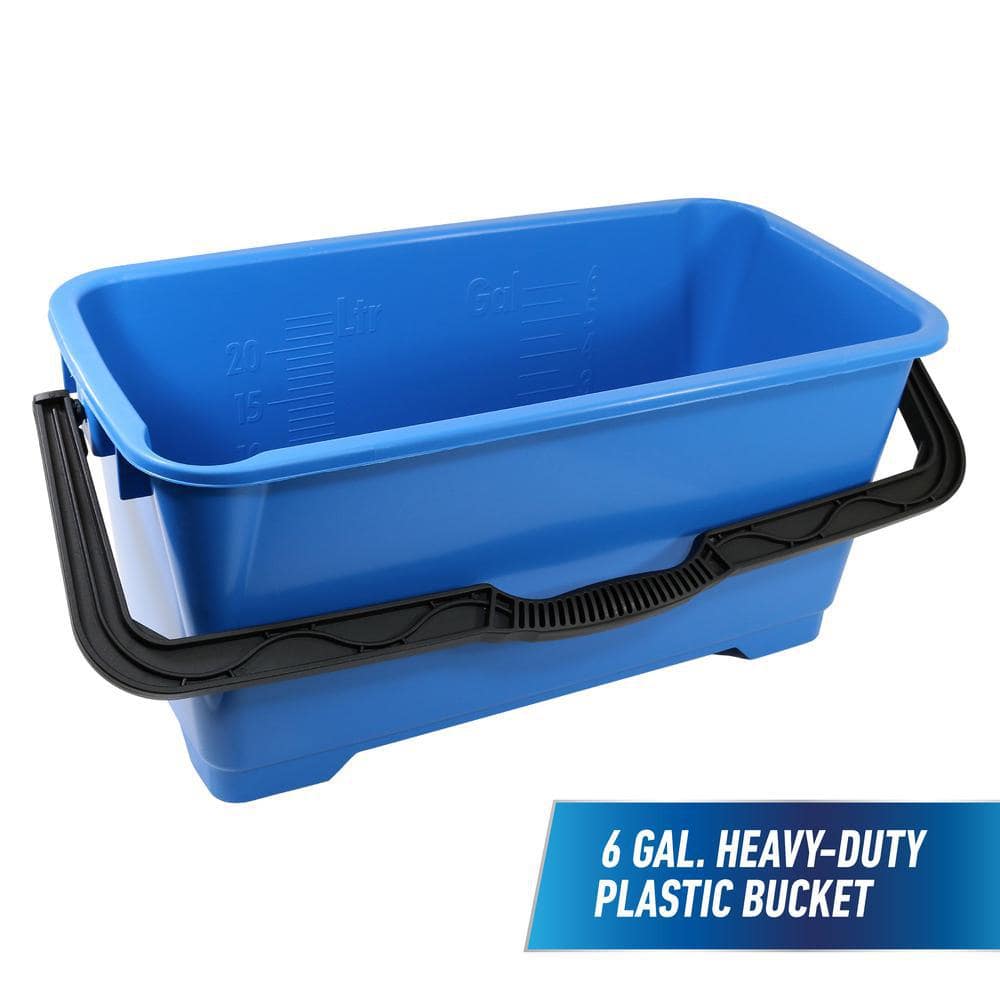
Unger 6 Gal. Heavy-Duty Plastic Bucket DB02

Towel
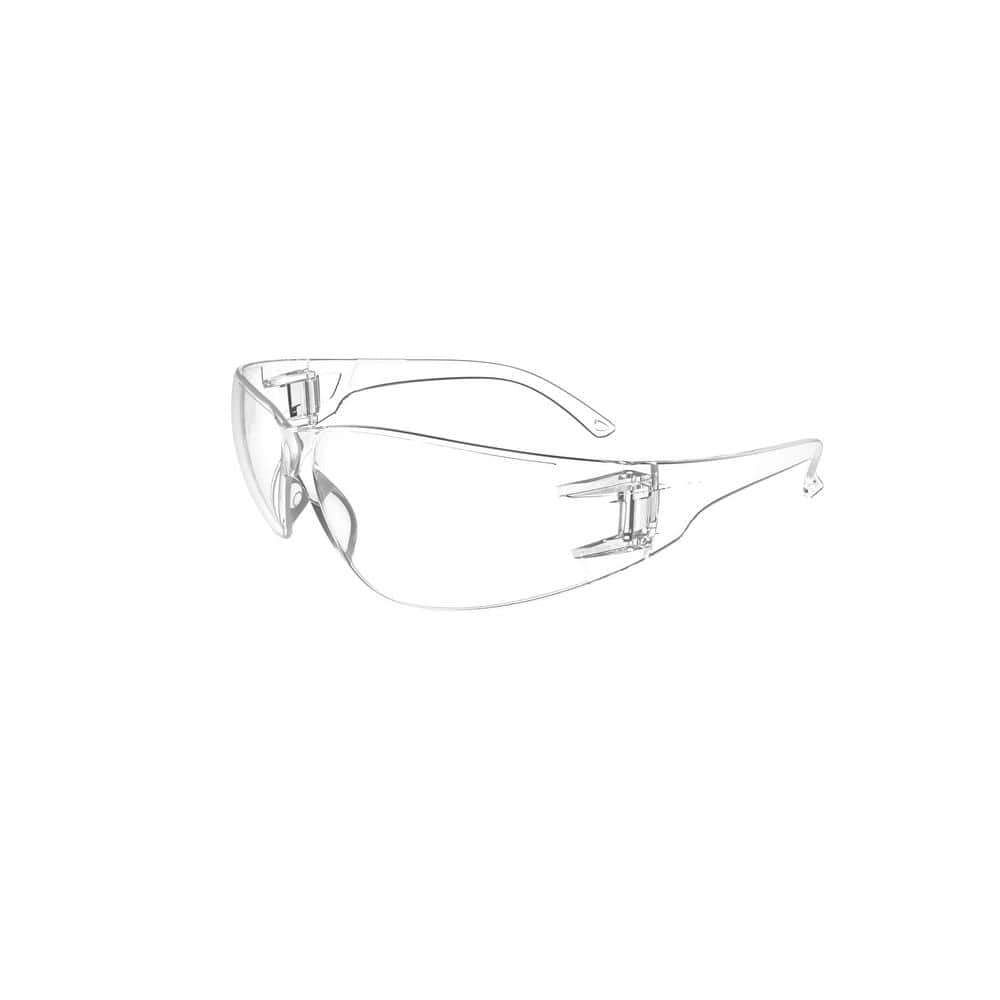
HDX Indoor Safety Glasses Clear (1-Pack) VS-9300, clear

Work Gloves
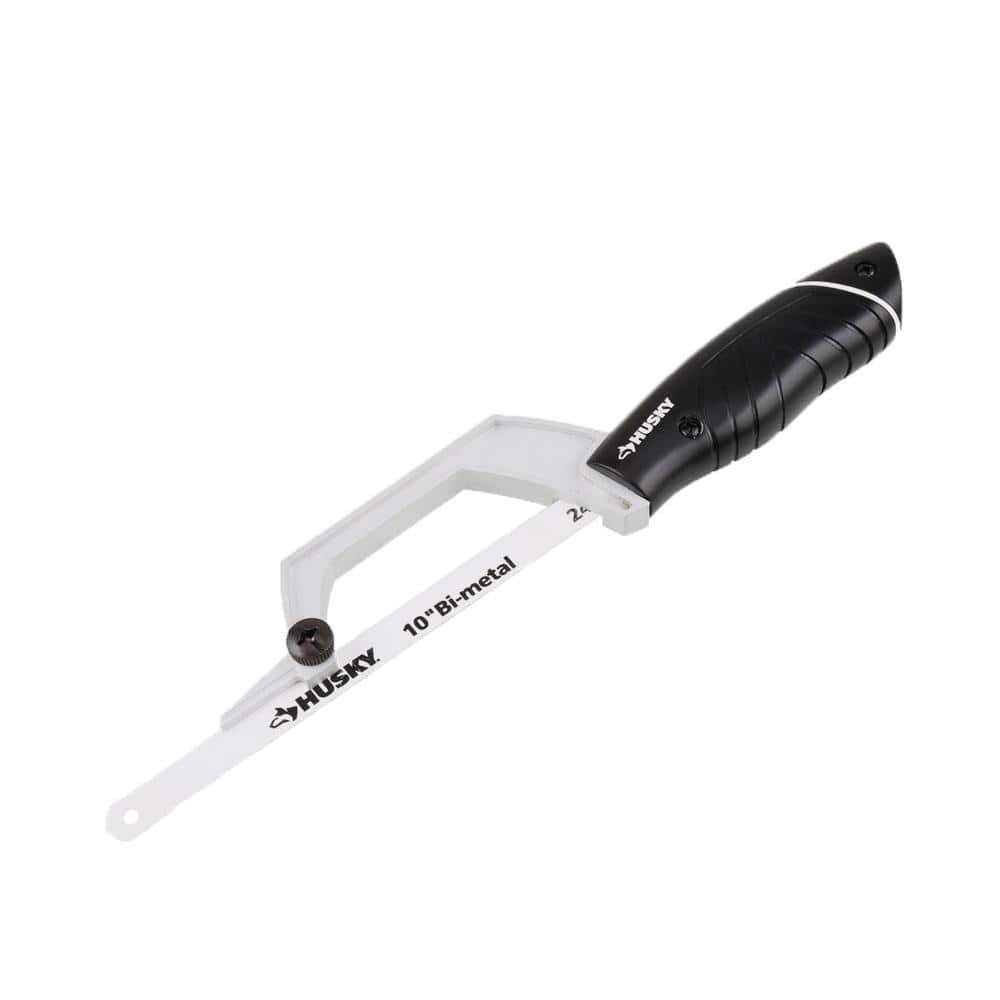
Husky 10 in. Close Quarters Hacksaw 80-522-111
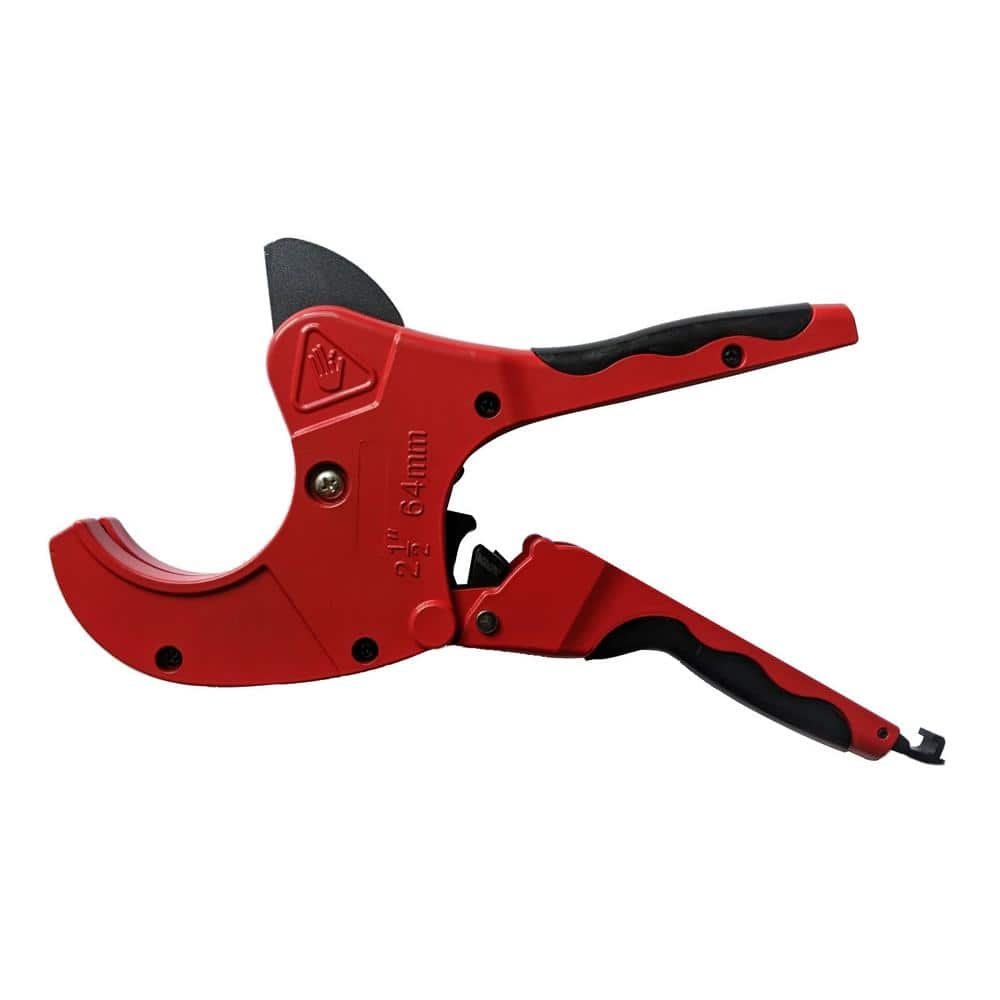
Hayes 2 in. HDPE PPR PVC Pipe Cutter PC2-64
Unger 6 Gal. Heavy-Duty Plastic Bucket DB02
The Unger 6-Gallon Heavy-Duty Professional Cleaning Bucket holds more than 6 Gal. of liquid. The bucket can accommodate a scrubber up to 14 in. L. This bucket features measurement marks and 2-pour spouts
Towel
Absorbs moisture and dries surfaces.
HDX Indoor Safety Glasses Clear (1-Pack) VS-9300, clear
Indoor safety glasses with anti-scratch lenses absorb UV lights and protect the eyes from particles, airborne debris and most commonly encountered eye hazards. Strong wraparound, light weight PC lens offer great and comfortable eye protection for indoor projects. Meet the requirements of ANZI Z87.1.
Work Gloves
Protects hands during tasks.
Husky 10 in. Close Quarters Hacksaw 80-522-111
Husky's 10 in. Close Quarter Hacksaw features a compact design and unique saw shape ideal for cutting in tight spaces. It features a sturdy aluminum frame and an ergonomic grip handle that provides comfortable
Hayes 2 in. HDPE PPR PVC Pipe Cutter PC2-64
2 in./63mm Heavy-Duty Ratcheting Pipe Cutter. This cutter can cut pipe made of HDPE PPR PVC. You can cut pipe up to up to 2 in. or 63 mm.
Steps

Disconnect Power and Prepare
10 minsThe first and most critical step is to ensure your safety. Go to your home's electrical panel and turn off the circuit breaker that supplies power to the sump pump outlet. Then, unplug the sump pump's power cord from the wall outlet. This double-disconnection method ensures no electricity can reach the pump while you are working. Lay down several old towels on the floor around the sump pit to absorb any water that will inevitably spill during the process.
Watch: Clean the Float Switch Mechanism
Disconnect Discharge Pipe
15 minsLocate the PVC discharge pipe extending from the pump. Since it is glued, you will need to cut it. Identify a section of pipe a few inches above the check valve (the one-way valve that prevents water from flowing back into the pit). Place a bucket directly under your intended cut to catch water. Using a hacksaw or a dedicated PVC cutter, cut squarely through the pipe. Be prepared for water to drain from the upper section of the pipe.
Watch: Assemble and Install PVC Drain Line
Remove Old Pump
10 minsWith the discharge pipe disconnected, firmly grasp the vertical column of the pedestal pump and lift it straight up and out of the sump pit. The pump base and intake will be full of dirty water, sediment, and slime, and can be awkward and heavy. Carefully place the entire old pump assembly into a large bucket or onto a plastic tarp to contain the mess and prevent staining your floor.
Watch: Install Pump and Connect Plumbing
Clean Sump Pit
20 minsNow that the pit is empty, it's the perfect time to clean it. Use a wet/dry shop vacuum to suck out any remaining water, mud, gravel, and other debris from the bottom of the basin. If you don't have a shop vac, you can use a smaller bucket and sponge. A clean pit is essential for the longevity of the new pump and ensures the float switch mechanism will not get stuck on debris.
Watch: Inspect and Clean Pump
Prepare New Pump
15 minsUnbox your new pedestal sump pump. Find the threaded discharge port on the pump body. Wrap the threads of the new PVC male adapter with three to four layers of Teflon tape, wrapping in a clockwise direction (the same direction you will tighten it). Screw the adapter into the pump's discharge port by hand, then give it a final quarter- to half-turn with channel-lock pliers to snug it up. Be careful not to overtighten, as this can crack the pump's plastic housing.
Watch: Prepare and Install the New Valve
Install New Pump and Reconnect Piping
30 minsCarefully lower the new pump into the center of the clean pit, ensuring its base is stable and level. Check that the float switch can move up and down freely without hitting the sides of the pit. Now, dry-fit the new plumbing. This includes a short piece of PVC pipe from the pump's adapter up to the new check valve, and another piece from the check valve up to a coupling connecting to the existing pipe you cut earlier. The arrow on the check valve MUST point away from the pump. Once you confirm the fit, disassemble the pieces. Apply purple PVC primer to the outside of the pipe ends and the inside of the fitting sockets. Then, apply a layer of PVC cement over the primer on both surfaces, push the pipe into the fitting with a quarter-turn twist, and hold firmly for 30 seconds to allow the solvent weld to set.
Watch: Install and Test New Pump
Test the New Pump
15 minsAllow the PVC cement to cure for the time recommended by the manufacturer (typically 30-60 minutes before subjecting it to pressure). Once cured, plug the pump's power cord directly into the GFCI outlet. To test the system, use a hose or buckets to pour water into the sump pit. Continue filling until the water level lifts the float switch, which should activate the pump. Watch as the pump quickly evacuates the water from the pit and observe that it shuts off automatically once the float drops back down. During this test, carefully inspect all the new joints and connections for any drips or leaks.
Watch: Test for LeaksCommon Problems
Water spills onto the basement floor when removing the old sump pump.
Solution: Place a bucket or some old towels around the sump pit to catch any water that spills when you disconnect and remove the pump.
Do not overtighten the plastic nut, as this can cause it to crack, repeating the original problem.
Solution: To avoid this issue: Be mindful of this warning and take appropriate precautions.
The arrow on the pump must point in the direction of water flow. For this hot-side install, it points down, away from the heater.
Solution: To avoid this issue: Be mindful of this warning and take appropriate precautions.
Difficulty assembling pump in tight crawl space.
Solution: Performing this step outside the crawl space saves time and makes assembly easier.
Do not overtighten the valve with pliers, as this can crack the plastic housing. Hand-tight plus a quarter turn with a wrench is usually sufficient if needed.
Solution: To avoid this issue: Be mindful of this warning and take appropriate precautions.
Valve installed horizontally may not operate properly.
Solution: Ensure the new valve is installed vertically (plumb) to function correctly.
Always use a GFCI outlet for sump pumps to protect against electrical shock.
Solution: To avoid this issue: Be mindful of this warning and take appropriate precautions.
Frequently Asked Questions
What are the most critical safety steps I need to take before starting to replace my pedestal sump pump?
Always disconnect power to the sump pump circuit at your home's breaker panel first to prevent electrical shock. Wear work gloves to protect your hands from potential sharp edges or debris in the sump pit, and use a tarp to contain spills around the work area. Ensure the work area is well-lit and you have clear access to the sump pit.
Do I need to buy all the specific tools and materials listed, like the K2 1/2 HP pump and a dedicated PVC pipe cutter?
While the listed items are recommended for quality and ease, equivalent tools and materials can often be substituted. A dedicated PVC pipe cutter like the Hayes PC2-64 makes clean, straight cuts essential for a leak-free seal, which is critical. Upgrading from a 1/3 HP to a 1/2 HP pump can provide increased pumping power for better flood protection.
How important is cleaning the sump pit, and what's the best way to ensure it's ready for the new pump?
Thoroughly cleaning the sump pit is crucial because accumulated silt, gravel, and debris can clog your new pump's intake and shorten its lifespan. After removing the old pump, use a shop vacuum to remove all remaining water and solids from the bottom of the pit. Ensure the pit is as clean as possible before installing the new pump.
What are the most common installation mistakes beginners make with pedestal sump pumps, especially regarding the piping and check valve?
A common mistake is improperly installing the check valve, which should be placed above the pump to prevent water from flowing back into the pit. Another error is not using Teflon tape on threaded connections or failing to make clean, straight cuts on PVC pipe, leading to leaks. Ensure all connections are secure but not overtightened.
How long should I expect this pedestal sump pump replacement project to take for a first-timer, and what's an approximate cost for the pump and necessary materials?
For a beginner, this project typically takes about 2 to 4 hours, assuming you have all tools and materials ready. The cost for a new pedestal sump pump usually ranges from $100 to $300, plus an additional $20-$50 for new PVC fittings, check valve, and Teflon tape. This estimate does not include the cost of tools you may need to purchase.
Can I reuse my old check valve and PVC piping to save time and money?
It's highly recommended to replace both the check valve and the PVC piping connected directly to the pump. Old check valves can fail without warning, leading to short cycling and premature pump wear. New piping ensures a clean, leak-free connection tailored to your new pump's height and discharge, minimizing future maintenance issues and providing greater reliability.
What should I do if my new sump pump runs constantly or doesn't turn off after installation and testing?
If the pump runs continuously, first check that the float switch isn't obstructed or stuck in the 'on' position; it may need adjustment. Also, verify that the check valve is installed correctly and not allowing water to continuously cycle back into the pit from the discharge line, which would prevent the pump from ever emptying the pit completely. Ensure all connections are watertight.