How to Remove Stubborn Toilet Stains: A Guide for Hard Water
About This Project
This project details how to effectively remove stubborn toilet stains caused by hard water. The steps involve: 1. **Prepare Your Toilet for Cleaning:** Turn off the water supply, flush the toilet, and soak up any remaining water in the bowl and tank. 2. **Apply Toilet Cleaner for Hard Water Stains:** Apply a generous amount of toilet cleaner designed for hard water stains, such as CLR, to the affected areas, including under the rim. 3. **Let the Cleaner Dwell:** Allow the cleaner to sit for the recommended dwell time (usually 20-30 minutes), extending the time for stubborn stains. 4. **Scrub and Clean the Toilet:** Scrub the stained areas with a toilet brush, and optionally, use a pumice stone for persistent stains. Pay attention to areas under the rim. 5. **Rinse and Final Flush:** Turn the water supply back on and flush the toilet multiple times to rinse the cleaner and remaining residue.
Best for homeowners and DIY enthusiasts.
Tools & Materials
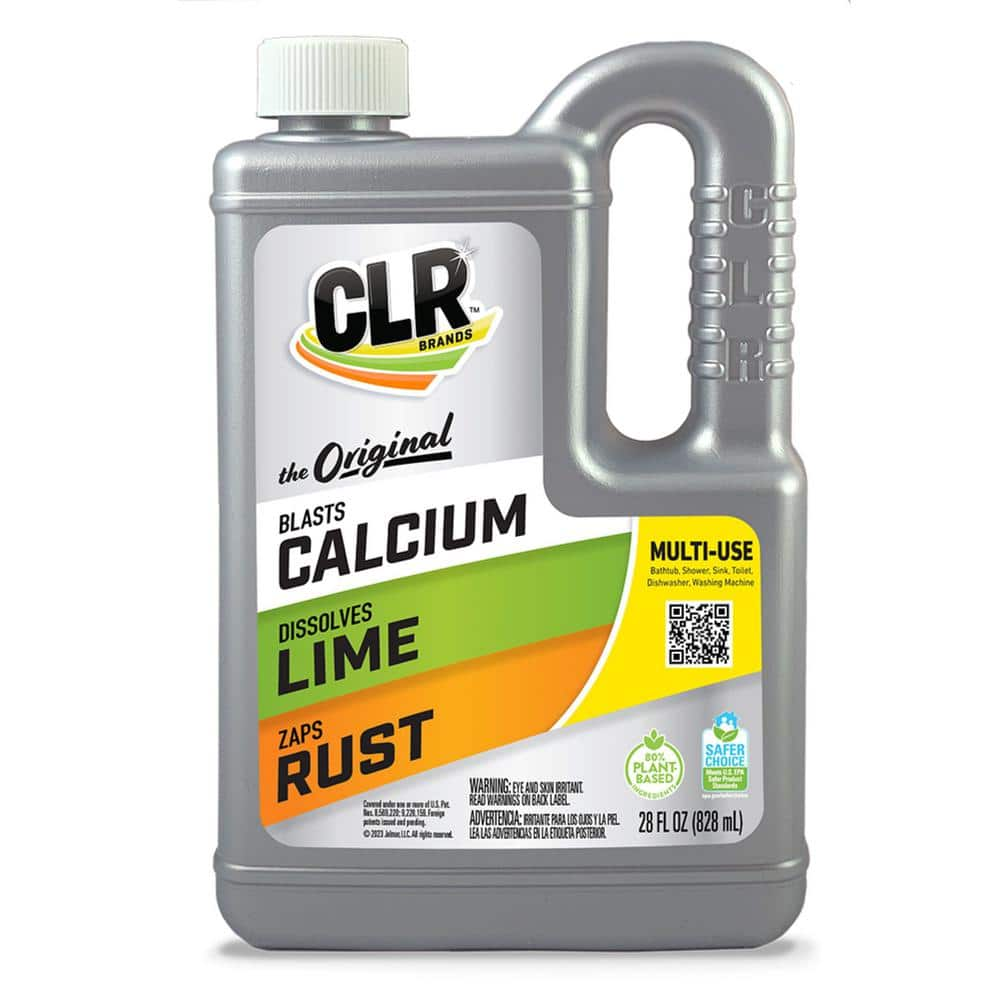
CLR 28 OZ-Ounce Calcium Lime Rust Remover CL-12
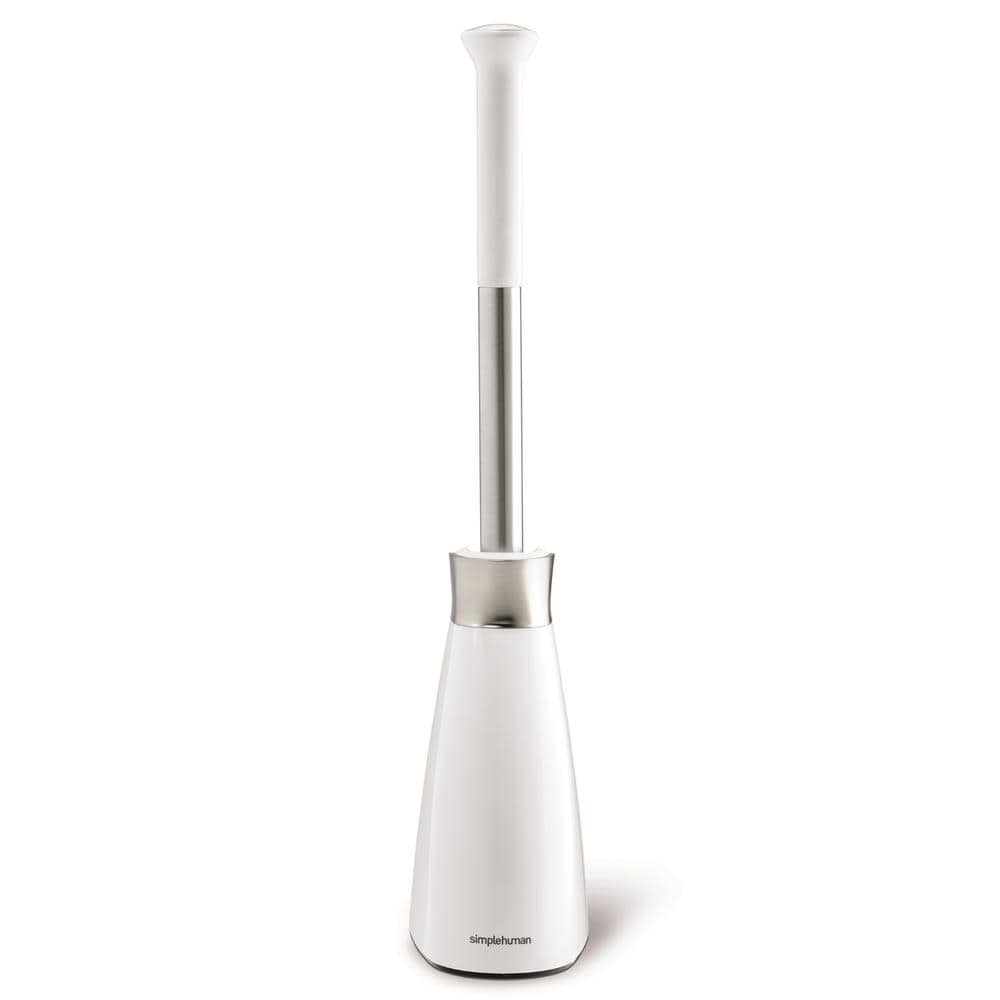
simplehuman Toilet Brush in White BT1083
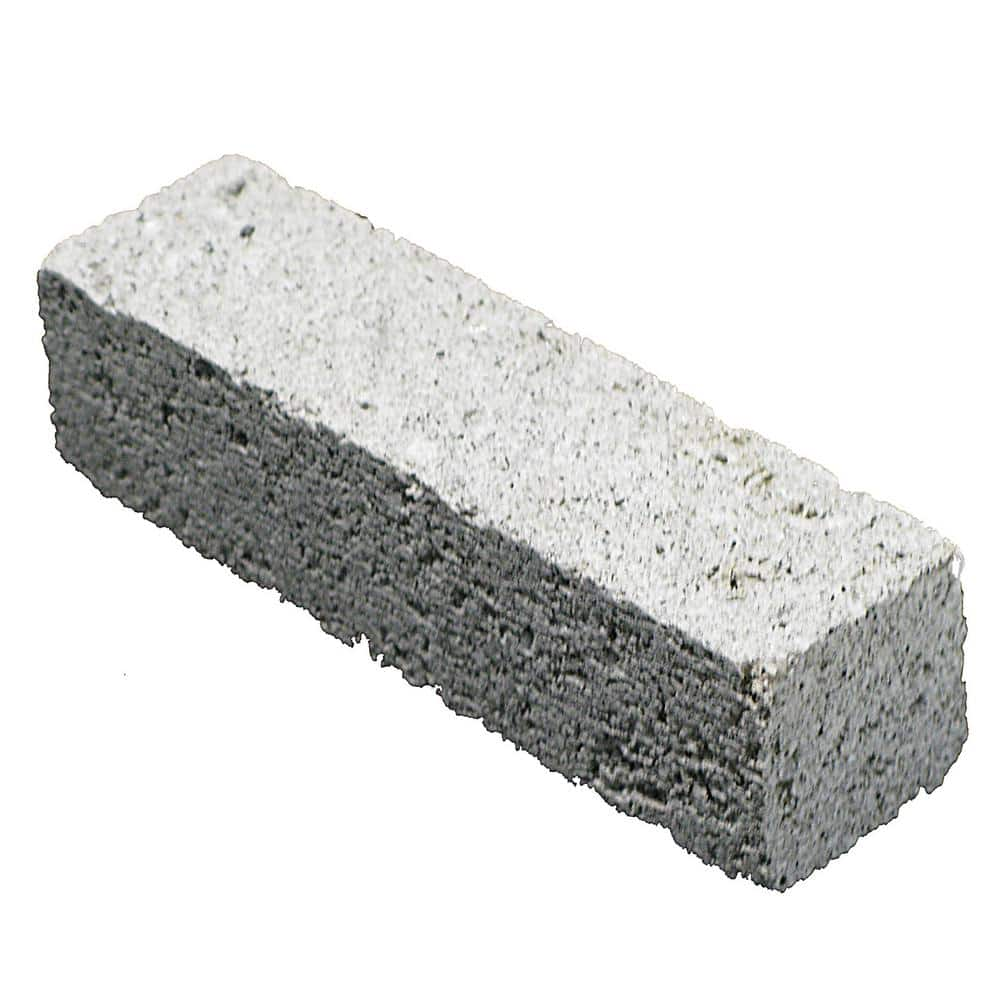
HDX Pumice Stone for Swimming Pools, Spas and other Surfaces 62665
CLR 28 OZ-Ounce Calcium Lime Rust Remover CL-12
Need to tackle tough calcium and lime deposits as well as rust stains. CLR Calcium, Lime and Rust Remover is a powerful formula that quickly and easily dissolves and removes tough calcium and lime deposits
simplehuman Toilet Brush in White BT1083
Clean hard-to-reach areas around the rim with this simplehuman toilet brush. The specially designed, crescent-shaped brush allows efficient cleaning and stiff outer bristles help you scrub tough stains.
HDX Pumice Stone for Swimming Pools, Spas and other Surfaces 62665
For removing hard water, rust, mineral and mildew stains from ceramic tile, grout and concrete surfaces. The 100% natural pumice material effectively dissolves stubborn stains and won't harm your pool
Steps

Prepare Your Toilet for Cleaning
5 minsBegin by turning off the water supply to your toilet. Locate the shut-off valve behind the toilet and turn it clockwise. Then, flush the toilet to remove as much water as possible from both the bowl and tank. Use a sponge or absorbent cloths to soak up any remaining water.
Watch: Prepare Toilet for Removal
Apply Toilet Cleaner for Hard Water Stains
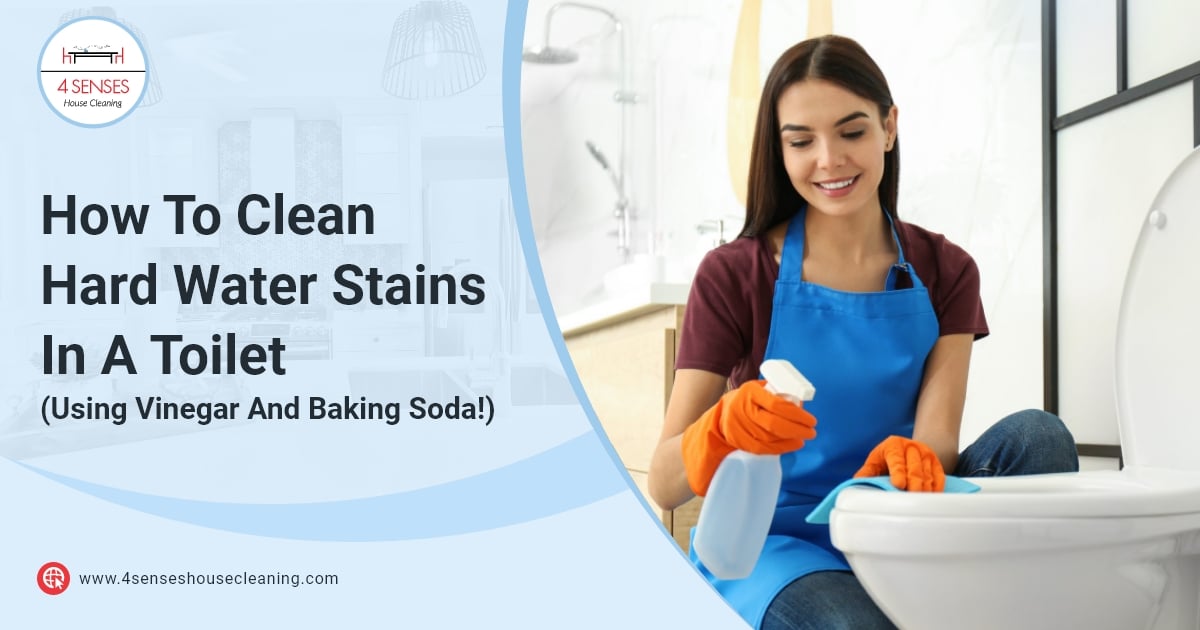
5 minsApply a generous amount of a toilet cleaner formulated for hard water stains, such as CLR Calcium, Lime, and Rust Remover, to all affected areas, including under the rim. For particularly stubborn stains, consider focusing application on those specific areas.
Watch: Soak Stains with Vinegar
Let the Cleaner Dwell
20 minsAllow the cleaner to sit for the recommended dwell time as per the product instructions (typically 20-30 minutes). For particularly stubborn stains, extend this time and check periodically. Overnight soaking may be beneficial for exceptionally heavy stains.
Watch: Scrub the toilet bowl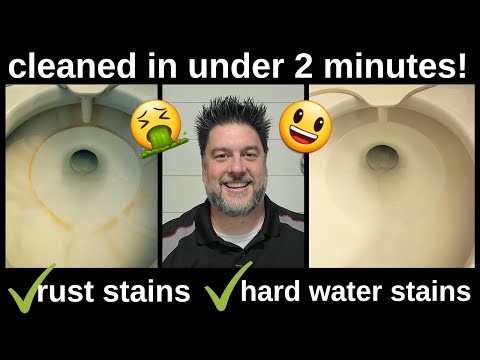

Common Problems
Safety concern: Always wear gloves and eye protection when using cleaning chemicals. Ensure adequate ventilation.
Solution: Take proper safety precautions. Always wear gloves and eye protection when using cleaning chemicals. Ensure adequate ventilation.
Prevention: Always follow safety guidelines before starting the project.
Circular scrubbing is essential to avoid leaving rings and stains behind.
Solution: Focus on scrubbing in circular motions to effectively remove the ring and other stains.
While the drywall screen is generally safe for porcelain, avoid excessive force to prevent any potential scratching.
Solution: To avoid this issue: Be mindful of this warning and take appropriate precautions.
Sticky residue from sugar in regular soda makes cleaning harder.
Solution: Using diet soda is preferable to regular soda to avoid creating a sticky mess from the sugar.
Stubborn stains remain if vinegar isn't given enough time to work.
Solution: If you only have regular white vinegar, it will still work, but you may need to let it soak for a longer period.
Water spills onto the floor when disconnecting the supply line.
Solution: Have a bucket ready to catch any residual water from the supply line and for wringing out the sponge.
Toilet stains remain if the tank doesn't drain enough water.
Solution: Holding the flush lever down ensures that the maximum amount of water is drained from the tank.
Frequently Asked Questions
What safety precautions are essential when using strong toilet cleaners for hard water?
Always ensure good ventilation by opening windows and using a fan to disperse fumes. Wear rubber gloves to protect your skin from chemical burns and eye protection to prevent splashes. Never mix different chemical cleaners, as this can create dangerous and harmful reactions.
My toilet stains are very stubborn; what if the cleaner doesn't work after one application?
For extremely stubborn stains, you can extend the cleaner's dwell time beyond the recommended 30 minutes, or repeat the entire cleaning process. A pumice stone is highly effective for persistent mineral deposits that chemicals alone might not dissolve. Ensure you scrub thoroughly, especially in areas under the rim.
Do I need a special toilet brush, or is any brush okay for hard water stains?
While any toilet brush will help, one with stiff bristles is more effective for dislodging hard water deposits. For really tough, caked-on spots, a pumice stone designed for toilets is highly recommended, as it can gently abrade away mineral buildup without scratching the porcelain.
How long will this project typically take, and what's the estimated cost for removing hard water stains?
The active cleaning time is quite short, but you'll need to account for the cleaner's dwell time, usually 20-30 minutes, potentially longer for severe stains. The cost is minimal, primarily for a hard water toilet cleaner (around $5-$15) and possibly a pumice stone ($5-$10), making it a very affordable DIY task.
Are there any natural or less harsh alternatives to chemical hard water toilet cleaners I can try?
Yes, white vinegar or a paste made from borax and water can be used as natural alternatives. Apply them generously to the stained areas and let them soak for several hours or even overnight before scrubbing. Keep in mind these might require more applications or longer dwell times for very severe stains compared to specialized chemical cleaners.
How can I prevent hard water stains from coming back after I've cleaned them?
Regular, consistent cleaning is the most effective way to prevent future buildup. You could also consider using an in-tank toilet cleaner designed to inhibit mineral deposits, though be cautious as some can potentially damage internal toilet components over time. For a more comprehensive solution, exploring a whole-house water softener might be beneficial.