Boost Home Water Pressure: A Step-by-Step Guide to Improved Water Flow
About This Project
This project outlines how to boost your home's water pressure and enhance overall water flow. The first step involves checking your main water pressure using a pressure gauge attached to an outdoor hose bibb. Compare the reading with the ideal range (40-60 psi). If the pressure is low, the next step is to adjust or replace the pressure regulator. If present, adjust it carefully while monitoring the pressure. If it fails to improve or shows signs of damage or age, consider replacing it. Remember to always shut off the main water supply before any adjustments or replacements.
Best for experienced DIYers and homeowners with some experience with basic plumbing knowledge.
Tools & Materials
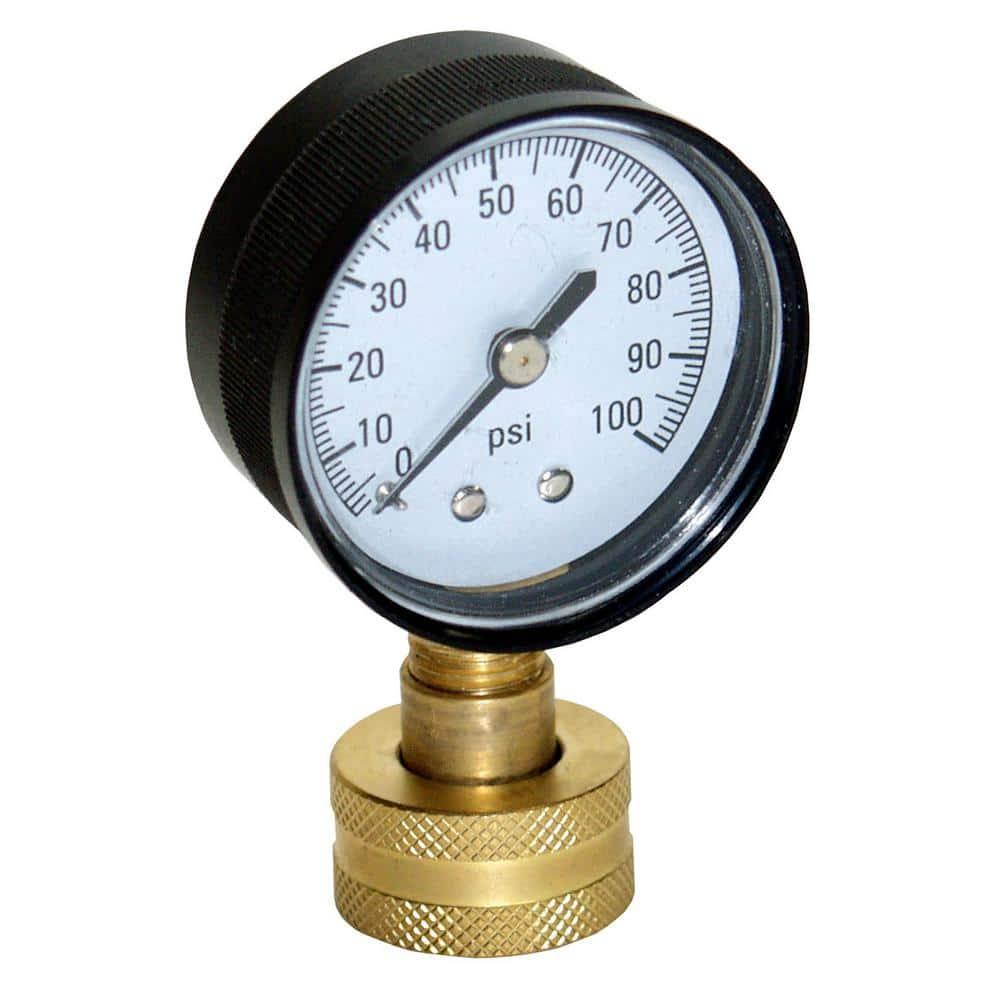
Water Source Water Test Pressure Gauge WSPGH100
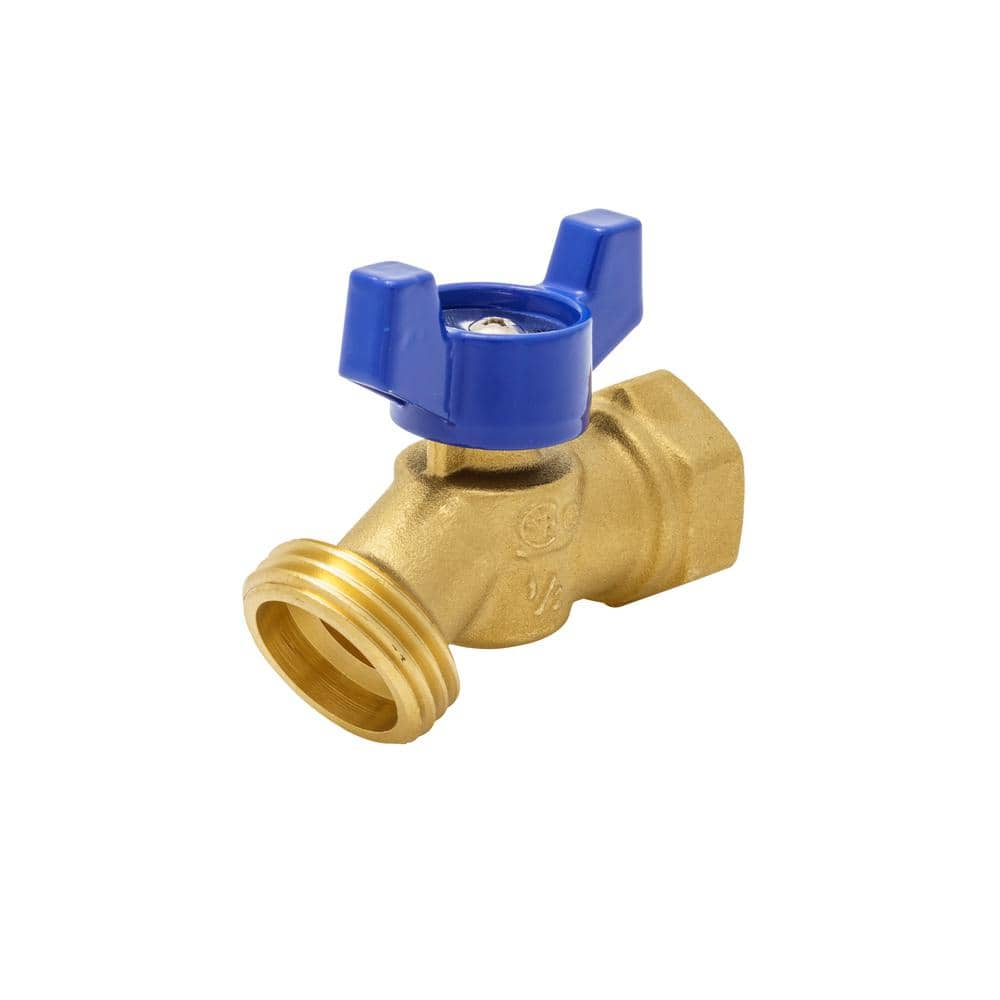
Everbilt 1/2 in. Brass Female Hose Bibb 102-453EB
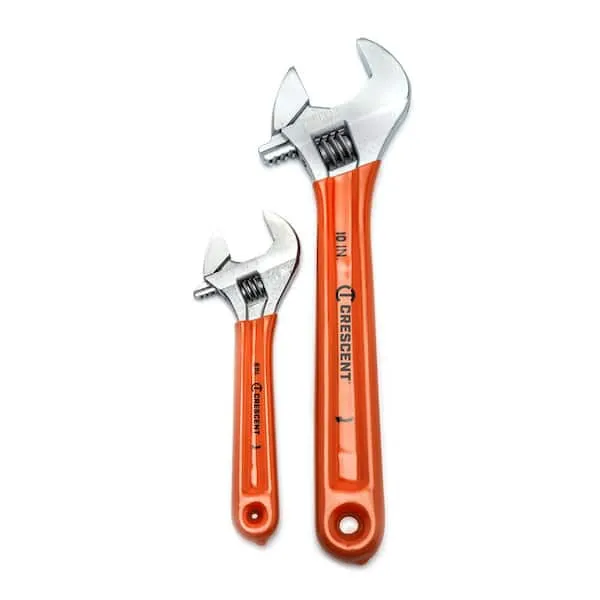
Adjustable Wrench
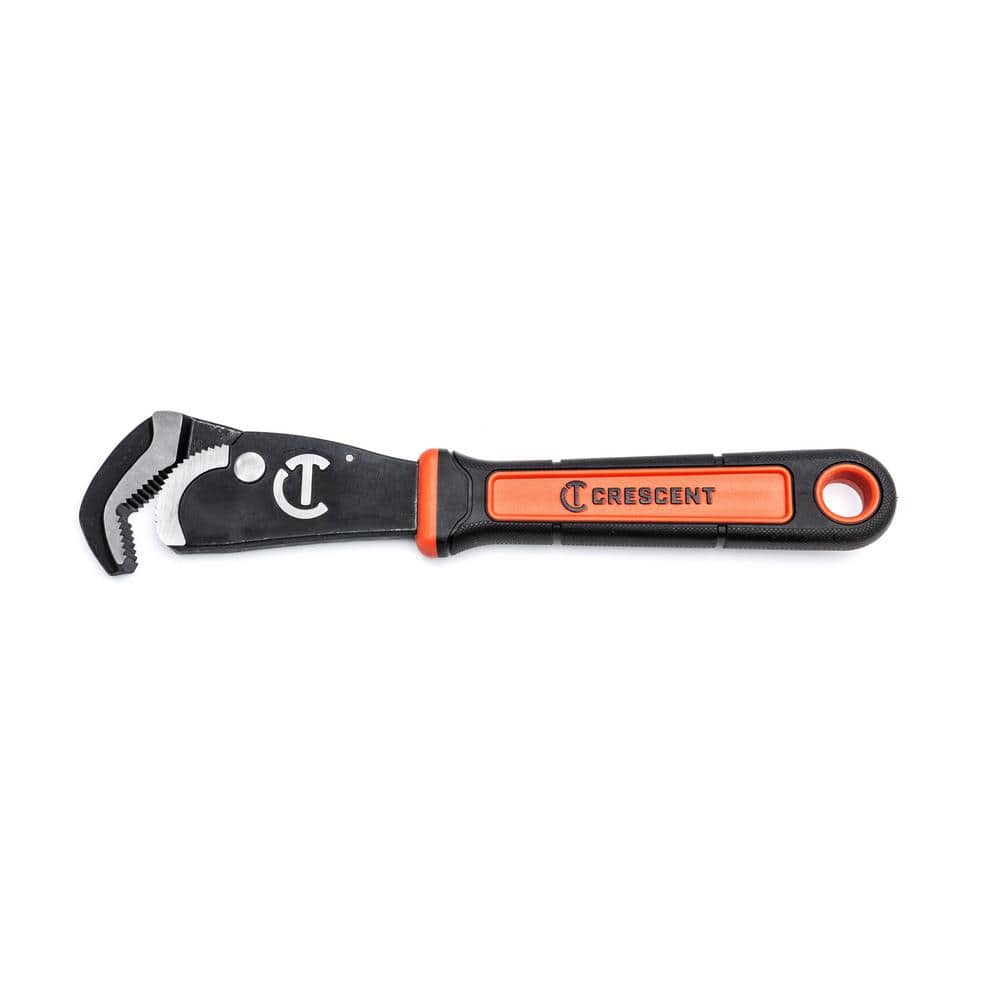
Crescent 12 in. Self-Adjusting Straight Pipe Wrench with Grip CPW12
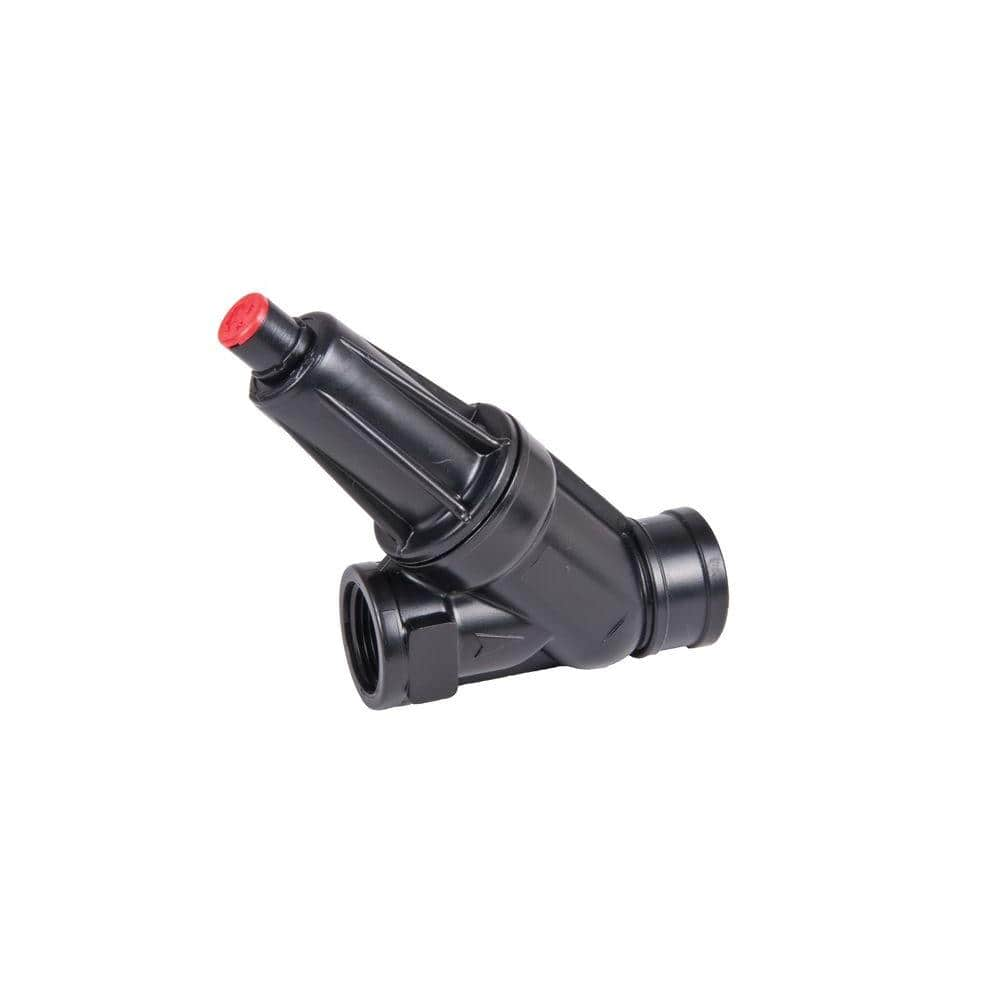
DIG 28-60 psi Adjustable Pressure Regulator PRV075
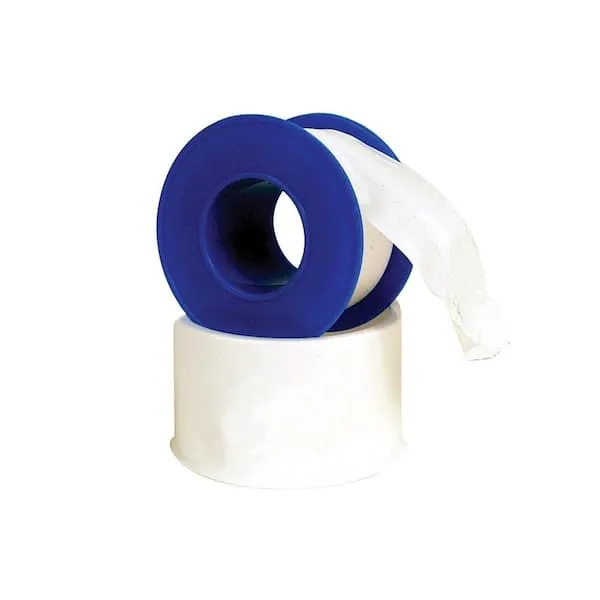
Teflon Tape
Water Source Water Test Pressure Gauge WSPGH100
This 100 psi Water Pressure Test Gauge attaches to a garden hose bib to verify water pressure or check for leaks in the system. Glass casing provides an easy to read display. It's easy to install.
Everbilt 1/2 in. Brass Female Hose Bibb 102-453EB
The Everbilt 1/2 in. Quarter-Turn Brass FIP Hose Bibb to easily regulate water flow. Able to be used as any general purpose hose connection for external water service. It accepts standard 3/4 in. garden
Adjustable Wrench
Fits various nut and bolt sizes with its adjustable jaw.
Crescent 12 in. Self-Adjusting Straight Pipe Wrench with Grip CPW12
Crescent self-adjusting pipe wrenches feature a unique head design that instantly grips and releases pipes and other types of fasteners with a fast ratcheting action. They are ideal for most surfaces including black iron, galvanized, PVC, and copper pipes as well as nuts, bolts, and couplings. The spring-loaded head features a quick-grip and quick-release function that allows the wrench to be used with one hand.
DIG 28-60 psi Adjustable Pressure Regulator PRV075
DIG's adjustable pressure regulators keep your drip system at the correct pressure for an efficient drip irrigation system. This female inlet - female pipe thread outlet regulator allows for adjusting
Teflon Tape
Seals pipe threads without leaks.
Steps

Check Your Main Water Pressure
15 minsUse a pressure gauge to measure the water pressure at an outdoor hose bibb near your main water supply. Compare your reading to the recommended range (40-60 psi). A low reading points to a problem with your main supply line or the pressure regulator.
Watch: Check Initial Water Pressure
Adjust or Replace the Pressure Regulator
30 minsIf you have a pressure regulator and the main pressure is low, carefully adjust the regulator to increase the pressure. If the adjustment doesn't work, or if the regulator is old or damaged, consider replacing it. Always turn off the water supply before making adjustments.
Watch: Lower the Downstream PressureCommon Problems
Safety concern: Always turn off the main water supply before working on any plumbing.
Solution: Take proper safety precautions. Always turn off the main water supply before working on any plumbing.
Prevention: Always follow safety guidelines before starting the project.
Inaccurate static pressure readings due to running water.
Solution: Ensure no water is running in the house to get an accurate static pressure reading.
Without a baseline static pressure, you can't accurately detect leaks.
Solution: Knowing the initial static pressure provides a baseline for the leak test.
Excessive incoming water pressure can damage your home's plumbing system.
Solution: Most plumbing codes state that 80 PSI is the maximum incoming water pressure to the house.
Ensure the main water supply is completely off before removing valve stems.
Solution: To avoid this issue: Be mindful of this warning and take appropriate precautions.
Water sprays everywhere and could cause injury when checking for leaks alone.
Solution: Having a helper makes this diagnostic step safer and less messy.
Sudden full water pressure can cause leaks at connections.
Solution: Turn the water back on slowly to check for leaks before fully opening the valve.
Frequently Asked Questions
What specific tools are essential for accurately checking my home's water pressure?
You'll primarily need a water pressure gauge, such as the Water Source Water Test Pressure Gauge WSPGH100, which easily attaches to an outdoor hose bibb. For adjusting or replacing a pressure regulator, an adjustable wrench and a pipe wrench (e.g., Crescent 12 in. Self-Adjusting Straight Pipe Wrench) are also necessary.
What is the most critical safety step I must take before attempting to adjust or replace my pressure regulator?
Always, without exception, shut off your home's main water supply before making any adjustments or replacements to the pressure regulator. This prevents water leaks, potential flooding, and allows for safe work on your plumbing system. Locate your main shut-off valve, typically near your water meter or where the main line enters your house.
How do I know if my low water pressure issue is definitely due to the pressure regulator and not something else?
Start by checking your main water pressure with a gauge; if it's consistently below the ideal 40-60 psi, your regulator is a prime suspect. However, if the gauge reading is good but pressure is low only in certain areas, the issue might be individual fixture aerators, internal pipe clogs, or issues specific to hot water, which this project doesn't cover.
My pressure regulator looks old or damaged; how do I know if it needs replacement instead of just adjustment?
Signs of a failing regulator include constant pressure fluctuations, banging noises in pipes (water hammer), visible leaks from the regulator itself, or if adjusting it yields no change in pressure. If the regulator is very old (over 10-12 years) or shows significant corrosion, replacement is generally recommended over attempting an adjustment.
Is this 'beginner' difficulty project something I can realistically complete in 3 hours, and what's the typical cost?
Yes, checking pressure and making a simple adjustment is beginner-friendly and often takes less than an hour. Replacing a regulator might extend it to 2-3 hours due to preparation, plumbing work, and fine-tuning. The main material cost is a new adjustable pressure regulator (like the DIG 28-60 psi PRV075), typically ranging from $30-$100, plus any tools you might need to purchase.
What should I do if, after adjusting my pressure regulator, the water pressure becomes too high (above 60 psi)?
If the pressure is too high, carefully turn the adjustment screw on your pressure regulator counter-clockwise in small increments to reduce it. Recheck the pressure with your gauge after each adjustment, allowing the system to stabilize, until it falls within the ideal 40-60 psi range. Sustained high pressure can damage plumbing and appliances.