Bathroom Faucet Installation & Replacement: A Step-by-Step DIY Guide
About This Project
This DIY guide details how to install or replace a bathroom faucet. It involves three main steps: 1. **Turn Off the Water Supply:** Locate the shut-off valves under the sink, turn them clockwise to shut off the water, and briefly turn on the faucet to release remaining pressure. A bucket should be placed underneath to catch drips. 2. **Disconnect the Old Faucet:** Disconnect water supply lines with an adjustable wrench, remove mounting nuts with a basin wrench, and anticipate some water spillage. Use a rag or towel to manage any leaks. 3. **Install the New Bathroom Faucet:** Apply plumber's putty to the new faucet's base, install the faucet according to the manufacturer's instructions, secure it with mounting nuts, connect supply lines, slowly turn water back on, and check connections for leaks.
Best for homeowners and DIY enthusiasts.
Tools & Materials

Husky 12 in. Adjustable Wrench 90933
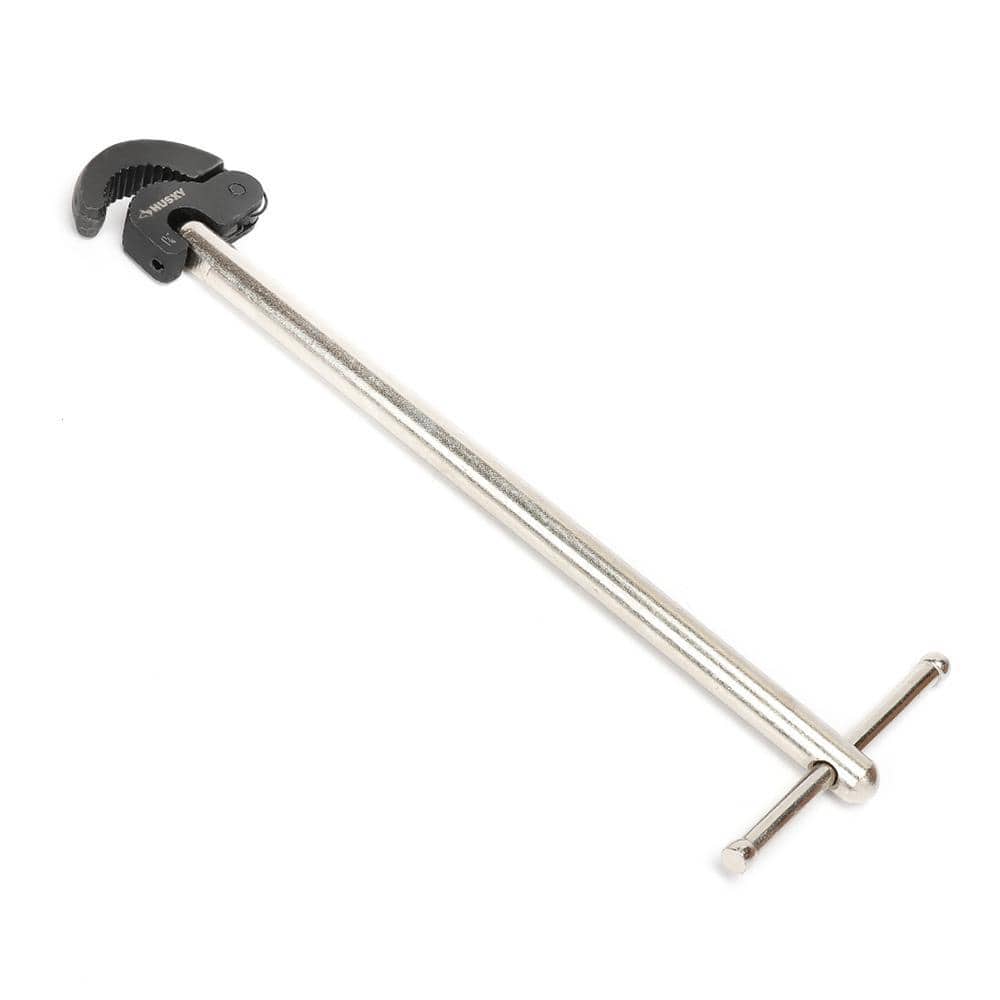
Husky Basin Wrench 16PL0127

Adjustable Wrench

Oatey 9 oz. Stain-Free Plumber's Putty 31177
Husky 12 in. Adjustable Wrench 90933
The Husky 12 in. Adjustable Wrench features a durable, comfortable handle. A large knurl allows for easy adjustment and a tight-fitting hex jaw design reduces slippage and tightly grips the fastener for
Husky Basin Wrench 16PL0127
Husky's 11 in. Basin Wrench is made from heavy-duty steel and has a reversible head for accessing faucet nuts in tight spaces. The 180 pivoting head holds its position at any angle to access hard-to-reach
Adjustable Wrench
Fits various nut and bolt sizes with its adjustable jaw.
Oatey 9 oz. Stain-Free Plumber's Putty 31177
For setting frames, faucets and basket strainers, use this Oatey 9 oz. Stain-Free Plumber's Putty on granite, marble, quartz, sandstone and other natural, porous materials. Will not crack or shrink. Cleans
Steps

Turn Off the Water Supply
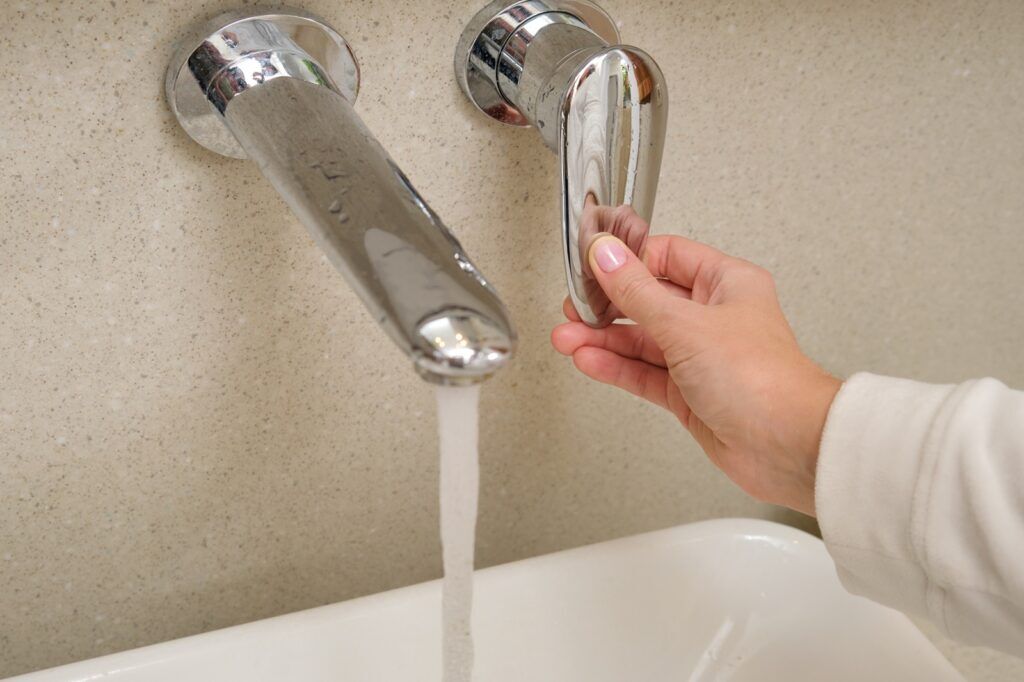
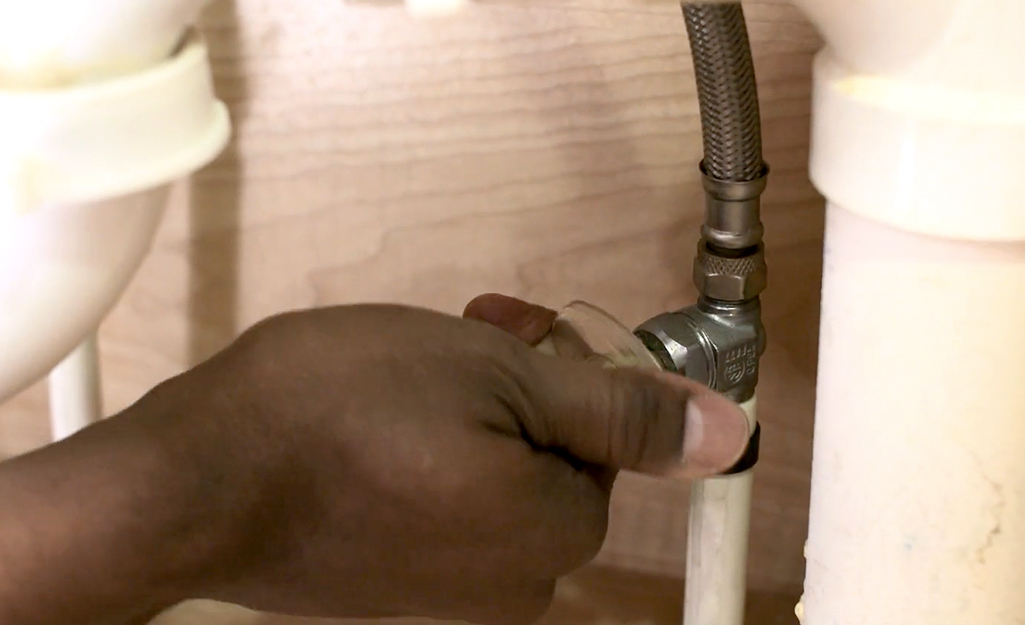
5 minsBefore starting, shut off the water supply valves located under your sink. These valves control both hot and cold water. Turn on the faucet briefly to release any remaining water pressure. Place a bucket under the sink to catch any drips.
Watch: Shut Off Water Supply
Disconnect the Old Faucet
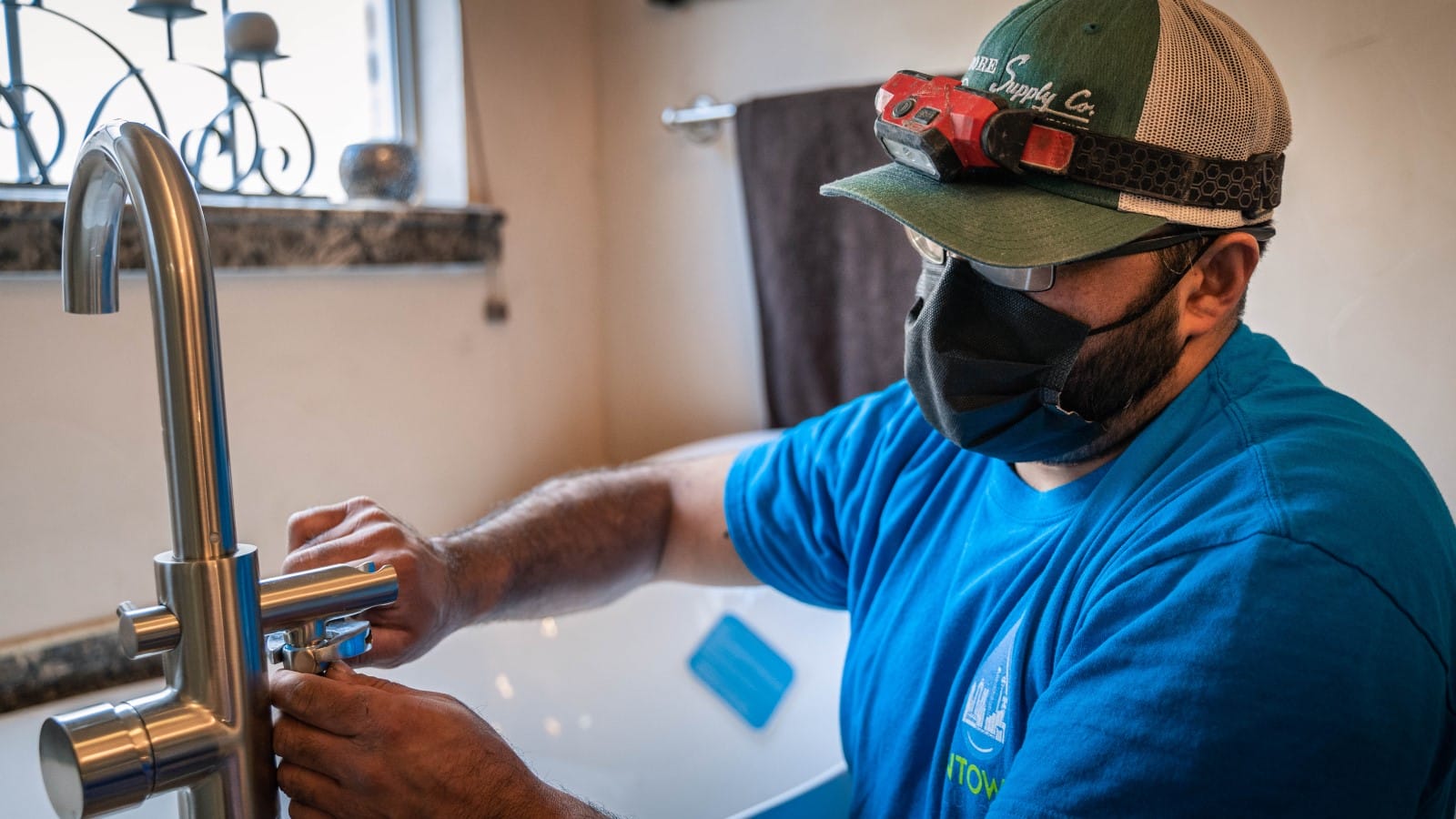
20 minsUsing an adjustable wrench, carefully disconnect the water supply lines from the old faucet. Employ a basin wrench to remove the mounting nuts securing the faucet to the sink. Be prepared for some water spillage, even after turning off the valves. A rag or towel can help contain any leaks.
Watch: Remove Old Faucet
Install the New Bathroom Faucet
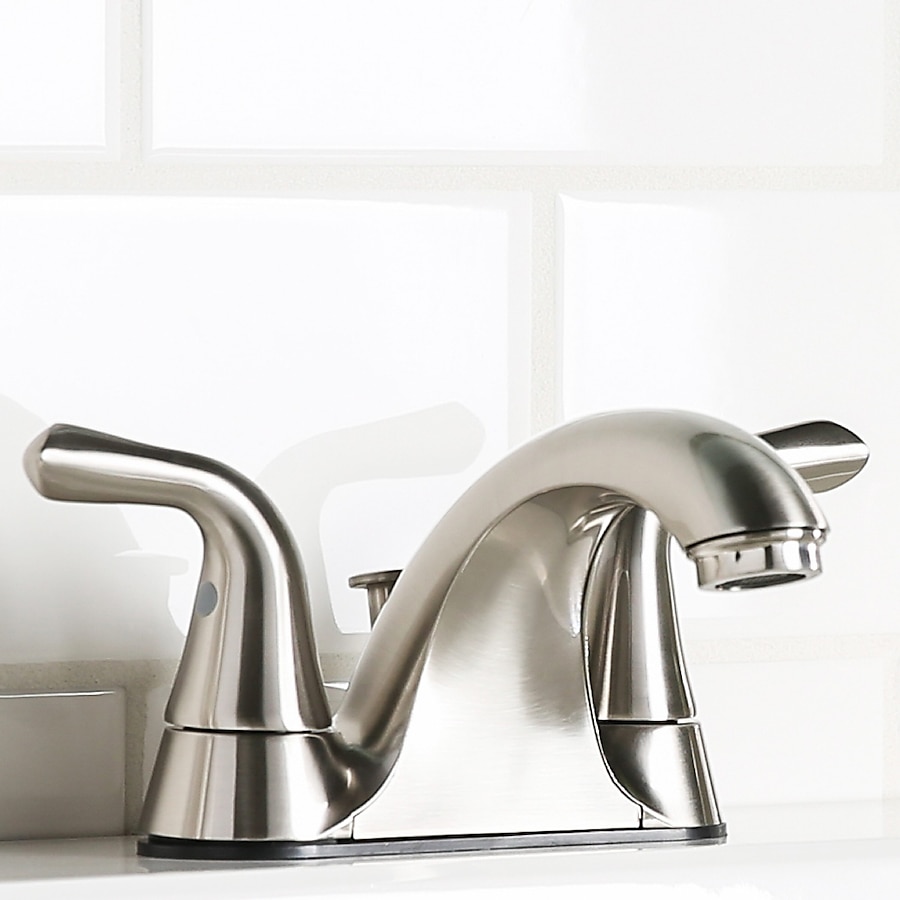
30 minsApply plumber's putty to the base of the new faucet to create a watertight seal. Carefully install the new faucet, following the manufacturer's instructions. Secure it with the mounting nuts, tightening them firmly but gently to avoid damage. Connect the supply lines and tighten securely. Slowly turn the water supply back on and meticulously check all connections for any leaks.
Watch: Plumbing ConnectionsCommon Problems
Water spraying everywhere when you remove the old faucet.
Solution: Always confirm the water is off by trying to run a faucet before you start disconnecting any fittings.
Failure to turn off the water supply will result in flooding.
Solution: To avoid this issue: Be mindful of this warning and take appropriate precautions.
Lost a screw or small part down the drain while working on the faucet?
Solution: Covering the drain is a simple step that can save you the major headache of retrieving a lost part.
Older shutoff valves may fail to close completely or may not reopen. The internal rubber washers can also disintegrate and cause clogs in the faucet.
Solution: To avoid this issue: Be mindful of this warning and take appropriate precautions.
Ensure the water is completely off before disconnecting any plumbing. Test by turning on the faucet; no water should flow.
Solution: To avoid this issue: Be mindful of this warning and take appropriate precautions.
Air in lines and debris can clog or damage new faucets.
Solution: If connecting to a faucet, remove the faucet aerator and turn on the faucet. This will purge air from the lines and also flush through any contaminants.
If a leak is present at a nut, slightly tighten the appropriate nut. If the PEX joint itself leaks, the valve will need to be cut off and re-crimped.
Solution: To avoid this issue: Be mindful of this warning and take appropriate precautions.
Frequently Asked Questions
How difficult is it for a beginner to install or replace a bathroom faucet, and how long should I expect it to take?
This project is rated as beginner-friendly, but requires careful attention to detail. For someone new to DIY, expect it to take anywhere from 1 to 3 hours, including gathering your tools and cleaning up. Experienced DIYers might finish it in under an hour, but it's best to allow ample time to avoid rushing and potential mistakes.
What should I do if the shut-off valves under my sink are seized, leaking, or I can't locate them?
If your shut-off valves are problematic or missing, you'll need to turn off the main water supply to your entire house before proceeding. This is a critical safety step to prevent flooding. If the valves are seized or actively leaking, it's a good opportunity to replace them or call a plumber before installing the new faucet.
Beyond the adjustable and basin wrenches, what other essential tools or materials should I have on hand?
While the adjustable and basin wrenches are crucial, also have a bucket or small container, old towels or rags, and a flashlight handy. A utility knife or scraper can help remove old caulk or putty, and a small wire brush might be useful for cleaning the sink surface. Don't forget plumber's putty, as specified.
What are the most common reasons for leaks after installing a new faucet, and how can I prevent them?
Most leaks stem from improperly tightened supply line connections or an insufficient seal at the faucet base. Ensure all supply lines are hand-tightened first, then given an additional quarter to half turn with your wrench. Apply a consistent, generous bead of plumber's putty around the base of the new faucet to create a watertight seal and prevent water from seeping under the fixture.
Is plumber's putty always necessary, or can I use silicone sealant instead for my new faucet?
Plumber's putty creates a flexible, watertight seal and is commonly used for faucet bases that don't have an integrated gasket. While silicone sealant can also be used, plumber's putty is generally easier to work with and remove if future repairs are needed. Always check your new faucet's instructions, as some manufacturers might specify silicone or include their own gasket, making putty unnecessary.
My old faucet's mounting nuts are extremely difficult to reach or are seized onto the pipes; what are my options?
A basin wrench is specifically designed for hard-to-reach mounting nuts and usually provides the necessary leverage. If they are completely seized, you might need to use a small hacksaw blade (held by hand) or a specialized cutting tool to carefully cut the nuts off, being extremely cautious not to damage the sink or supply lines. Penetrating oil might also help loosen seized nuts if applied in advance.