Water Heater Replacement Guide: Age & Signs of Failure
About This Project
This project outlines how to determine if your water heater needs to be replaced. First, locate the serial number, usually on a sticker on the tank. Decode the serial number to determine the manufacturing date, consulting the manufacturer's website if needed. Inspect the water heater and surrounding pipes for corrosion, rust, or leaks. Finally, consider the age and type of your water heater. Tank water heaters last 8-12 years, while tankless heaters last 20+ years. If your water heater is nearing or exceeding its lifespan and showing signs of damage, it's likely time for a replacement.
Best for homeowners and DIY enthusiasts.
Tools & Materials
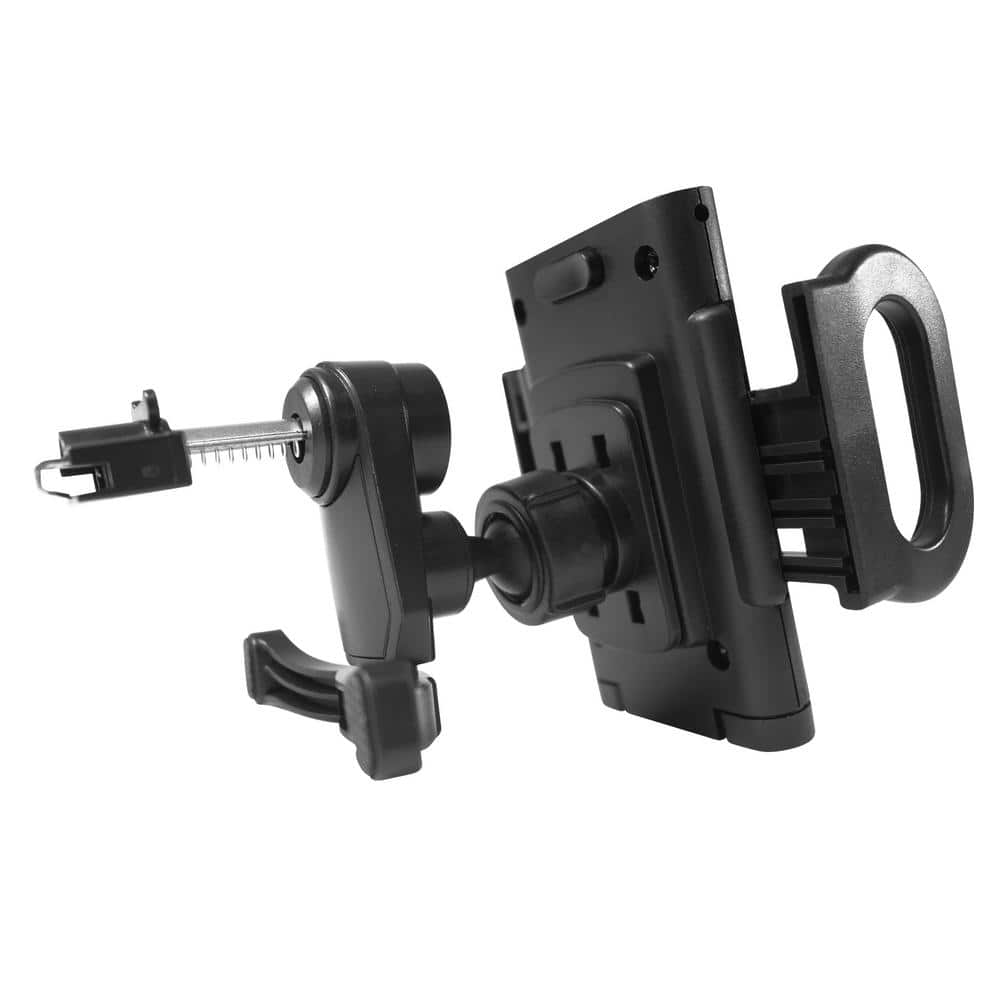
Macally Fully Adjustable Car Vent Mount Holder for iPhone/Smartphones MCARVENT
Macally Fully Adjustable Car Vent Mount Holder for iPhone/Smartphones MCARVENT
The Macally MCARVENT is an adjustable car vent holder mount for iPhone/smartphone (with or without protective case) between 1.97 in. and 4.5 in. wide and can securely mount your iPhone/smartphone on the
Steps
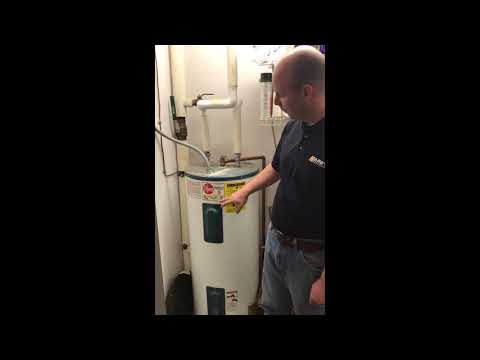

Decode the Water Heater Serial Number to Determine the Manufacturing Date
10 minsDecoding the serial number reveals the manufacturing date. Each manufacturer uses a different code. Refer to the manufacturer's website or contact their customer service for assistance with decoding.
Watch: Inspecting the Tank and Purchasing a Replacement

Thoroughly Inspect the Water Heater for Problems
10 minsCarefully examine the water heater tank and surrounding pipes for signs of corrosion, rust, or leaks. These issues strongly suggest the need for replacement. Turn off the gas or electrical supply before inspection.
Watch: Initial Leak InspectionCommon Problems
Rusty water indicates corrosion inside the tank, a sign of a failing water heater.
Solution: To avoid this issue: Be mindful of this warning and take appropriate precautions.
Leaking drain valve after water heater replacement.
Solution: If the drain valve is leaking, try tightening it slightly with a wrench. If the leak persists, the valve may need to be replaced.
Always turn off the circuit breaker and the main water supply to the heater before starting any work.
Solution: To avoid this issue: Be mindful of this warning and take appropriate precautions.
The old water heater will still contain water and be very heavy. Drain it as much as possible before attempting to move it.
Solution: To avoid this issue: Be mindful of this warning and take appropriate precautions.
Corroded copper flex lines can lead to catastrophic failure of the water heater inlet nipple, resulting in a major water leak.
Solution: To avoid this issue: Be mindful of this warning and take appropriate precautions.
Old water heaters are inefficient and cost more to run.
Solution: Check the date of manufacture on the existing water heater. An old model may be less energy efficient than the models available today.
Can't locate the water heater's data label to check its age and condition.
Solution: The data label is often located in the upper half of the water heater tank and is usually easily visible.
Frequently Asked Questions
What specific tools do I need to effectively inspect my water heater for signs of failure as outlined in this guide?
You'll primarily need a good flashlight to thoroughly inspect the tank, pipes, and surrounding area for leaks, rust, or corrosion. A smartphone is useful for taking clear photos of the serial number or any damage for later reference, and for accessing the manufacturer's website to decode the serial number. No specialized tools are required for this assessment.
Are there any safety precautions I should take when inspecting my water heater for signs of failure?
Yes, always be mindful of hot surfaces and potential electrical or gas hazards. Avoid touching exposed wiring or hot pipes. If you smell a rotten egg odor, which indicates a gas leak, evacuate immediately and contact your gas company. If you see active water leaks, proceed with caution and ensure the area is safe.
How difficult is it to follow this guide and accurately assess my water heater's condition, and how long should it take?
This guide is rated as beginner-friendly and should take approximately 1 hour to complete. The main tasks involve locating and decoding a serial number and performing a visual inspection, which requires no specialized skills or heavy lifting. Most of the time is spent thoroughly looking for subtle signs of wear.
What if I can't find or decode my water heater's serial number to determine its exact age?
Serial numbers are typically on a sticker on the upper side of the tank, sometimes near the energy efficiency label. If it's faded or unclear, try taking a clear photo with good lighting. If you still can't decode it using online resources, consult the manufacturer's customer support line with the brand and as much of the serial number as you can provide.
I've noticed some minor rust or corrosion on my water heater. How do I know if it's a definite sign of failure or just cosmetic?
Minor surface rust on the exterior jacket might not be critical, but rust on the fittings, pipes leading into the tank, or especially around the pressure relief valve or bottom of the tank, is a serious concern. Any active dripping or pooling water, regardless of rust level, indicates a leak that needs immediate attention and likely replacement. Pay close attention to the origin of the rust.
Should I get a professional opinion after completing this assessment, or can I rely solely on my findings?
While this guide empowers you to identify major red flags and confidently assess your water heater's health, consulting a licensed plumber for a professional assessment is highly recommended, especially if you're unsure. They can confirm your findings, provide an expert diagnosis, and offer accurate replacement quotes, ensuring safety and compliance with local codes.
What are the potential risks or costs if I delay replacing a water heater that shows signs of failure?
Delaying replacement of a failing water heater could lead to catastrophic tank failure, resulting in significant water damage to your home, which can be very costly to repair and may not be fully covered by insurance. Furthermore, an inefficient or failing unit will consume more energy, increasing your utility bills until it's replaced. It's often cheaper to replace proactively than reactively.