Water Heater Lifespan: Estimating Replacement & Planning
About This Project
This project guides you through the process of determining your water heater's lifespan and planning for its replacement. It involves several key steps: First, locate and decipher the serial number on your water heater to determine its manufacturing date. Second, decode the date from the serial number, using the manufacturer's resources if necessary. Finally, based on the age and condition of your water heater, develop a replacement timeline. Consider factors like typical lifespan (8-12 years), signs of wear (leaks, noises, corrosion), budget, household needs, and energy efficiency when making your plan. Consult a plumber for expert advice.
Best for homeowners and DIY enthusiasts.
Tools & Materials
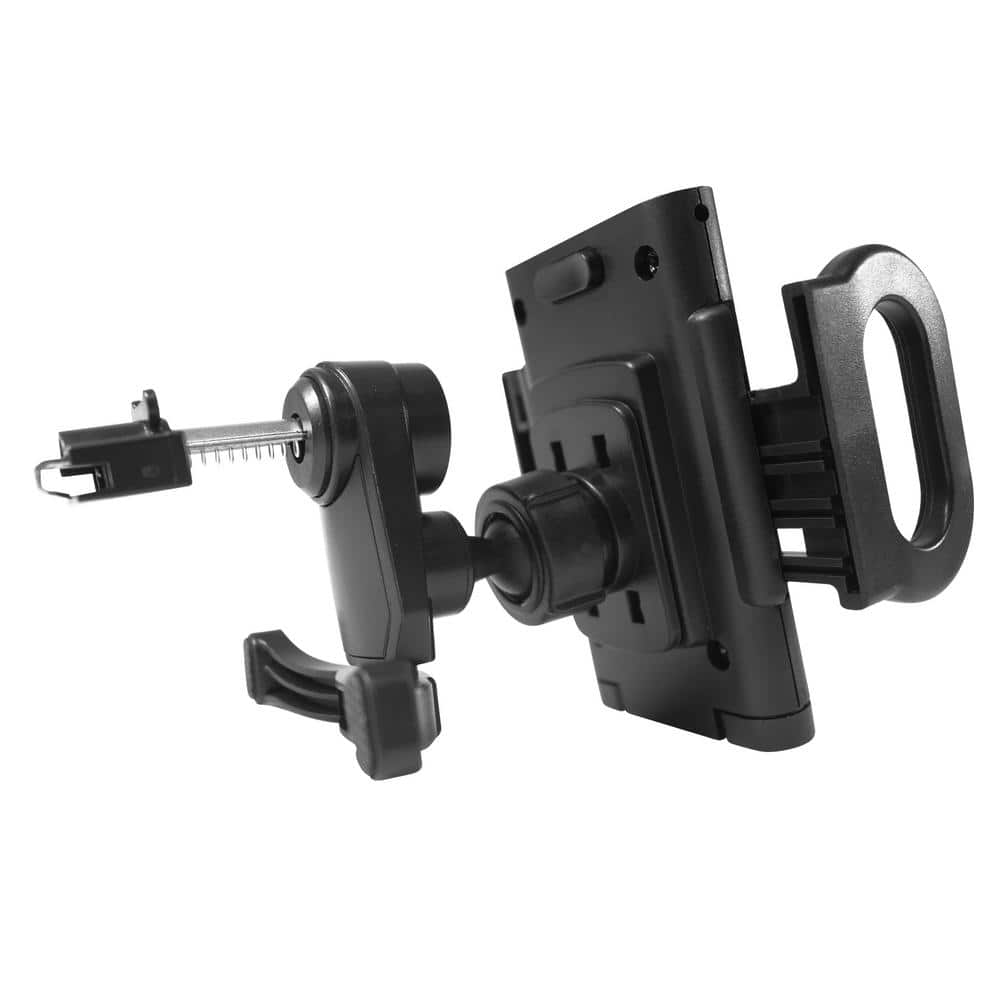
Macally Fully Adjustable Car Vent Mount Holder for iPhone/Smartphones MCARVENT
Macally Fully Adjustable Car Vent Mount Holder for iPhone/Smartphones MCARVENT
The Macally MCARVENT is an adjustable car vent holder mount for iPhone/smartphone (with or without protective case) between 1.97 in. and 4.5 in. wide and can securely mount your iPhone/smartphone on the
Steps

Locate and Decipher Your Water Heater's Serial Number
10 minsFind the serial number plate on your water heater; it's usually located on the side of the tank. This number contains a date code indicating its manufacture date. Take a clear photo for reference.
Watch: Locate the Data Tag and Serial Number
Decode the Manufacturing Date from the Serial Number
10 minsDecoding your water heater's serial number to find the manufacturing date requires understanding the manufacturer's coding system. Check the manufacturer's website or contact their customer service for assistance if needed. Note the year of manufacture.
Watch: Decode Bradford White Serial NumberDevelop a Water Heater Replacement Timeline
10 minsTypical tank water heaters last 8-12 years. If yours is approaching this age or showing signs of wear (leaks, corrosion, unusual noises), it's time to plan a replacement. Factor in budget, household size, and energy efficiency preferences. Consult a qualified plumber for recommendations and potential rebates or incentives.
Watch: Assess and Plan for ReplacementCommon Problems
Replace water heaters every 8-10 years to avoid failure.
Solution: To avoid this issue: Be mindful of this warning and take appropriate precautions.
Pay special attention to water heaters in locations where a leak could cause major damage, such as an attic.
Solution: To avoid this issue: Be mindful of this warning and take appropriate precautions.
Replacing a water heater only after it starts leaking can be more expensive and limit your choices.
Solution: To avoid this issue: Be mindful of this warning and take appropriate precautions.
A ruptured hot water tank can cause thousands of dollars in water damage.
Solution: To avoid this issue: Be mindful of this warning and take appropriate precautions.
Check your homeowner's insurance policy for any clauses related to the age of your hot water tank.
Solution: To avoid this issue: Be mindful of this warning and take appropriate precautions.
Can't find the water heater's manufacturing date label.
Solution: The label is often located on the upper half of the tank. Use a flashlight if the area is poorly lit.
Difficulty determining water heater age.
Solution: These brands make it very easy to identify the age without needing to decode a serial number.
Frequently Asked Questions
What essential tools do I need to accurately locate and read my water heater's serial number, especially in tight or dark spaces?
You'll primarily need a good flashlight and your smartphone camera. The camera can help you take a clear picture of the label if it's in an awkward position or hard to read directly. A small mirror might also be useful for seeing around corners or obscured labels.
Are there any safety precautions I should take before attempting to locate or inspect my water heater's serial number?
Always be aware of your surroundings; gas water heaters have gas lines and electric models have electrical connections. Avoid touching hot surfaces or anything you are unsure about. While this task is low risk, if you smell gas or see frayed wires, do not proceed and contact a professional immediately.
How challenging is it to find and decode the serial number, and what if I can't locate or decipher it?
Finding the serial number is usually beginner-friendly, but can be tricky if the label is obscured or damaged. If you can't find it after checking all sides of the tank, or if it's unreadable, try searching online for 'your water heater brand serial number location' or contact the manufacturer's customer service with photos of the unit.
Once I've found the serial number, what's the easiest way to decode the manufacturing date?
Most manufacturers embed the year and sometimes the week or month in the serial number. The quickest method is to search online for '[Your Water Heater Brand] serial number date code.' Many brands have online decoders or charts, or you can often call their customer service for assistance.
Besides the manufacturing date, what other critical factors should I consider when planning my water heater replacement timeline?
Beyond its age (typical lifespan 8-12 years), consider current performance issues like frequent cold showers, strange noises, visible leaks, or rusty water. Also, factor in your budget, potential energy savings from a newer, more efficient model, and any future household demands.
What are some common mistakes to avoid when trying to determine my water heater's lifespan and planning for replacement?
Don't rely solely on the installation date if available, as the unit might have been manufactured earlier. Avoid waiting for a catastrophic failure (like a major leak) before planning. Also, don't overlook checking for early warning signs such as reduced efficiency or minor corrosion, even if the unit isn't at its maximum age.