Hot Water Heater Lifespan: When to Replace Your Water Heater
About This Project
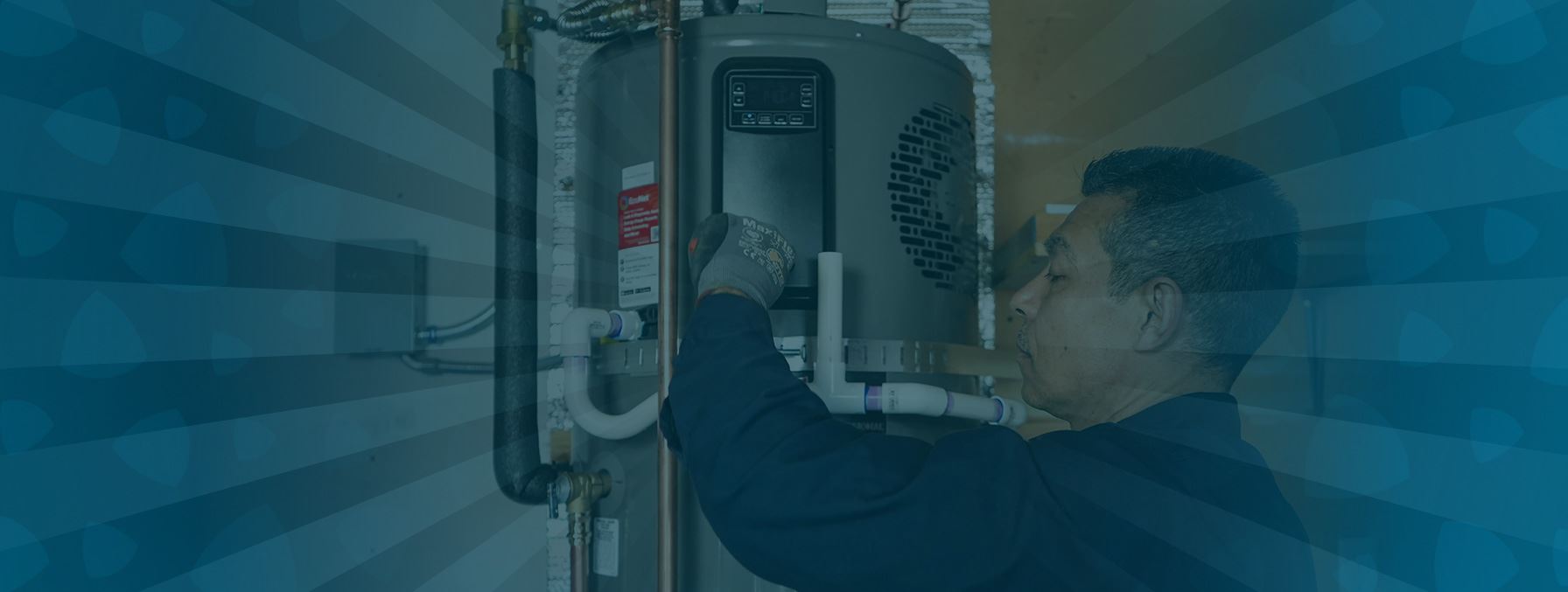
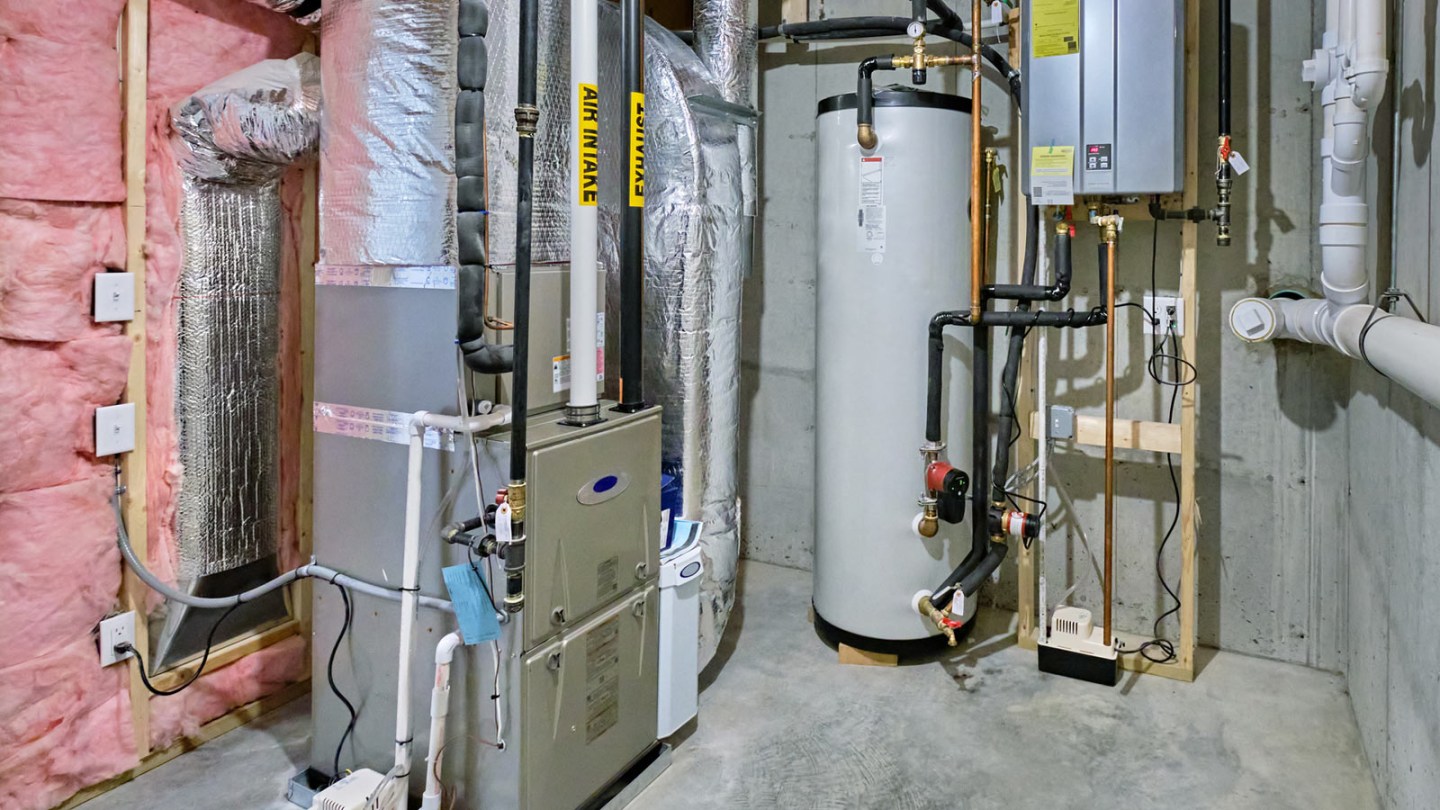
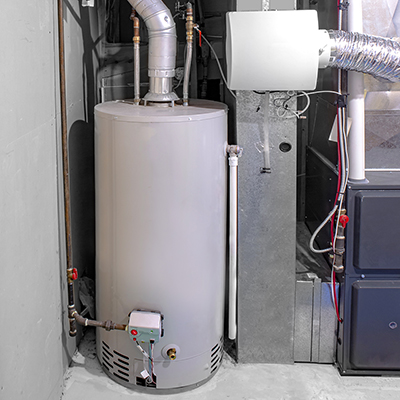
This project guides you through assessing whether your hot water heater needs replacement. The first step involves determining your water heater's age by checking the label or purchase records. Then research the typical lifespan of your specific type of water heater (electric, gas, tankless), keeping in mind that electric ones generally last 8-12 years, while tankless models can exceed 20. Finally, thoroughly inspect the unit for signs of wear and tear such as rust, leaks, or unusual noises, especially around fittings and the tank's top. Significant damage or an age close to the expected lifespan suggests a need for replacement.
Best for homeowners and DIY enthusiasts.
Steps

Research the Typical Lifespan of Your Water Heater
15 minsMost electric water heaters last 8-12 years; tankless models can last much longer (20+ years). Consider your water heater's type (electric, gas, or tankless) when researching its expected lifespan.
Watch: Lifespan and Warranty Comparison
Thoroughly Inspect Your Water Heater's Condition
15 minsCarefully examine your water heater for rust, leaks, unusual noises, or other signs of wear and tear. Pay close attention to areas around fittings and the top of the tank. If the unit shows significant signs of damage or is nearing the end of its lifespan, replacement is likely necessary.
Watch: Initial Leak InspectionCommon Problems
Replace water heaters every 8-10 years to avoid failure.
Solution: To avoid this issue: Be mindful of this warning and take appropriate precautions.
Pay special attention to water heaters in locations where a leak could cause major damage, such as an attic.
Solution: To avoid this issue: Be mindful of this warning and take appropriate precautions.
Always turn off the circuit breaker and the main water supply to the heater before starting any work.
Solution: To avoid this issue: Be mindful of this warning and take appropriate precautions.
The old water heater will still contain water and be very heavy. Drain it as much as possible before attempting to move it.
Solution: To avoid this issue: Be mindful of this warning and take appropriate precautions.
Water heater system pressure is unchecked, potentially leading to damage.
Solution: A working expansion tank should sound hollow on top (where the air is) and more solid on the bottom (where the water is). A completely failed tank will sound solid and feel heavy.
Tank sounds solid when tapped, indicating waterlogging and imminent failure.
Solution: Tapping on the bottom half of a working tank should sound hollow, while tapping on a failed, water-logged tank will sound solid.
Frequent, costly water heater replacements due to short lifespan.
Solution: A water heater with a plastic tank and lifetime warranty, like the Rheem Marathon, can eliminate the cost and hassle of future replacements, making it a good choice for a long-term residence.
Frequently Asked Questions
What essential tools or equipment do I need to inspect my hot water heater for replacement?
You'll primarily need a flashlight to illuminate hard-to-reach areas and inspect the tank thoroughly. A camera on your phone can also be helpful for documenting issues or getting a better view of cramped spaces. No specialized tools are required for this assessment.
What are the most critical safety precautions to take during the water heater inspection?
Always be mindful of hot pipes and electrical connections. If your water heater is gas-powered and you detect any gas smell (rotten eggs), immediately leave the area, do not operate switches, and contact your gas utility. Avoid touching severely corroded or leaking areas with bare hands.
How can I accurately determine my water heater's age if the label or sticker is missing or unreadable?
The manufacturing date is usually encoded in the serial number, often using a letter for the month and two digits for the year (e.g., F10 for June 2010). You can typically find a deciphering guide on the manufacturer's website or by searching online with your brand and serial number format.
Besides active leaks, what less obvious signs of wear and tear should I look for that indicate my water heater might need replacement?
Look for dried water streaks, discoloration, or corrosion around fittings, the pressure relief valve, and the bottom of the tank, which could signal past or intermittent leaks. Also, listen for persistent popping, rumbling, or banging noises, often indicating significant sediment buildup.
If my water heater shows minor issues but isn't at the end of its typical lifespan, are there any alternatives to immediate replacement?
Small drips from fittings can often be resolved by tightening connections or replacing a component like the temperature and pressure relief (T&P) valve. If noises are due to sediment, a thorough tank flush might extend its life. However, any tank leaks or significant rust usually mandate full replacement.
How long should this initial inspection take, and is it truly suitable for a beginner DIYer?
The inspection itself is quite quick, usually taking only 15-30 minutes once you know what to look for. It is very beginner-friendly as it primarily involves visual checks and listening, requiring no special tools or technical expertise.