Vieux Carré Cocktail Recipe: A New Orleans Classic
About This Project
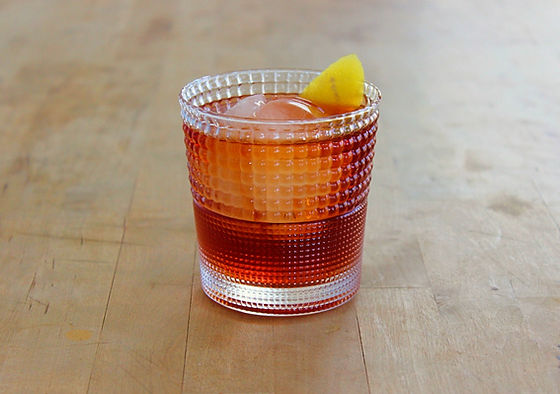
To prepare a Vieux Carré, fill a mixing glass with ice. Add ¾ oz rye whiskey, ¾ oz cognac, ¾ oz sweet vermouth, ½ oz Bénédictine, 2 dashes Peychaud's bitters, and 2 dashes Angostura bitters. Stir for 20-30 seconds. Strain into a rocks glass filled with fresh ice. Garnish with a lemon twist.
Best for homeowners and DIY enthusiasts.
Tools & Materials
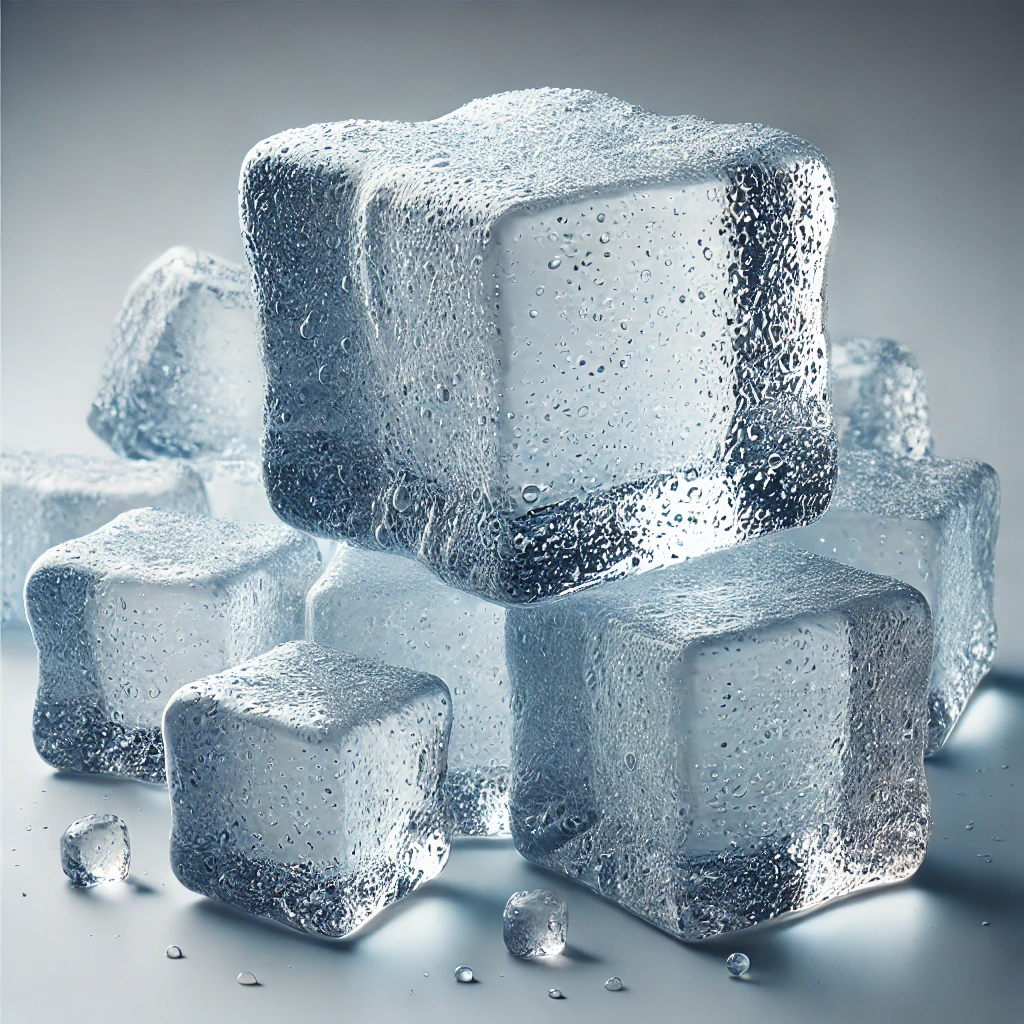
Ice cubes
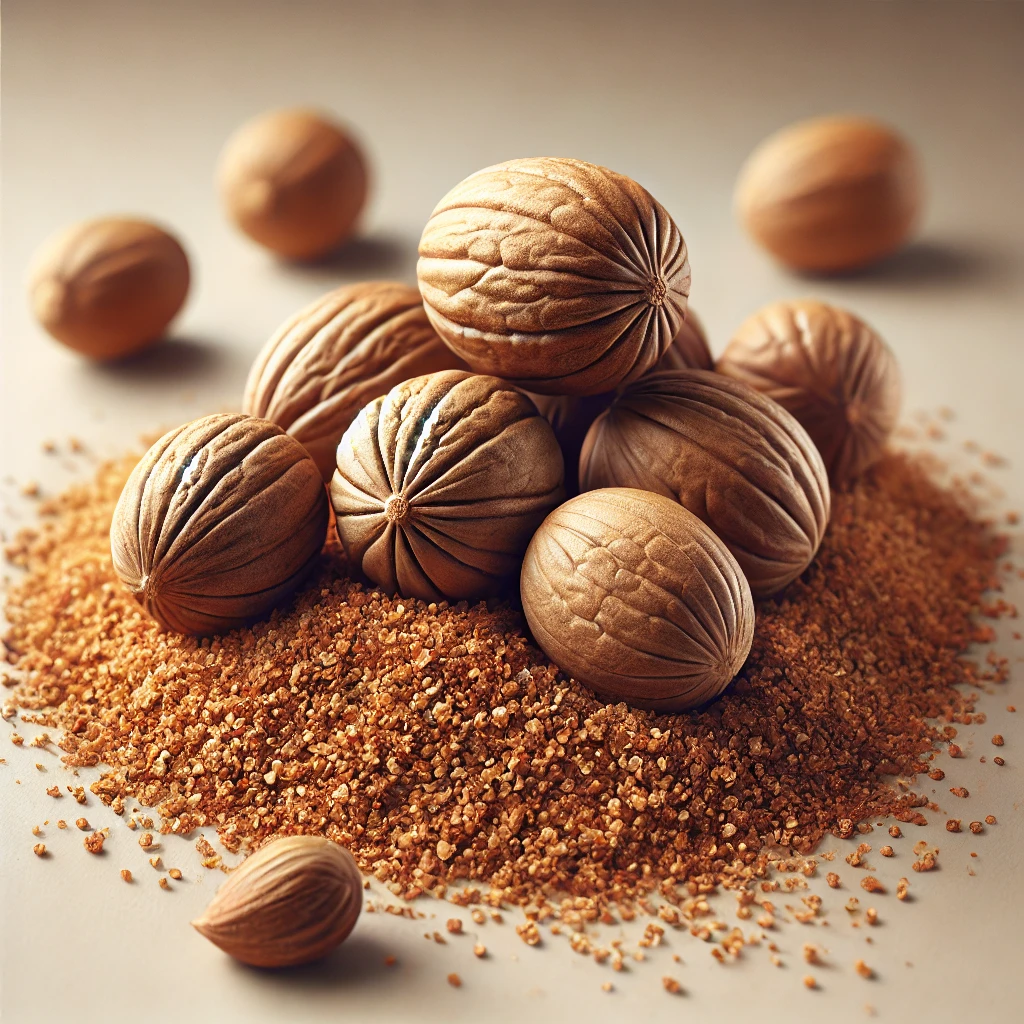
Nutmeg
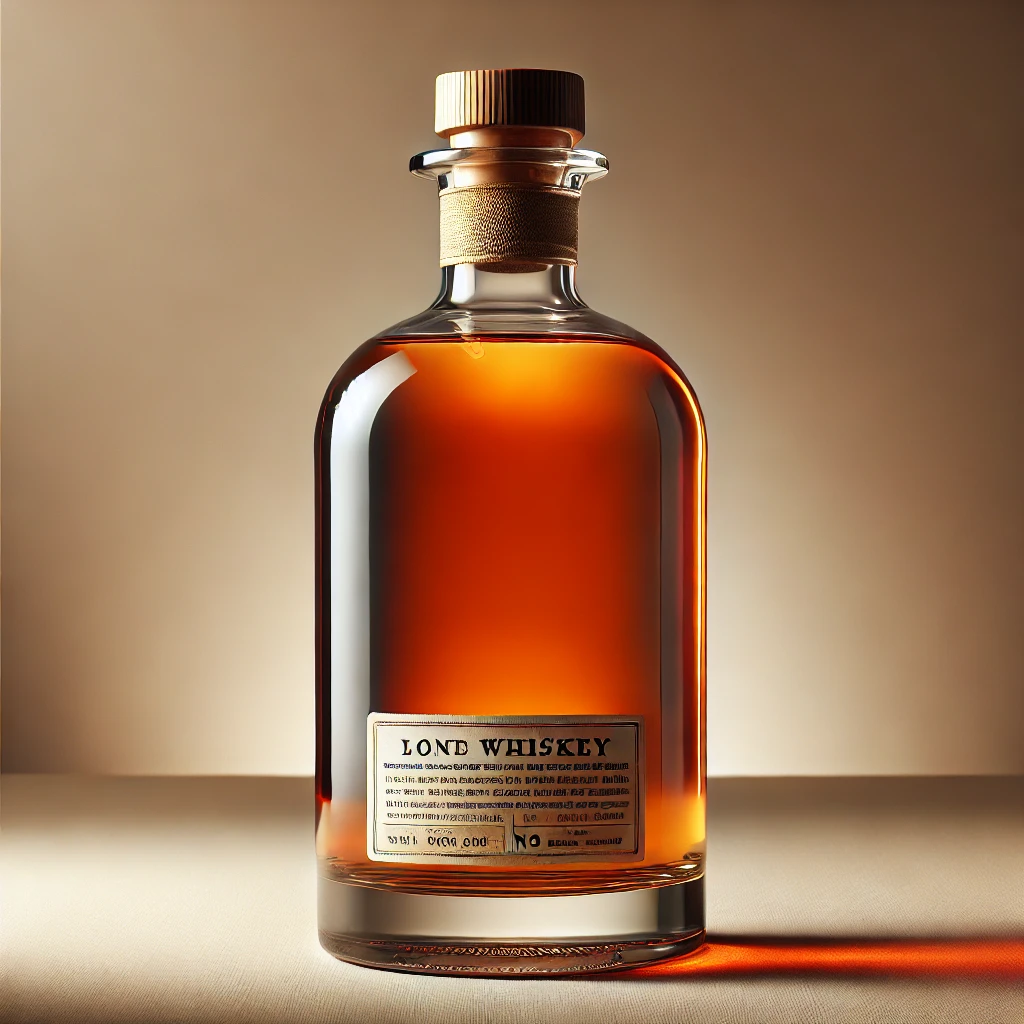
Bourbon whiskey
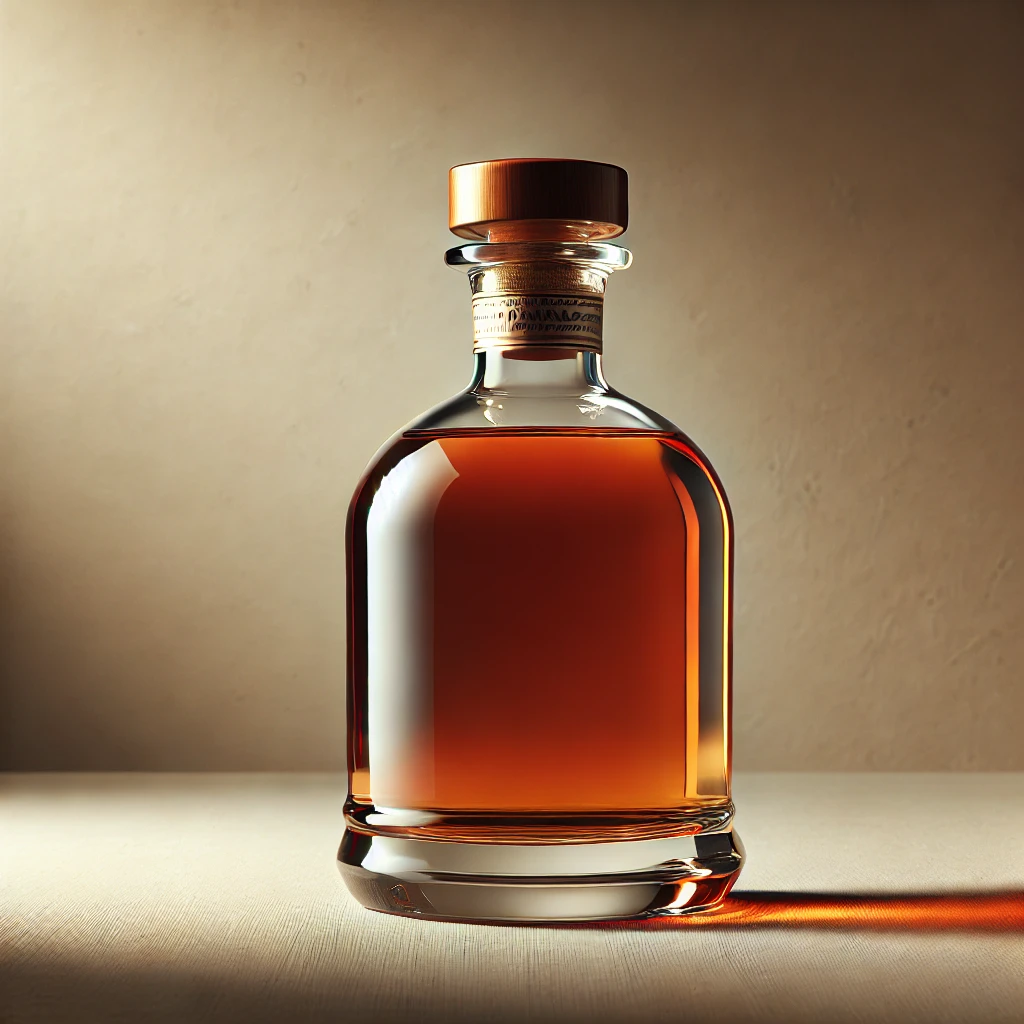
Cognac
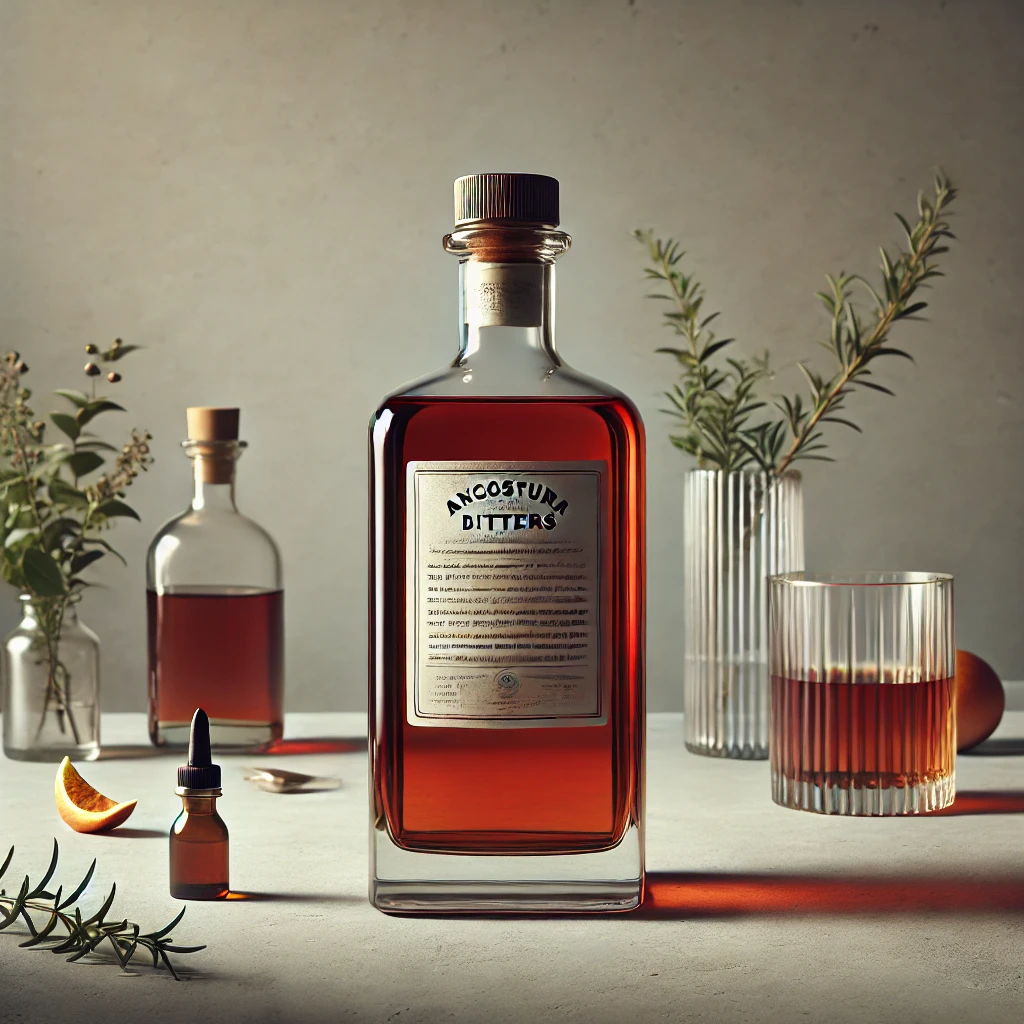
Angostura bitters

Cocktail Bitters Sampler
Ice cubes
ice cubes
Nutmeg
nutmeg
Bourbon whiskey
bourbon whiskey
Cognac
cognac
Angostura bitters
angostura bitters
Cocktail Bitters Sampler
<p><meta charset="utf-8"><strong><span data-mce-fragment="1">Brand New Look, Same Great Sets!</span></strong></p> <p><span data-mce-fragment="1">Whether you just can’t decide what flavor to take home or are looking for the perfect gift for the cocktail lover in your life, our sample-sized sets are a great introduction to The Bitter Housewife line of craft cocktail bitters.</span><br data-mce-fragment="1"><br data-mce-fragment="1"><b data-mce-fragment="1">The Classic Set</b><span data-mce-fragment="1"> features our most classic bitters flavors that generally pair best with dark, aged, or smoky spirits like Bourbon, Whiskey, Scotch, Aged Rum, and Mezcal. They’ll bring new life to classic cocktails and take modern drinks to new levels. Includes 30 ml bottles of Barrel Aged Bitters, Aromatic Bitters, and Orange Bitters.</span><br data-mce-fragment="1"><br data-mce-fragment="1"><b data-mce-fragment="1">The Modern Set</b><span data-mce-fragment="1"> features our bright, modern bitters flavors that go best with lighter spirits like Vodka, Gin, Tequila, and Rum. They’ll also perk up a wine spritzer and take your aperitivi to the next level. Includes 30 ml bottles of Grapefruit Bitters, Cardamom Bitters, and Lime Coriander Bitters.</span></p>
Steps



Common Problems
The cocktail tastes too watery or too warm and strong.
Solution: If your drink tastes watery, it means it was over-diluted, likely from stirring too long. Unfortunately, this is hard to fix without making a new drink. If it's too strong and not cold enough, you can gently stir it with fresh ice for a few more seconds to achieve proper chill and dilution. Be careful not to overdo it.
Prevention: Ensure your mixing glass is completely full of fresh, solid ice before adding ingredients. Stir for the recommended 20-30 seconds, using a gentle, consistent motion. Taste the drink after 20 seconds to gauge dilution, then continue if needed. Use fresh ice in your serving glass as well.
The cocktail tastes unbalanced (e.g., too sweet, too bitter, or too boozy).
Solution: Once mixed, it's difficult to perfectly rebalance. If slightly too sweet from the Bénédictine or vermouth, you might try adding one extra dash of Angostura bitters, but this rarely fully corrects the issue. If it's significantly off, it's best to discard and remake, focusing on precise measurements.
Prevention: Always use a proper measuring tool (jigger) for all liquid ingredients. Do not 'eyeball' amounts. For dashes of bitters, hold the bottle upside down for a quick, firm flick – practice this to get consistent dashes. Understand that every ingredient, especially Bénédictine and bitters, is potent and crucial to the balance.
Glass breaks or cracks during stirring or straining, causing a safety hazard.
Solution: Immediately stop all activity. Carefully gather all broken glass pieces using a broom and dustpan, avoiding direct contact with your hands. Use a damp paper towel to pick up any tiny shards. Dispose of the broken glass safely in a thick paper bag or box before placing it in the trash. Clean the area thoroughly.
Prevention: Always use a sturdy mixing glass designed for cocktails; thin drinking glasses can be fragile. Stir gently with your bar spoon, keeping the spoon along the side of the glass rather than banging it against the bottom or sides. Avoid rapid temperature changes (e.g., very cold glass directly from a freezer into warm water).
The cocktail is cloudy or has small ice chips floating in it.
Solution: If there are just a few ice chips, you can 'double strain' by straining the cocktail through a fine mesh sieve (like a tea strainer) held over your serving glass, in addition to using your regular cocktail strainer. If the drink is generally cloudy, it's likely due to poor quality ice or over-vigorous stirring, and this cannot be fixed once it's in the glass.
Prevention: Use large, solid ice cubes for stirring, as they dilute slower and break apart less. Avoid using 'wet' ice (ice that has started to melt). Stir gently in a circular motion instead of aggressively swirling or shaking, which can chip the ice and introduce air, leading to cloudiness.
The lemon twist garnish looks messy or doesn't add much aroma to the drink.
Solution: If the peel is too small or messy, you can try to cut another. If it's already in the drink and not fragrant, you can gently pinch and twist it again over the top of the cocktail to release more oils. For future drinks, re-evaluate your cutting technique.
Prevention: Use a sharp paring knife or a channel knife to get a clean, consistent strip of lemon peel, avoiding the bitter white pith. Before placing the twist in the drink, gently twist it directly over the cocktail, allowing the aromatic oils to spray onto the surface of the drink. This 'expresses' the oils, enhancing the aroma.
The bitters are difficult to dash consistently, or the bottle seems clogged.
Solution: If the bottle seems clogged, gently tap the bottom of the bottle. If that doesn't work, try carefully clearing the opening with a toothpick. If dashes are inconsistent, you might need to adjust your 'dashing' technique (quicker flick for less, slower for more).
Prevention: Store bitters upright to prevent residue from accumulating and clogging the dispenser. When purchasing, note that different brands of bitters might have slightly different-sized dash openings, so practice with new bottles to get a feel for their dispensing rate.
Frequently Asked Questions
What specific tools do I actually need to make a Vieux Carré, beyond general kitchen items?
You'll need essential bar tools like a jigger for precise measurements, a mixing glass, a long-handled bar spoon for proper stirring, and a cocktail strainer. While the project listed 'Nutmeg' and 'Cocktail Bitters Sampler,' these are more ingredients or kit components, and the 'Zephyr Range Hood' is not relevant to cocktail making.
The recipe says "beginner" and "15 minutes." Is it really that easy and quick for a first-timer?
Yes, making a Vieux Carré is quite approachable for beginners. The 15 minutes accounts for gathering your ingredients, accurately measuring, and stirring. The most crucial part for a perfect cocktail is precise measurement and proper stirring technique to achieve the right chill and dilution.
How can I prevent my Vieux Carré from becoming too diluted or watery?
To avoid over-dilution, ensure your mixing glass is completely filled with fresh, solid ice before you begin. Stir for the recommended 20-30 seconds, but don't overdo it. Always strain your chilled cocktail into a rocks glass filled with fresh, new ice, not the ice you used for stirring.
Bénédictine isn't a common liquor for me. Can I substitute it with something else, or omit it?
Bénédictine is a unique herbal liqueur that contributes a distinct sweetness and complexity to the Vieux Carré, making it difficult to substitute without significantly altering the cocktail's profile. While you could experiment with other herbal liqueurs, it won't be a true Vieux Carré. It's recommended to invest in a bottle, as a little goes a long way.
The recipe calls for both Peychaud's and Angostura bitters. Are both absolutely necessary, or can I just use one?
Both Peychaud's and Angostura bitters are critical for the authentic and complex flavor profile of a classic Vieux Carré. Peychaud's adds distinct anise and cherry notes, while Angostura contributes deep spice and balance. Using both creates the intended harmonious taste, so it's best not to skip either for a true experience.
What's the approximate cost to get started with the necessary spirits for a Vieux Carré?
The initial investment can be significant as you'll need to purchase full bottles of rye whiskey, cognac, sweet vermouth, Bénédictine, and two types of bitters. Depending on the brands you choose, expect an upfront cost ranging from $70-$150+. However, these bottles will yield many cocktails, making the per-drink cost quite reasonable over time.