Vesper Martini (with orange bitters)
About This Project
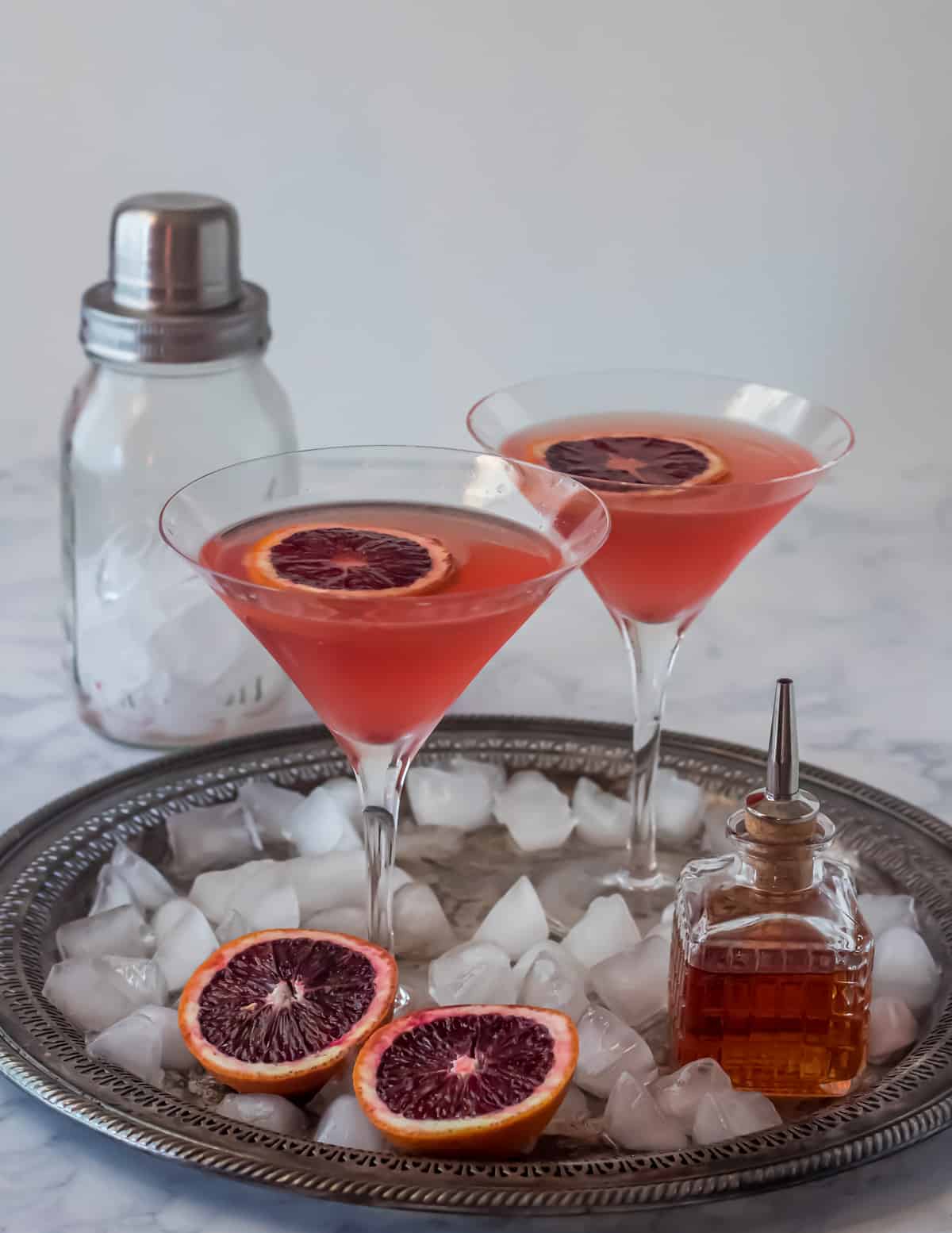
To make a Vesper Martini with orange bitters, start by filling a mixing glass with ice. Then, add 3 ounces of London Dry Gin, 1 ounce of vodka, and 1/2 ounce of Lillet Blanc. Add 2 dashes of orange bitters to the mix. Stir everything well with a bar spoon for about 15-20 seconds until the mixture is well-chilled. Strain the drink into a chilled cocktail glass. Finally, garnish the cocktail with a lemon twist and enjoy.
Best for homeowners and DIY enthusiasts.
Tools & Materials

Ice cubes
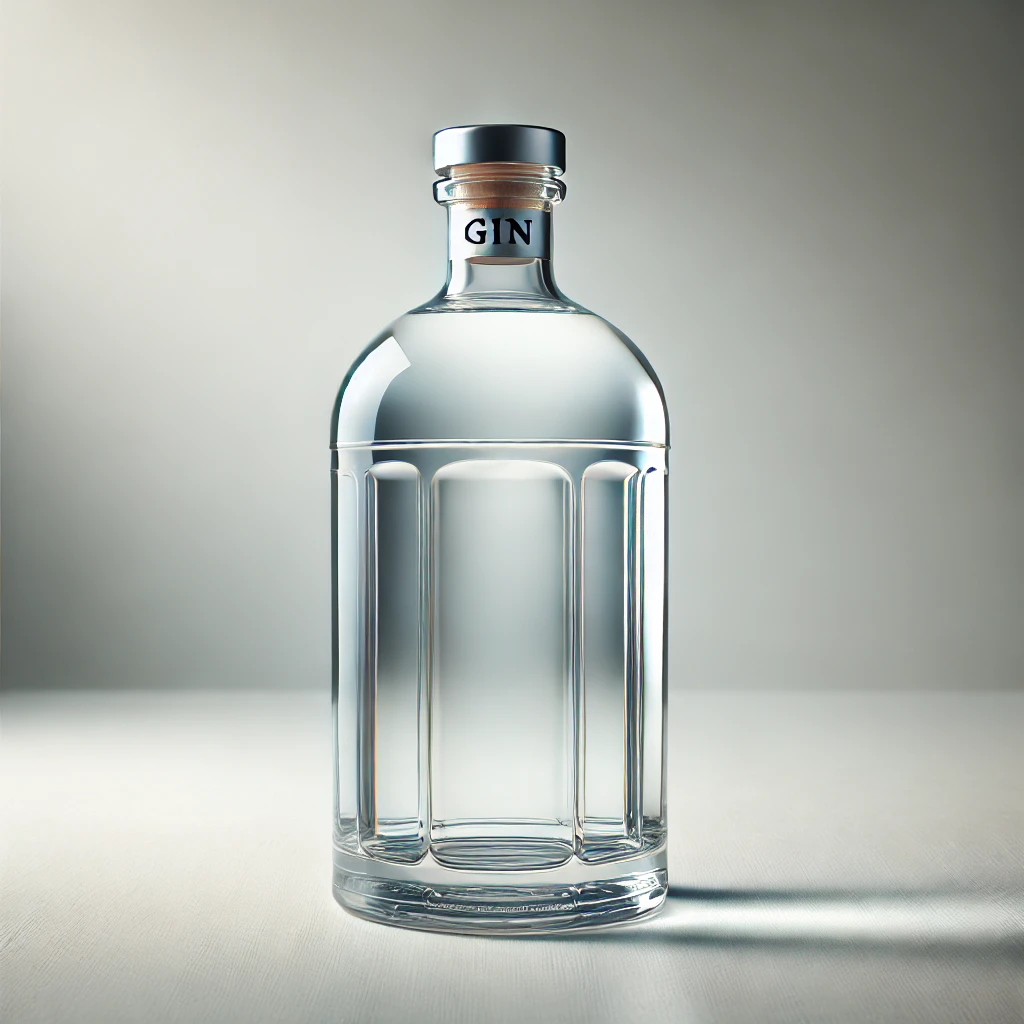
Gin
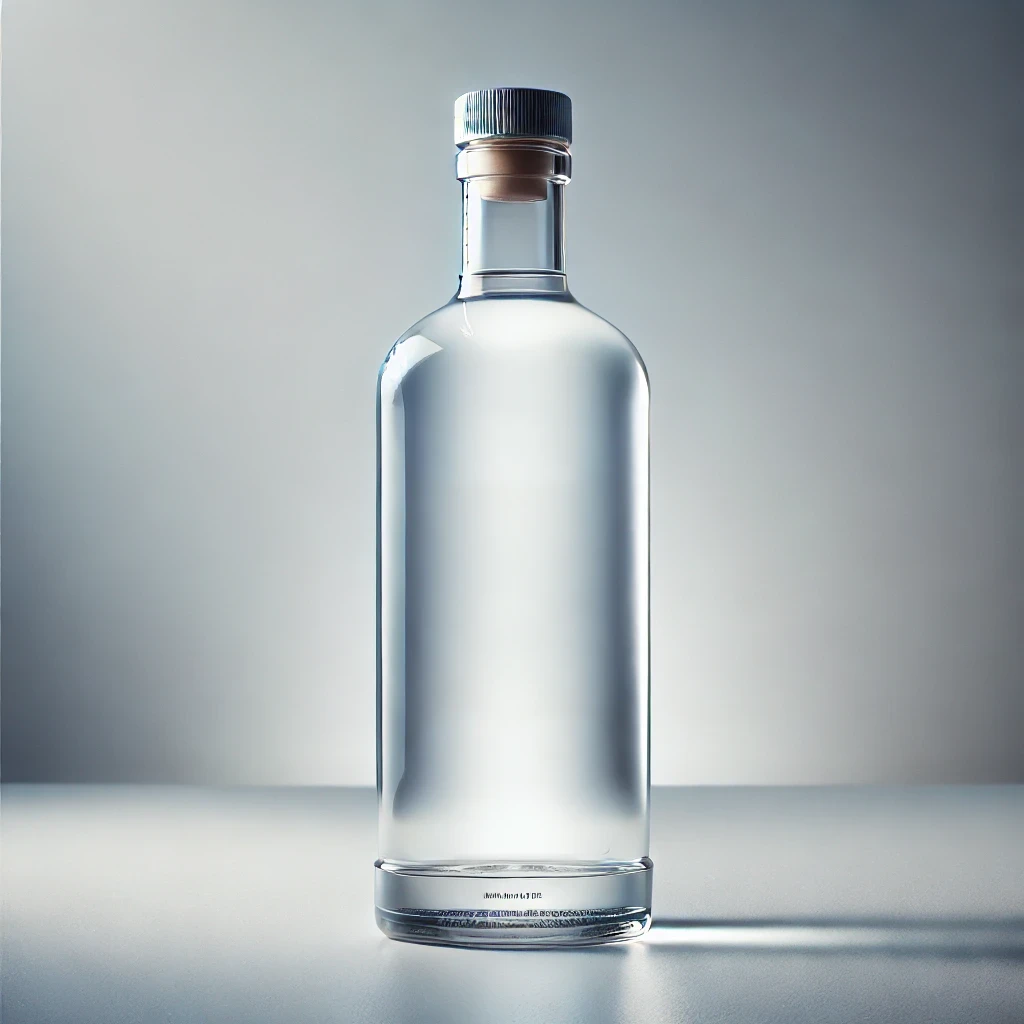
Vodka

Orange Bitters

Cocktail Bitters Sampler
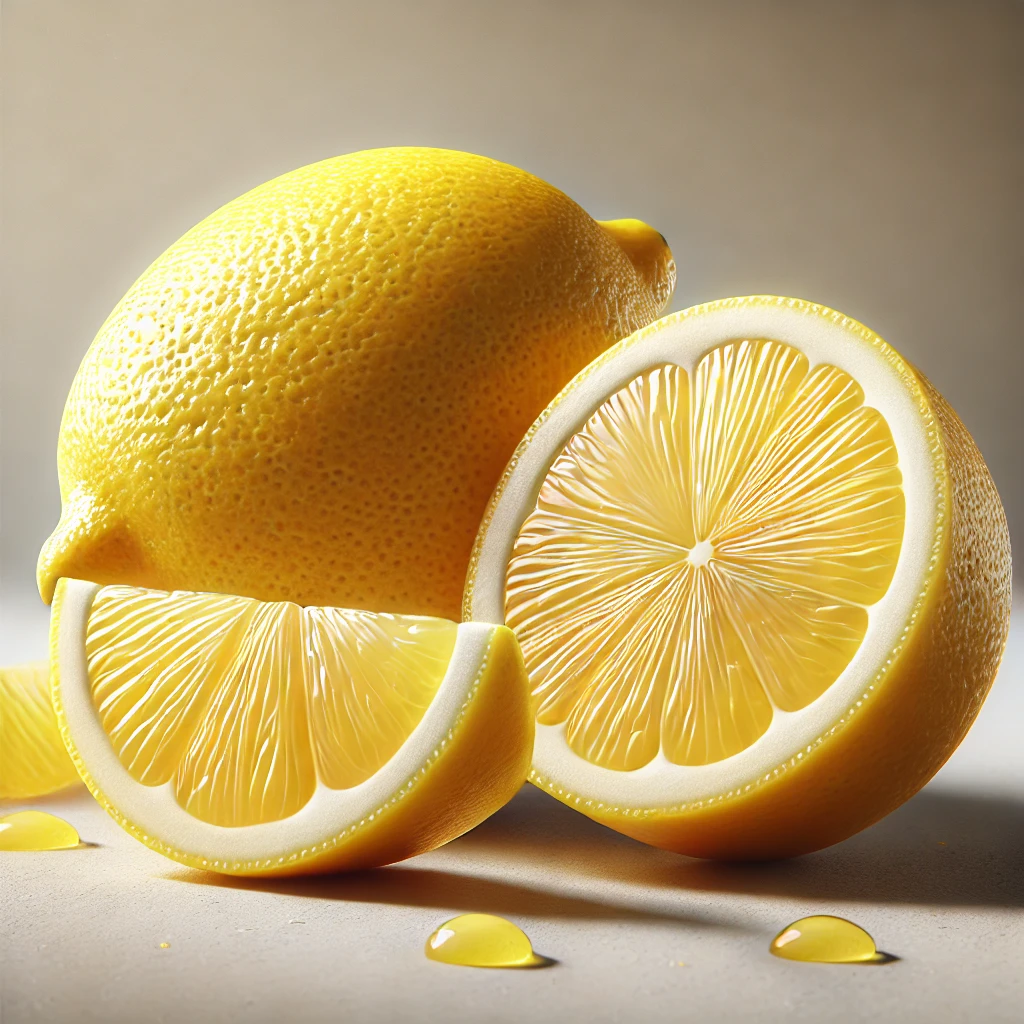
Lemon
Ice cubes
ice cubes
Gin
gin
Vodka
vodka
Orange Bitters
<p>Orange is a classic bitters flavor that doesn’t get the attention it deserves. I know you’re not supposed to have favorites among your children, but I have to admit I find myself reaching for Orange Bitters more than any other flavor. It’s bright, full of flavor, and familiar in a way that inspires you to play with it.</p> <p>I wanted to create something that was different than the other orange bitters available, so we pack these full of fresh navel orange peel, about one orange per bottle, keep the baking spices subtle and on the earthy side, and add earl grey tea for an unexpected floral note.</p> <p>Try these recipes:<br> <a title="Celtic Scoundrel" href="https://thebitterhousewife.com/blogs/news/celtic-scoundrel">Celtic Scoundrel<br></a><a title="Rosé Sangria" href="https://thebitterhousewife.com/blogs/news/rose-sangria">Rosé Sangria<br></a><a title="Earl Grey Spritz" href="https://thebitterhousewife.com/blogs/news/earl-grey-spritz">Earl Grey Spritz<br></a><a title="Garden Gin and Tonic" href="https://thebitterhousewife.com/blogs/news/garden-gin-and-tonic">Garden Gin and Tonic<br></a><a title="Vermouth Berry Cobbler" href="https://thebitterhousewife.com/blogs/news/vermouth-berry-cobbler">Vermouth Berry Cobbler</a></p> <p>Goes as well with whiskey as it does gin and everything in between. Make your Margarita richer, your Old Fashioned more playful, or your Martini a standout.</p> <p><strong>Ingredients:</strong> Alcohol, water, organic sugar, orange peel, earl grey tea leaves, cardamom, allspice, gentian, quassia.</p>
Cocktail Bitters Sampler
<p><meta charset="utf-8"><strong><span data-mce-fragment="1">Brand New Look, Same Great Sets!</span></strong></p> <p><span data-mce-fragment="1">Whether you just can’t decide what flavor to take home or are looking for the perfect gift for the cocktail lover in your life, our sample-sized sets are a great introduction to The Bitter Housewife line of craft cocktail bitters.</span><br data-mce-fragment="1"><br data-mce-fragment="1"><b data-mce-fragment="1">The Classic Set</b><span data-mce-fragment="1"> features our most classic bitters flavors that generally pair best with dark, aged, or smoky spirits like Bourbon, Whiskey, Scotch, Aged Rum, and Mezcal. They’ll bring new life to classic cocktails and take modern drinks to new levels. Includes 30 ml bottles of Barrel Aged Bitters, Aromatic Bitters, and Orange Bitters.</span><br data-mce-fragment="1"><br data-mce-fragment="1"><b data-mce-fragment="1">The Modern Set</b><span data-mce-fragment="1"> features our bright, modern bitters flavors that go best with lighter spirits like Vodka, Gin, Tequila, and Rum. They’ll also perk up a wine spritzer and take your aperitivi to the next level. Includes 30 ml bottles of Grapefruit Bitters, Cardamom Bitters, and Lime Coriander Bitters.</span></p>
Lemon
lemon
Steps



Common Problems
The Vesper Martini tastes watered down and isn't cold enough.
Solution: Unfortunately, a watered-down drink can't be easily fixed, so it's best to start over. If the drink is just not cold enough, you could try gently stirring for a few more seconds with fresh ice, but be cautious not to over-dilute it further.
Prevention: Use plenty of fresh, solid ice cubes (not slushy or partially melted) in your mixing glass. Pre-chill your mixing glass and cocktail glass in the freezer or with ice water. Stir vigorously but avoid over-stirring; 15-20 seconds is usually enough for proper chilling and minimal dilution.
The taste of gin, vodka, or Lillet Blanc is too dominant or too faint, making the drink unbalanced.
Solution: If the drink is too unbalanced, it's hard to correct once mixed. You might try adding a very small amount of the missing ingredient, but this often leads to an overfilled or still unbalanced drink. It's usually best to discard and remake the cocktail with precise measurements.
Prevention: Always use a jigger or precise measuring tool (like a kitchen measuring spoon set for smaller amounts) to ensure the correct ratios of gin, vodka, and Lillet Blanc. Read the measurements carefully before pouring each ingredient.
The orange bitters flavor is either overwhelming or completely missing from the drink.
Solution: If too many bitters were added, the drink will likely be too bitter and difficult to fix without making it taste watered down. If too few, you can carefully add one more dash, stir briefly, and taste. If your bitters seem weak, they might be old and need replacing.
Prevention: Be precise with your dashes; 'two dashes' means two distinct, quick shakes from the bitters bottle. Always store bitters in a cool, dark place to maintain their potency. If unsure about a new bottle's strength, test a tiny drop on your finger before adding to your drink.
Glassware (mixing glass or cocktail glass) breaks while stirring or straining the drink.
Solution: Immediately stop and carefully clean up any broken glass and spilled liquid. Use thick gloves for safety. Do not consume any liquid that may contain glass shards, even small ones.
Prevention: Use sturdy, thick-walled mixing glasses. Stir gently but firmly, ensuring the bar spoon glides along the side of the glass rather than hitting it forcefully. Always pre-chill your cocktail glass to avoid sudden temperature changes (thermal shock) when the very cold drink is strained into it.
The lemon twist garnish looks messy, or it doesn't add a pleasant citrus aroma to the drink.
Solution: If the twist is messy, try to trim it into a cleaner shape with a sharp knife. If it's not releasing aroma, gently twist the existing piece over the surface of the drink to express its oils, then rub it around the rim of the glass before placing it in or on the rim.
Prevention: Use a sharp paring knife or a vegetable peeler to get a clean, thin strip of lemon zest, avoiding the bitter white pith. Before placing it in the drink, twist the zest firmly over the cocktail to express its fragrant oils, and then rub the peel around the rim of the glass for an extra aromatic touch.
Frequently Asked Questions
Do I really need a dedicated mixing glass and bar spoon, or can I use items I already have in my kitchen?
While a dedicated mixing glass and bar spoon are ideal for optimal chilling and minimal dilution, you can improvise. A tall glass (like a pint glass) and a long spoon will work. Just ensure your improvised mixing vessel is large enough for ice and ingredients, and your spoon reaches the bottom to stir effectively.
The project is rated 'beginner' and takes 15 minutes. Is this realistic for someone new to cocktails, and what about the initial cost of ingredients?
Yes, 15 minutes is realistic for the active mixing process. For beginners, the main time investment might be gathering all the specific spirits. The initial cost for quality gin, vodka, and Lillet Blanc can be an investment, but these bottles will last for many cocktails, making subsequent Vespers very cost-effective.
What if I don't have Lillet Blanc or orange bitters? Can I substitute them for this Vesper Martini?
Lillet Blanc is crucial for a true Vesper and doesn't have a direct substitute that yields the same flavor profile; its absence changes the drink significantly. For orange bitters, while specific, you could omit them for a classic Vesper, but they add a lovely aromatic layer. Other aromatic bitters might alter the drink too much.
Why is stirring recommended for a Vesper Martini instead of shaking, and how can I avoid over-dilution?
Stirring is preferred for spirit-forward cocktails like the Vesper to achieve a silky texture and clear appearance, as shaking can over-aerate and cloud the drink. To avoid over-dilution, use large, fresh ice cubes and stir for the recommended 15-20 seconds until well-chilled, then strain quickly.
What's the best way to create a perfect lemon twist for the garnish?
Use a sharp vegetable peeler or a small paring knife to remove a strip of lemon peel, avoiding too much of the white pith which can be bitter. Then, twist the peel over the drink to express its essential oils, rub it along the rim, and drop it into the glass for presentation and added aroma.
Are there specific types or brands of Gin and Vodka recommended for a Vesper Martini, or will any do?
For a premium Vesper, the quality of your spirits significantly impacts the final taste. A classic London Dry Gin is traditional, and a smooth, high-quality vodka will make a noticeable difference. While you can use any, investing in decent brands for the three main spirits (gin, vodka, Lillet) will elevate your martini experience.