Pink Gin Cocktail Recipe & Guide
About This Project
To prepare a Pink Gin, first chill a cocktail glass and add a few dashes of Angostura bitters, swirling to coat the inside and discarding any excess. Next, add 2 ounces of gin to the glass.
Best for beginners and first-time DIYers.
Tools & Materials

Cocktail Bitters Sampler
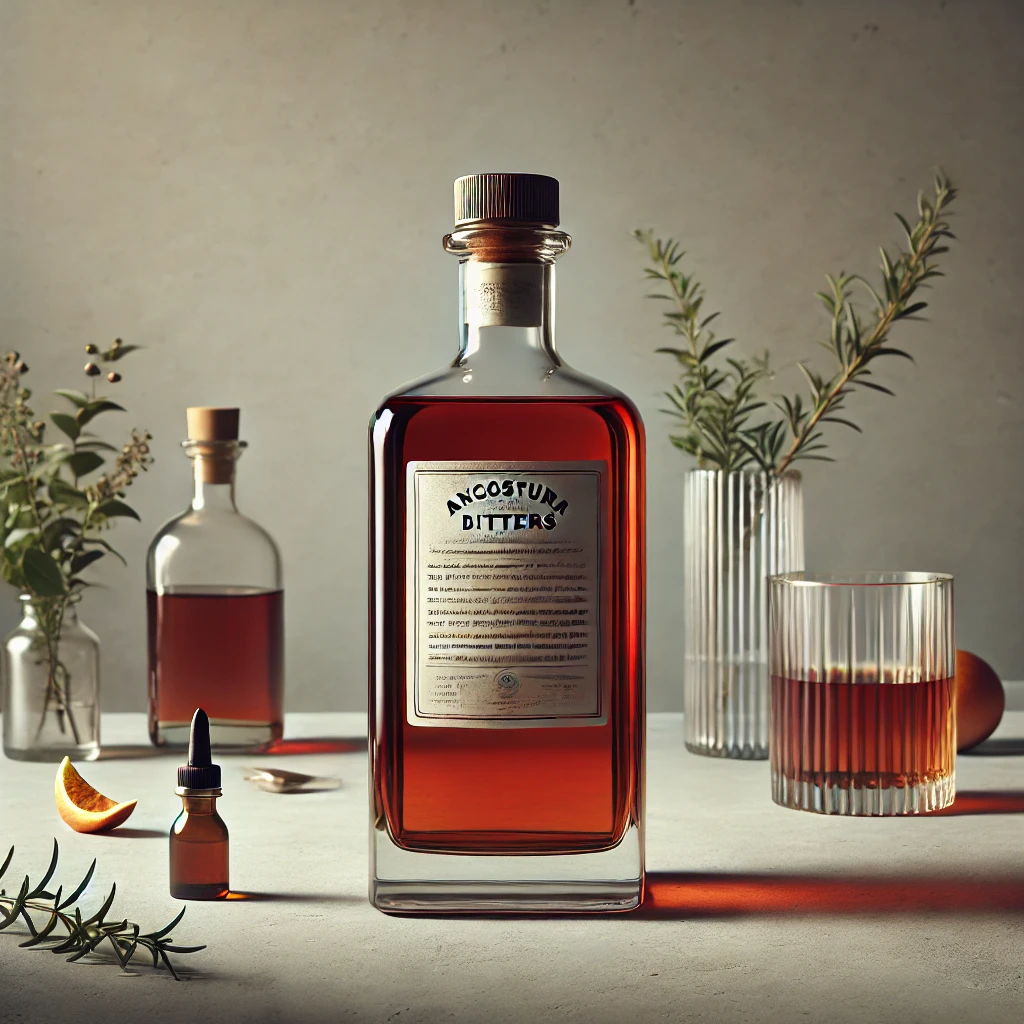
Angostura bitters
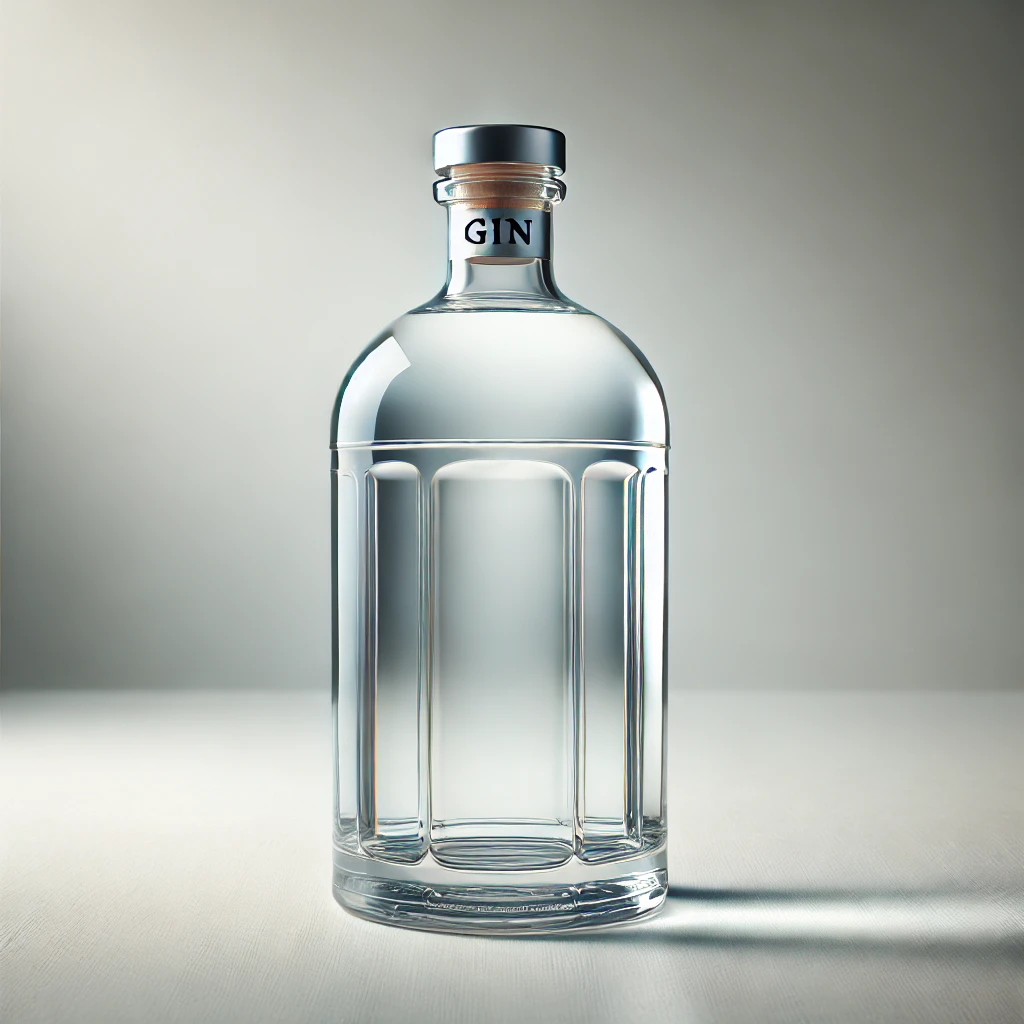
Gin
Cocktail Bitters Sampler
<p><meta charset="utf-8"><strong><span data-mce-fragment="1">Brand New Look, Same Great Sets!</span></strong></p> <p><span data-mce-fragment="1">Whether you just can’t decide what flavor to take home or are looking for the perfect gift for the cocktail lover in your life, our sample-sized sets are a great introduction to The Bitter Housewife line of craft cocktail bitters.</span><br data-mce-fragment="1"><br data-mce-fragment="1"><b data-mce-fragment="1">The Classic Set</b><span data-mce-fragment="1"> features our most classic bitters flavors that generally pair best with dark, aged, or smoky spirits like Bourbon, Whiskey, Scotch, Aged Rum, and Mezcal. They’ll bring new life to classic cocktails and take modern drinks to new levels. Includes 30 ml bottles of Barrel Aged Bitters, Aromatic Bitters, and Orange Bitters.</span><br data-mce-fragment="1"><br data-mce-fragment="1"><b data-mce-fragment="1">The Modern Set</b><span data-mce-fragment="1"> features our bright, modern bitters flavors that go best with lighter spirits like Vodka, Gin, Tequila, and Rum. They’ll also perk up a wine spritzer and take your aperitivi to the next level. Includes 30 ml bottles of Grapefruit Bitters, Cardamom Bitters, and Lime Coriander Bitters.</span></p>
Angostura bitters
angostura bitters
Gin
gin
Steps


Common Problems
Your Pink Gin tastes too bitter, medicinal, or overwhelmingly spiced.
Solution: If the drink is only slightly too bitter, you can try adding a tiny splash (about 1/4 ounce) more gin or even a small ice cube to dilute it slightly, though adding ice is not traditional for this drink. If it's very bitter, it's best to start over.
Prevention: Carefully count 'a few dashes' of Angostura bitters (typically 1-3 dashes are sufficient for a single drink). After swirling to coat the glass, be sure to thoroughly discard *all* excess bitters, leaving only a thin, even film on the inside of the glass.
Your Pink Gin doesn't feel cold enough or seems to warm up too quickly.
Solution: Unfortunately, once the drink is made and not cold enough, there's little you can do without significantly changing the drink (e.g., adding ice, which isn't how it's traditionally served). For future drinks, ensure your glass is properly chilled.
Prevention: Always pre-chill your cocktail glass for at least 5-10 minutes in the freezer. Alternatively, fill the glass with ice and water while you prepare the other ingredients, then discard the ice water and dry the glass before adding the bitters.
The gin flavor is too strong, harsh, or the alcohol burn is overwhelming.
Solution: If the problem is too much gin, there's no easy way to fix it without making the drink taste watered down or unbalanced. If the gin quality is the issue, you can't change the current drink. For the next one, consider a different gin.
Prevention: Always measure the gin precisely using a jigger or a kitchen measuring spoon to ensure you add exactly 2 ounces. Investing in a good quality gin can significantly improve the smoothness and overall taste of your Pink Gin.
Your cocktail glass breaks while chilling or being handled.
Solution: **STOP IMMEDIATELY.** Do not touch broken glass with bare hands. Use thick gloves, a broom, and a dustpan to carefully gather all broken glass pieces. Dispose of the glass safely in a sturdy bag or box marked 'broken glass'. Clean the area thoroughly to ensure no tiny shards remain.
Prevention: Choose sturdy cocktail glasses that are designed to withstand temperature changes. Avoid placing a very cold glass directly into warm water or vice versa, as sudden temperature shifts can cause delicate glass to crack. Always handle glassware gently, especially when it's cold and potentially slippery.
Your Pink Gin doesn't have the expected pink hue, or it's very faint.
Solution: Gently add 1-2 *more* dashes of Angostura bitters directly into the finished drink and give it a very gentle swirl. Be cautious not to add too much, as this can make the drink overly bitter.
Prevention: Ensure you add a sufficient 'few dashes' (e.g., 2-3) of Angostura bitters to the glass and swirl thoroughly until the entire interior surface is evenly coated. The characteristic pink color comes from the residue left behind by the bitters.
You spill ingredients (especially alcohol or bitters) while preparing the drink.
Solution: Immediately wipe up any spilled liquid with a clean cloth or paper towel. If alcohol is spilled, ensure the area is thoroughly cleaned, as it can be sticky and a minor slip hazard. If it's near an open flame, extinguish the flame immediately.
Prevention: Work on a stable, flat, and clear surface. Take your time and be deliberate when pouring ingredients and swirling the bitters. Use a jigger or measuring tool carefully to avoid overfilling. Keep your workspace tidy to prevent accidentally knocking over glasses or bottles.
Frequently Asked Questions
The recipe mentions 'Gin' as a required tool; what actual bar tools do I need to make a Pink Gin?
You'll primarily need a chilled cocktail glass to serve the drink. A jigger or measuring spoon is also highly recommended to accurately measure the 2 ounces of gin, ensuring a perfectly balanced drink. A bar spoon can be helpful for swirling the bitters, though simply tilting the glass works too.
Can I use different types of bitters instead of Angostura to make a Pink Gin, and how might that change the flavor?
Absolutely! While Angostura is traditional, experimenting with other aromatic bitters from your sampler can dramatically alter the flavor profile. Each bitter offers unique notes, from citrusy to spicy or floral, allowing you to personalize your Pink Gin. Just be mindful that the color and intensity might vary with different brands.
The recipe says to discard excess bitters after coating the glass; what happens if I skip this step or use too much?
Discarding excess bitters is crucial for balance; skipping this step or using too much can make the drink overwhelmingly bitter and unpleasant. The goal is a subtle aromatic hint, not a dominant bitter taste. A few dashes are usually sufficient to impart the desired flavor and a delicate pink hue.
As a beginner, how can I ensure my Pink Gin turns out perfectly, and what's the most common mistake new mixologists make with this drink?
To ensure perfection, focus on precise measurements for your gin and don't overdo the bitters – a little goes a long way. The most common mistake is adding too many bitters, which can overpower the gin's delicate botanical flavors. Also, make sure your glass is properly chilled for the best refreshing experience.
Beyond the basic recipe, are there any simple variations or garnishes I can add to customize my Pink Gin?
For a simple garnish, a lemon peel twist is classic and adds a bright citrus aroma that complements the gin beautifully. You could also try a lime wheel or even a brandied cherry for a different visual appeal and a subtle sweetness. Experimenting with various high-quality gins can also subtly change the drink's character.
Given the name 'Pink Gin,' what gives this cocktail its characteristic pink hue, and how can I achieve a more vibrant color?
The pink color in a Pink Gin comes directly from the Angostura bitters, which have a reddish-brown tint. When swirled and diluted slightly by the gin, they impart a subtle pinkish-orange hue. To achieve a slightly more vibrant color, you can add an extra dash or two of bitters, but be careful not to make the drink too bitter.