Lawn Renovation
About This Project
This project outlines the process of seeding a lawn to establish new grass or repair bare patches, covering site preparation, seed selection, planting, and initial care.
Tools & Materials
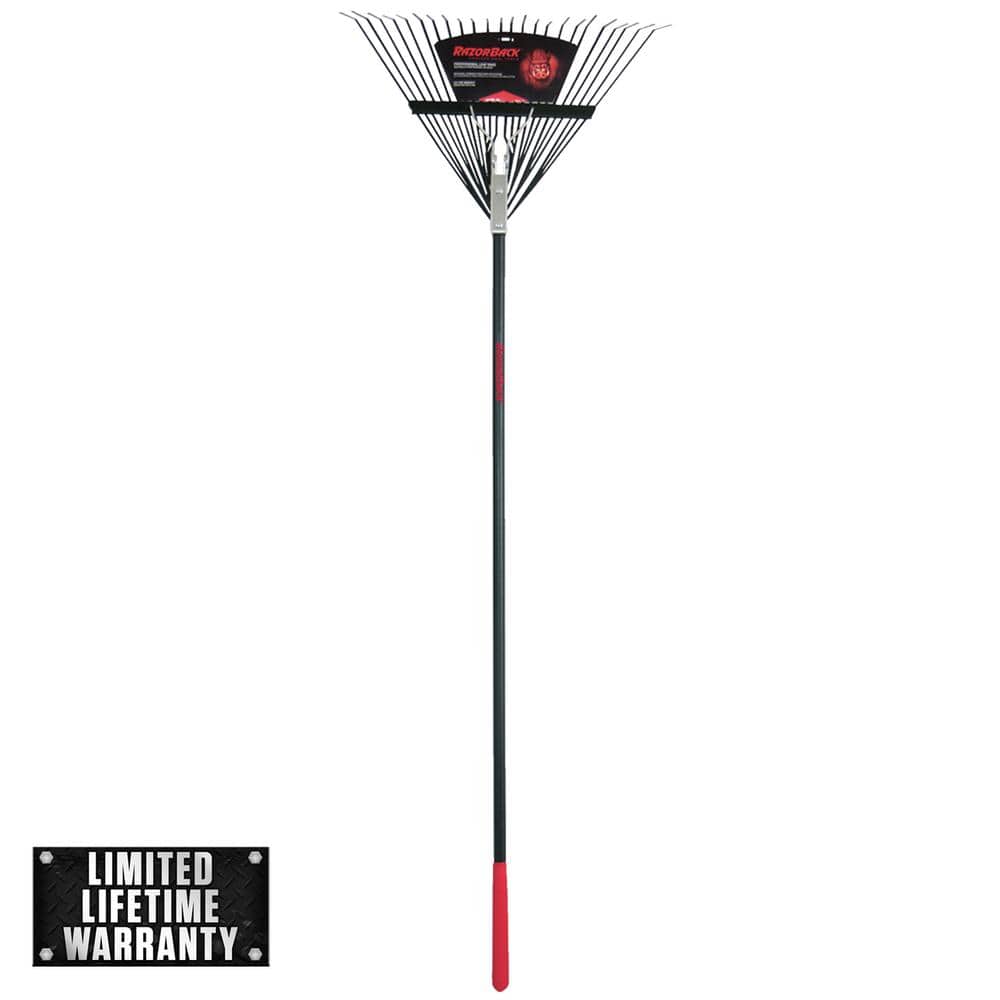
Razor-Back 51 in. Fiberglass Handle 24-Tine Steel Rake 2915200
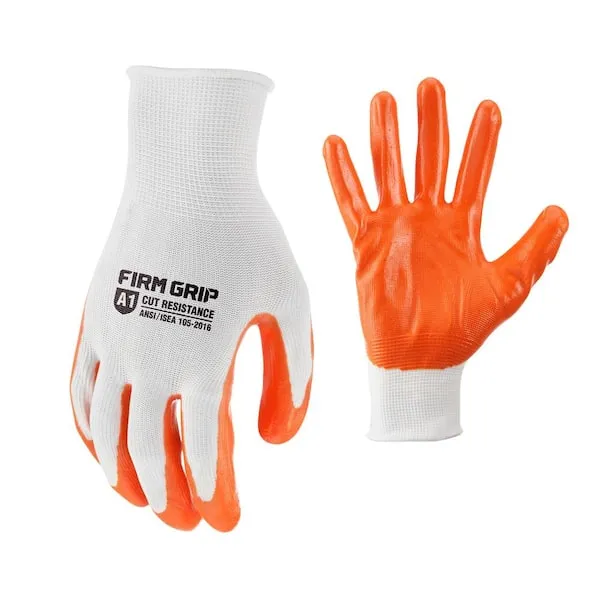
Work Gloves
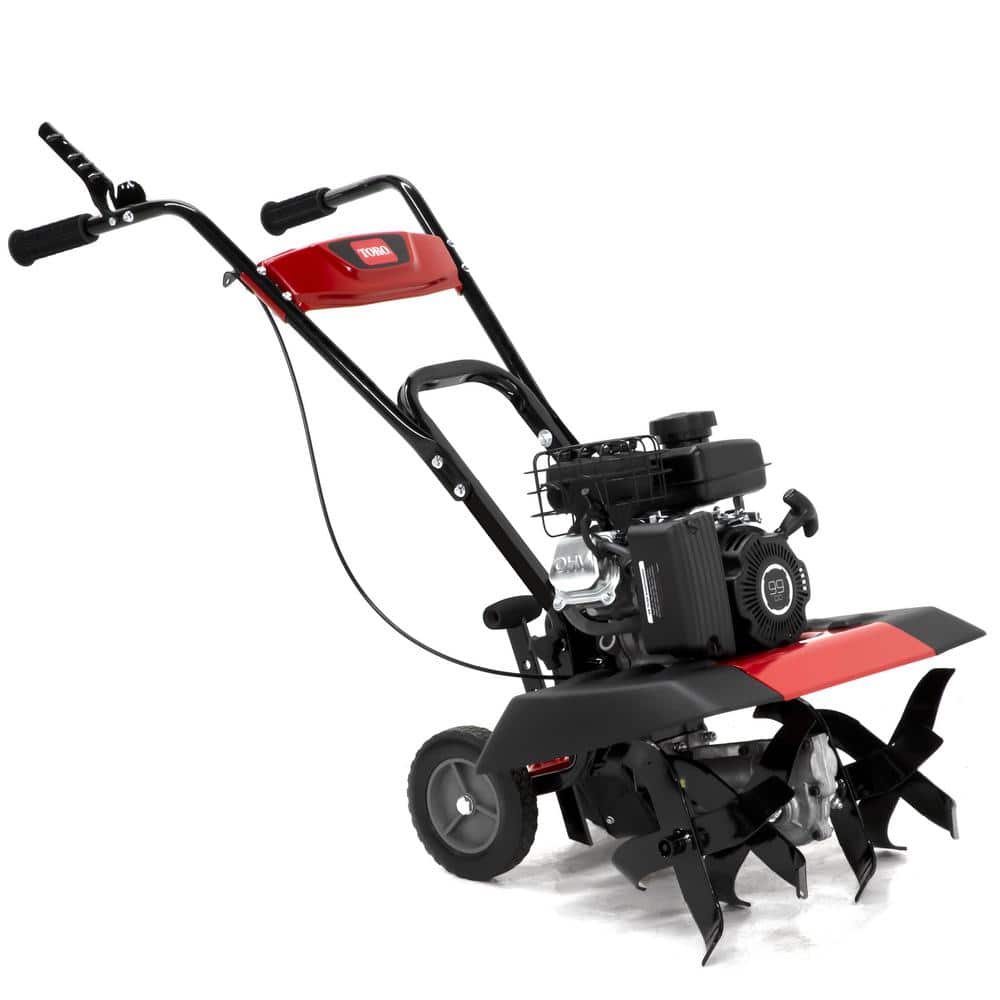
Toro 21 in. Max Tilling Width 99 cc 2-in-1 Tiller Cultivator with 4-Cycle Engine 58604
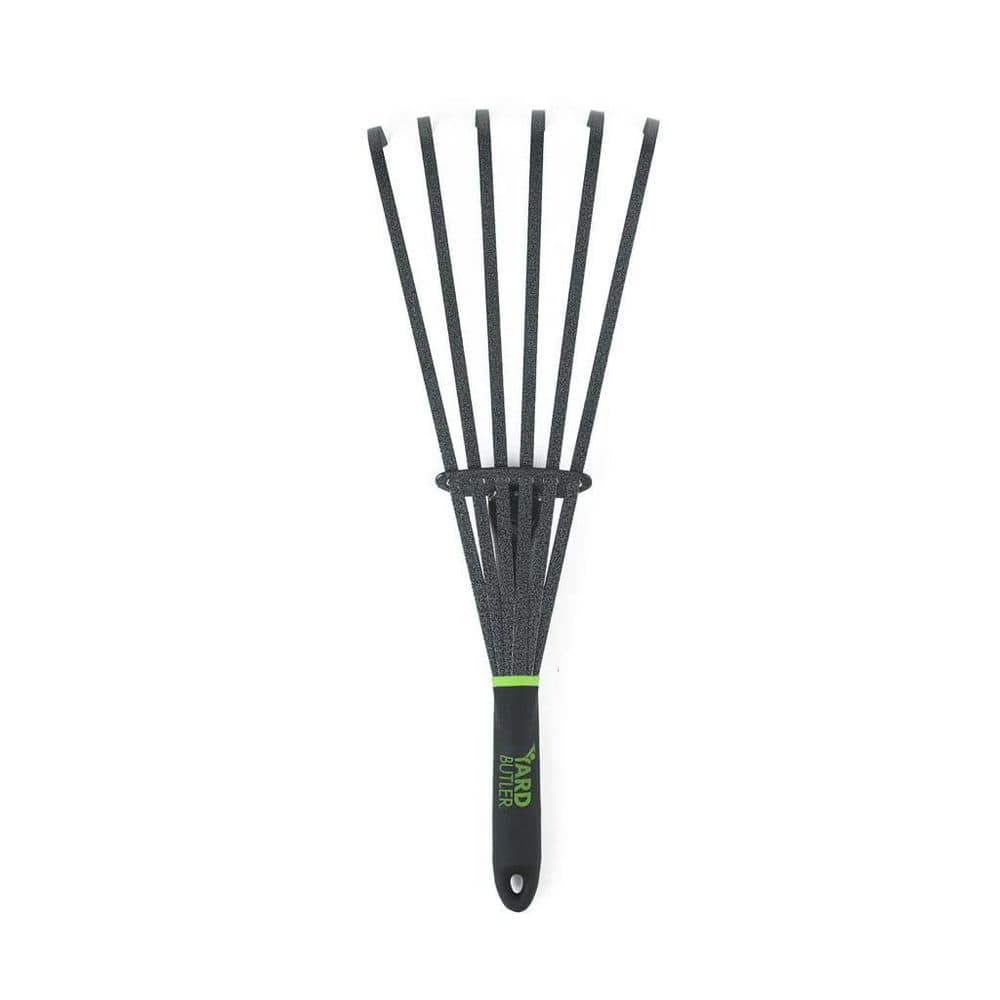
Yard Butler 8 in. Handle Garden Fork IWHR-6
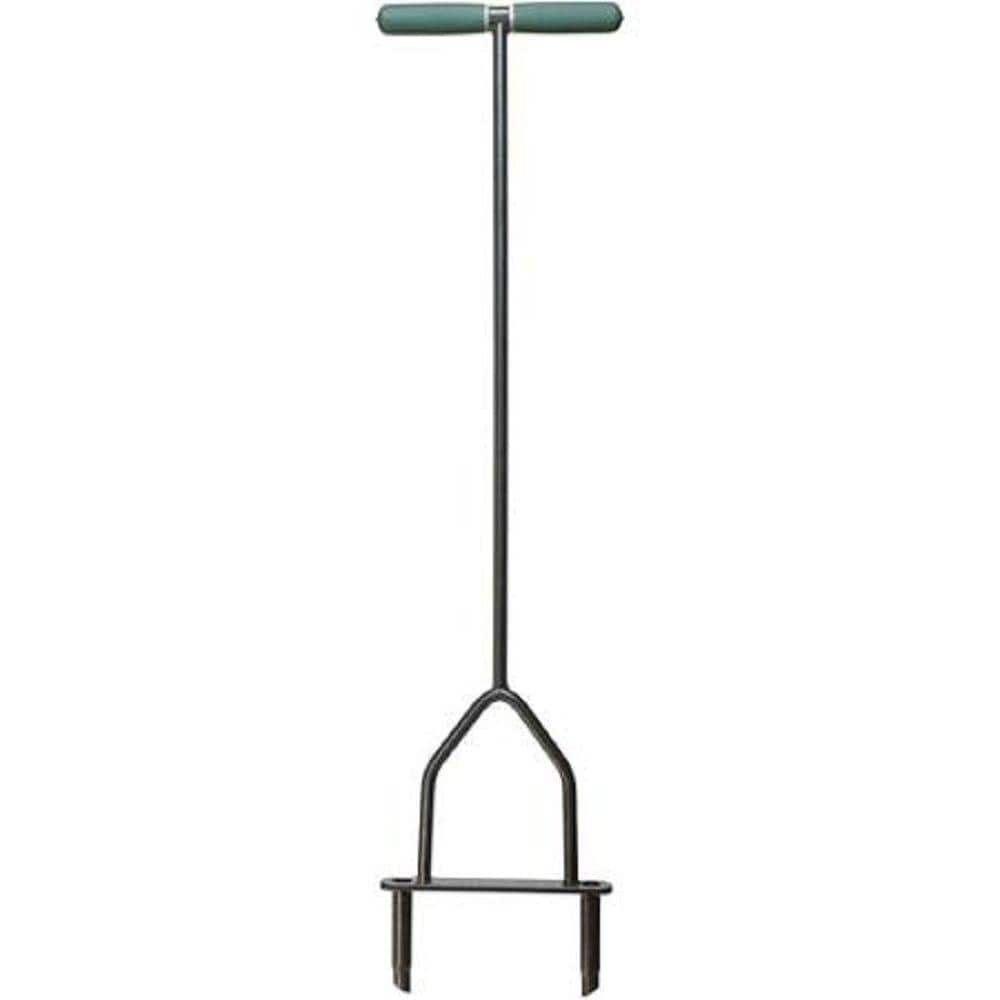
Yard Butler Core Aerator ID-6C
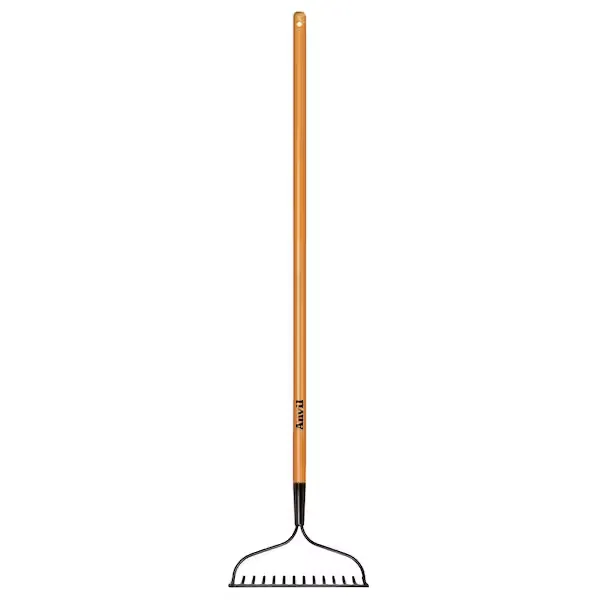
Garden Rake
Razor-Back 51 in. Fiberglass Handle 24-Tine Steel Rake 2915200
The Razor-Back 24-Tine Steel Rake is used for clearing leaves and debris from lawns. The flexible steel tines will pull out thatch for a healthier lawn. The steel rake head is bolted to the handle for
Work Gloves
Protects hands during tasks.
Toro 21 in. Max Tilling Width 99 cc 2-in-1 Tiller Cultivator with 4-Cycle Engine 58604
Make garden prep simple with this front tine tiller. The Toro Compact Front Tine is 2 garden tools in 1. It is easily converted from a front tine tiller to cultivator in just seconds with no tools required.
Yard Butler 8 in. Handle Garden Fork IWHR-6
Because your most precious blooms and plantings deserve to stand out. Rake right over plants to remove distracting, suffocating leaves and other debris without worrying about causing damage. The Terra
Yard Butler Core Aerator ID-6C
The Yard Butler Lawn Coring Aerator revitalizes old lawns while using less water and fertilizer. Old lawns can become compacted. Thatch from dead roots can also build up to create a thick barrier, keeping
Garden Rake
Levels or clears soil with its pronged design.
Steps



Select Grass Seed
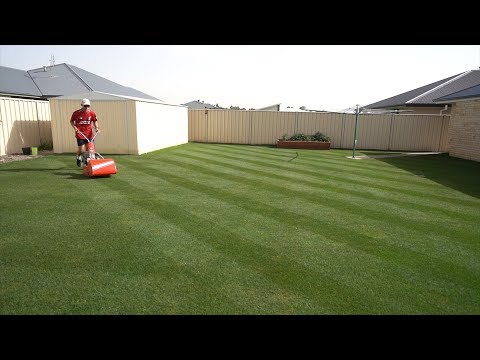
30 minutesResearch and select a high-quality grass seed mix that is best suited for your region's climate, soil conditions, and the amount of sunlight the area receives. Consider blends for drought tolerance, shade, or high traffic.
Watch: Understand Grass Types and Select Seed


Common Problems
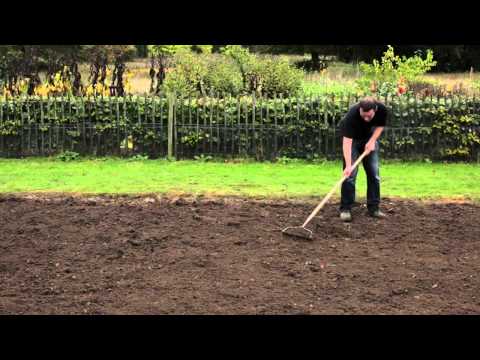
Uneven grass growth with patches of thick grass next to bare spots after seeding.
Solution: This usually happens when grass seed or fertilizer is spread unevenly. For bare or thin spots, gently loosen the soil surface with a hand rake or garden fork. Apply new grass seed sparingly to these areas using your hand or a small cup, then lightly rake it in with your Garden Rake. Water gently and consistently, just like the initial seeding. For areas that are too thick, you might need to thin them out later, but focus on the bare spots first.
Prevention: Use a Broadcast Spreader for both grass seed and fertilizer. Walk in a consistent pattern, overlapping slightly on each pass (e.g., a cross-hatch pattern) to ensure even coverage. Calibrate your spreader according to the product's instructions to ensure the correct rate of application.
New grass seeds are washing away or forming puddles during watering, displacing them or causing uneven germination.
Solution: The water pressure from your hose might be too strong, or the ground isn't perfectly level, causing water to run off or collect. If seeds have washed away, gently re-level the affected area with your VEVOR Lawn Leveling Rake and reapply a small amount of seed. When watering, use a hose nozzle (like the Anvil 5 in. Heavy-Duty Adjustable Brass Hose Spray Nozzle) set to a very fine mist or shower setting. If you have an Orbit 2-Zone In-Ground Sprinkler System, ensure it's set for gentle coverage. For puddles, try watering in shorter bursts throughout the day rather than one long soak.
Prevention: Use the VEVOR Lawn Leveling Rake thoroughly during soil preparation to ensure a smooth, even surface. Always use a gentle spray setting on your hose or sprinkler. Water for shorter durations but more frequently to keep the soil consistently moist without creating runoff.
New grass sprouts are turning yellow or brown and dying, or not sprouting at all after several weeks.
Solution: This can be due to either too much or too little water, using the wrong type of fertilizer, or seeds being buried too deep or not deep enough. 1. **Too dry:** Increase watering frequency. The top inch of soil needs to stay moist constantly until the grass is established. 2. **Too wet/disease:** Reduce watering frequency and ensure good drainage. If soil is waterlogged, it can cause fungal diseases. 3. **Fertilizer burn:** If yellowing occurs in patches after applying starter fertilizer, you might have applied too much in those spots. Water heavily to help dilute it. If severe, those spots may need reseeding. 4. **Seed depth:** If no sprouts, gently check if seeds are visible on the surface or buried too deep (more than 1/2 inch). Adjust by lightly raking with your Garden Rake or adding a thin layer of soil.
Prevention: Water daily, or even twice a day in hot, dry weather, with a gentle mist to keep the top inch of soil consistently moist, but avoid soaking. Use only starter fertilizer specifically designed for new grass (like Vigoro 16 lbs. Starter Fertilizer for Growing New Grass). Lightly rake seeds into the soil with your Garden Rake, aiming for 1/8 to 1/4 inch deep.
Birds or other small animals are eating the newly sown grass seeds, leaving sparse areas.
Solution: Exposed grass seeds are a tempting food source for local wildlife. Gently rake the remaining visible seeds into the soil surface (if not already done) using your Garden Rake to camouflage them. For persistent problems, you can lay down a very thin layer of weed-free straw over the seeded areas, or use temporary netting (like Fencer Wire or Plastic Safety Mesh) secured above the ground to deter animals until the grass sprouts.
Prevention: Ensure seeds are lightly raked into the soil (1/8 to 1/4 inch deep) immediately after spreading. This hides them from view and helps them make good contact with the soil. Consider covering immediately with a thin layer of weed-free straw as an additional deterrent.
Your Toro Tiller is getting bogged down, struggling, or not breaking up soil effectively.
Solution: The soil might be too wet or too hard and dry, or you might be encountering hidden rocks, roots, or other debris. Using a tiller on very wet soil can also create large clods, making leveling difficult. If the soil is too wet, wait a day or two for it to dry out slightly before attempting to till again. If it's too dry and hard, lightly water the area the day before to soften it. If you hit an obstacle, stop the tiller, turn it off, and manually remove the obstruction (use your Yard Butler Garden Fork or Razor-Back 24-Tine Steel Rake for larger items). Adjust the tiller's depth setting to work in shallower passes if needed.
Prevention: Before tilling, thoroughly clear the area of any visible rocks, sticks, or other debris using your Razor-Back 24-Tine Steel Rake. Ensure the soil is moist but not waterlogged – it should crumble easily in your hand. Always wear Work Gloves and sturdy footwear for safety when operating heavy machinery.
Mowing your new grass too soon or cutting it too short, causing damage, stress, or thinning.
Solution: This is a common beginner mistake due to impatience or not knowing the proper first mowing height for new grass. If you've already mowed too short, immediately raise your Lawn Mower blade to its highest setting. Water the affected area gently to reduce stress. Avoid further mowing until the grass recovers and reaches the appropriate height (typically 3-4 inches, then cut no more than 1/3 of its height).
Prevention: Wait until the new grass is at least 3-4 inches tall (or the tallest recommended for your specific grass type) before the first mowing. Ensure your Lawn Mower is set to its highest blade setting for this first cut. Only remove the top 1/3 of the grass blade length in any single mowing session to avoid shocking the young plants.
Frequently Asked Questions
The project lists a tiller and a garden fork. Do I really need both, or are there simpler ways to prepare the soil?
While a tiller like the Toro 2-in-1 Tiller Cultivator can quickly loosen large areas, a garden fork or shovel can be sufficient for smaller patches or less compacted soil. The goal is to loosen the soil to a depth of 4-6 inches for good root establishment. For very compacted areas, a core aerator (like the Yard Butler Core Aerator) can also be used before loosening.
The estimated time for this project is 4 minutes. Is this realistic for a lawn renovation, and what factors might extend it?
The '4 minutes' is likely an error or placeholder; a full lawn renovation, including debris clearing, soil preparation, seeding, and initial watering, typically takes several hours to a full day, depending on the area size. Factors like soil compaction, the amount of debris, and the specific tools available will influence the actual time needed. Additionally, consistent watering over several weeks is crucial after planting.
What are common mistakes beginners make when seeding a lawn, and how can I avoid them?
Common mistakes include insufficient soil preparation, uneven seed distribution, and inconsistent watering. Ensure the soil is well-loosened and level before seeding. Use a broadcast spreader for even application of grass seed and starter fertilizer. Keep the soil consistently moist but not waterlogged to promote successful germination.
How can I effectively protect my newly seeded lawn from birds, pets, or foot traffic?
To protect newly seeded areas, use temporary barriers like the Fencer Wire Outdoor Snow Fence or even stakes with IDEAL Barricade Tape to deter foot traffic and pets. A light, thin layer of straw can also help hide seeds from birds while allowing sunlight to reach them. Ensure consistent watering to encourage quick germination and reduce the period of vulnerability.
What safety precautions should I take, especially when using power tools like a tiller or handling chemicals like fertilizer?
When operating a tiller, always wear sturdy closed-toe shoes, eye protection, and hearing protection, following the manufacturer's safety guidelines. When applying fertilizer like Vigoro Starter Fertilizer, wear gloves to prevent skin contact and ensure good ventilation. Always store all chemicals safely out of reach of children and pets.
Is there a difference between 'starter fertilizer' and regular lawn fertilizer, and why is it important for new grass?
Yes, starter fertilizers (e.g., Vigoro 22441) are formulated with a higher phosphorus content to promote strong root development in new seedlings. Regular lawn fertilizers often have higher nitrogen for established leaf growth, which can be too intense for delicate new grass. Using the correct starter fertilizer provides the essential nutrients for a healthy start.
How often and how much should I water the newly seeded area, and for how long?
Water gently but consistently, two to three times a day, for short durations (5-10 minutes each), ensuring the top 1-2 inches of soil remains moist but not soggy. Continue this routine for the first 2-3 weeks, or until the grass is about 2 inches tall. Gradually reduce frequency and increase duration as the grass matures to encourage deeper root growth.