How to Replace a Shower Arm
About This Project
This guide provides comprehensive, step-by-step instructions for safely removing an old shower arm and installing a new one. The process includes removing the old hardware, cleaning the wall fitting, properly sealing the new arm with plumber's tape, and installing the new arm and shower head to ensure a secure, leak-free connection.
Best for homeowners and DIY enthusiasts with basic plumbing knowledge.
Tools & Materials
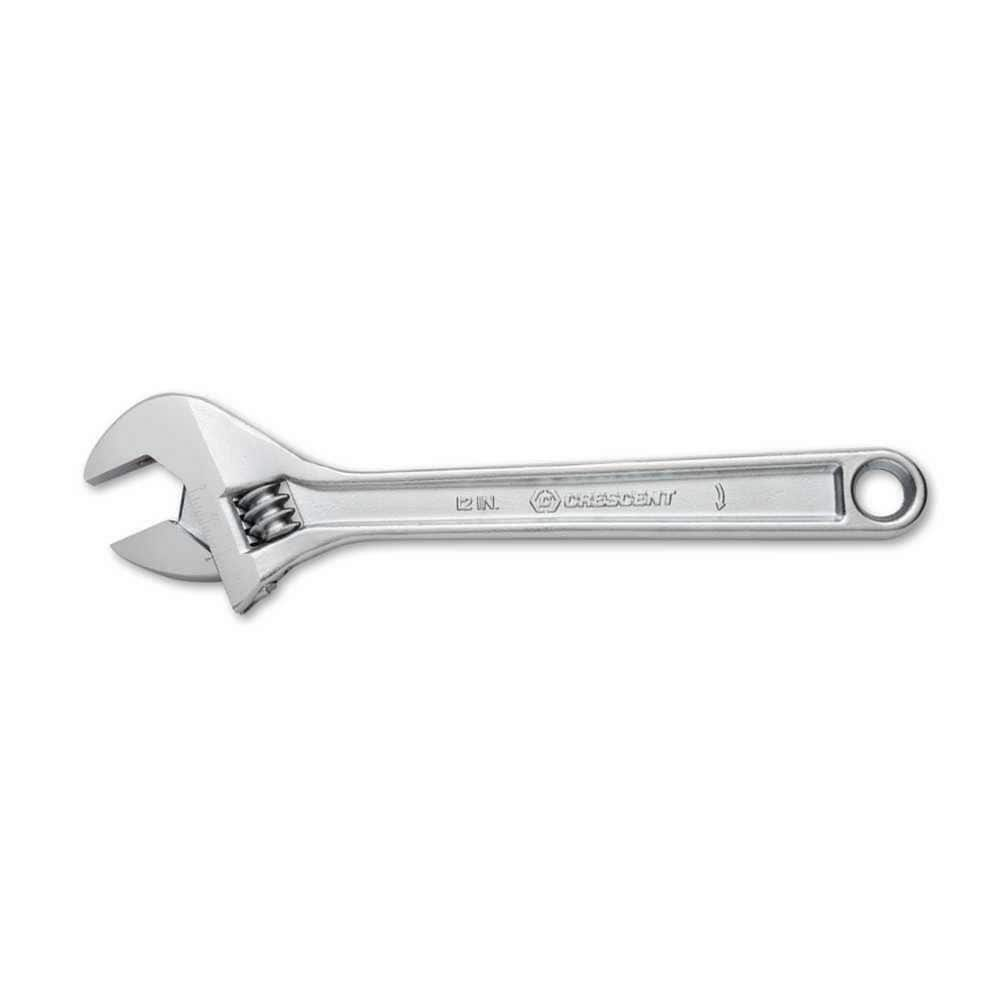
Crescent 12 in. Chrome Adjustable Wrench AC212VS
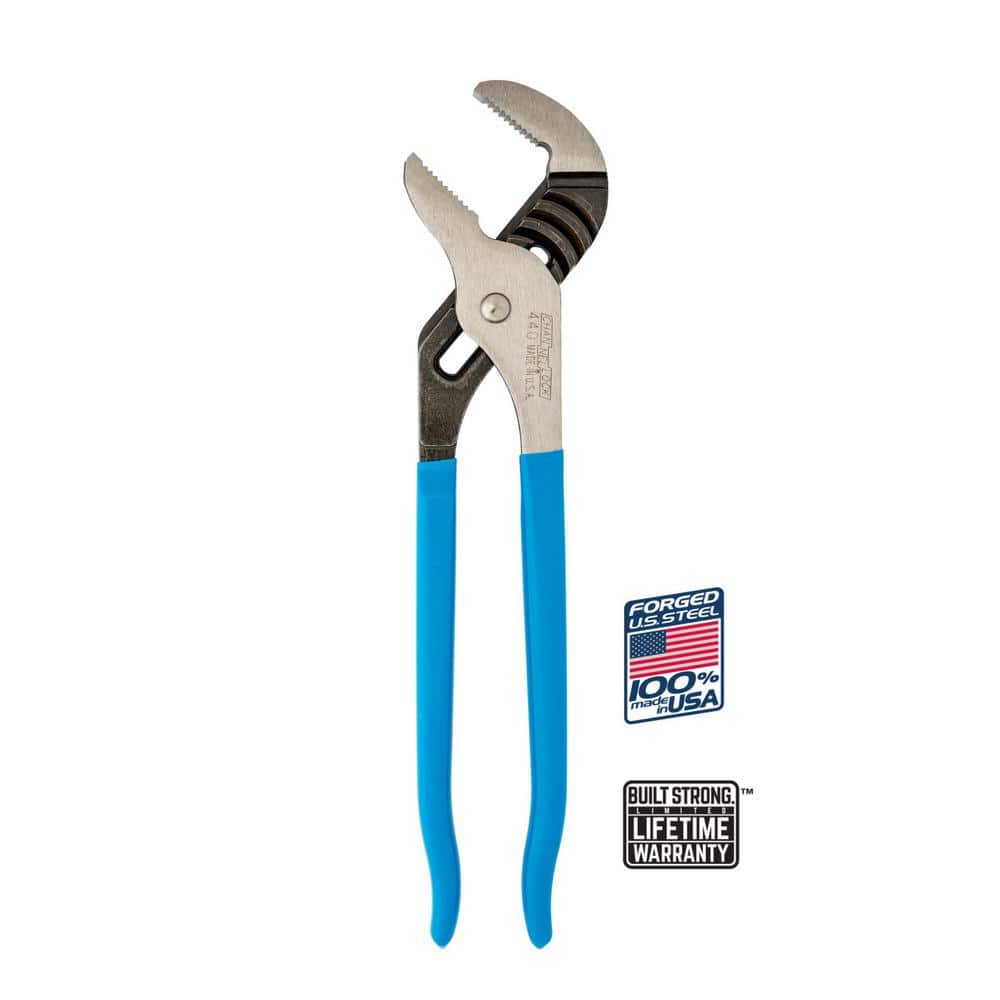
Channellock 12 in. Tongue and Groove Slip Joint Pliers 440
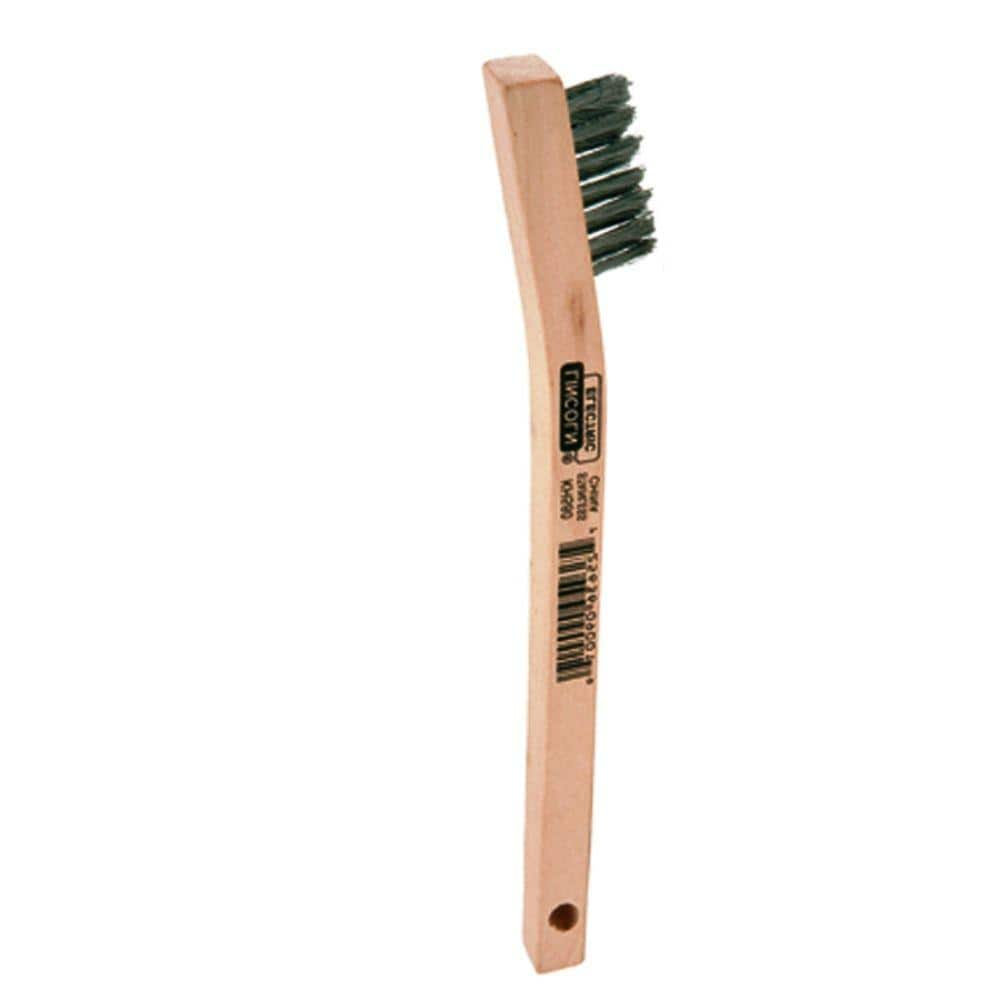
Lincoln Electric 8 in. Long Wooden Handled Stainless Steel Welding Wire Brush (.3 in. x 1.6 in. Bristle Area 3 x 7 Row) KH580
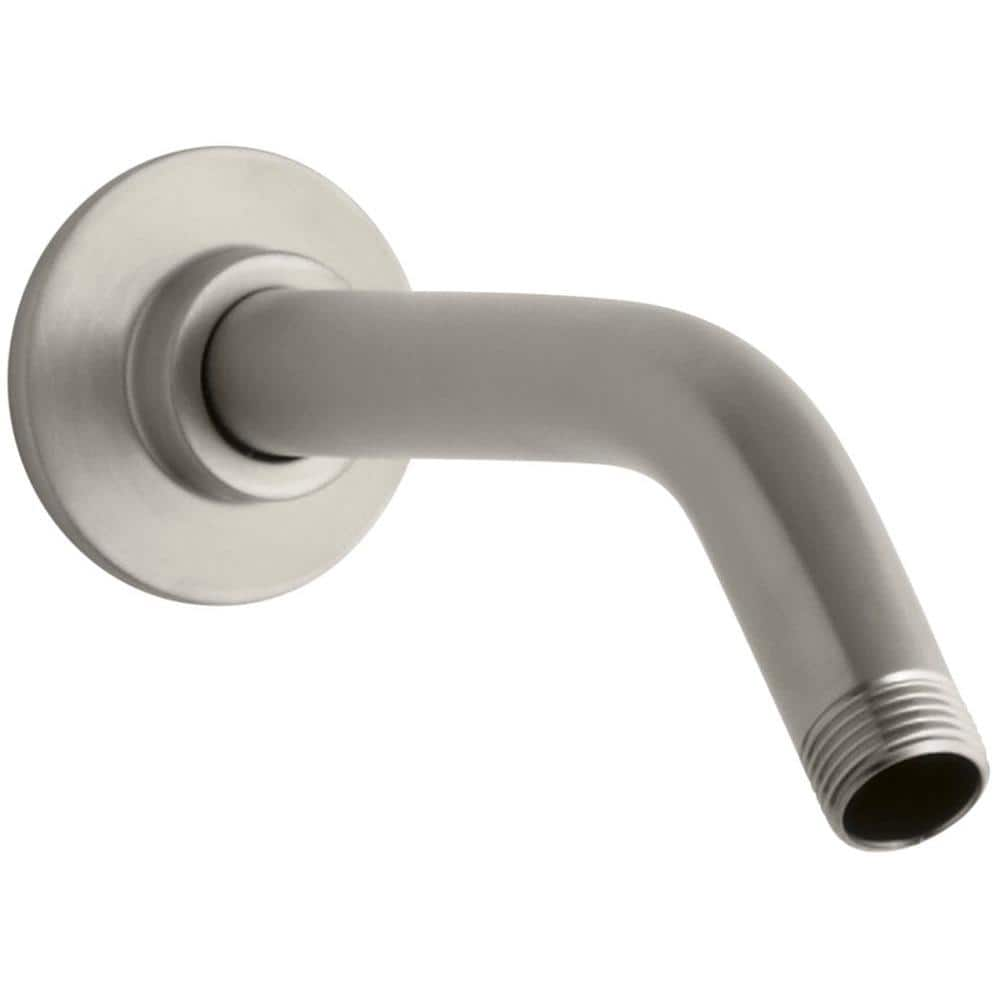
KOHLER 7-1/2 in. Shower Arm and Flange in Vibrant Brushed Nickel K-7397-BN
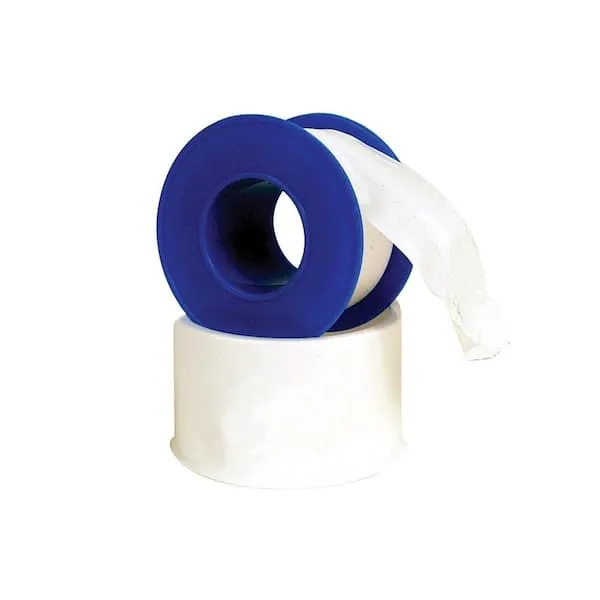
Teflon Tape
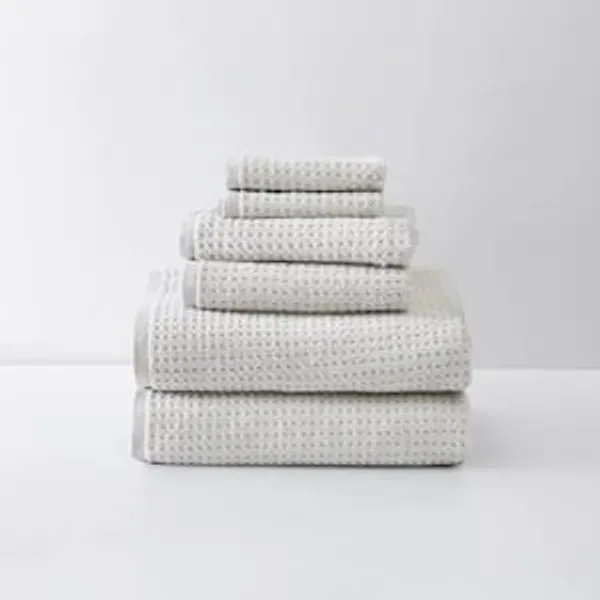
Towel
Crescent 12 in. Chrome Adjustable Wrench AC212VS
Since the introduction of the original Crescent wrench in the early 1900s, the Crescent brand has become synonymous with adjustable wrenches. Crescent Adjustable Wrenches feature a large knurl for easy
Channellock 12 in. Tongue and Groove Slip Joint Pliers 440
The Channellock 12 in. Straight Jaw Tongue and Groove Pliers are constructed with high-carbon C1080 steel. The tool is fashioned with laser heat-treated teeth that clamp down perpendicularly for strong,
Lincoln Electric 8 in. Long Wooden Handled Stainless Steel Welding Wire Brush (.3 in. x 1.6 in. Bristle Area 3 x 7 Row) KH580
Lincoln Electric Wood-Handled Stainless Steel Wire Brush is good for General cleaning, delicate or finish work and hard-to-reach welding jobs. The brush has a 8-3/4 in. long wooden handle. It has an 3/8
KOHLER 7-1/2 in. Shower Arm and Flange in Vibrant Brushed Nickel K-7397-BN
This versatile shower arm provides a solid mount for a variety of showerheads and includes a round flange for decorative accent. Its all-metal construction ensures long-lasting durability. Available in
Teflon Tape
Seals pipe threads without leaks.
Towel
Absorbs moisture and dries surfaces.
Steps

Gather Tools and Materials
5 minsBefore starting any work, gather all the necessary tools and supplies. This ensures the project proceeds smoothly without interruptions. You will need your new shower arm kit, which typically includes the arm, a matching flange (escutcheon), and a shower head. You will also need thread sealant tape (commonly known as Teflon tape), an adjustable wrench or channel-lock pliers, a soft rag to protect finishes, and a small wire brush for cleaning.
Watch: Install the New Shower Arm
Remove the Old Shower Head
5 minsBegin by removing the old shower head. In most cases, it can be unscrewed by hand by turning it counter-clockwise. If it is too tight due to mineral buildup or age, wrap a soft rag around the shower head's connector nut and use an adjustable wrench or channel-lock pliers to grip it. Turn counter-clockwise to loosen and remove it from the old shower arm.
Watch: Remove Existing Showerhead
Remove the Old Shower Arm and Flange
10 minsWith the shower head removed, you can now remove the old shower arm. First, pull the decorative flange (escutcheon) away from the wall to expose the connection point. The arm is simply threaded into a fitting in the wall. Grasp the arm firmly and turn it counter-clockwise to unscrew it. If it's too tight to turn by hand, you can insert the handle of a pair of pliers or a screwdriver into the open end of the arm to use as a lever. Turn it counter-clockwise until it's free from the wall fitting.
Watch: Remove the Existing Showerhead
Clean the Wall Fitting Threads
5 minsOnce the old arm is removed, inspect the female threads inside the wall fitting (this is called a drop-ear elbow). It will likely have old plumber's tape, pipe dope, or mineral deposits. It is crucial to clean these threads thoroughly. Use a small wire brush or a pick to gently scrape out all the old debris. Finish by wiping the threads clean with a rag. A clean threaded surface is essential for creating a new, watertight seal.
Watch: Clean and Prepare Threads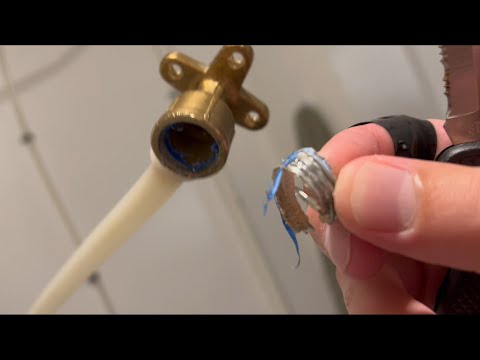
Prepare and Wrap the New Shower Arm
5 minsTake your new shower arm and identify the shorter threaded end that will go into the wall. Take the plumber's tape (Teflon tape) and wrap it tightly around these threads. You must wrap the tape in a clockwise direction (the same direction you will turn the arm to tighten it). This prevents the tape from unravelling during installation. Apply 3 to 5 full wraps of tape, ensuring the threads are covered but the opening of the pipe is not blocked. Smooth the tape down with your finger.
Watch: Prepare and Install New Shower Arm
Install the New Shower Arm
5 minsBefore threading the arm into the wall, slide the new flange (escutcheon) over the arm with its finished side facing what will be the outside. Now, carefully thread the prepared arm into the wall fitting by hand, turning it clockwise. Continue to hand-tighten until it is snug. The arm needs to end up pointing downwards at the correct angle (usually about 45 degrees). If you cannot get it to the right position by hand, use your wrench (with a protective rag) to turn it the final amount. Do not over-tighten. The goal is snug and correctly positioned, not maximum tightness.
Watch: Hand-Tighten Shower Arm
Install New Shower Head and Test for Leaks
5 minsWrap 2-3 layers of plumber's tape clockwise on the threads at the outer end of the newly installed shower arm. Screw the new shower head on by hand until it is snug. Turn on the shower's water valve and carefully inspect the connections at both the wall and the shower head for any drips or leaks. If a small leak is present at the wall connection, give the arm a very slight (1/8 turn) tightening. If the shower head connection leaks, tighten it a little more by hand or with a rag-protected wrench. Once you've confirmed there are no leaks, slide the flange flush against the wall. A small dab of silicone caulk behind the flange can provide a watertight seal against the wall, but is optional.
Watch: Installing the Main Assembly onto the Shower ArmCommon Problems
Do not overtighten the shower arm, as this can damage the plumbing fitting inside the wall.
Solution: To avoid this issue: Be mindful of this warning and take appropriate precautions.
Plumbing inside the wall can be damaged by twisting the shower arm without support.
Solution: Hold the shower arm securely to avoid putting stress on the plumbing inside the wall.
Scratching the shower arm's finish while tightening it.
Solution: Inserting plier handles into the shower arm provides good leverage for tightening without scratching the finish.
Shower arm leaks due to improperly sealed threads.
Solution: Wrap Teflon tape 3-4 times in a clockwise direction. Wrapping it this way prevents the tape from unwrapping as you tighten the pipe.
Visible tape on the shower arm detracts from the finished look.
Solution: Only apply tape to the threaded portion to avoid it being visible.
Teflon tape bunches or unwinds, leading to leaks.
Solution: Always wrap Teflon tape in the same direction that you will be tightening the fitting (clockwise) to prevent it from bunching up or unwinding during installation.
Tape bunches up and leaks if not wrapped clockwise.
Solution: Wrapping in a clockwise direction is crucial for the tape to tighten with the fitting rather than bunching up.
Frequently Asked Questions
How long does it typically take to replace a shower arm, and what's the estimated cost for materials?
For a beginner, this project usually takes about 30-60 minutes, assuming no major complications like a stuck old arm. The cost primarily depends on your chosen new shower arm and shower head, ranging from $20-$100+ for materials, making it a very cost-effective DIY upgrade.
What are the most crucial tools and materials I need to ensure a successful, leak-free installation?
Beyond your new shower arm and head, essential tools include an adjustable wrench for tightening and a wire brush for cleaning old threads. Plumber's tape (Teflon tape) is critical for sealing the new arm's threads; don't skip it. Have rags ready for any drips.
Are there any important safety precautions I should take before starting, especially since it involves plumbing?
Absolutely. Always turn off the main water supply to your house or at least to the bathroom before starting to prevent accidental flooding. Also, protect your shower/tub surface from dropped tools or materials using a cloth or old towel.
My old shower arm is really stuck. What's the best way to remove it without damaging the wall fitting?
If your old shower arm is stuck, try applying some penetrating oil around the threads and letting it sit for a few minutes before trying again with an adjustable wrench. Turn counter-clockwise with steady, firm pressure. Be careful not to apply excessive force that could twist the pipe inside the wall, which would require professional help.
How much plumber's tape should I use on the new shower arm threads to prevent leaks?
Wrap the threads of the new shower arm with 3-5 layers of plumber's tape in a clockwise direction, which is the same direction you'll be screwing it into the wall. This ensures a thick, tight seal that helps prevent leaks, but avoid over-wrapping as it can make tightening difficult or cause damage.
What should I do if, after installation, I notice a small leak from the new shower arm connection?
If you notice a leak, turn off the water supply immediately. Carefully remove the shower arm, re-clean the wall fitting threads thoroughly, and apply fresh plumber's tape (perhaps an extra wrap or two) before re-installing it. Ensure it's hand-tight plus a quarter to half turn with a wrench for a snug fit without overtightening.
Can I reuse my existing shower head with the new shower arm, or should I always get a new one?
You can absolutely reuse your existing shower head as long as it's still in good condition and has standard ½-inch NPT threads. Replacing the shower head is optional, but many people choose to upgrade it at the same time for a refreshed look or improved water flow.