How to Replace a Leaky Angle Stop (Shutoff Valve) Under Your Sink
About This Project
This guide provides comprehensive, step-by-step instructions for replacing a leaky angle stop (shutoff valve) under a sink. The process involves shutting off the main water supply, removing the old valve, cleaning the pipe, installing a new compression-style valve, and thoroughly checking for leaks.
Best for advanced DIYers and professionals with basic plumbing knowledge and familiarity with power tools.
Tools & Materials
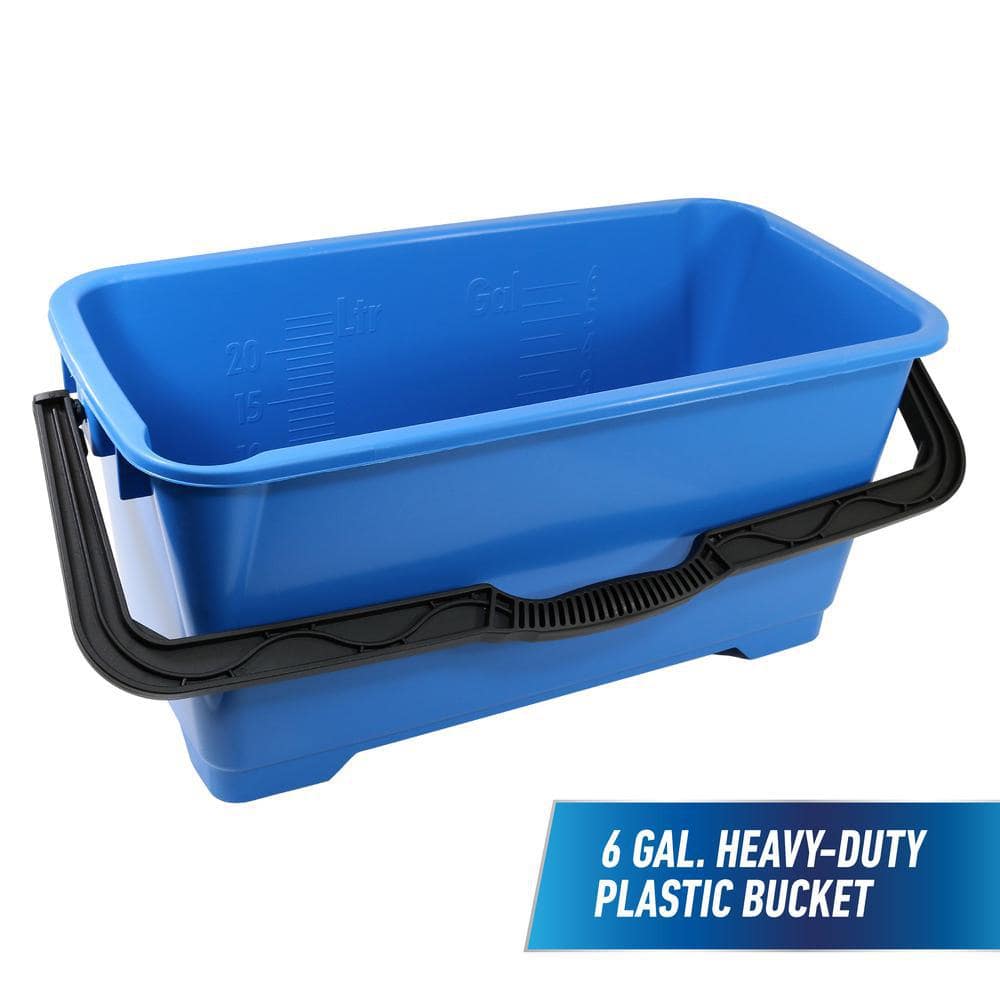
Unger 6 Gal. Heavy-Duty Plastic Bucket DB02
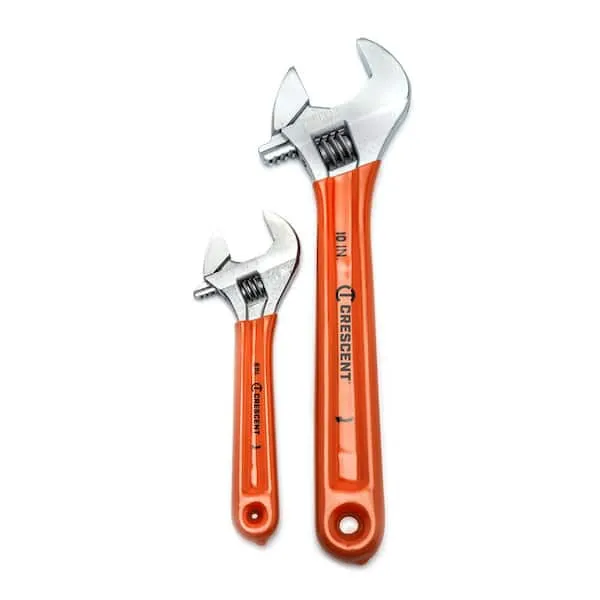
Adjustable Wrench

Channellock 12 in. V-Jaw Tongue and Groove Pliers 442
ANGELES HOME 5-Piece PE Wicker Outdoor Patio Conversation Sofa Set with Beige Cushions and Ottoman M66-8HW867BN+

ITOPFOX Quick Size White High Absorbent Paper Towel Roll 100 Sheets Per Roll 8 Rolls Per Pack HDPH032OT060

Energizer Vision HD Pro 550 Lumen LED Headlamp ENHDEB32H
Unger 6 Gal. Heavy-Duty Plastic Bucket DB02
The Unger 6-Gallon Heavy-Duty Professional Cleaning Bucket holds more than 6 Gal. of liquid. The bucket can accommodate a scrubber up to 14 in. L. This bucket features measurement marks and 2-pour spouts
Adjustable Wrench
Fits various nut and bolt sizes with its adjustable jaw.
Channellock 12 in. V-Jaw Tongue and Groove Pliers 442
CHANNELLOCK 442 12" Tongue & Groove Pliers feature a unique v-jaw design that creates more points of contact on round stock and tubing. These pliers are built to last with a PERMALOCK fastener to eliminate
ANGELES HOME 5-Piece PE Wicker Outdoor Patio Conversation Sofa Set with Beige Cushions and Ottoman M66-8HW867BN+
The 5-piece patio sofa set is ideal for balcony, rooftop, backyard, poolside. It includes 2 corner chairs, 1 armless sofa and 2 ottomans. 1 ottomans can be used as coffee table when remove cushion. All
ITOPFOX Quick Size White High Absorbent Paper Towel Roll 100 Sheets Per Roll 8 Rolls Per Pack HDPH032OT060
Introducing our Quick Size White High Absorbent Paper Towel Roll, the ultimate solution for your everyday cleaning needs. with its convenient quick size sheets, you can easily tear off just the right amount for any mess, saving time and reducing waste. Keep your home clean and tidy with the superior absorbency and strength of our paper towel rolls.
Energizer Vision HD Pro 550 Lumen LED Headlamp ENHDEB32H
Energizer Vision HD Pro 550-Lumen LED Headlamp packs outstanding performance into a compact LED headlamp with innovative features. Aim bright light onto your projects or activities-indoors or outdoors-from
Steps

Gather Tools and Prepare Work Area
10 minsGather all necessary tools and materials before starting the project to ensure a smooth workflow. Place a bucket and several rags or paper towels under the sink where you will be working to catch any water that will spill out. Ensure your new angle stop matches the pipe type and size (e.g., 1/2-inch nominal compression for the wall pipe) and the faucet supply line size (typically 3/8-inch OD compression).
Watch: Gather Tools and Materials
Shut Off Main Water Supply
5 minsLocate the main water shutoff valve for your home. This is often in a basement, crawl space, utility closet, or outside near the water meter. Turn the valve handle clockwise until it is fully closed. To confirm the water is off, turn on any faucet in the house (preferably the one you are working on). The water flow should slow to a trickle and then stop completely.
Watch: Shut Off Water Supply
Drain the Line
5 minsAfter shutting off the main water supply, relieve the pressure in the lines. Open the hot and cold handles on the faucet connected to the leaky valve. This will allow any remaining water in the supply lines to drain out into the sink. Place your bucket underneath the angle stop to prepare for the next steps.
Watch: Turn off water and relieve pressure
Disconnect the Faucet Supply Line
5 minsUsing an adjustable wrench, turn the nut that connects the faucet supply line to the top of the angle stop counter-clockwise. A small amount of water will drain from this line into the bucket below. Once the nut is loose, fully disconnect the supply line and move it out of the way.
Watch: Disconnect supply lines
Remove the Old Angle Stop
15 minsThis step requires two wrenches. Use one adjustable wrench (or channel-lock pliers) as a 'backup' to hold the copper pipe coming from the wall securely, preventing it from moving. Use the second adjustable wrench to grip the large compression nut on the back of the angle stop and turn it counter-clockwise. Once the nut is loose, you should be able to slide the entire old angle stop, including the nut and the old compression ring (ferrule), off the end of the pipe.
Watch: Connect and Tighten Second Pipe
Clean and Prepare the Pipe
5 minsOnce the old valve is off, thoroughly inspect the end of the copper pipe. Use a rag to wipe away any old plumber's putty, dope, or debris. Take a piece of emery cloth and gently sand the last inch of the pipe where the new compression ring and nut will sit. The goal is to create a clean, smooth, and slightly scuffed surface for the new components to seal against.
Watch: Clean and Prepare Pipe
Install the New Angle Stop
10 minsTake the new angle stop and disassemble it. First, slide the new compression nut onto the copper pipe, making sure the threads face towards the end of the pipe. Next, slide the new compression ring (ferrule) on, with its tapered end pointing towards where the valve will be. Push the body of the new angle stop firmly onto the pipe until it stops. Slide the nut and ferrule up to the valve body and hand-tighten the nut. Now, use the two-wrench technique again: one wrench to hold the valve body steady (pointing in its final desired orientation) and the second wrench to tighten the compression nut. Tighten the nut about one-half to three-quarters of a turn past hand-tight. Do not over-tighten.
Watch: Pre-set the New Ferrule
Reconnect the Faucet Supply Line
5 minsWith the new angle stop installed, re-attach the flexible faucet supply line to the valve's outlet. Hand-tighten the nut to ensure it is not cross-threaded. Then, use an adjustable wrench to give it a final gentle tightening, usually about a 1/4 turn. These connections don't require extreme force.
Watch: Reconnect Hoses
Turn Water On and Test for Leaks
15 minsFirst, ensure the new angle stop is in the 'off' position (handle should be perpendicular to the pipe). Go to your main water shutoff and turn it on SLOWLY. Listen for any sounds of rushing water. Return to the sink and meticulously inspect the new valve. Wipe all connections with a dry paper towel and watch for any beads of water forming, which would indicate a leak. If it's dry, place a dry towel under the valve and slowly turn the angle stop handle to the 'on' position. Let the water run at the faucet for a minute to bleed out air. Perform a final, thorough inspection of all connections for any drips or moisture.
Watch: Turn On Water and TestCommon Problems
Difficulty cutting old pipe leads to extended repair time and frustration.
Solution: Using power tools like a jigsaw can make cutting the old pipe much easier and faster than a handsaw.
Incorrect PEX size leads to leaks and improper valve fit.
Solution: Ensure you have the correct size PEX tubing and fittings. The video uses 1/2-inch pipe.
The most important step is to turn off the water to the house before you begin.
Solution: To avoid this issue: Be mindful of this warning and take appropriate precautions.
Water spills onto the floor when removing the old valve.
Solution: Have a container ready to catch any water that will drain from the lines.
Ensure the valves are completely closed before proceeding to avoid water damage.
Solution: To avoid this issue: Be mindful of this warning and take appropriate precautions.
Confirm the water is completely shut off before disconnecting any lines. Failure to do so will cause significant water damage.
Solution: To avoid this issue: Be mindful of this warning and take appropriate precautions.
Turning the handle the wrong way can damage the valve or fail to shut off water.
Solution: Gate valves are opened by turning the handle counter-clockwise until it stops.
Frequently Asked Questions
What's the single most important safety step to take before I even touch the leaky angle stop?
The most critical step is to shut off the main water supply to your home. This prevents potential flooding and ensures a safe working environment. Always confirm the water is off by testing a nearby faucet before proceeding with any work.
The project is listed as 'beginner' difficulty, but 3 hours seems long for a valve. Is it really that involved?
While replacing an angle stop is beginner-friendly, the 3-hour estimate accounts for prep work like gathering tools, draining lines, dealing with potential seized parts, and thorough leak testing. Taking your time ensures a proper, leak-free installation, so don't rush the process.
I see "Adjustable Wrench" and "Tongue and Groove Pliers" listed. Are these specific tools essential, or can I get by with a generic wrench set?
Yes, these specific tools are highly recommended. An adjustable wrench helps securely tighten the compression nut on the new valve without stripping it, while tongue and groove pliers (like Channellock) provide a strong grip for holding the valve or pipe steady. Using the correct tools prevents damage and ensures a tight, leak-free connection.
This project specifically mentions installing a "compression-style valve." Are there other types of angle stops, and why is this type recommended for a DIYer?
Yes, other types include soldered (sweat) and push-to-connect (SharkBite) valves. Compression-style valves are ideal for DIYers because they create a watertight seal by compressing a ferrule onto the pipe, requiring only basic hand tools and no specialized skills like soldering, making them relatively easy to install.
After installing my new compression angle stop, I still notice a small drip. What's the first thing I should check?
First, ensure the compression nut is sufficiently tightened; often, an extra quarter to half turn past hand-tight is needed. Make sure the compression ferrule (ring) is correctly seated and undamaged, as this is crucial for the seal. If the drip persists, you may need to disassemble, inspect for debris, clean the pipe again, and reassemble carefully.
Besides the new angle stop itself, what other materials or components should I plan to purchase, and what's the typical overall cost?
You will definitely need a new faucet supply line (like the BrassCraft braided polymer line mentioned) and plenty of paper towels or rags. The angle stop itself can range from $5-$20, and a new supply line is typically $10-$15. If you need to buy tools, add another $30-$60 for the wrenches and pliers.
The instructions include a step to "Clean and Prepare the Pipe." How important is this step for a successful, leak-free installation?
This step is critically important. Any burrs, old residue, or corrosion on the pipe's surface can prevent the compression fitting's ferrule from forming a proper seal, leading to leaks. Cleaning the pipe thoroughly ensures a smooth, clean surface for the new valve to create a watertight connection.