How to Install a Bathroom Sink and Faucet from Start to Finish
About This Project
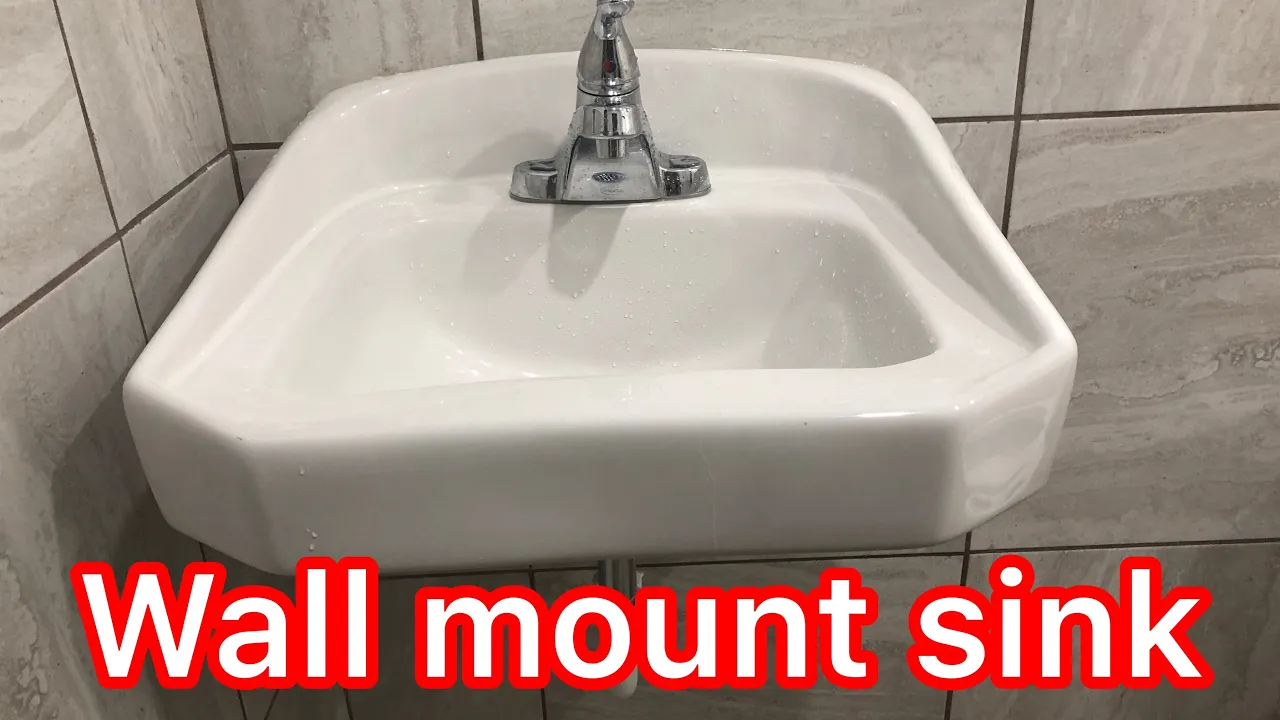
This guide provides comprehensive, step-by-step instructions for removing an old bathroom sink and installing a new drop-in sink and centerset faucet. The process covers shutting off the water supply, disconnecting plumbing, preparing the countertop, installing the faucet and drain onto the new sink, setting the sink in place, and connecting all new plumbing before testing for leaks.
Best for experienced DIYers and homeowners with some experience with basic plumbing knowledge and familiarity with power tools.
Tools & Materials

Bucket

Adjustable Wrench
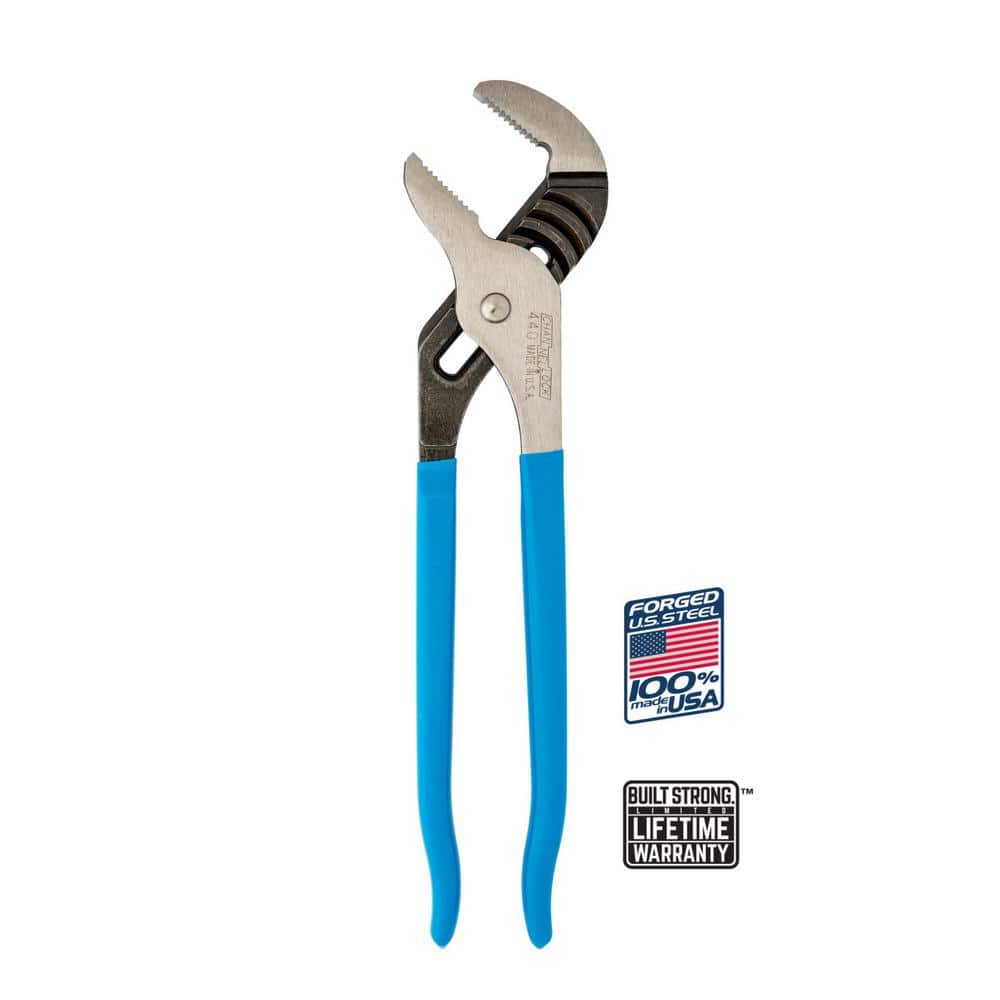
Channellock 12 in. Tongue and Groove Slip Joint Pliers 440
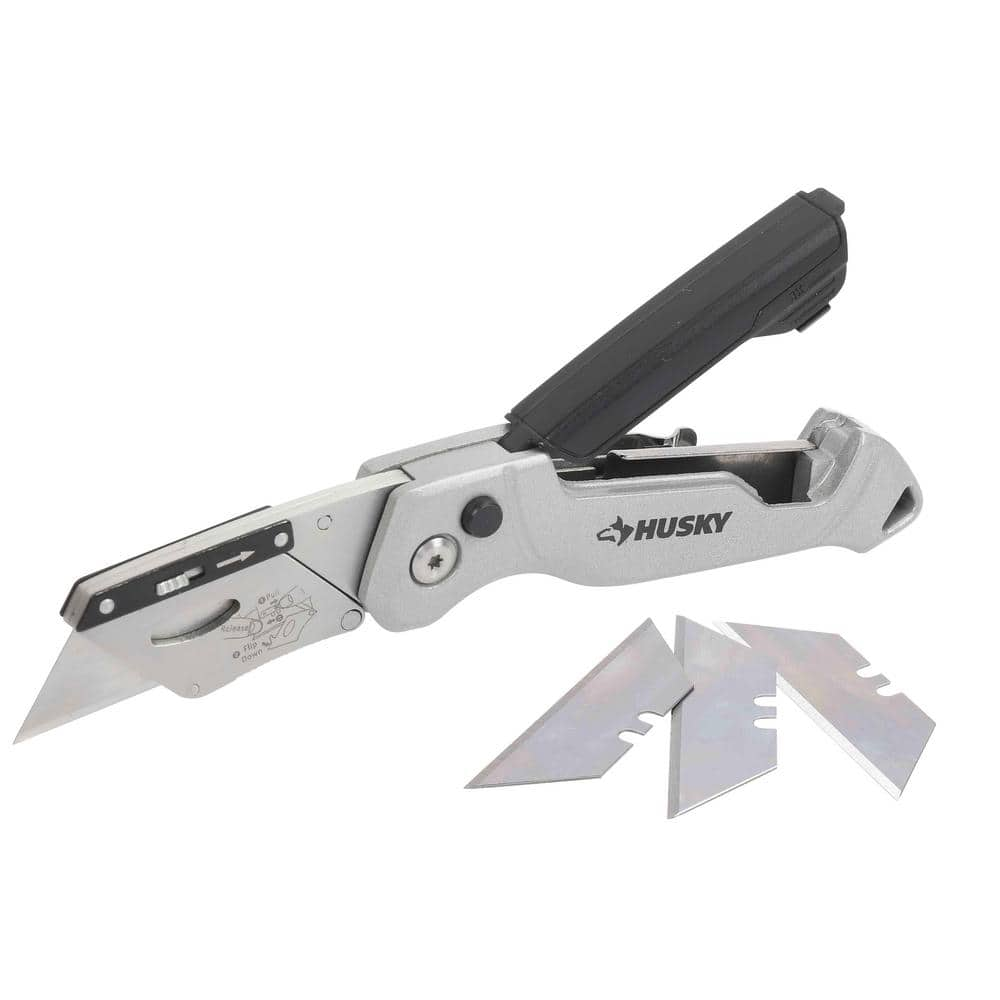
Husky Pro Utility Knife 00004

Putty knife

Klean-Strip 32 oz. Mineral Spirits Combustible Paint Solvent QKSP945
Bucket
Ideal for carrying or storing liquids.
Adjustable Wrench
Fits various nut and bolt sizes with its adjustable jaw.
Channellock 12 in. Tongue and Groove Slip Joint Pliers 440
The Channellock 12 in. Straight Jaw Tongue and Groove Pliers are constructed with high-carbon C1080 steel. The tool is fashioned with laser heat-treated teeth that clamp down perpendicularly for strong,
Husky Pro Utility Knife 00004
Offering a precise cut every time, Husky Pro Folding Utility Knife lets you easily adjust the blade to multiple angles to tackle a wide range of jobs. Aluminum die casting handle with plastic spraying
Putty knife
Spreads putty with its flat blade.
Klean-Strip 32 oz. Mineral Spirits Combustible Paint Solvent QKSP945
For Pro's and DIY'ers, Klean-Strip is the leading brand of solvents, thinners, removers, and cleaners that are dependable for reliable results. Klean-Strip Odorless Mineral Spirits is a premium, highly
Steps

Preparation and Old Sink Removal
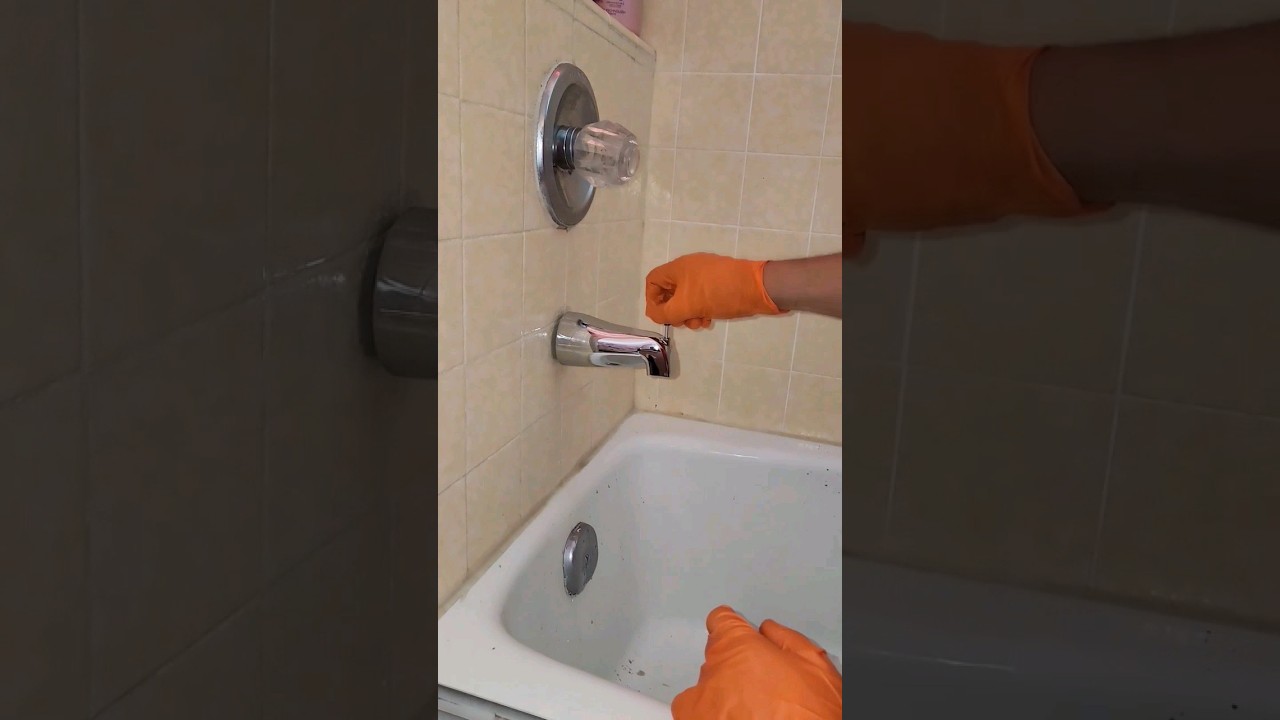
45 minsBegin by clearing everything from under the sink. Place a bucket under the P-trap to catch any residual water. Turn off the hot and cold water supply by turning the handles on the shutoff valves clockwise until they stop. Turn the faucet on to release any remaining pressure and confirm the water is off. Use an adjustable wrench to disconnect the supply lines from the shutoff valves. Next, use channel-lock pliers to loosen the slip nuts on the P-trap assembly and remove it. Use a utility knife to carefully cut the caulk seal between the old sink rim and the countertop. From underneath, locate and loosen the mounting clips holding the sink in place, if any. Finally, carefully push up on the sink from below and lift it out of the countertop. Clean any old caulk or putty off the countertop with a putty knife and a cleaning solvent.
Watch: Remove the Old Sink
Install Faucet and Drain on New Sink
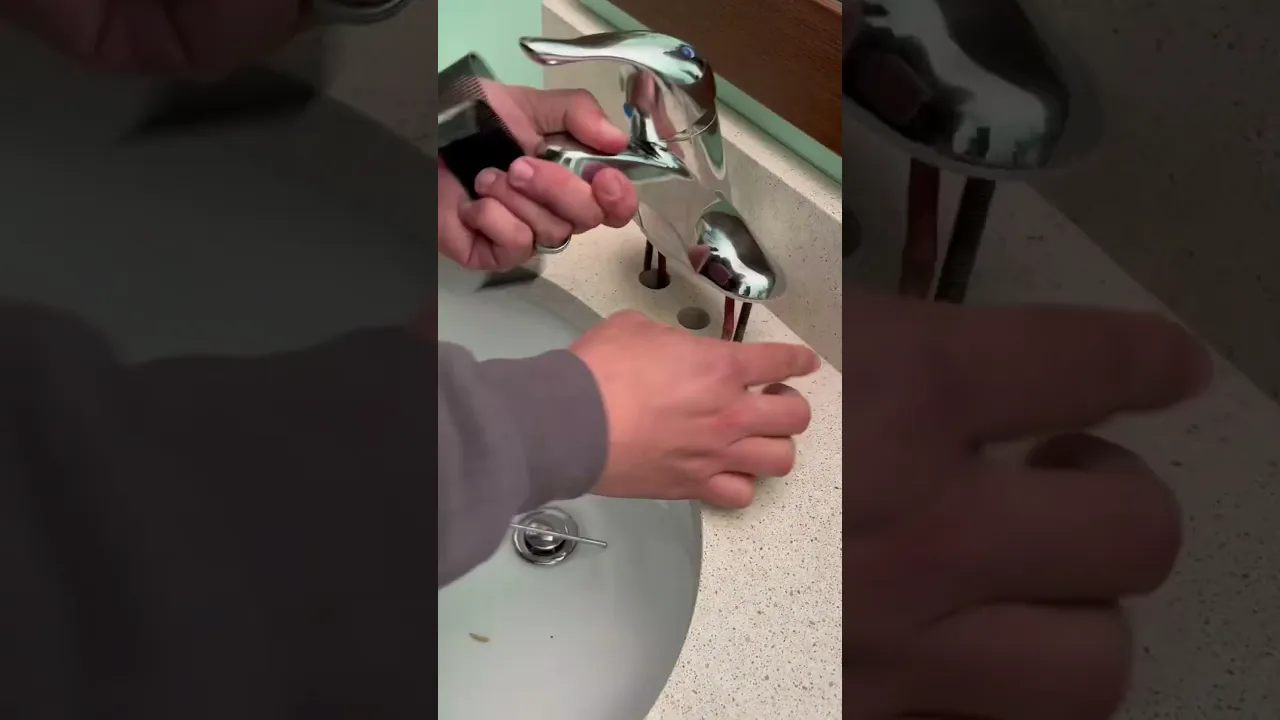
45 minsIt is much easier to install the faucet and drain before setting the sink. Place the new sink upside down on a soft, protected surface like a towel or piece of cardboard. First, install the faucet. If your faucet came with a gasket, place it over the holes on the sink deck. Insert the faucet's tailpieces and mounting studs through the holes. From the underside, slide on any supplied washers and thread on the mounting nuts. Tighten these nuts by hand, then use a basin wrench to snug them up, ensuring the faucet is straight. Next, install the drain. Roll a rope of plumber's putty about 1/4-inch thick and place it under the lip of the drain flange. Insert the drain flange into the drain hole from the top of the sink. From the underside, slide the rubber gasket over the drain threads, followed by the friction washer and the mounting nut. Tighten the mounting nut securely with channel-lock pliers until the putty squeezes out from under the flange. Clean up the excess putty. Finally, attach the pop-up drain lift rod mechanism according to the faucet manufacturer's instructions.
Watch: Install Drain Assembly
Set the New Sink in the Countertop
20 minsTest-fit the sink assembly in the countertop opening to ensure it sits flat and level. Remove the sink. Apply a continuous 1/4-inch bead of 100% silicone caulk to the underside of the sink's rim, where it will contact the countertop. Carefully lower the sink into the opening, pressing down firmly and evenly to create a good seal. From underneath the sink, install any supplied mounting clips to pull the sink tight against the countertop. Use a damp rag or paper towel to immediately wipe away any excess silicone caulk that squeezed out around the edges. Allow the caulk to cure for the time recommended by the manufacturer, typically several hours.
Watch: Mount the Sink
Connect Water Supply Lines and Drain
30 minsNow, make the final plumbing connections. First, attach the new flexible water supply lines to the threaded tailpieces on the bottom of the faucet. Hand-tighten these connections, then give them a quarter-turn with an adjustable wrench. Connect the other ends of the supply lines to the corresponding hot and cold shutoff valves. Again, hand-tighten and then give a quarter-turn with the wrench. Next, assemble the P-trap. Connect the tailpiece coming down from the sink drain to the P-trap U-bend, and the trap arm to the drain pipe in the wall. You may need to cut the PVC tailpiece or trap arm to the correct length with a hacksaw or tubing cutter. Ensure all slip nuts have their tapered plastic washers oriented correctly (taper facing the direction of the seal) before tightening. Hand-tighten all the P-trap slip nuts; they do not need a wrench.
Watch: Assemble the P-Trap
Final Checks and Testing
15 minsWith all connections made, it's time to test your work. Place a dry paper towel under all new connections (supply lines, drain assembly, P-trap) to make it easy to spot small drips. Remove the aerator from the faucet spout to prevent any debris from clogging it. Slowly turn on the hot and cold water shutoff valves all the way. Check for any leaks at the valves and at the faucet connections. Turn on the faucet and let both hot and cold water run for a minute to flush the lines. While the water is running, check the faucet base and all drain connections for leaks. Fill the sink basin completely and then release the water to put a large volume through the new drain assembly, checking carefully for any leaks. If everything is dry, turn off the faucet and screw the aerator back on. The installation is complete.
Watch: Reassemble Plumbing and Test for LeaksCommon Problems
Water will spill from the P-trap; ensure your bucket is positioned correctly.
Solution: To avoid this issue: Be mindful of this warning and take appropriate precautions.
Ensure the P-trap is correctly aligned before tightening to avoid cross-threading, which can cause leaks.
Solution: To avoid this issue: Be mindful of this warning and take appropriate precautions.
Water leaks at faucet connections after installation.
Solution: After installation, run water through the sink to check for any leaks at the new connections.
Hand-tighten the plastic slip nuts first, then give them a final quarter-turn with pliers. Over-tightening can crack the nuts or damage the threads.
Solution: To avoid this issue: Be mindful of this warning and take appropriate precautions.
Leaky faucet connections due to improperly tightened nuts.
Solution: Hand-tighten the nuts first. If there are any drips after testing, use channel-lock pliers to give them a slight quarter-turn, but be careful not to overtighten and crack the plastic.
Faucet shifts and misaligns during installation.
Solution: Have a helper hold the faucet in the correct position from above while you tighten it from below to prevent it from shifting.
Countertop is too heavy to lift alone, risking injury or damage.
Solution: Having a second person to help lift and position the heavy countertop is highly recommended to prevent injury or damage.
Frequently Asked Questions
How difficult is this bathroom sink and faucet installation for a beginner, and how much time should I set aside?
This project is categorized as 'beginner' difficulty, making it very approachable for DIYers. For a first-timer, plan to dedicate 4-6 hours from start to finish, including preparation and cleanup. Rushing can lead to mistakes, so allow extra time for unexpected issues.
What are the most critical safety steps I need to take before starting to remove the old sink and work on plumbing?
The absolute most critical step is to shut off the water supply to the sink, either at the shut-off valves under the sink or the main water supply to your house. Also, place a bucket and towels under the work area to catch any residual water, and consider wearing safety glasses when using tools or working with pipes.
Is a basin wrench, like the TEKTON WRN92004, truly necessary for this project, or can I use regular pliers?
While you might be able to manage with large channel-lock pliers in some cases, a basin wrench (e.g., TEKTON WRN92004) is highly recommended. It's specifically designed for reaching and loosening the difficult-to-access mounting nuts on faucets, especially in tight spaces, making the job significantly easier and faster.
What's the most common mistake beginners make when installing the drain assembly or sealing the sink, and how can I avoid it?
A common mistake is either not using enough plumber's putty (like Oatey 14 oz. Plumber's Putty) around the drain flange, or over-tightening plastic drain fittings, which can crack them. Ensure a generous, even ring of putty under the drain flange for a watertight seal, and hand-tighten plastic connections, then give a quarter-turn with pliers, being careful not to overtighten.
Can I use a different type of caulk than the GE Tub and Tile Silicone 1 Caulk for sealing the new sink?
While other caulks exist, GE Tub and Tile Silicone 1 Caulk (or a similar 100% silicone sealant) is strongly recommended for bathrooms. Its superior waterproofing, flexibility, and resistance to mold and mildew make it ideal for wet environments like a sink countertop. Avoid acrylic latex caulks, as they don't hold up as well in constantly wet conditions.
Once the new sink and faucet are installed, what's the best way to test for leaks, and what should I do if I find one?
After installation, slowly turn on the water supply valves. Fill the sink and let the water drain, then carefully inspect all connections – supply lines, drain assembly, and P-trap – with a dry towel. If you find a leak, turn off the water, identify the exact source, and gently tighten the connection. For drain leaks, you might need to disassemble, reapply plumber's putty or thread sealant, and reassemble.
What should I do to properly prepare the countertop opening to ensure a watertight seal for the new drop-in sink?
Before setting the new sink, ensure the countertop opening is completely clean, dry, and free of any old caulk, debris, or moisture. Use a utility knife and putty knife to scrape away old sealant. A clean, smooth surface is crucial for the GE Tub and Tile Silicone 1 Caulk to adhere properly and create a long-lasting, watertight seal.