How to Find an Underground Water Leak Using Your Meter
About This Project
This guide provides step-by-step instructions for using your home's water meter to determine if there is a water leak in the underground service line connecting the meter to your house. The process involves systematically shutting off water sources and observing the meter for movement to isolate the leak's location.
Best for homeowners and DIY enthusiasts with basic plumbing knowledge.
Tools & Materials

Work Gloves
JONES STEPHENS 3/4 in. x 60 in. Length Steel Street and Curb Water Meter Key M25760

Husky 1/4 in. x 4 in. Square Shaft Standard Slotted Screwdriver H14X4FHSD

Milwaukee 12 in. Pry Bar 48-22-9034

Etokfoks 10.1 in. Smart WiFi Digital Photo Frame 1280 x 800 IPS LCD Touch Screen, Auto-Rotate, 32 GB storage MLSA10LT121
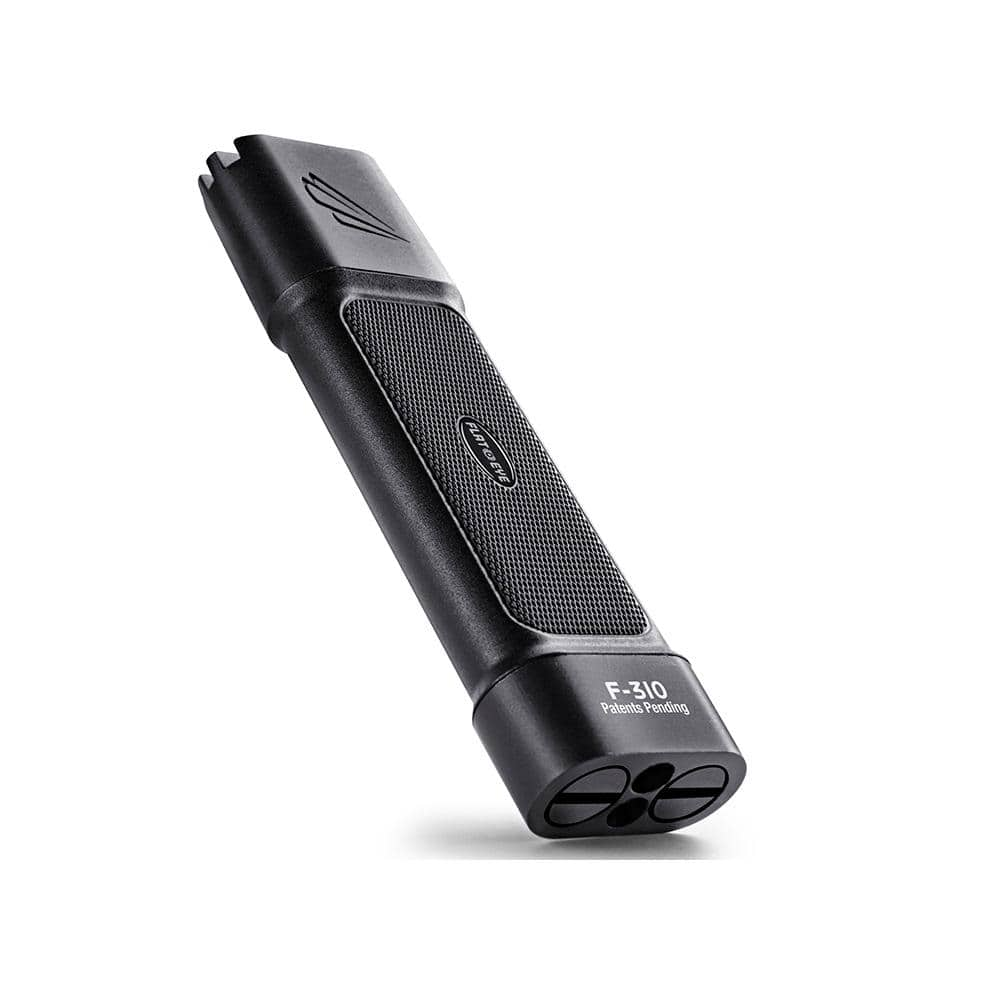
Panther Vision FLATEYE F-310 High Performance 310-Lumen Unround Flashlight CREE LED Multi Position Waterproof and Shockproof FL-6960
Work Gloves
Protects hands during tasks.
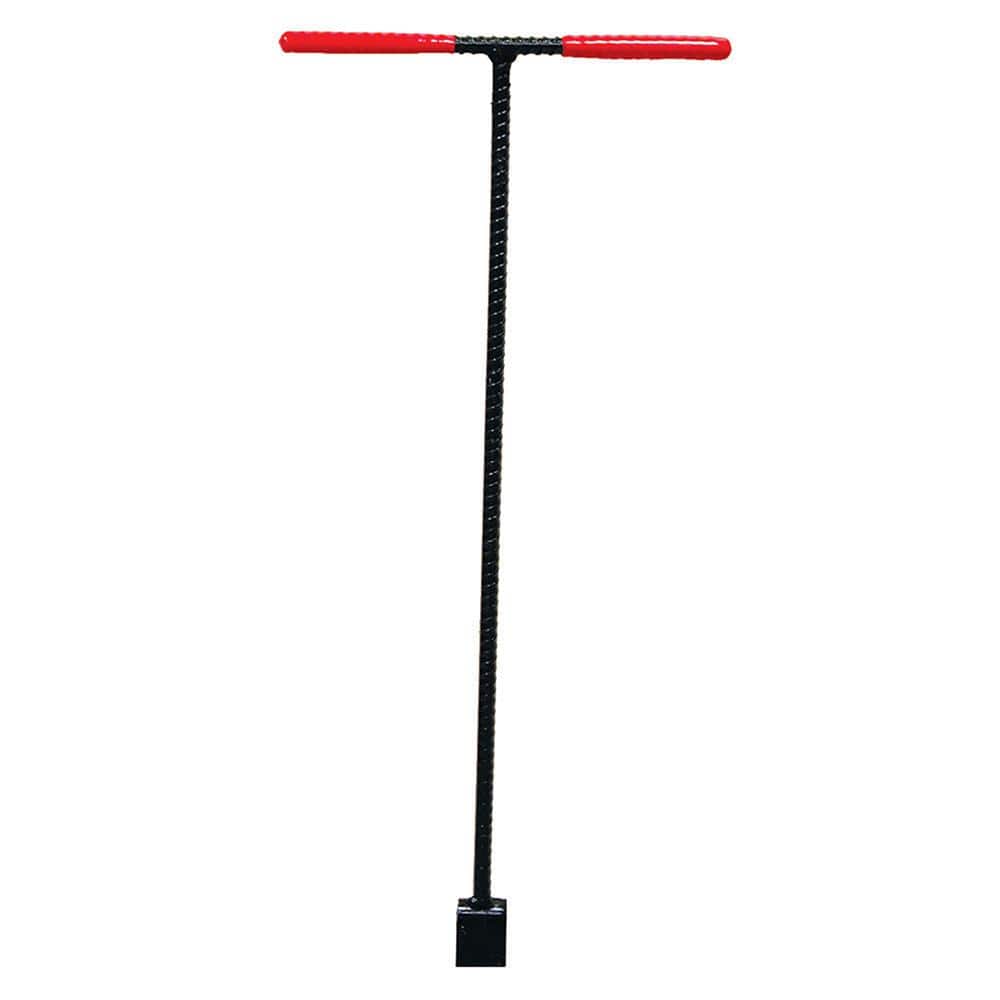
JONES STEPHENS 3/4 in. x 60 in. Length Steel Street and Curb Water Meter Key M25760
Jones Stephens has built its reputation over the years as a leader in the plumbing industry, providing the market with thousands of products to complete any project. If you need it, we got it. The 3/4
Husky 1/4 in. x 4 in. Square Shaft Standard Slotted Screwdriver H14X4FHSD
This standard slotted screwdriver by Husky features a 4 in. blade forged from superior allow steel and a serrated tip to increase grip and reduce slip. Its impact and chemical-resistant handle is ergonomic
Milwaukee 12 in. Pry Bar 48-22-9034
The Milwaukee 12 in. Pry Bar is designed to withstand the toughest of jobsite conditions while remaining sharp enough to access tight spaces. This pry bar features a SHOCKSHIELD grip to minimize vibration
Etokfoks 10.1 in. Smart WiFi Digital Photo Frame 1280 x 800 IPS LCD Touch Screen, Auto-Rotate, 32 GB storage MLSA10LT121
The digital photo frame offers an immersive and delightful way to display and enjoy a wonderful time. So gifting this to a parent or friend is a no-brainer. Meanwhile, it's the perfect addition to home
Panther Vision FLATEYE F-310 High Performance 310-Lumen Unround Flashlight CREE LED Multi Position Waterproof and Shockproof FL-6960
Every revolution starts with a spark. At 310-Lumens the F-310 has the power to ignite our un-round revolution without overpowering your needs or your wallet. Not your granddads flashlight these bad boys
Steps

Cease All Water Usage
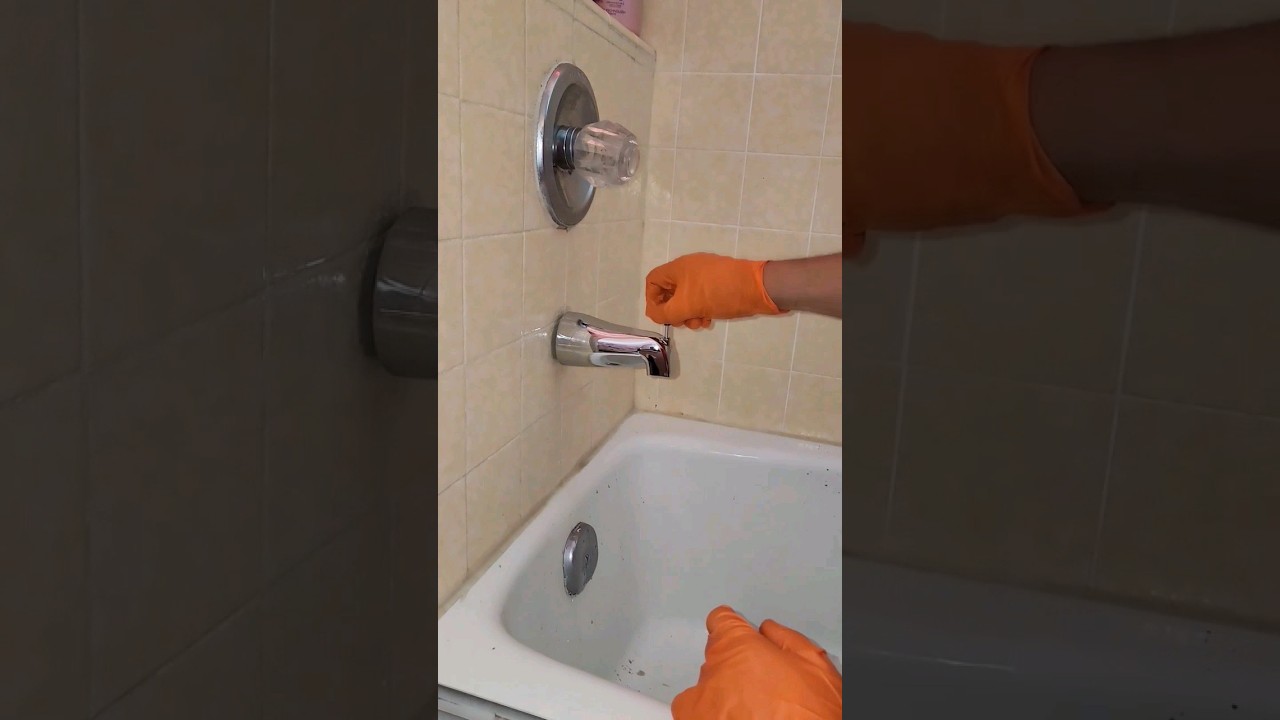
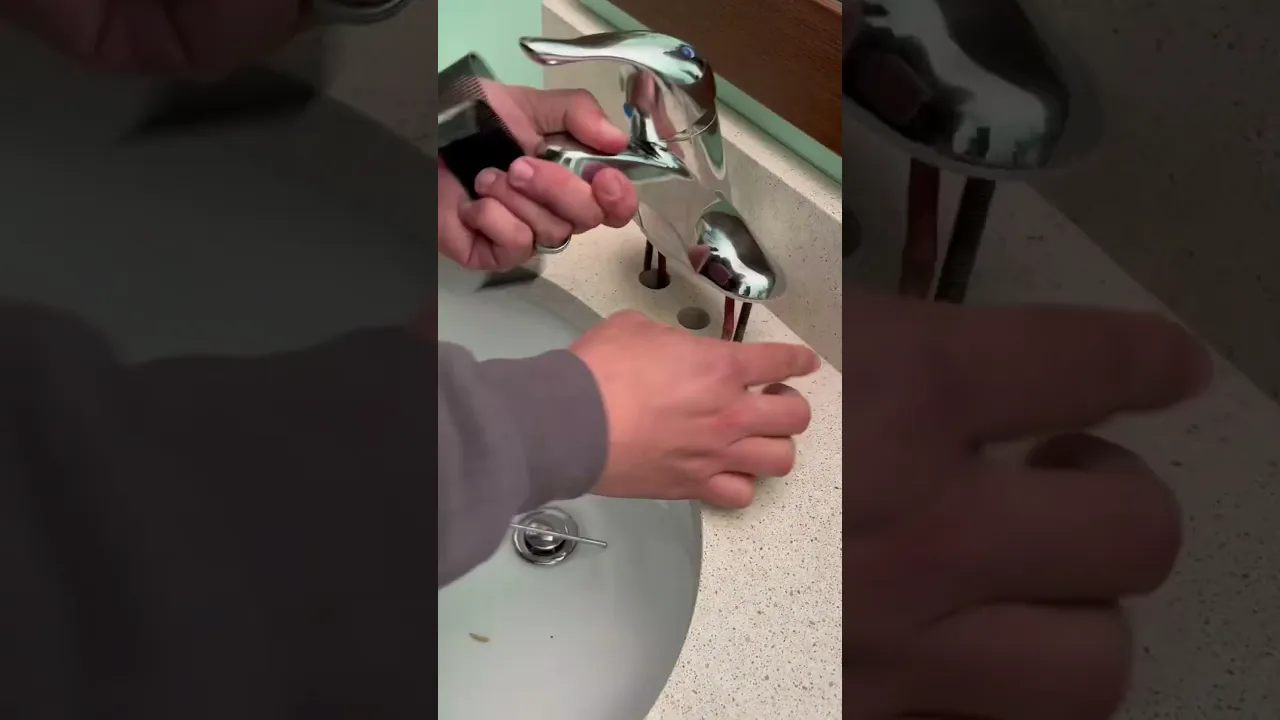
5 minsEnsure every single water-using appliance and fixture in and around your home is turned off. This includes all faucets, showers, toilets (ensure they are not running), dishwashers, washing machines, ice makers, and any outdoor irrigation systems or hoses. This step is critical to prevent false positives during the test and to establish a baseline of zero water consumption.
Watch: Check for Water Flow
Locate and Access the Water Meter
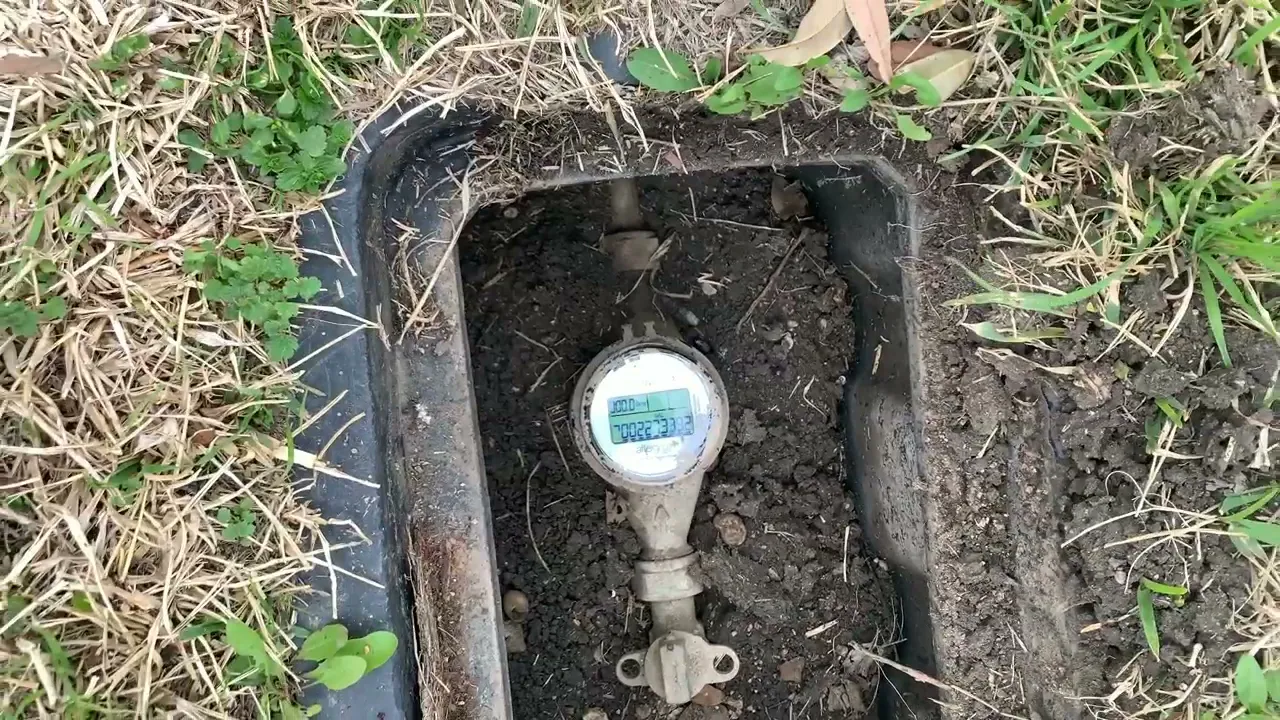
10 minsFind your water meter, which is typically located in a concrete or plastic box in the ground near the street or curb. You may need a tool like a large screwdriver or a specialized meter key to pry open the heavy lid. Carefully lift the lid, wearing work gloves for protection. You may need to clear away dirt, leaves, or water from the box to see the meter. Flip open the protective cap on the meter face to reveal the dial.
Watch: Open the Meter Box
Initial Meter Observation and Reading
5 minsFirst, look for the leak indicator on the analog meter. This is usually a small, triangular or star-shaped dial that spins even with very low water flow. If it is moving when you are certain all water is off, you have confirmed a leak. Next, accurately record all the numbers on the meter's odometer-style display. To ensure perfect accuracy, take a clear photo of the meter dial with your smartphone. This will serve as an exact reference point for comparison later.
Watch: Confirm the Leak at the Water Meter
The Waiting Period
1 minWith all water usage confirmed to be off and the initial meter reading recorded, you must now wait for a significant period without using any water. A duration of 1 to 2 hours is generally sufficient to allow even a slow leak to register a noticeable change on the meter. It is imperative that no one in the household uses a toilet, faucet, or any other water appliance during this time.
Watch: Compare Readings to Confirm Leak
Second Meter Reading and Comparison
5 minsAfter the waiting period has elapsed, return to the water meter and take a second, careful reading. Compare this new reading to the initial one you recorded (or the photo you took). If the numbers on the odometer have increased, or if the large sweep hand has moved from its original position, it confirms you have a leak somewhere in your plumbing system. The next step will be to determine if it's inside or outside.
Watch: Perform Isolation Leak Test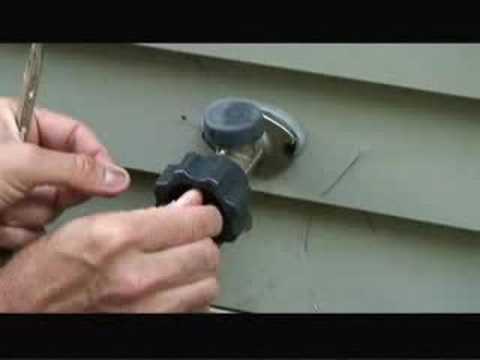
Isolate the House from the Service Line
10 minsTo determine if the leak is inside the house or in the underground service line, you must now shut off the water supply to the entire house. Locate your home's main water shut-off valve. Based on our assumption, this is in the basement or crawl space where the main water pipe enters the house. It will have either a wheel-like handle (gate valve) or a lever handle (ball valve). Turn the handle clockwise (for a wheel) or perpendicular to the pipe (for a lever) until it is fully closed. This isolates the entire house plumbing system from the incoming service line.
Watch: Shut Off Water Supply
Final Meter Check to Pinpoint Leak Location
5 minsReturn to the water meter for one final check. With the house's main valve shut off, carefully observe the small leak indicator again. If the indicator is still spinning, the leak is located in the underground pipe between the meter and your house's shut-off valve. If the indicator has stopped moving, the leak is located somewhere inside your house's plumbing system (e.g., a running toilet, a dripping faucet, or a leaking pipe in the walls). At this point, you have successfully determined the general location of the leak. An underground leak requires professional repair.
Watch: Isolate the Leak to the Service LineCommon Problems
Water meter pinwheel spins with no active water use, indicating an undetected leak.
Solution: The small red pinwheel is a very sensitive leak detector. If it moves when all fixtures are off, there's a leak.
Basements and utility closets can be cluttered. Use a flashlight and be careful when accessing the meter.
Solution: To avoid this issue: Be mindful of this warning and take appropriate precautions.
Water meter indicator not showing leaks.
Solution: The leak indicator on the water meter is very sensitive and can detect even small drips.
You might pay for a plumber's visit only to find out there's no leak.
Solution: By checking the meter, you can confirm you have a leak before calling a plumber, which can save time and diagnostic fees.
Be cautious when turning an old shutoff valve. If it is stiff, forcing it could cause it to break. Contact a licensed plumber for assistance or replacement.
Solution: To avoid this issue: Be mindful of this warning and take appropriate precautions.
The meter display won't turn on when trying to check for leaks.
Solution: The flashlight needs to be shined directly on the sensor (often indicated by a flashlight icon) to activate the display.
Meter doesn't show flow, so you can't tell if there's a leak.
Solution: Digital meters may have a plus sign or other icon to indicate flow.
Frequently Asked Questions
Beyond standard household items, what are the most crucial tools or materials I'll actually need for this leak detection project?
You'll primarily need a wrench to operate the main shutoff valve, a notepad and pen to record meter readings, and a flashlight to better see the meter dial. Work gloves are essential for comfort and protection, especially if you need to access an underground meter box. The specific digital frame and clock mentioned might be for general project management or time tracking, but aren't directly involved in the leak detection itself.
Given that this is a 'beginner' project, why does it have an estimated time of 3 hours?
The 3-hour estimate accounts for the necessary 'waiting period' after systematically shutting off water sources, which allows the meter to register even slow leaks. This isn't active work but observation time. It also includes time for locating and accessing your meter, performing initial and final readings, and isolating different sections of your plumbing.
What important safety precautions should I keep in mind when working with my water meter, especially if it's underground?
Always wear appropriate work or safety gloves to protect your hands from dirt, debris, or sharp edges. If you need to dig to access the meter, be cautious of other buried utilities. When operating shutoff valves, turn them slowly and deliberately to avoid damaging plumbing, and never force a stuck valve.
How can I be absolutely sure I'm reading my water meter correctly and that any movement truly indicates a leak, not just a tiny bit of residual usage?
First, ensure *all* water-using appliances, faucets, and toilets are completely off and not cycling. Pay close attention to the smallest dial or red sweep hand on your meter; even the slightest, continuous movement over your chosen waiting period (e.g., 15-30 minutes) indicates a leak. Take an initial reading, wait, and then a second reading to compare for any difference.
What if I've turned off the main water to my house, waited the recommended time, but the water meter is still moving?
If the meter continues to move after you've successfully isolated your house by turning off its main water supply, it confirms that the leak is in the underground service line between the meter and your home. At this point, you'll need to contact your water utility or a professional plumber for repair, as this type of repair often requires specialized equipment and excavation.
What if I follow all the steps, and my meter shows no movement, but I still suspect an underground leak?
If your meter shows no movement, the leak is likely inside your house, not in the underground service line. Thoroughly check for subtle leaks from toilets, faucets, or appliances that might not have been fully isolated. If you still strongly suspect an underground issue, consider contacting a professional leak detection service; they have specialized equipment to find very small or intermittent leaks that a meter might miss.