Garbage Disposal Repair: Troubleshooting a Non-Responsive Unit
About This Project
This guide provides steps to troubleshoot a garbage disposal that is not working even after pressing the reset button. First, ensure safety by disconnecting power at the breaker. Next, locate and press the reset button firmly. If this doesn't work, attempt to manually clear blockages using an Allen wrench to rotate the motor shaft. Finally, restore power, run cold water, and test the disposal. Repeat steps or consult a professional if issues persist.
Best for homeowners and DIY enthusiasts.
Tools & Materials
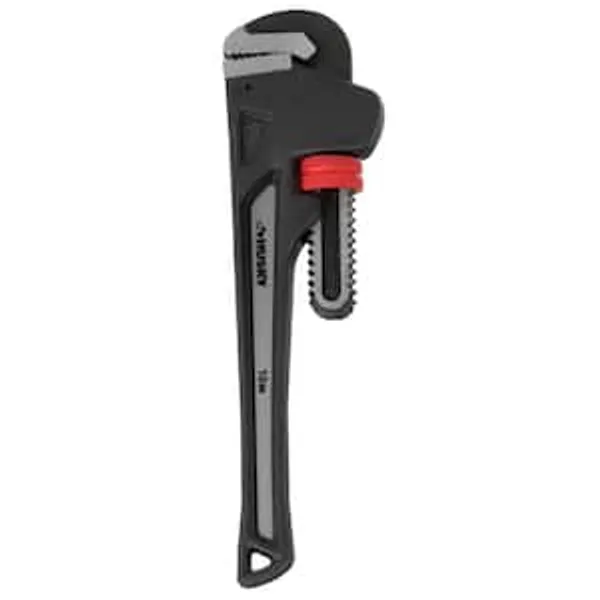
Wrench
Wrench
Turns objects with grip and leverage.
Steps


Manually Clear Blockages
5 minsUse an Allen wrench (usually included with the disposal or readily available at hardware stores) to manually rotate the motor shaft. Insert the wrench into the hex-shaped hole at the bottom and rotate back and forth to dislodge debris.
Watch: Manually Spin the Disposal
Common Problems
Safety concern: Always disconnect the power to the garbage disposal before working on it to prevent electrical shock.
Solution: Take proper safety precautions. Always disconnect the power to the garbage disposal before working on it to prevent electrical shock.
Prevention: Always follow safety guidelines before starting the project.
The disposal is making loud grinding noises and I'm worried it's broken.
Solution: The loud grinding noise while crushing ice is normal and expected.
Grease solidifies, clogging the drain when the disposal is used without cold water.
Solution: Always run cold water when using your garbage disposal to help solidify grease and flush particles down the drain.
Disposal is dead silent when switched on.
Solution: This step is only necessary if you get no sound (no hum) when flipping the power switch.
Disposal jams and clogs if food and grease aren't flushed properly.
Solution: Always run cold water when operating the garbage disposal to help flush food particles down the drain and solidify any grease or fats for easier grinding.
Double check that the power is off before proceeding.
Solution: To avoid this issue: Be mindful of this warning and take appropriate precautions.
Failure to disconnect power can result in severe injury. This is the most important step.
Solution: To avoid this issue: Be mindful of this warning and take appropriate precautions.
Frequently Asked Questions
What specific tools are absolutely essential for this garbage disposal troubleshooting project?
You'll primarily need an Allen wrench (often 1/4 inch or 1/8 inch, usually supplied with the disposal) to manually turn the motor shaft if it's jammed. A flashlight can also be very helpful for visibility inside the drain. The 'Wrench' listed as required likely refers to this specialized Allen wrench.
What is the most critical safety precaution I need to take before starting this repair?
Always disconnect power to the garbage disposal at the circuit breaker first and verify it's off. This prevents accidental activation while your hands or tools are near the blades, which could cause severe injury. Never attempt to work on the unit with the power still connected.
I pressed the reset button, but my garbage disposal still isn't working. What should I do next?
If the reset button doesn't resolve the issue, the next step is usually to manually clear any blockages. Use an Allen wrench in the center hole at the bottom of the disposal to rotate the motor shaft back and forth until it moves freely. This often frees the impellers from jammed food particles.
How long should I expect this troubleshooting process to take, especially for a beginner?
For a beginner, this troubleshooting process typically takes 15-30 minutes, assuming the problem is a common jam or tripped reset. Most of the time is spent ensuring safety, locating components, and systematically checking each step. If it takes longer, it might indicate a more complex issue.
My garbage disposal hums but doesn't spin. What does that usually mean?
A humming sound without spinning typically indicates that the motor is receiving power but is jammed due to an obstruction. This is a classic sign you need to manually clear blockages using the Allen wrench from the center hole at the bottom of the unit. Remember to always ensure power is off before attempting this.
What if I've followed all the steps, including using the Allen wrench, and my disposal still isn't working?
If your garbage disposal remains non-responsive after attempting the reset, manually clearing blockages, and ensuring power, it might indicate a more serious electrical or mechanical failure. At this point, it's best to consult a professional plumber or appliance repair technician for further diagnosis and repair.
After fixing the disposal, how can I prevent it from jamming again in the future?
To prevent future jams, always run cold water before, during, and after using the disposal to flush food particles thoroughly. Avoid putting hard items like fruit pits, bones, fibrous vegetables (celery, potato peels), or large amounts of grease down the drain. Grinding citrus peels occasionally can help clean and freshen the unit.