Closet Organization
About This Project
Develop a plan to declutter, sort, and optimize storage within a closet space to improve accessibility and visual appeal.
Tools & Materials
Afoxsos Black Cardboard Decorative Boxes with Lid 3-Pack SNPH003IN809
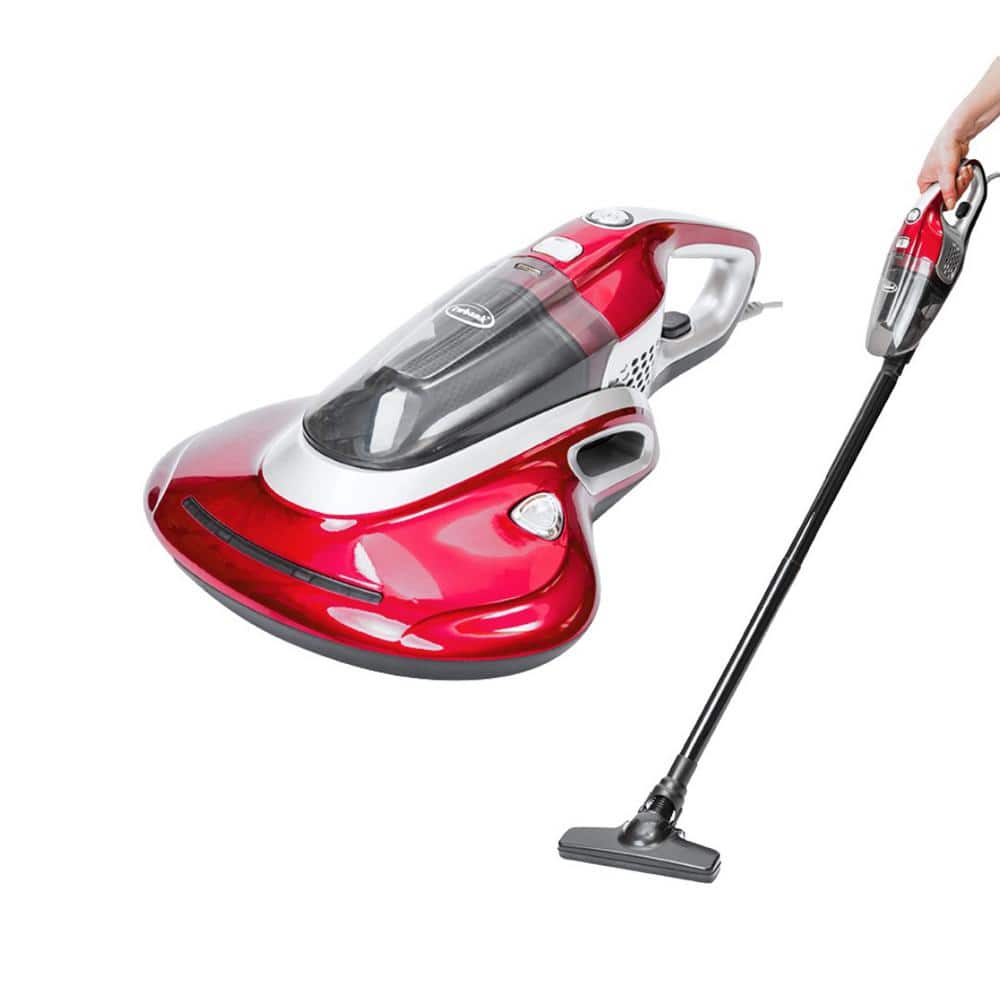
Ewbank Convertible Stick and Handheld Vacuum Cleaner with Attachments and Bed/Fabric Sanitizer with UV Light, Bagless, Corded UV400
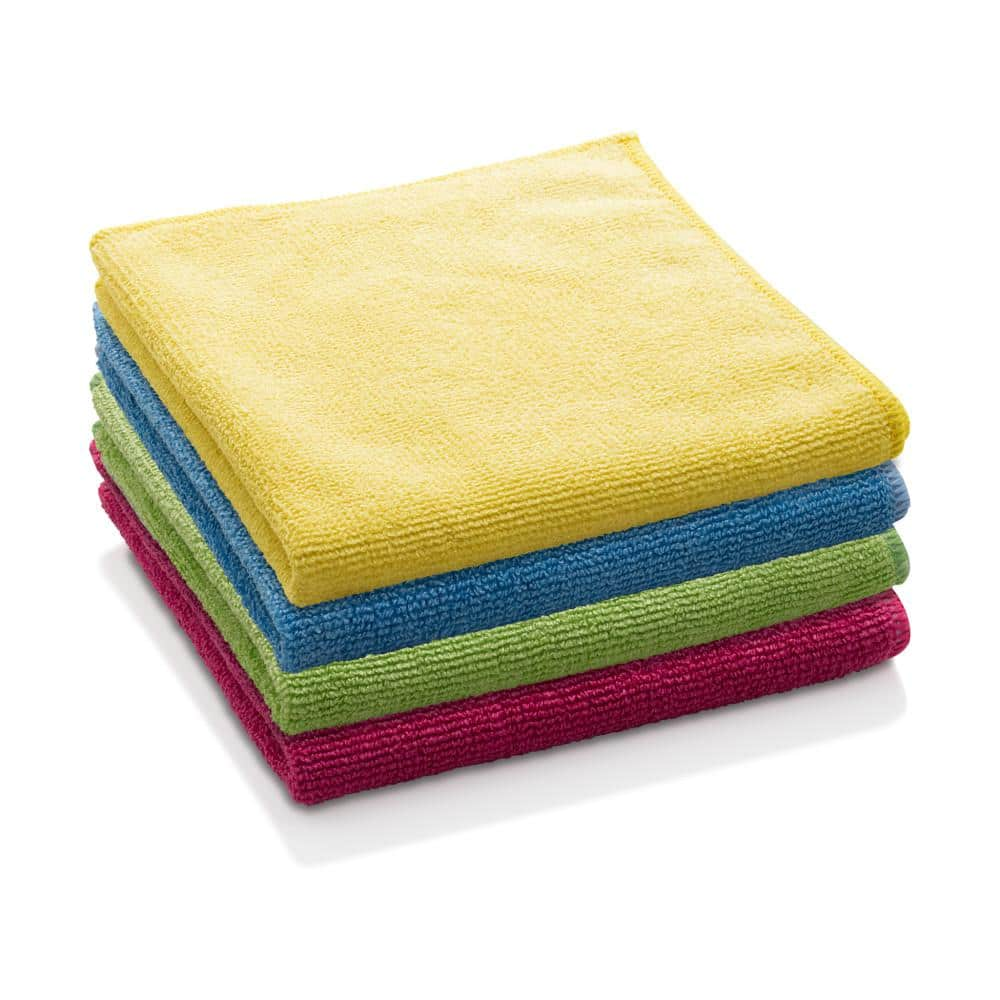
E-Cloth Microfiber General Purpose Cloths - Assorted Colors - 4 Pack 10902M
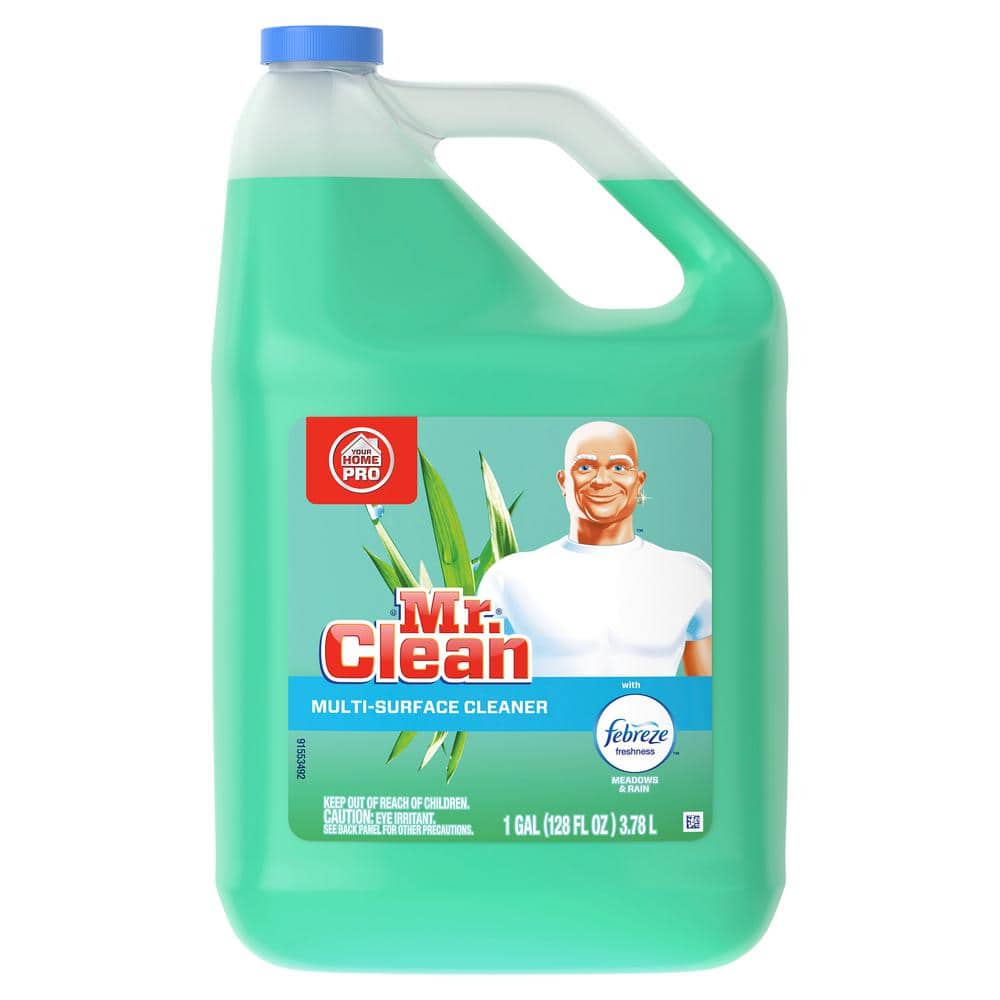
Mr. Clean Home Pro 1 Gal. Meadows and Rain Scent Multi-Surface Liquid Cleaner with Febreze Freshness 003700023124
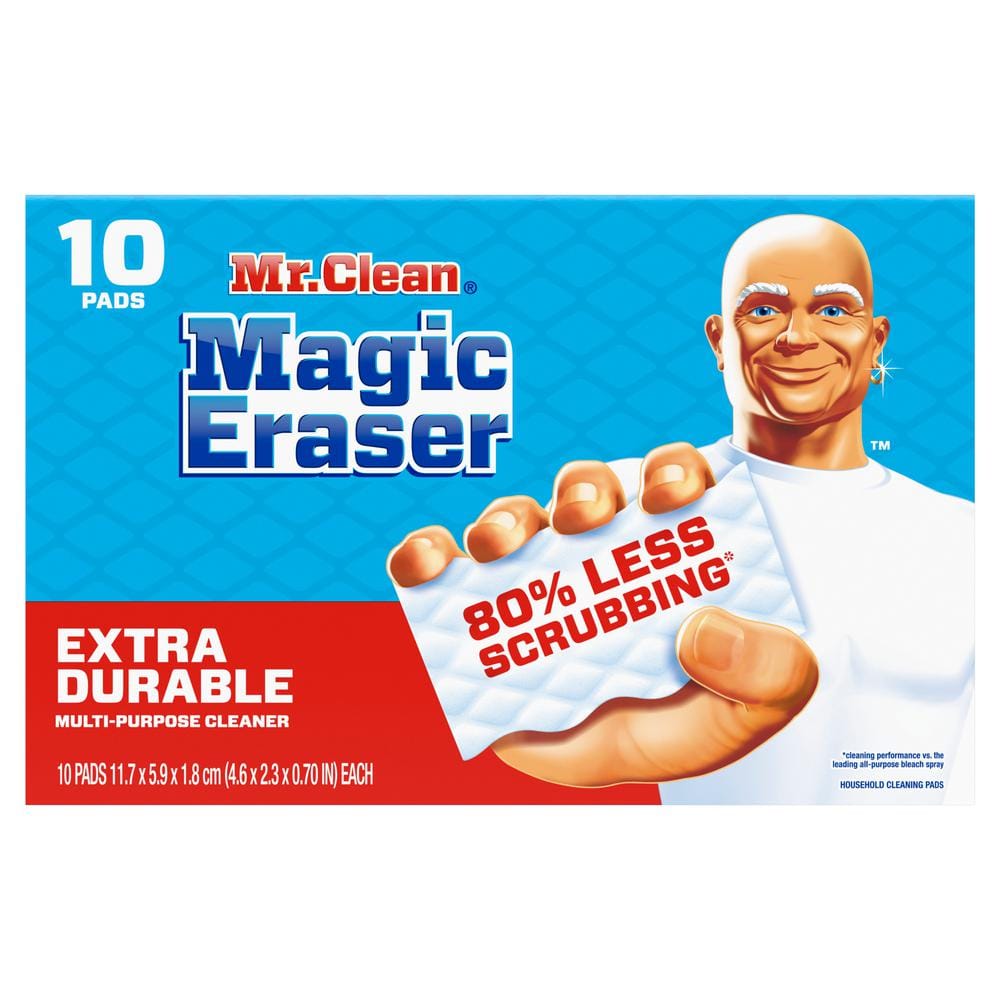
Mr. Clean Extra Durable Magic Erasers Multi-Purpose Cleaning Sponge (10 Count) 003700069525
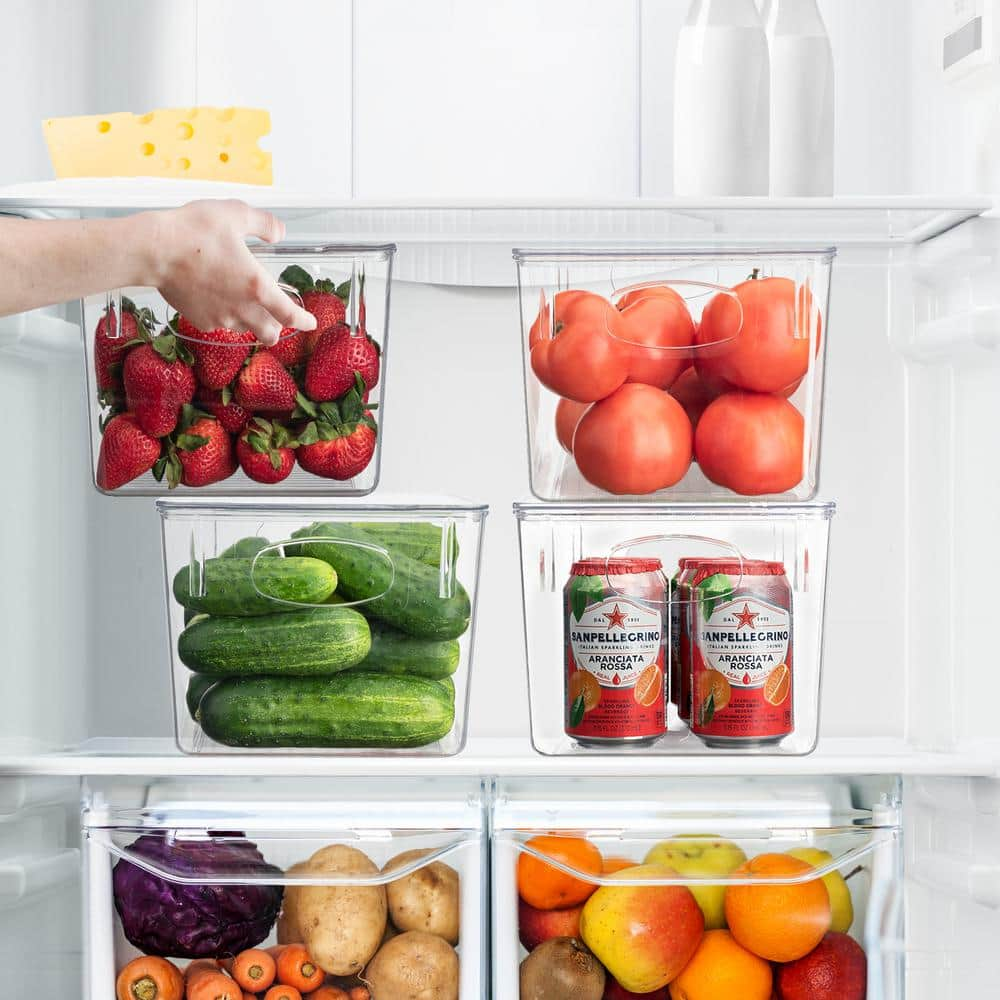
Sorbus 4 Plastic Storage Bins, Clear Kitchen, Pantry, and Bathroom Organizer with Lids and Handles FR-BCR4
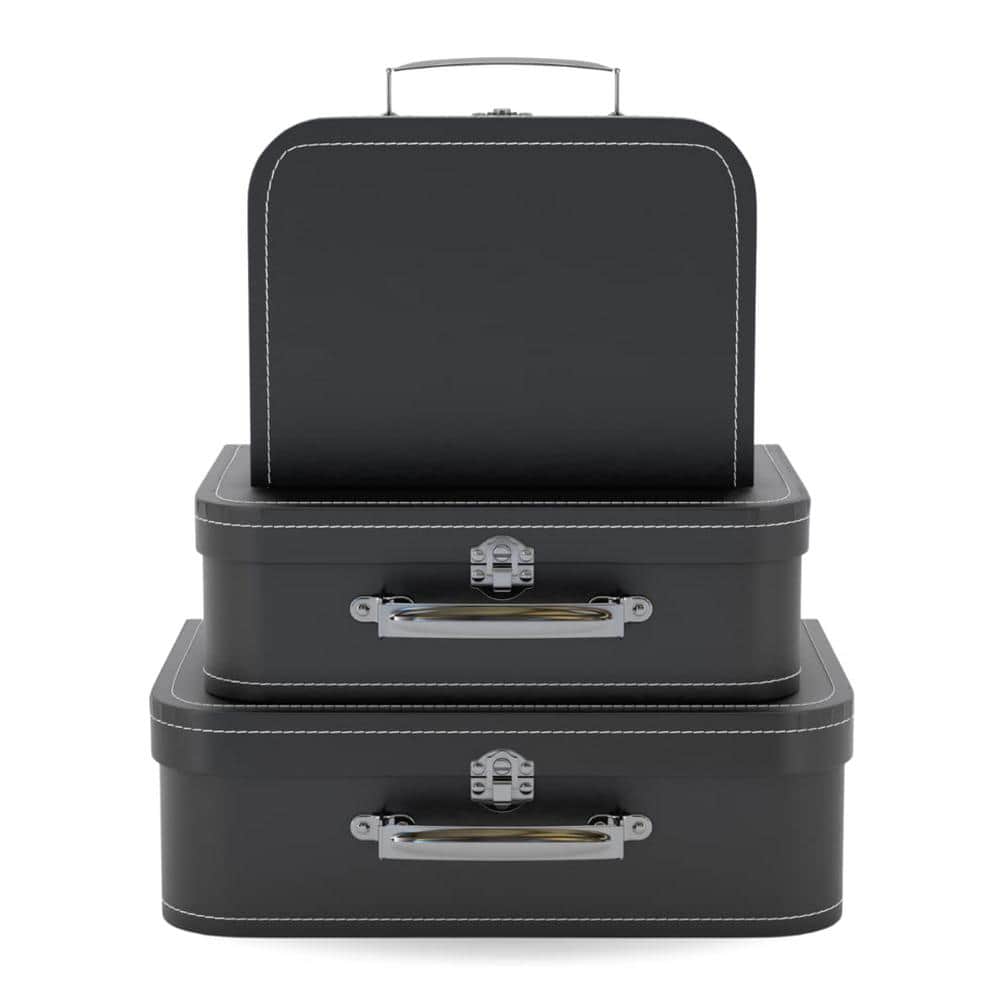
Afoxsos Black Cardboard Decorative Boxes with Lid 3-Pack SNPH003IN809
Keep your cherished photos and mementos safe with this elegant set of 3 black paperboard suitcases. These decorative cardboard storage boxes not only provide a stylish solution to tackle clutter but also
Ewbank Convertible Stick and Handheld Vacuum Cleaner with Attachments and Bed/Fabric Sanitizer with UV Light, Bagless, Corded UV400
The UV400 Combination Upright & Handheld Vacuum Cleaner with Bed/Fabric Sanitizer is designed to improve the environment in your home with 4 key functions that kill bacteria and eradicate dust mites. Removing these catalysts for allergies, asthma, and general ill health?such as E-coli, streptococcus, staphylococcus and MRSA?will have you sleeping better at night. Simply place the machine on the items you wish to clean?such as blankets, sheets, sofas, and clothes?and let the vibrating pad do its magic. It destroys the millions of Dust Mites that have latched themselves deep down into your mattress and pillow. The vacuum, with its two-stage allergy filtration, will safely and effectively eradicate and remove dust mites and their feces from your bed. For an added bonus, use the Lavender Sleep Enhancer Fragrance Cards to give your mattress a fresh scent. The included accessories convert the UV400 into a versatile vacuum that can be used all around your home. It works incredibly on curtains, fabrics, couches, and even toys. The UV400 Extension tubes are just what you need to get to into those difficult-to-reach areas. Comes with 1 Crevice Tool, 2 Extension Wands, 1 adapter, 1 vacuum floor head, and sleep-enhancer fragrance cards.
E-Cloth Microfiber General Purpose Cloths - Assorted Colors - 4 Pack 10902M
Always up for some good clean fun, E-Cloth General Purpose Cloths tackle nearly every household cleaning task on your list. Masses of precision-engineered microfibers attract and trap grease, grime, fingerprints,
Mr. Clean Home Pro 1 Gal. Meadows and Rain Scent Multi-Surface Liquid Cleaner with Febreze Freshness 003700023124
Get a powerful clean and a great scent with Mr. Clean multi-surface cleaner with Febreze Meadows and Rain. It cuts through 100% of dirt, grease, and grime, leaving the light, fresh scent of Febreze Meadows
Mr. Clean Extra Durable Magic Erasers Multi-Purpose Cleaning Sponge (10 Count) 003700069525
Mr. Clean Magic Eraser extra-Durable scrubber is 4x Stronger with Durafoam. The cleaning micro-scrubbers reach into the surface grooves, lifting away built up dirt and grime. Use it all around the house
Sorbus 4 Plastic Storage Bins, Clear Kitchen, Pantry, and Bathroom Organizer with Lids and Handles FR-BCR4
No more searching for that much needed ketchup bottle or juice box. The Sorbus Container Bin Set keeps your kitchen organized with a clear view. A translucent design allows you to quickly see what's stored
Steps


Clean the Closet Interior
20 minutesVacuum or sweep the floor to remove dust and debris. Wipe down shelves, walls, and any hanging rods with a damp cloth and a mildAll-purpose cleaner. For stubborn marks, a magic eraser or a slightly stronger cleaner might be needed, followed by a damp cloth rinse.
Watch: Clean the Closet
Sort and Declutter Items
120 minutesCreate distinct piles or use labeled boxes for categories such as 'Keep', 'Donate', 'Discard/Recycle', and 'Relocate' (items that belong elsewhere in the house). For the 'Keep' pile, further sort items by type (e.g., shirts, pants, accessories, shoes). Be critical about what you truly need and use.
Watch: Remove All Clothes
Plan the New Layout
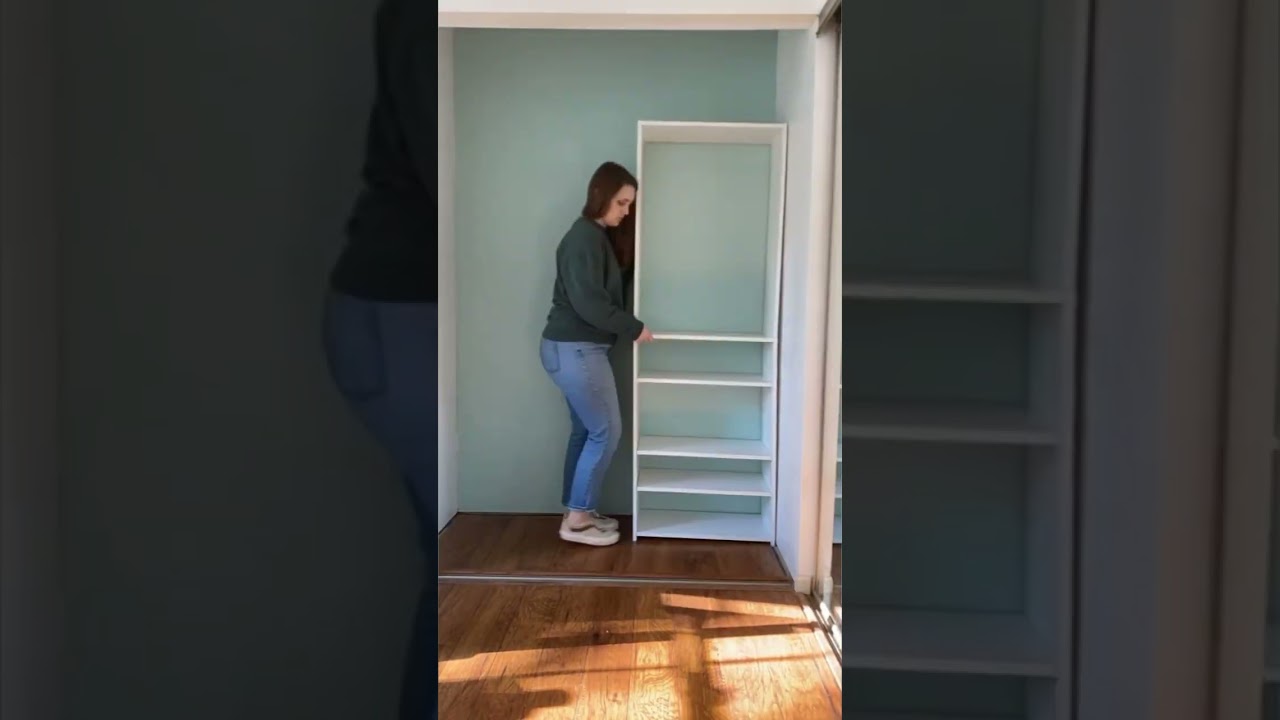
45 minutesAssess the types and quantities of items you are keeping. Consider using vertical space, creating zones for different clothing types, and ensuring frequently used items are easily accessible. Measure shelves and hanging space to determine the best organizational solutions.
Watch: Assess Space and Plan Layout
Implement Organization Solutions
90 minutesBased on the layout plan, install any new shelving, hanging rods, or drawer units. Arrange existing or new shelf dividers, bins, and containers to create designated spaces for different item categories. Utilize wall space for hooks or shoe organizers.
Watch: Integrate Shelving and Drawers for Full Optimization
Put Items Back Systematically
60 minutesPlace items back into the closet according to the planned layout and sorting categories. Folded clothes go on shelves or in drawers, hung items on rods, and accessories in bins or on hooks. Ensure items are easily visible and accessible.
Watch: Restock and Organize Clothes
Label and Maintain
15 minutesLabel all bins, baskets, and shelves with their contents to ensure everything has a designated home and to help maintain order. Schedule regular quick tidy-ups (e.g., weekly) and periodic deeper purges (e.g., seasonally) to prevent clutter from returning.
Watch: Implement Labeling SystemCommon Problems
Getting overwhelmed and stopping during the decluttering phase due to too many items or difficulty making decisions.
Solution: Take a break. Break down the sorting into smaller, manageable categories (e.g., 'shirts only,' 'shoes only'). Focus on one small section at a time. If you're unsure about an item, put it in a 'maybe' box for a week and revisit it later with fresh eyes.
Prevention: Set a timer for sorting sessions (e.g., 30-60 minutes at a time) to avoid burnout. Start with the easiest categories first to build momentum. Remember the 'four-pile' method: Keep, Donate, Trash, Relocate.
Purchasing storage bins or shelves that don't fit correctly into your closet space due to inaccurate measurements.
Solution: If possible, return the ill-fitting items. Re-measure the space meticulously, double-checking all dimensions (width, height, depth) multiple times. Then, research and purchase new items that precisely match the correct measurements for your space.
Prevention: Always measure the available space multiple times before buying any storage items. Use your measuring tape to confirm dimensions when shopping, or carefully compare online product dimensions to your recorded measurements. Consider drawing a simple diagram of your closet with all measurements noted.
Accidentally damaging walls (e.g., chipped paint, holes) when installing adhesive hooks or using a drill for shelves.
Solution: For adhesive hooks: If paint peeled, gently scrape any loose paint, spackle the area, sand smooth, and touch up with paint. Re-clean the surface with rubbing alcohol and reapply new hooks according to instructions, ensuring the surface is perfectly clean and dry. For drill holes: Use spackle to fill the hole, sand it smooth once dry, and then repaint the area to match the wall.
Prevention: Always read and follow the instructions for Command hooks precisely, especially cleaning the surface with rubbing alcohol before application. When using a drill, mark your desired spot lightly first. If installing shelves, make sure you know what's behind the wall (like a stud or just drywall) and use appropriate anchors if not drilling into a stud. Use a level to ensure straight lines and avoid multiple holes.
Overloading storage solutions (like cardboard boxes or fabric bins) causing them to break, warp, or collapse, leading to spilled contents or potential injury.
Solution: Immediately remove excess weight from the overloaded storage unit. Discard or relocate items that are too heavy for the current solution. If the unit is damaged, replace it. Redistribute heavy items across multiple, more robust containers or use stronger shelves.
Prevention: Always check the weight capacity of storage solutions before purchasing and using them. Don't put very heavy items (e.g., books, tools, canned goods) into lightweight cardboard boxes or fabric bins. Reserve heavy items for sturdy plastic bins or durable shelves anchored to walls.
The vacuum cleaner cord gets tangled or becomes a tripping hazard while cleaning the closet interior, potentially causing falls or damage.
Solution: Immediately stop vacuuming and unplug the machine. Carefully untangle the cord. If you tripped, ensure you are not injured before continuing. Wind the cord neatly after each section of cleaning.
Prevention: Before you start vacuuming, fully extend the cord but only as much as needed for the immediate area you are cleaning. Keep an eye on the cord's position as you move. Work in small sections, moving the cord with you as you progress to keep it out of your path.
Labels created with the label maker peel off easily, become unreadable, or describe the contents inaccurately after a short time.
Solution: Remove the old, peeling, or incorrect labels. Before applying new labels, ensure the surface of the bin, box, or shelf is clean and completely dry (wipe with a microfiber cloth). Print new, clear, and concise labels, updating them immediately if the contents of a container change.
Prevention: Always clean and dry the surface thoroughly before applying a label. Use the label maker's preview function to ensure readability before printing. Make a habit of doing a quick check of your labels every few months and update any that are peeling or no longer accurate.
Frequently Asked Questions
What essential tools do I really need before I start, and are there any specialized items I should prioritize?
Beyond basic cleaning supplies like a vacuum and microfiber cloths, ensure you have a measuring tape for planning, a drill for installing shelves or hooks, and a label maker for systematic organization. A utility knife and screwdriver set are also useful for assembling certain storage solutions.
What are the most important safety precautions to consider when tackling a closet organization project?
Be mindful of dust and allergens when emptying and cleaning the closet; consider wearing a mask. If installing shelves or heavy fixtures, use a level and ensure secure mounting to avoid items falling. Always use tools like drills and utility knives carefully and as intended.
Is the 8-hour time estimate realistic for a beginner, and what factors might influence the overall cost?
The 8-hour estimate is a good guideline, but actual time can vary significantly based on your closet's current state of clutter and its size. Costs primarily come from purchasing new storage solutions like bins, dividers, or hooks; however, you can reduce this by repurposing existing items or opting for budget-friendly alternatives.
What are some common mistakes beginners make during closet organization, and how can I avoid them?
A common mistake is buying organizers before fully decluttering and knowing exactly what you need to store. Avoid trying to organize too many items you no longer use; be ruthless during the 'Sort and Declutter Items' phase. Also, don't skip planning the new layout, as this prevents rework.
My closet has unusual dimensions or items. How can I adapt standard organization solutions, or what are some alternative materials I can use?
For unusual spaces, custom-cut shelving or adjustable systems work well. Consider using tension rods for hanging items in awkward corners. Instead of buying all new, look for creative ways to repurpose items like decorative boxes you already own, or use DIY solutions made from affordable materials for custom inserts.
How do I effectively decide what to keep, donate, or discard without feeling overwhelmed during the 'Sort and Declutter' step?
A good rule of thumb is to ask yourself if you've used an item in the last year. If not, consider donating or discarding it unless it holds significant sentimental value or is a seasonal item. Categorize items into 'Keep,' 'Donate,' 'Repair,' and 'Toss' piles to make decisions clear and prevent decision fatigue.