Anti-Slip Steps
About This Project
This project involves preparing and painting outdoor or basement steps with anti-slip porch paint to improve safety and durability.
Tools & Materials
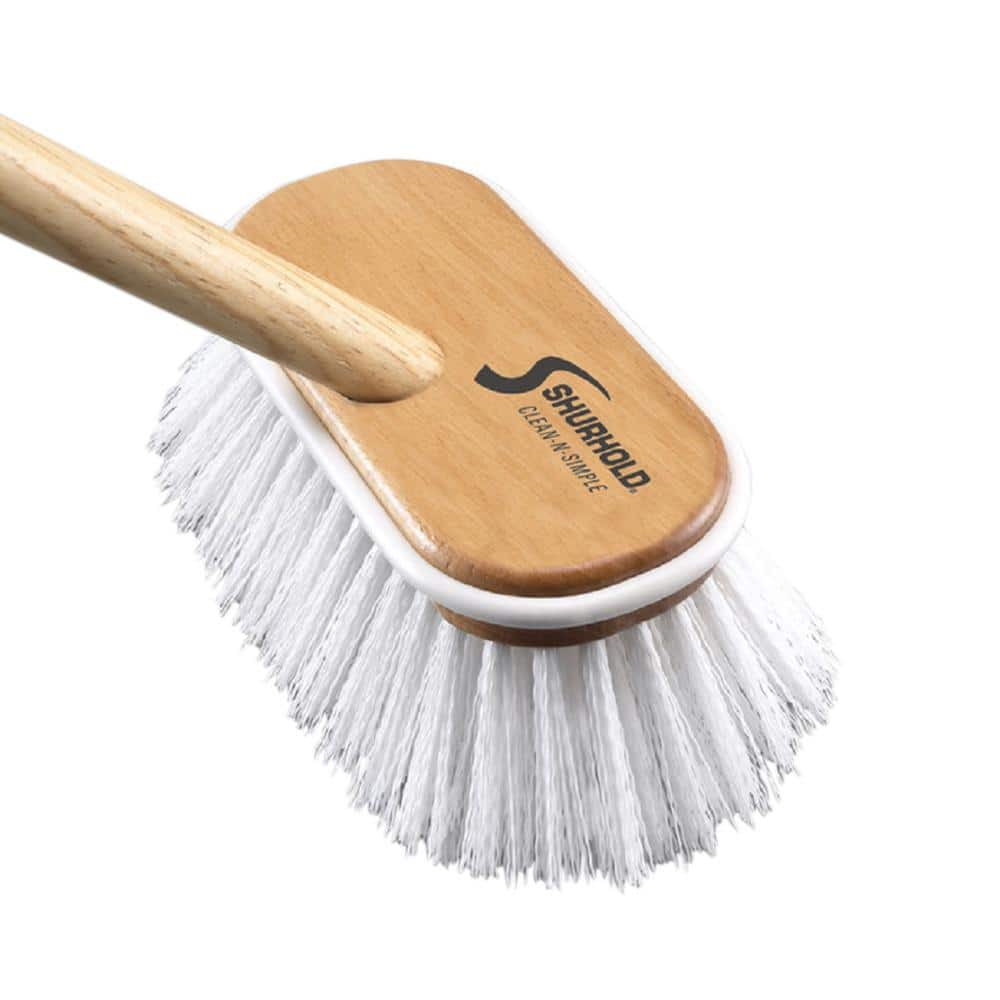
Shurhold 6 in. Marine Mate Stiff Brush with Handle 1950
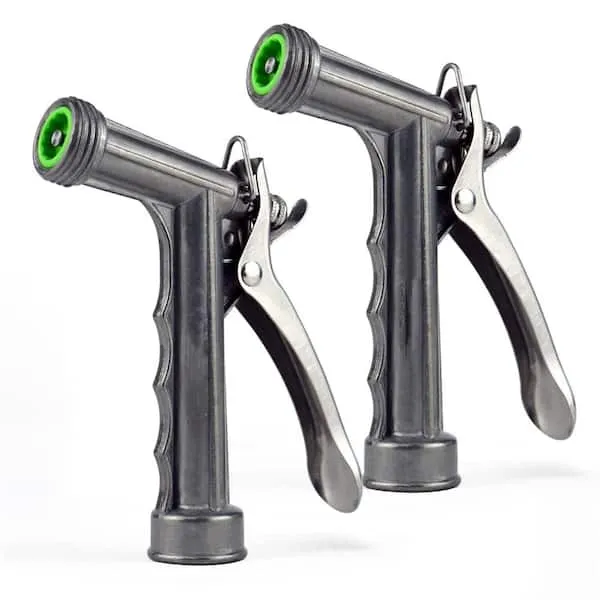
Hose with high-pressure nozzle
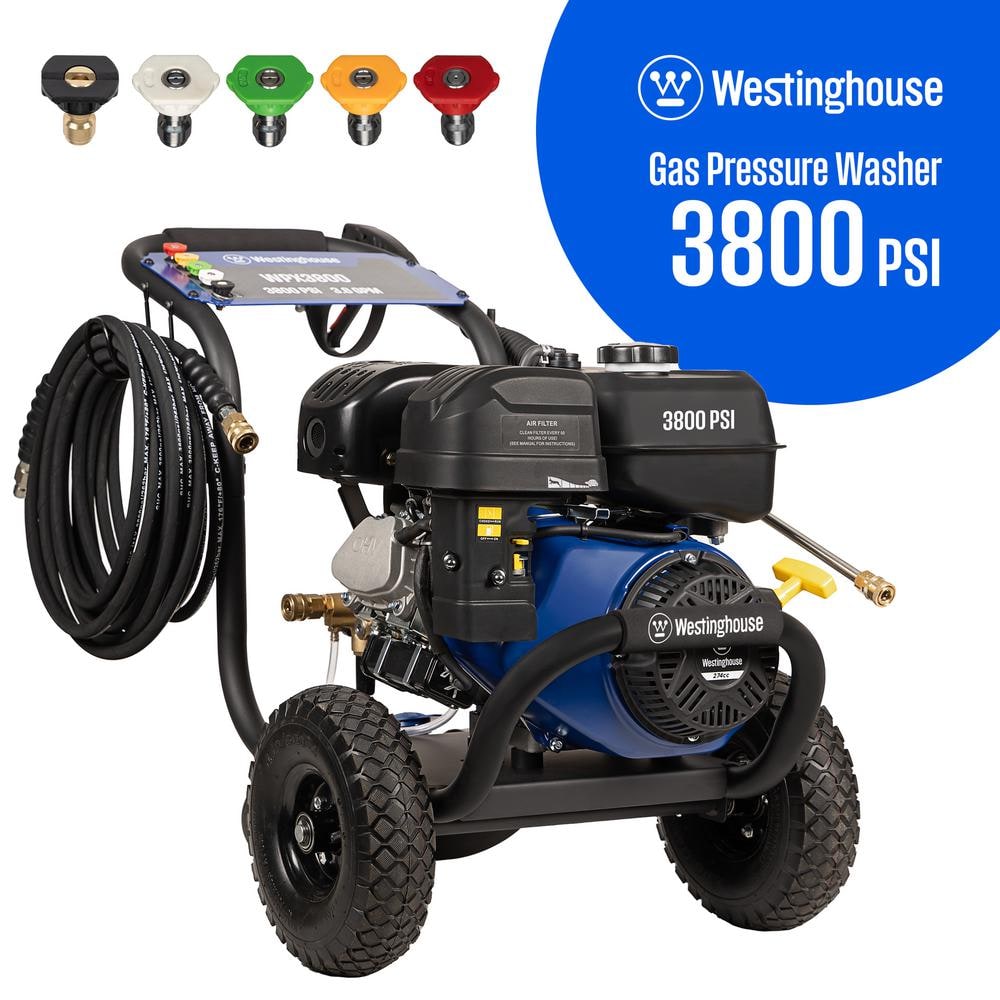
Westinghouse WPX 3800 psi 3.6 GPM 274cc Cold Water Gas Powered Triplex Pump Pressure Washer with 5 Quick Connect Nozzles WPX3800

Safety Glasses
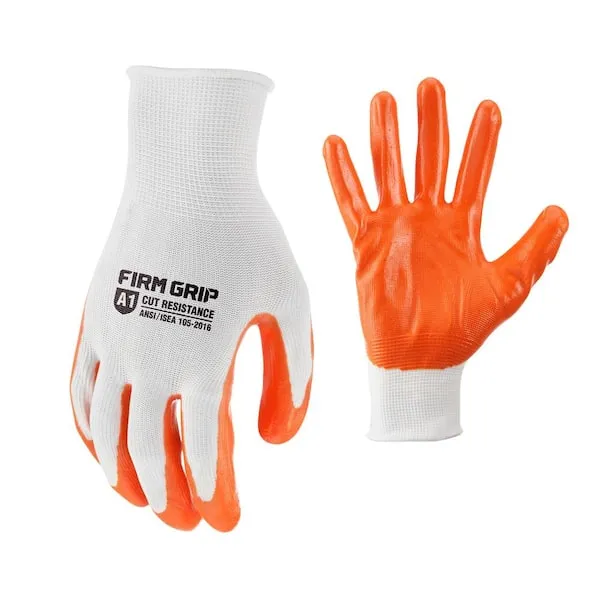
Work Gloves
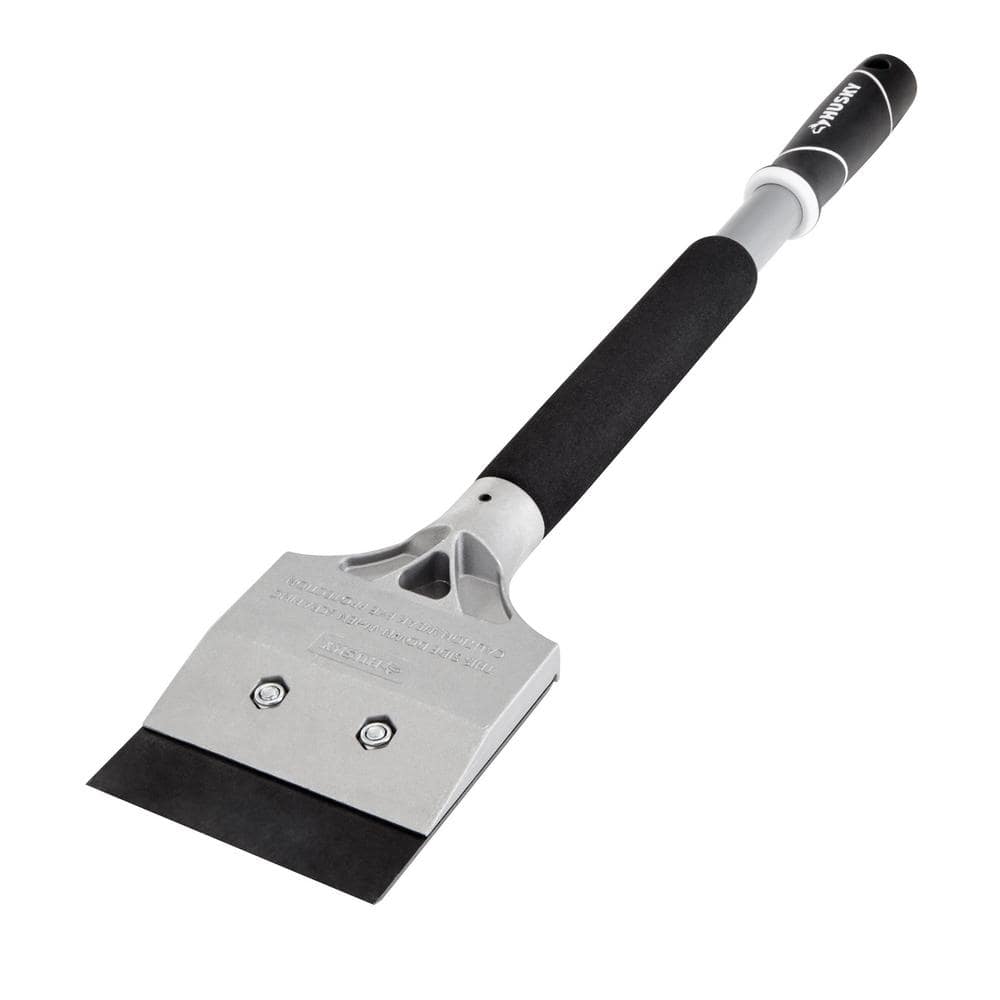
Husky 4 in. Heavy-Duty Floor Paint Scraper with Handle 17PT0102
Shurhold 6 in. Marine Mate Stiff Brush with Handle 1950
This abrasive 6 in. (15 cm) stiff brush includes a 48 in. (122 cm) threaded wood handle. The strong bristles are strong enough to withstand most solvents, acids and alkalis. It's great for scrubbing teak
Hose with high-pressure nozzle
Powerful water spray at your fingertips.
Westinghouse WPX 3800 psi 3.6 GPM 274cc Cold Water Gas Powered Triplex Pump Pressure Washer with 5 Quick Connect Nozzles WPX3800
The Westinghouse WPX3800 274 CC 3800 PSI 3.6 Gal. per minute gas powered pressure washer has the muscle to blast away grime from even your toughest cleaning jobs. Built from a powerful 4-Stroke OHV Westinghouse
Safety Glasses
Keeps eyes safe from potential hazards.
Work Gloves
Protects hands during tasks.
Husky 4 in. Heavy-Duty Floor Paint Scraper with Handle 17PT0102
The Husky 4 in. Heavy-Duty Floor Scraper features a 4 in. x 4 in. double-edged blade ideal for removing debris and build-up for various surfaces. When the blade gets dull on one edge, it can be conveniently
Steps

Clean the Steps
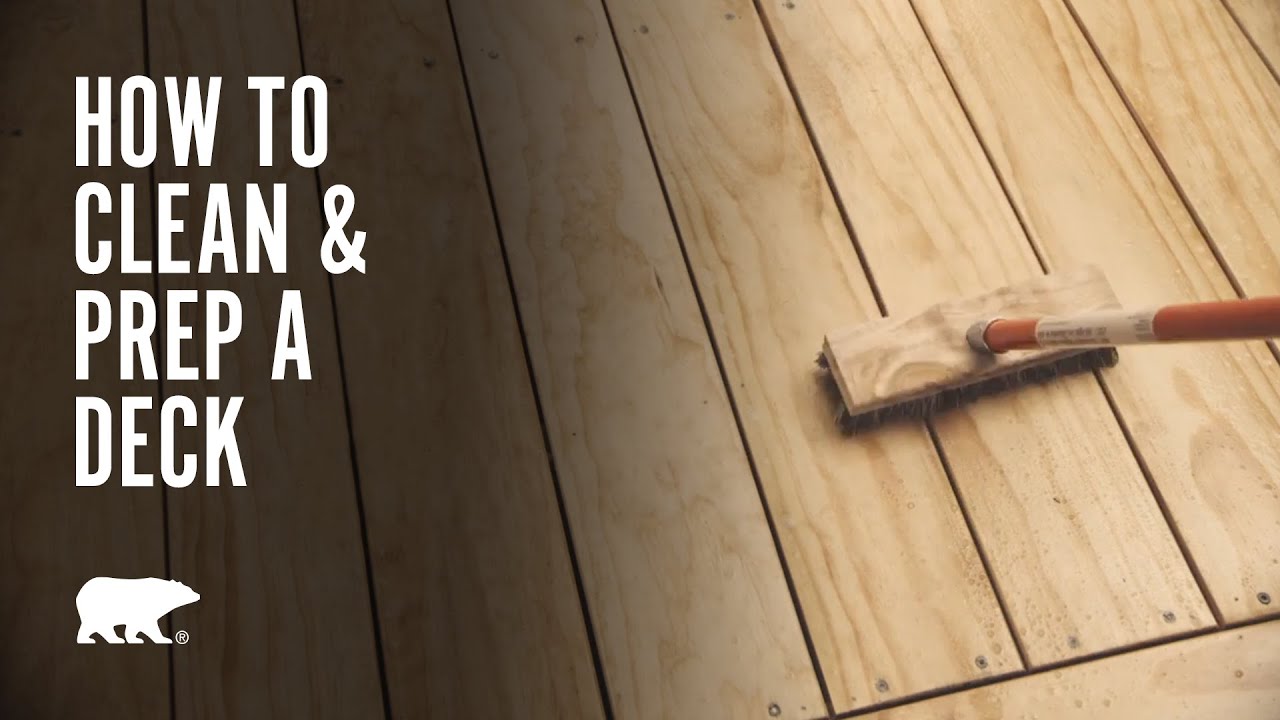
60 minutesSweep or blow away loose debris. Use a stiff brush and a cleaning solution (e.g., TSP substitute or a strong detergent mixed with water) to scrub away any embedded dirt, oil, or mildew. Rinse the steps thoroughly with a hose and allow them to dry completely. For stubborn stains or mildew, a pressure washer can be used on a low setting, being careful not to damage the wood or concrete.
Watch: Rinse and Dry Stairs
Prepare the Surface
120 minutesInspect the steps for any cracks, holes, or loose boards. For concrete steps, fill cracks and holes with a concrete patching compound, following the manufacturer's instructions. For wooden steps, replace any rotten or damaged boards and secure any loose ones. Sand down any rough or splintered areas using medium-grit sandpaper (around 80-grit) to create a smooth surface. If there is old, peeling paint, scrape it away with a paint scraper and sand the edges smooth. For a smoother finish, especially on concrete, consider using a concrete degreaser if there are oil stains, and then rinse thoroughly.
Watch: Inspect and Scrape Loose Material
Prime the Surface
45 minutesApply a high-quality exterior primer suitable for the step material (e.g., concrete or wood). Use a brush for edges and corners and a roller for larger flat areas. Ensure even coverage and allow the primer to dry completely according to the manufacturer's instructions. This step is crucial for good paint adhesion and durability, especially if the steps are bare or have been sanded down to the base material.
Watch: Apply Oil-Based Primer
Apply Anti-Slip Paint
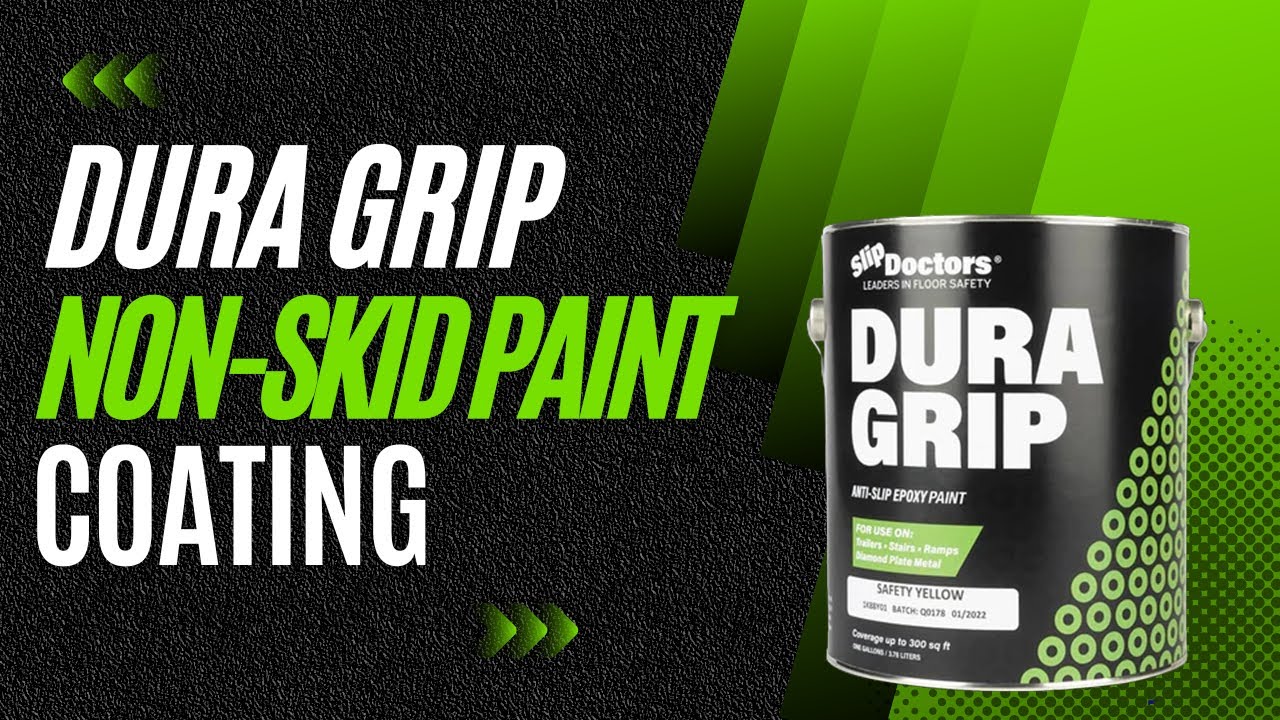
90 minutesStir the anti-slip porch paint thoroughly before and during application. Using a brush for edges and a roller for the main surfaces, apply a thin, even coat of paint. Work in manageable sections, ensuring to maintain a wet edge to avoid lap marks. Pay attention to the texture of the paint, which typically contains aggregate for grip. Allow the first coat to dry completely according to the paint manufacturer's recommendations, which is usually several hours but can be longer depending on temperature and humidity.
Watch: Apply Anti-Skid Paint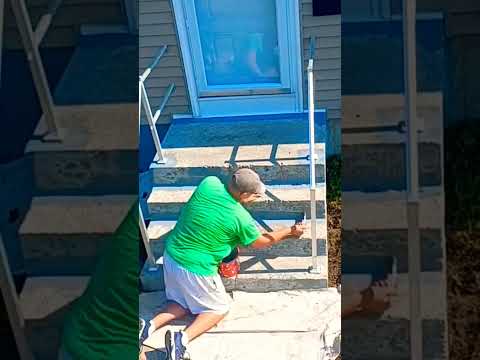
Apply Second Coat of Paint
90 minutesOnce the first coat of anti-slip paint is completely dry to the touch and cured according to the manufacturer's instructions (this may take several hours), apply the second coat. Use the same technique as the first coat, ensuring even application and coverage. This second coat is essential for achieving the full protective benefits and desired anti-slip texture. Allow the final coat to dry thoroughly before allowing foot traffic.
Watch: Apply Second Coat of Non-Slip Paint
Clean Up
30 minutesClean all paint brushes, rollers, and trays immediately after use with the appropriate solvent (usually water for latex-based paints, or mineral spirits for oil-based paints). Dispose of any used rags or paper towels properly. Sweep up any remaining dust or debris from the work area. Store any leftover paint according to the manufacturer's instructions.
Watch: Clean UpFrequently Asked Questions
Do I absolutely need a high-powered pressure washer for cleaning, or can I just scrub the steps manually?
While manual scrubbing with the Shurhold 6 in. Marine Mate Stiff Brush and Klean-Strip Liquid Concrete Degreaser is an option, a pressure washer like the Westinghouse WPX 3800 psi significantly enhances cleaning efficiency. It ensures the removal of embedded dirt, loose paint, and grime, creating a superior surface for the DAICH Textured Bonding Primer and BEHR PREMIUM anti-slip paint to adhere to, which is crucial for durability.
What are the most important safety precautions to take when using the pressure washer and chemical degreaser?
Always wear appropriate personal protective equipment (PPE), including safety glasses, chemical-resistant gloves, and closed-toe shoes when operating the Westinghouse pressure washer or handling Klean-Strip Liquid Concrete Degreaser. Ensure adequate ventilation, especially in basement areas, and keep children and pets away from the work zone during chemical application and pressure washing to prevent accidental exposure.
Why does a 'beginner' project like anti-slip steps take two full days, and what factors might extend this timeframe?
The 2-day estimate accounts for crucial drying and curing times for each layer: degreasing, patching (with Quikrete or PC-Lumber Putty), priming, and applying two coats of BEHR PREMIUM anti-slip paint. High humidity, low temperatures, or extensive repairs that require longer setting times for patching compounds can all extend the project duration. Rushing these steps will compromise the final finish and durability.
What's the most common mistake DIYers make when applying anti-slip paint, and how can I avoid it?
The most common mistake is inadequate surface preparation, which leads to poor adhesion and premature peeling of the paint. To avoid this, thoroughly clean the steps with Klean-Strip Degreaser, pressure wash all debris, fill and sand all cracks and imperfections using Quikrete and PC-Lumber Putty, and apply DAICH Bonding Primer as directed. A clean, smooth, and primed surface is key to a long-lasting finish.
Can I use standard outdoor patio paint instead of the specific BEHR PREMIUM anti-slip paint listed?
While you could technically use other outdoor paints, the specified BEHR PREMIUM 1 gal. #420C-2 Textured Low-Lustre Enamel is designed with integrated anti-slip properties, significantly enhancing safety. Standard paints may become slick when wet or icy, defeating the primary purpose of this project. For optimal safety and durability, using the recommended anti-slip product is highly advised.
When should I use Quikrete Concrete Patching Compound versus PC-Lumber Putty Epoxy for repairs?
Use Quikrete 1 Qt. Concrete Patching Compound for larger cracks, spalls, and uneven areas in concrete steps, as it's formulated for robust concrete repair. PC Products 2 oz. PC-Lumber Putty Epoxy is best suited for smaller chips, divots, or repairing wooden step components where strong adhesion and sandability are required. Always ensure patches are fully cured and sanded smooth before priming.