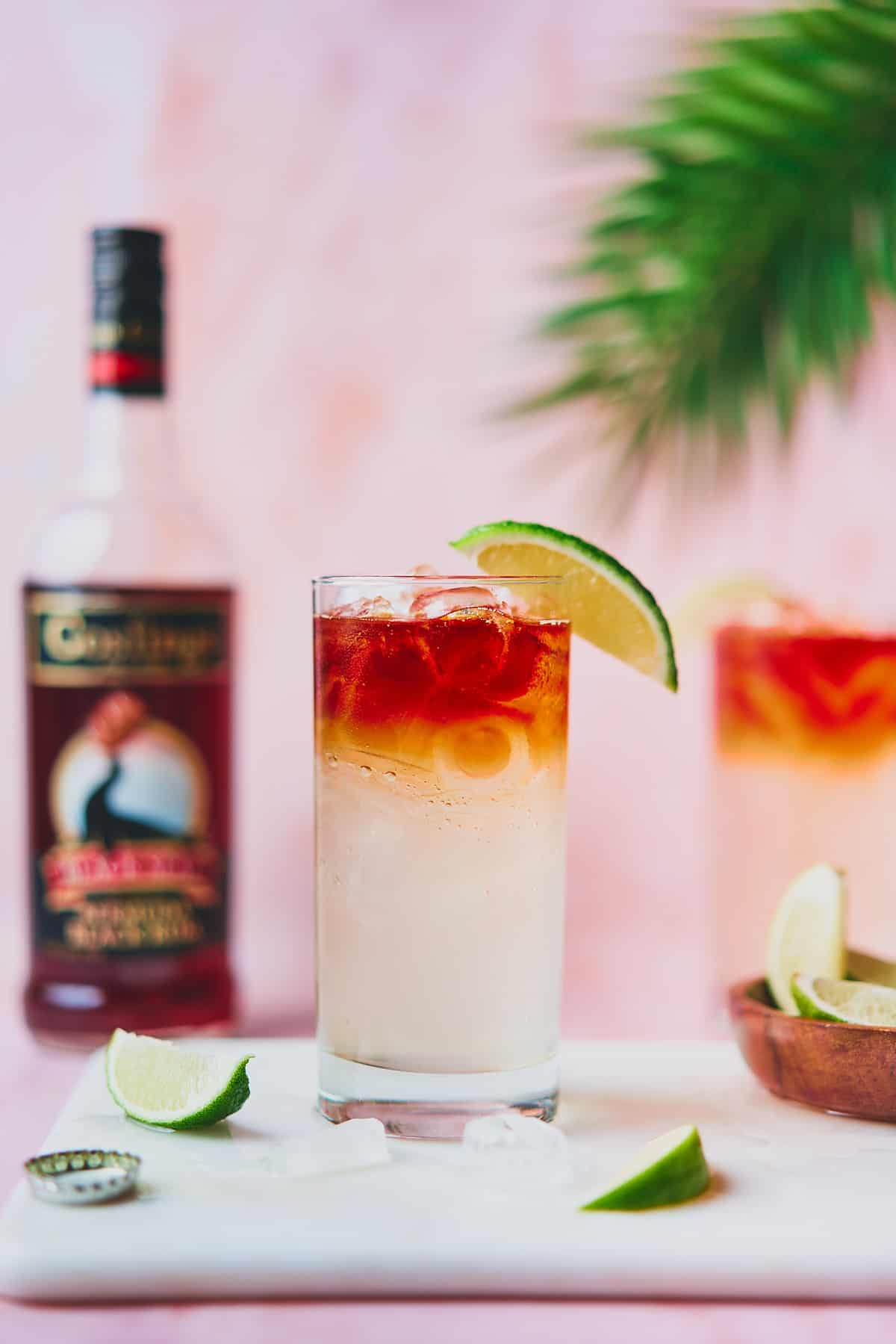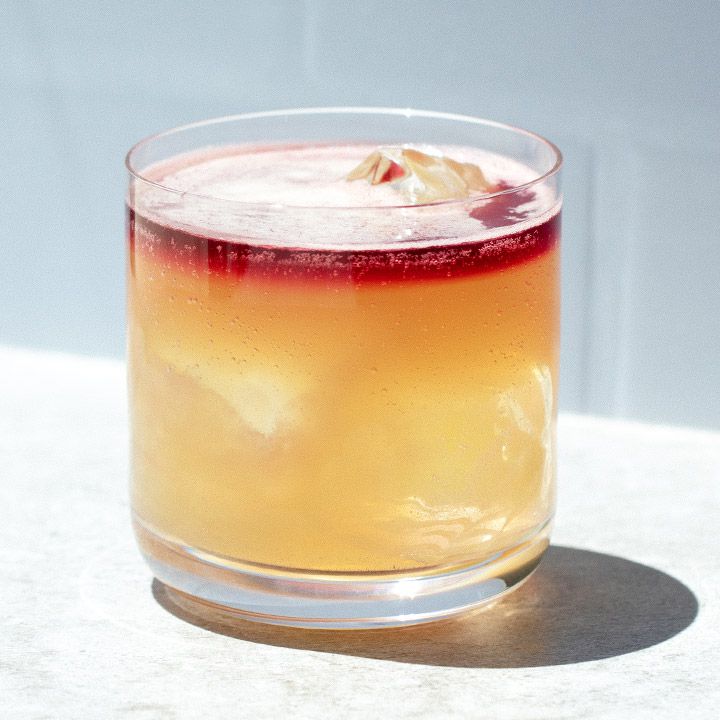
Whiskey Sour (with bitters float variation)
About This Project
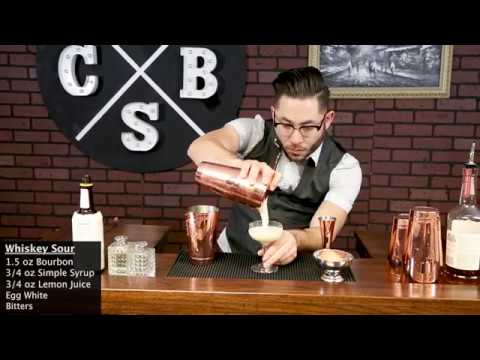
1. **Combine Ingredients:** In a cocktail shaker, combine 2 oz bourbon whiskey, lemon juice, and simple syrup. 2. **Shake with Ice:** Add ice to the shaker and shake vigorously for 15-20 seconds. 3. **Strain and Serve:** Strain the cocktail into a chilled rocks glass filled with ice. 4. **Add Bitters Float:** Gently float a few dashes of Angostura bitters on top of the drink.
Best for homeowners and DIY enthusiasts.
Tools & Materials

Cocktail Bitters Sampler
Cachaca
Bourbon whiskey
Lemon
Simple syrup
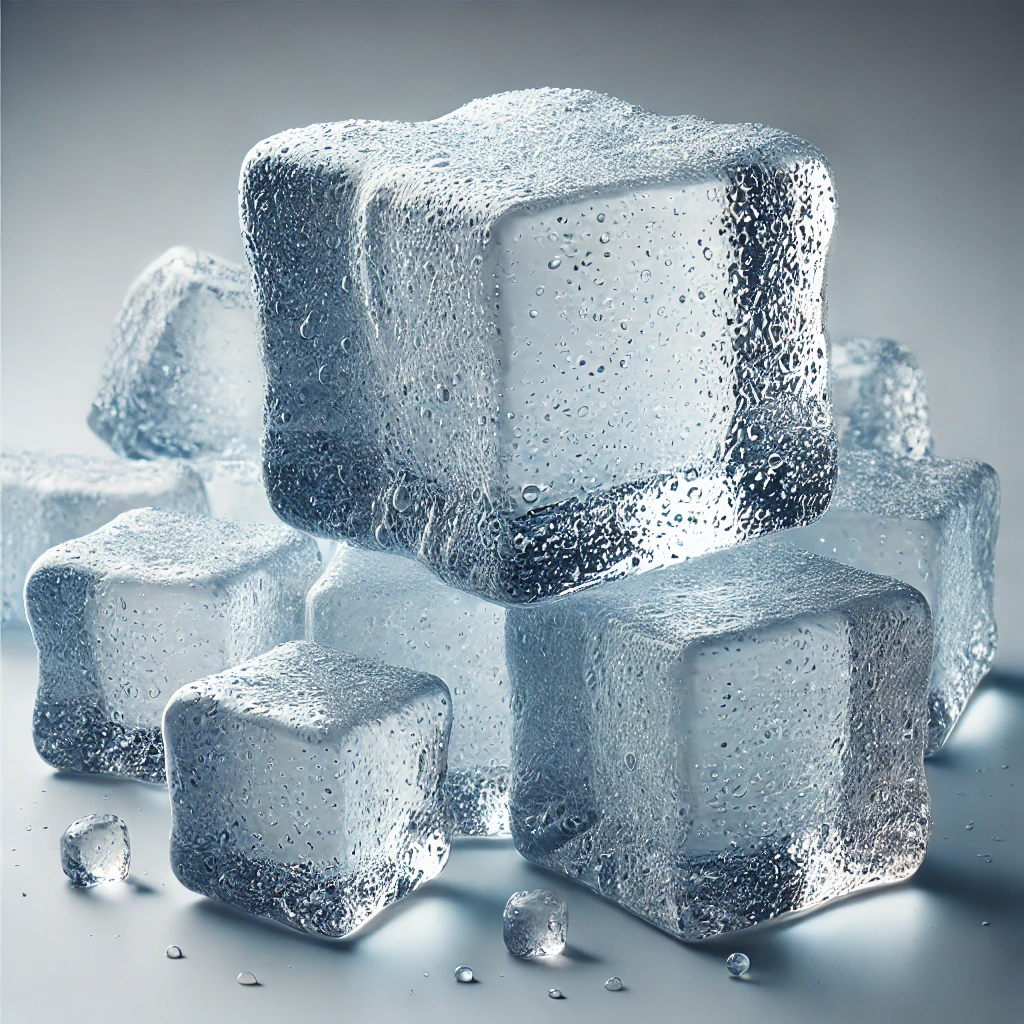
Ice cubes
Cocktail Bitters Sampler
<p><meta charset="utf-8"><strong><span data-mce-fragment="1">Brand New Look, Same Great Sets!</span></strong></p> <p><span data-mce-fragment="1">Whether you just can’t decide what flavor to take home or are looking for the perfect gift for the cocktail lover in your life, our sample-sized sets are a great introduction to The Bitter Housewife line of craft cocktail bitters.</span><br data-mce-fragment="1"><br data-mce-fragment="1"><b data-mce-fragment="1">The Classic Set</b><span data-mce-fragment="1"> features our most classic bitters flavors that generally pair best with dark, aged, or smoky spirits like Bourbon, Whiskey, Scotch, Aged Rum, and Mezcal. They’ll bring new life to classic cocktails and take modern drinks to new levels. Includes 30 ml bottles of Barrel Aged Bitters, Aromatic Bitters, and Orange Bitters.</span><br data-mce-fragment="1"><br data-mce-fragment="1"><b data-mce-fragment="1">The Modern Set</b><span data-mce-fragment="1"> features our bright, modern bitters flavors that go best with lighter spirits like Vodka, Gin, Tequila, and Rum. They’ll also perk up a wine spritzer and take your aperitivi to the next level. Includes 30 ml bottles of Grapefruit Bitters, Cardamom Bitters, and Lime Coriander Bitters.</span></p>
Cachaca
cachaca
Bourbon whiskey
bourbon whiskey
Lemon
lemon
Simple syrup
simple syrup
Ice cubes
ice cubes
Steps



Common Problems
After mixing, the whiskey sour tastes either overwhelmingly sour, overly sweet, or too strongly alcoholic, not a balanced blend. This is a common beginner mistake when eyeballing ingredients or using incorrect measurements.
Solution: If the drink is too sour, add a tiny bit more simple syrup (1/4 oz at a time) and stir gently. If too sweet, add a small squeeze of fresh lemon juice. If too strong, you can add a small splash of water or a bit more ice and stir for a few seconds to dilute slightly, but this is harder to fix once mixed. For the next drink, start over with precise measurements.
Prevention: Always use proper measuring tools like a jigger or measuring spoons. Follow the recipe's exact proportions for bourbon, fresh lemon juice, and simple syrup. Taste your simple syrup beforehand to know its sweetness level and adjust if needed (homemade simple syrup can vary).
When shaking the cocktail, the shaker lid or parts come loose, leading to spills, a messy workspace, and potentially broken glass if the shaker drops. This is a safety hazard and wastes ingredients.
Solution: Immediately stop shaking. If possible, quickly re-secure the lid or parts. Clean up any spilled liquid with a cloth. If glass broke, carefully clear all shards before continuing. Ensure the shaker is completely dry on the outside before re-sealing.
Prevention: Before shaking, firmly press down on the shaker lid (for Boston shakers, ensure a good seal between the two tins). Hold the shaker with both hands, with one hand securing the top and bottom sections together, especially if using a Boston shaker. Always shake away from yourself and others.
After shaking, the whiskey sour isn't as cold as desired, feels watery, or lacks the pleasant frothy texture that a well-shaken sour should have. This often happens from not shaking long enough or using insufficient ice.
Solution: If the drink is already in the glass, it's difficult to re-chill without further dilution. For the next drink, ensure you use plenty of fresh ice in the shaker – fill it about 2/3 to 3/4 full. Shake vigorously and continuously for the full 15-20 seconds (or until the outside of the shaker is frosty cold).
Prevention: Always use fresh, good-quality ice that hasn't been sitting out. Fill your shaker generously with ice. Shake hard and fast for at least 15-20 seconds. Chilling your serving glass beforehand (by placing it in the freezer or filling it with ice water for a few minutes) also helps keep the drink cold longer.
When attempting to float the Angostura bitters on top of the whiskey sour, they immediately sink to the bottom or disperse unevenly, ruining the visual effect.
Solution: Once bitters have sunk, it's impossible to 'un-sink' them. The drink will still taste fine, but the visual effect is lost. For the next attempt, focus on the technique. You can also gently stir them into the drink, which will change the aroma profile slightly.
Prevention: To float bitters successfully, pour them very gently over the back of a spoon, held just above the surface of the drink. The spoon helps to break the surface tension of the liquid, allowing the less dense bitters to rest on top. Use small, quick dashes rather than a continuous pour.
Despite following the recipe, the whiskey sour tastes flat, bland, or has an unpleasant, artificial note. This can be attributed to using old or low-quality ingredients, especially lemon juice or simple syrup.
Solution: If the drink is already made, it's hard to improve the base flavor. For future drinks, discard any pre-bottled lemon juice or simple syrup that tastes artificial or has been open for a long time. Buy fresh, ripe lemons and squeeze juice immediately before mixing. Make simple syrup fresh and store it properly.
Prevention: Always use fresh-squeezed lemon juice – never from a bottle. Make your own simple syrup (equal parts sugar and water, heated until sugar dissolves) which tastes much better than store-bought. Use a good quality bourbon that you enjoy drinking on its own. Freshness is key for delicious cocktails.
Soon after serving, the whiskey sour becomes diluted and watery, losing its intended flavor profile and chill. This usually happens when the ice in the serving glass melts too fast.
Solution: If the drink is already watery, the only real 'fix' is to start over with fresh ingredients and new ice. For the next drink, ensure you use larger, denser ice cubes in the serving glass.
Prevention: Use large, solid ice cubes (like sphere molds or large square cubes) in your serving glass. They melt slower than small, crushed, or hollow ice. Chill your rocks glass in the freezer for at least 15-20 minutes before pouring the drink into it. This keeps the glass colder longer, slowing ice melt.
Frequently Asked Questions
What essential bar tools do I need to make this Whiskey Sour, especially for the bitters float?
You'll primarily need a cocktail shaker, a jigger for precise measurements, and a chilled rocks glass. For the bitters float, a bar spoon or carefully tilting the glass is helpful to gently layer the bitters. A fine-mesh strainer is also crucial for a smooth drink.
The project says 'beginner' and '15 minutes.' Is it really that easy and quick for someone new to cocktails?
Yes, the Whiskey Sour is an excellent beginner cocktail! With simple ingredients and straightforward steps like combining, shaking, and straining, most newcomers can master it quickly. The 15-minute estimate includes gathering ingredients and basic prep, making it a fast and rewarding project.
What are some common mistakes beginners make when preparing a Whiskey Sour, and how can I avoid them?
A common mistake is using pre-bottled lemon juice; always opt for fresh-squeezed for the best flavor. Another error is under-shaking, which doesn't properly chill and dilute the drink. Ensure you shake vigorously for at least 15-20 seconds with plenty of ice for a perfectly balanced and cold cocktail.
How can I ensure the Angostura bitters float properly on top of the drink instead of sinking?
The key to a successful bitters float is a gentle hand and surface tension. Hold a bar spoon upside down just above the drink's surface, or tilt the glass slightly, then slowly dash the bitters onto the back of the spoon, allowing them to gently spread across the top. This prevents them from breaking the surface tension and sinking.
Can I substitute the bourbon or use a different type of sweetener or citrus in this Whiskey Sour recipe?
Absolutely! While bourbon is classic, rye whiskey makes a spicier, drier drink. You can experiment with different simple syrup flavors (e.g., honey syrup or spiced syrup) or use lime juice for a Whiskey Gimlet variation. Just be aware that ingredient changes will alter the classic flavor profile.
Beyond responsible drinking, are there any other safety tips or best practices for preparing cocktails at home?
Always handle glassware carefully to avoid chips or breaks, especially when shaking with ice. Ensure your workspace and tools are clean before and after use to maintain hygiene. Also, make sure ice cubes are solid to prevent shattering during vigorous shaking.