Shower Faucet Valve Replacement: A Step-by-Step DIY Guide
About This Project
1. **Turn Off the Water Supply:** Locate the main water shut-off valve for your house and turn it off completely. Briefly turn on the shower faucet to release any remaining water in the lines. 2. **Remove the Shower Handle and Escutcheon:** Use a screwdriver to remove the screws holding the shower handle and escutcheon plate in place. If there's any caulk or sealant, carefully remove it with a putty knife. 3. **Remove the Old Shower Valve:** Use pliers or an adjustable wrench to loosen and remove the retaining nut or clip that holds the old shower valve in place. Gently pull the old valve out. 4. **Install the New Shower Valve:** Wrap Teflon tape around the threads of the new shower valve to create a watertight seal. Align the new valve and carefully screw it into place, ensuring not to overtighten. 5. **Reassemble and Test for Leaks:** Reinstall the shower handle, escutcheon, and shower head. Turn the water supply back on slowly and check for leaks around all connections. Tighten any loose connections or reapply Teflon tape if needed. Test the shower for several minutes to ensure it functions correctly.
Best for experienced DIYers and homeowners with some experience.
Tools & Materials
Screwdriver
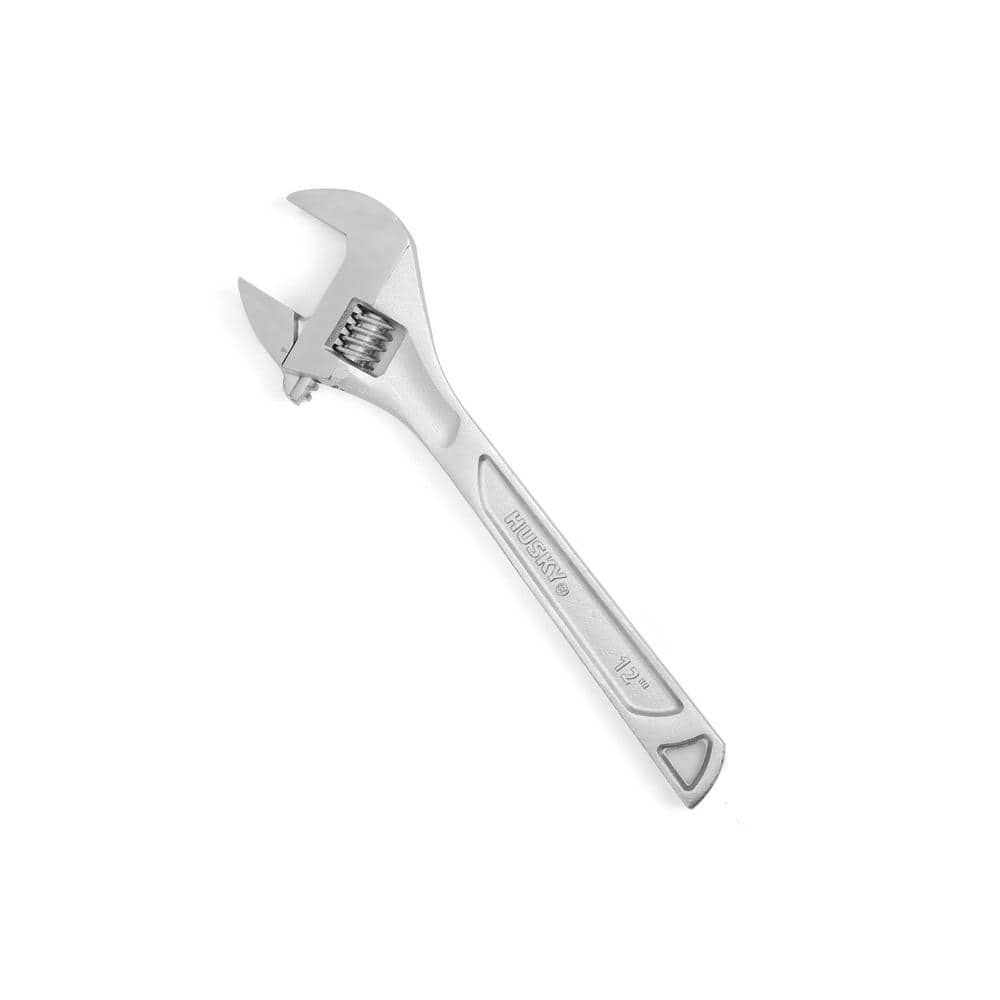
Husky 12 in. Adjustable Wrench 90130
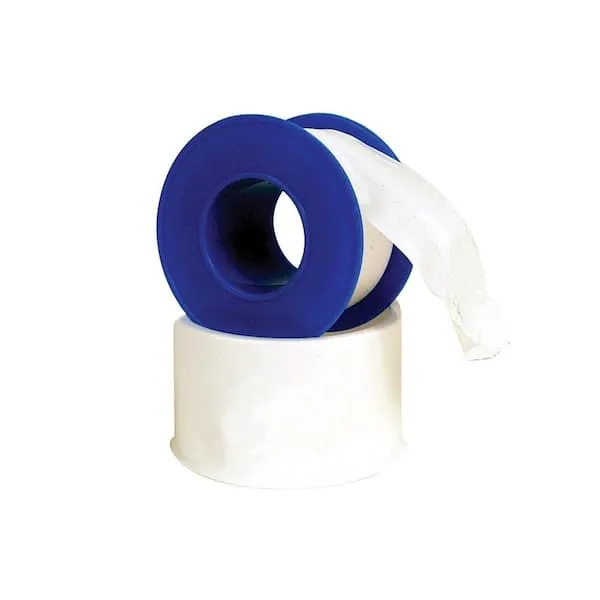
Teflon Tape
Screwdriver
Essential for assembling the cart with screws and installing hardware like gate latches.
Husky 12 in. Adjustable Wrench 90130
The Husky 12-in. Adjustable Wrench features a durable, comfortable handle. A large knurl allows for easy adjustment and a tight-fitting hex jaw design reduces slippage and tightly grips the fastener for
Teflon Tape
Seals pipe threads without leaks.
Steps


Reassemble and Test for Leaks
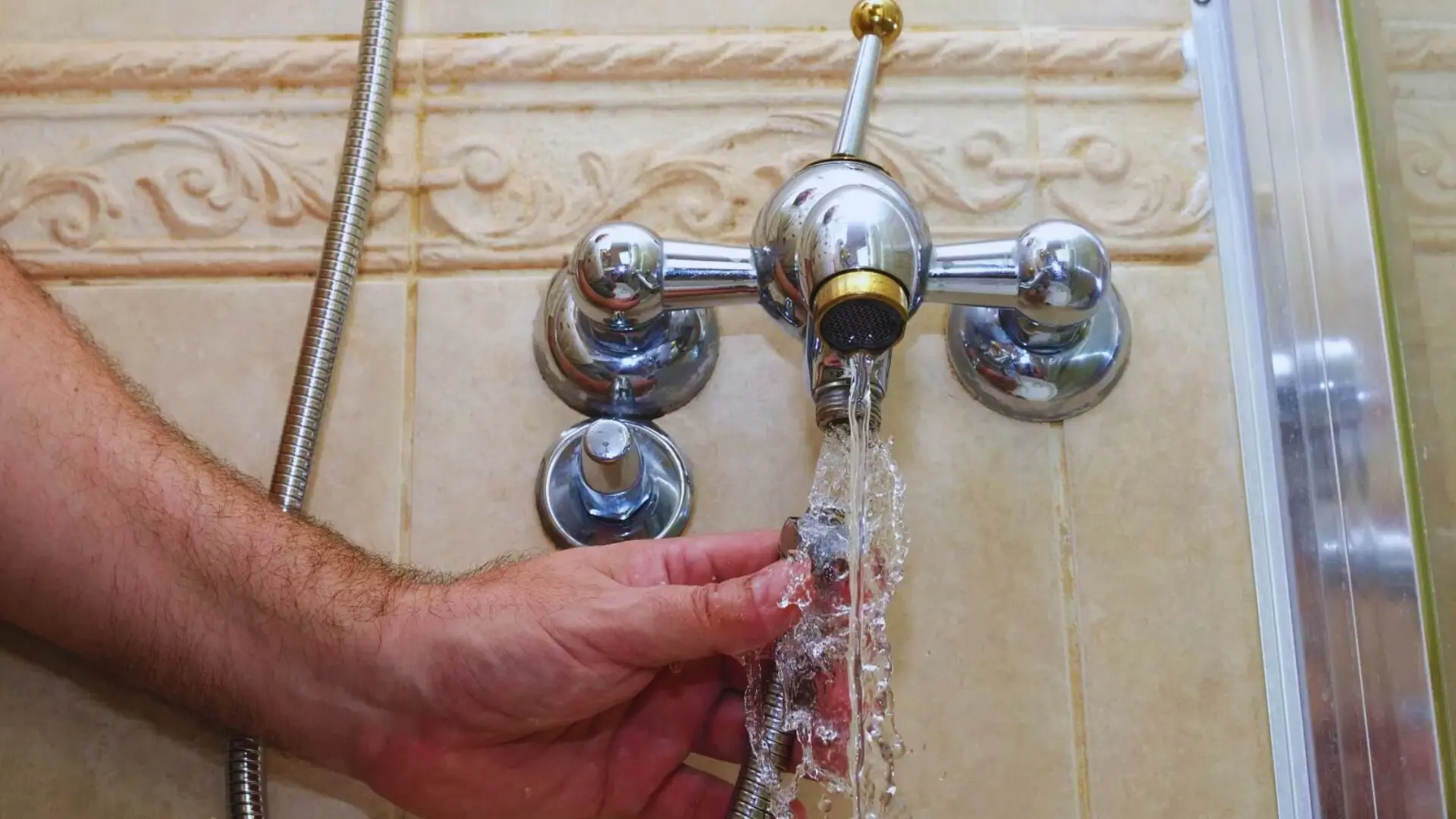
30 minsReinstall the handle, escutcheon, and shower head. Slowly turn the water supply back on, carefully checking all connections for leaks. If leaks persist, tighten connections or reapply Teflon tape as needed. Run the shower for several minutes to fully test.
Watch: Test for LeaksCommon Problems
Overtightened cartridge screws can crack the plastic housing.
Solution: Do not overtighten the screws holding the cartridge, as this could damage the plastic housing.
Do not overtighten the valve, as this can damage the threads or the valve itself.
Solution: To avoid this issue: Be mindful of this warning and take appropriate precautions.
Over-tightening can crack the valve or strip the threads on the tank, leading to a much more difficult and expensive repair.
Solution: To avoid this issue: Be mindful of this warning and take appropriate precautions.
Dropped tools can scratch your tub if not protected.
Solution: Place a towel in the bottom of the tub to prevent dropped tools or parts from scratching the surface.
Use caution with the utility knife to avoid scratching the finish of the plate or the shower surround.
Solution: To avoid this issue: Be mindful of this warning and take appropriate precautions.
Dropped screws vanishing down the drain.
Solution: Place a rag over the drain to catch any dropped screws.
Stuck faucet trim won't budge due to old caulk.
Solution: The chrome sleeve and faceplate may be held on by old caulk. A utility knife or putty knife can be used to carefully break the seal if they are stuck.
Frequently Asked Questions
Do I need special tools beyond a screwdriver and an adjustable wrench for this project?
While a screwdriver and adjustable wrench are the main tools, you might also find a utility knife or putty knife helpful for removing old caulk or sealant around the escutcheon. A sturdy pair of pliers can also be useful for stubborn retaining nuts. Ensure your adjustable wrench is appropriately sized for the valve fittings.
What's the most critical safety step, and what happens if I miss it?
The most critical safety step is correctly turning off the main water supply to your house before starting. Forgetting this will result in a significant and immediate flood as soon as you remove the old valve, leading to potential water damage and a much bigger problem than a simple valve replacement. Always test the shower after turning off the main supply to confirm no water is flowing.
I'm having trouble removing the old shower handle or escutcheon. What should I do?
Old handles and escutcheons can become stuck due to mineral buildup, corrosion, or paint. Try applying a penetrating oil to any visible screws or around the edges of the escutcheon and let it sit for a few minutes. For stubborn escutcheons, gently pry around the edges with a thin putty knife, being careful not to damage the shower wall or tile.
Is 3 hours a realistic time estimate for a beginner, and what factors could make it longer?
Yes, 3 hours is a reasonable estimate for a beginner under ideal circumstances. However, the time can increase if you encounter heavily corroded parts that are difficult to remove, unexpected plumbing configurations, or if you need to make an extra trip to the store for a specific part or tool. Patience and methodical work are key to staying on track.
Why is Teflon tape so important for the new shower valve installation, and what if I forget to use it?
Teflon tape (plumber's tape) is crucial for creating a watertight seal on the threaded connections of the new shower valve, preventing leaks. Forgetting to apply it or not applying it correctly will almost certainly result in slow or immediate leaks around the connections once the water supply is restored, requiring you to disassemble and re-do the step.
What's the approximate cost for a new shower valve, and are all valves interchangeable?
The cost of a new shower valve can range from $30 for basic models to over $100 for higher-end or brand-specific replacements. It's important to note that shower valves are not universally interchangeable; you must ensure the new valve is compatible with your existing shower system or is a direct replacement for the old one to avoid fitment issues.
After reassembling everything and turning the water back on, I still have a small drip from the faucet. What should I check first?
If you have a small drip, first turn off the main water supply again. The most common cause is either insufficient Teflon tape or loose connections. Disassemble the relevant connections, clean the threads, reapply 2-3 layers of Teflon tape clockwise around the threads, and then re-tighten firmly but carefully to avoid overtightening and stripping threads.
/how-to-replace-a-shower-valve-5197461-10_reattach_23668-86d35b214a3849a796f94e0b38fab900.jpg)