Pisco Sour Cocktail Recipe: A Classic Guide
About This Project
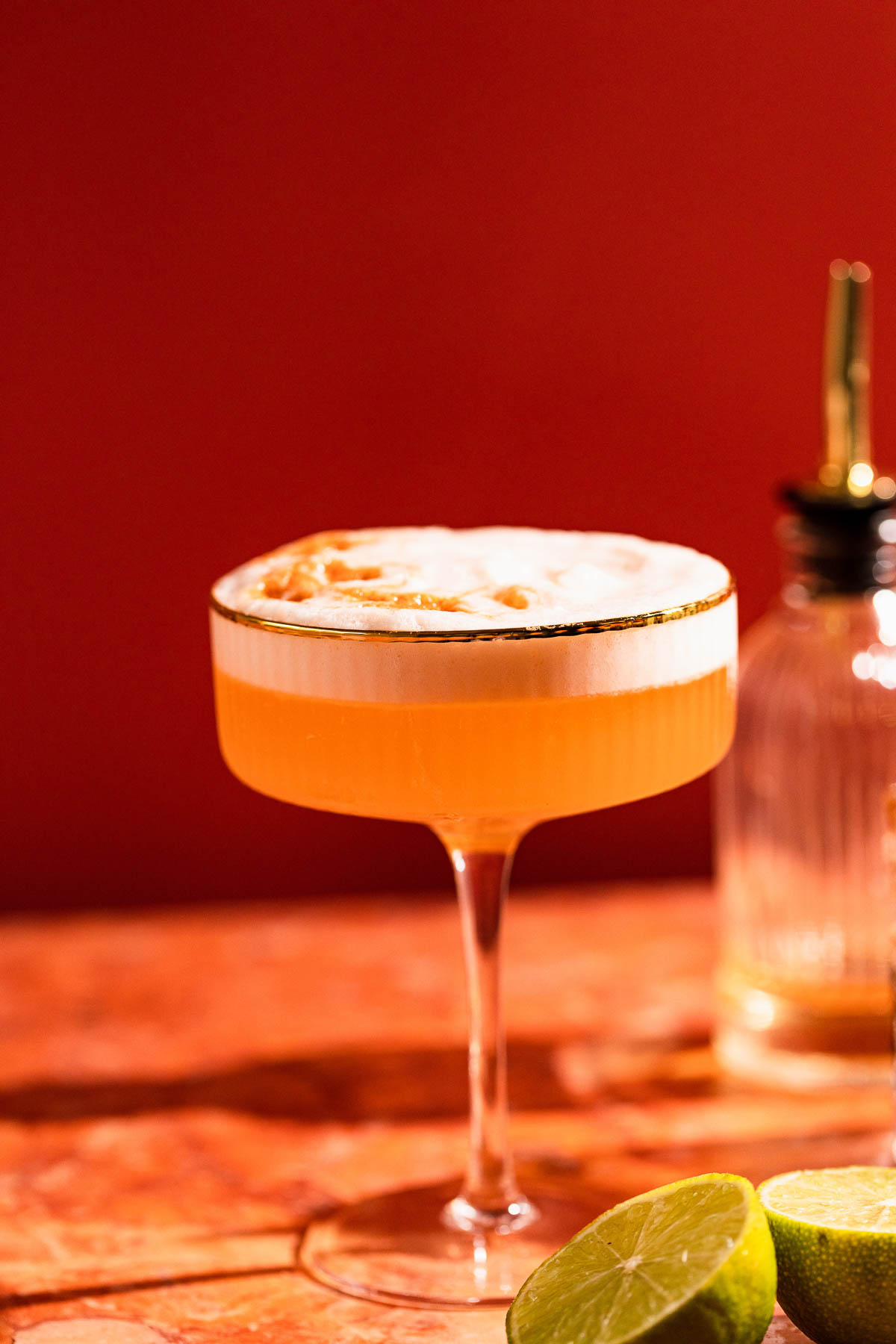
To make a Pisco Sour, combine pisco, lime juice, simple syrup, and egg white in a shaker. Shake without ice, then add ice and shake again. Strain into a glass and garnish with bitters.
Best for homeowners and DIY enthusiasts.
Tools & Materials

Cocktail Bitters Sampler
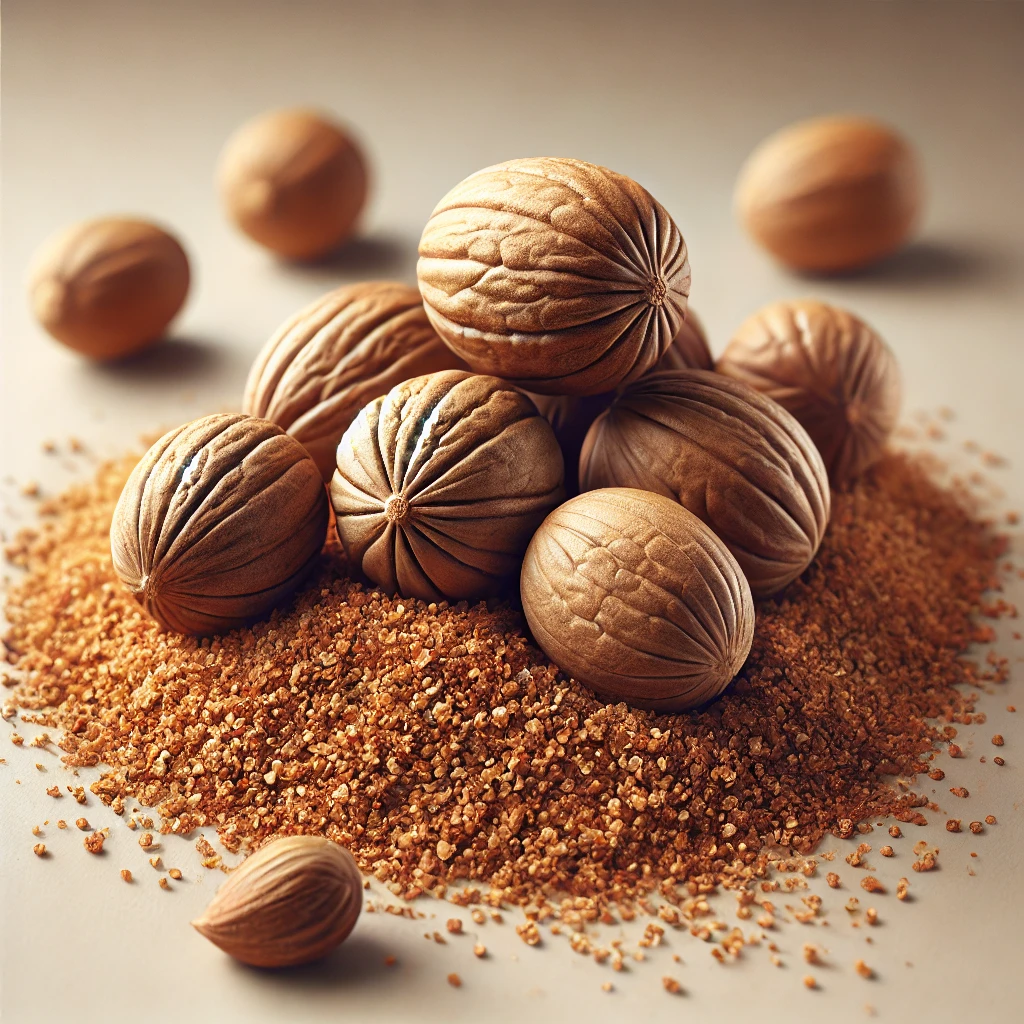
Nutmeg
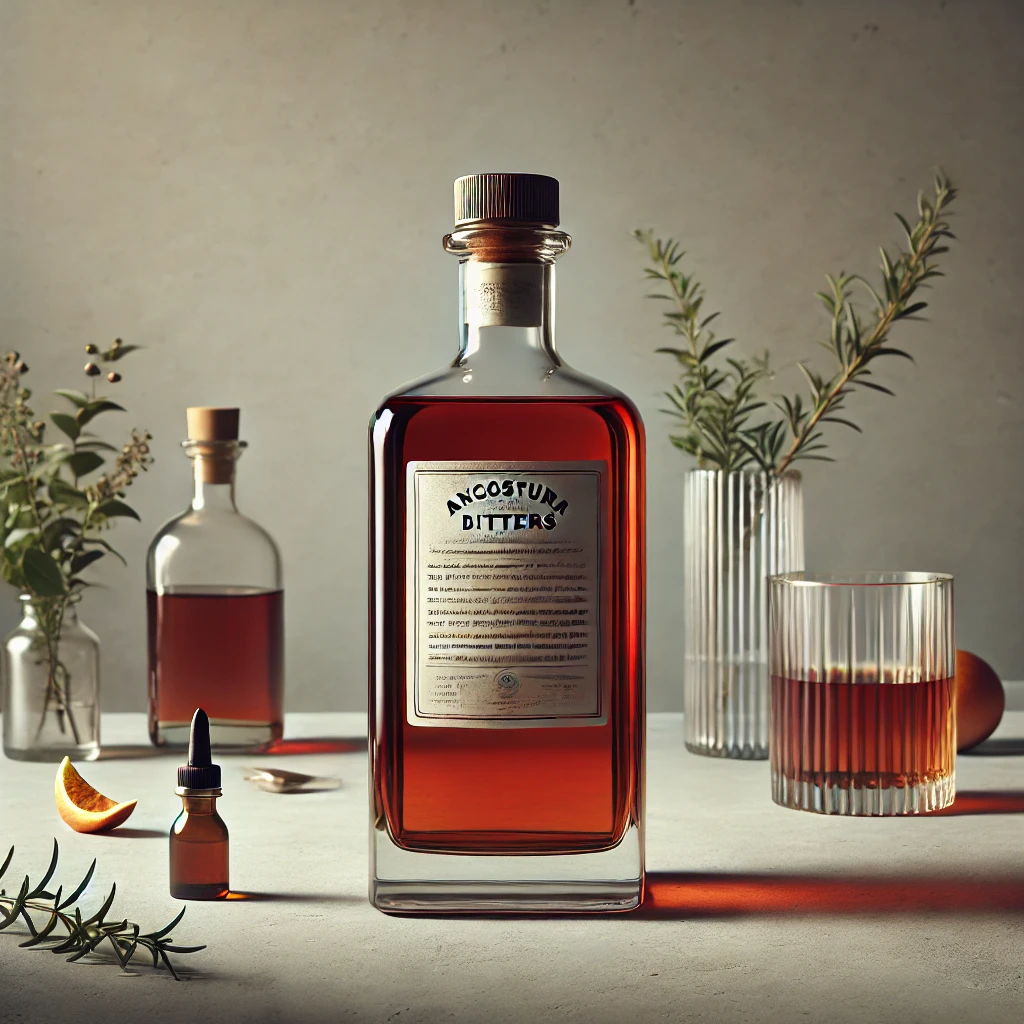
Angostura bitters
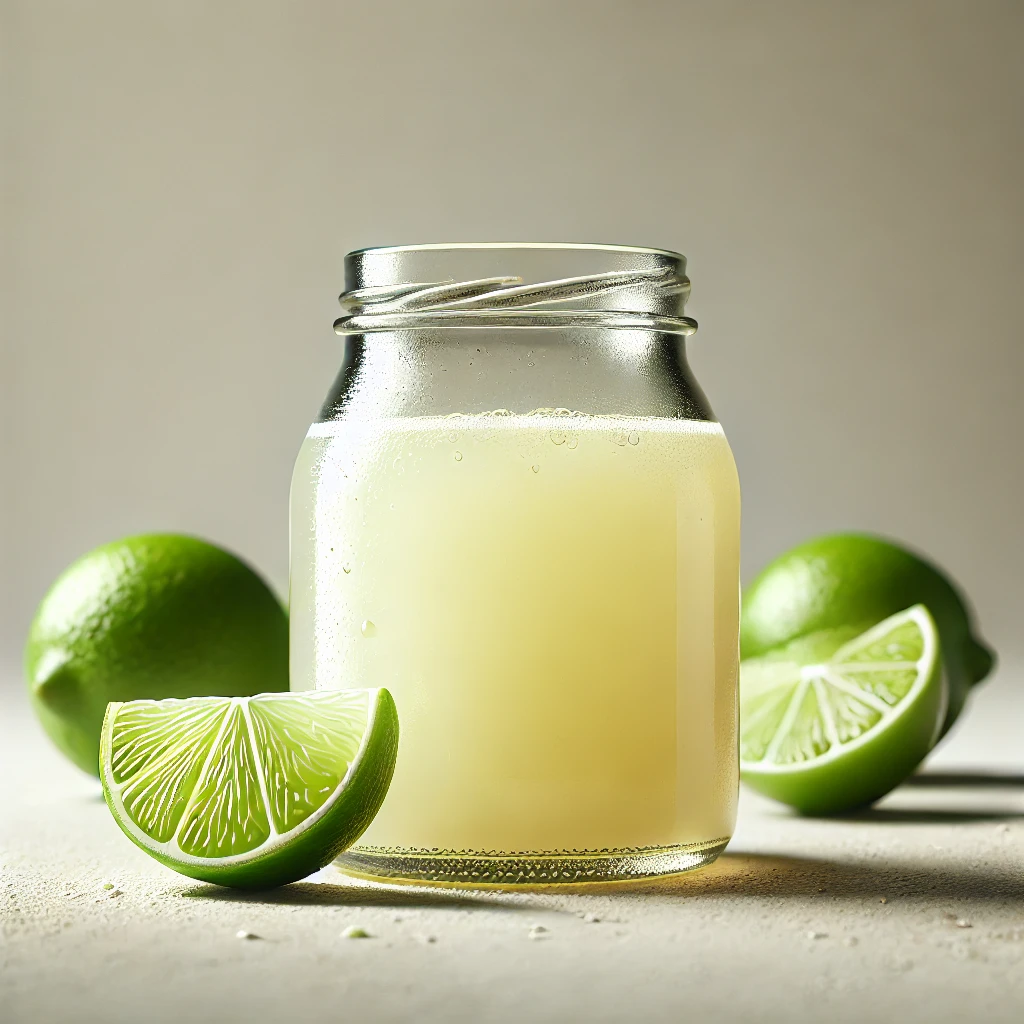
Lime juice
Simple syrup
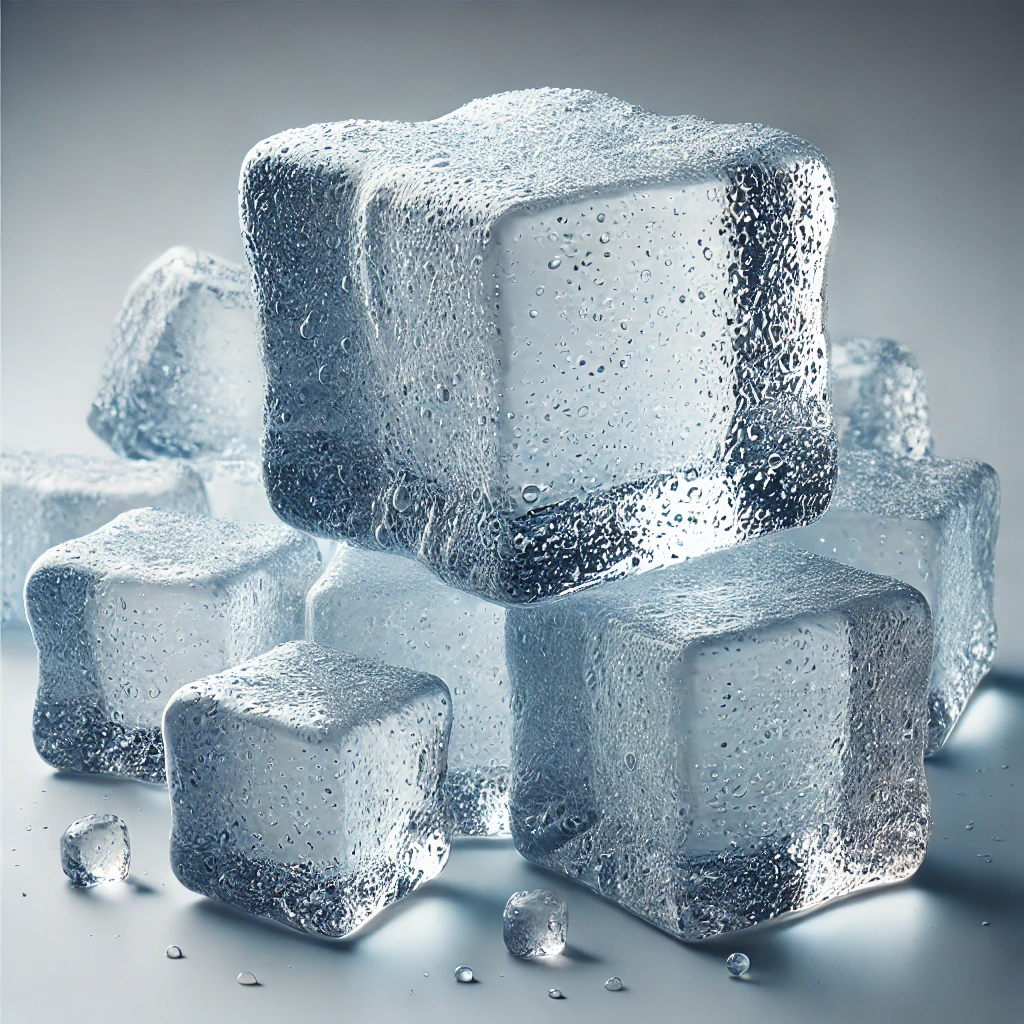
Ice cubes
Cocktail Bitters Sampler
<p><meta charset="utf-8"><strong><span data-mce-fragment="1">Brand New Look, Same Great Sets!</span></strong></p> <p><span data-mce-fragment="1">Whether you just can’t decide what flavor to take home or are looking for the perfect gift for the cocktail lover in your life, our sample-sized sets are a great introduction to The Bitter Housewife line of craft cocktail bitters.</span><br data-mce-fragment="1"><br data-mce-fragment="1"><b data-mce-fragment="1">The Classic Set</b><span data-mce-fragment="1"> features our most classic bitters flavors that generally pair best with dark, aged, or smoky spirits like Bourbon, Whiskey, Scotch, Aged Rum, and Mezcal. They’ll bring new life to classic cocktails and take modern drinks to new levels. Includes 30 ml bottles of Barrel Aged Bitters, Aromatic Bitters, and Orange Bitters.</span><br data-mce-fragment="1"><br data-mce-fragment="1"><b data-mce-fragment="1">The Modern Set</b><span data-mce-fragment="1"> features our bright, modern bitters flavors that go best with lighter spirits like Vodka, Gin, Tequila, and Rum. They’ll also perk up a wine spritzer and take your aperitivi to the next level. Includes 30 ml bottles of Grapefruit Bitters, Cardamom Bitters, and Lime Coriander Bitters.</span></p>
Nutmeg
nutmeg
Angostura bitters
angostura bitters
Lime juice
lime juice
Simple syrup
simple syrup
Ice cubes
ice cubes
Steps



Common Problems
The cocktail doesn't have a thick, frothy foam on top, or the foam quickly disappears.
Solution: If you've already strained the drink, it's hard to add foam back effectively without re-shaking (which can over-dilute). For your next drink, ensure you are dry shaking (without ice) for at least 15-30 seconds very vigorously before adding ice. If the foam is still weak, try adding a tiny bit more egg white (about 1/4 of an egg white) to the mixture and dry shake again before continuing with the wet shake.
Prevention: Always perform a 'dry shake' (shaking without ice) for at least 15-30 seconds to emulsify the egg white and create foam. Use very fresh egg whites, as older eggs may not foam as well. Ensure your shaker is sealed tightly so you can shake vigorously without spills.
The Pisco Sour tastes too watery or diluted.
Solution: Unfortunately, once a cocktail is over-diluted, it's difficult to fully recover. You could try adding a very small amount (e.g., 1/4 oz) of pisco to boost the flavor without adding more liquid. For future drinks, pay close attention to your shaking time.
Prevention: Use plenty of fresh, solid ice cubes for the 'wet shake' (with ice), not ice that's already partially melted. Shake only until the shaker is thoroughly chilled to the touch (usually 10-15 seconds for a pisco sour), not longer. Longer shaking will lead to more ice melting and diluting the drink. Chilling your liquid ingredients beforehand can also reduce the amount of ice melt needed to chill the drink.
Concern about raw egg safety, or a faint 'wet dog' smell from the egg white.
Solution: If you have serious concerns about egg safety (e.g., using an old or cracked egg), it's safest to discard the drink. If it's just a mild 'eggy' smell, ensure you've added a generous amount of Angostura bitters on top, as the aroma of the bitters usually masks any faint egg smell. A longer, colder shake can also help emulsify the egg more thoroughly.
Prevention: Always use very fresh, high-quality eggs. If available, use pasteurized liquid egg whites for extra safety. Crack the egg into a separate small bowl first to check for freshness and ensure no shell gets into your cocktail. Wash the outside of the egg before cracking.
The shaker gets stuck, making it hard to open after shaking.
Solution: If using a two-piece Boston shaker, hold the larger tin firmly and tap the seal where the two tins meet with the heel of your hand. Rotate and tap a few times if necessary. If using a cobbler shaker (with a built-in strainer and cap), try running hot water over the larger tin for a few seconds to expand the metal, then try twisting or pulling apart. Be careful not to burn yourself.
Prevention: Don't overfill the shaker; leave some headspace for the liquid to move. Ensure the shaker tins or lid are firmly, but not excessively, sealed before you start shaking. The cold from the ice creates a vacuum, so a firm seal is important, but over-forceful sealing can make it harder to open.
The cocktail tastes unbalanced (too sour, too sweet, or too strong).
Solution: For the current drink, if it's too sweet, add a tiny splash more fresh lime juice. If it's too sour, add a small dash of simple syrup. If it's too strong, you can add a tiny bit of water, or serve it over a single large ice cube to allow for a little more dilution as you drink.
Prevention: Use a jigger (measuring tool) for precise measurements of all ingredients. Taste your fresh lime juice before mixing; some limes are more acidic than others, so you may need to slightly adjust the amount of simple syrup. Start with the recommended recipe ratios and make small adjustments to your personal preference on future cocktails, keeping notes of what you like.
Bits of ice shards or lime pulp end up in the finished drink.
Solution: While not ideal, a few small bits of ice or pulp won't ruin the drink. For your next cocktail, you can 'double strain.' This means pouring the cocktail from your shaker, through your shaker's built-in strainer or Hawthorne strainer, and then through a separate fine-mesh sieve (like a small tea strainer) held over your serving glass.
Prevention: Always use a proper cocktail strainer (Hawthorne or Julep) with your shaker. To ensure a perfectly smooth drink, double strain using a fine-mesh sieve in addition to your shaker strainer. Avoid shaking extremely aggressively, as this can break ice cubes into smaller, sharper shards.
Frequently Asked Questions
What essential tools do I need beyond the ingredients for a Pisco Sour?
Beyond your pisco, lime juice, simple syrup, and egg white, you'll definitely need a cocktail shaker (ideally a two-piece Boston or Cobbler shaker), a jigger for precise measurements, and a hawthorne or julep strainer. A citrus juicer is also highly recommended for fresh lime juice, which is crucial for the drink's quality.
Is it safe to use raw egg white in a Pisco Sour?
Using fresh, high-quality, pasteurized eggs significantly minimizes any food safety risks associated with raw egg whites. If you're still concerned, you can opt for liquid pasteurized egg whites from a carton or explore using aquafaba (the liquid from a can of chickpeas) as a vegan alternative to achieve a similar foamy texture.
How much does it typically cost to make a Pisco Sour at home, especially for a beginner?
The initial investment will be for a good bottle of pisco (around $25-40) and Angostura bitters ($10-20), plus basic bar tools if you don't have them. Once you have these staples, the cost per cocktail is quite low, primarily for fresh limes and a few cents for an egg, making it much more affordable than buying them at a bar.
My Pisco Sour isn't getting that signature foamy top. What am I doing wrong?
The key to a good foam is a thorough 'dry shake' – shaking all ingredients without ice for 15-20 seconds to emulsify the egg white. Use very fresh egg whites, as older eggs don't foam as well. After the dry shake, add plenty of ice for the 'wet shake' to chill and further set the foam.
Can I use a different spirit if I don't have pisco, or make it non-alcoholic?
While it wouldn't be a true Pisco Sour, you can adapt the recipe to a Whiskey Sour or Gin Sour by substituting the pisco with another spirit. For a non-alcoholic version, replace the pisco with a non-alcoholic spirit alternative, or simply increase the lime juice and simple syrup for a refreshing mocktail, using aquafaba for foam.
As a beginner, how can I ensure my Pisco Sour has the right balance of sweet and sour?
Always start with the recommended proportions of pisco, fresh lime juice, and simple syrup, usually a 3:1:1 or 2:1:1 ratio depending on preference. The quality of your fresh lime juice is paramount; taste and adjust after shaking – if it's too tart, add a touch more simple syrup, or if too sweet, a few extra drops of lime juice.