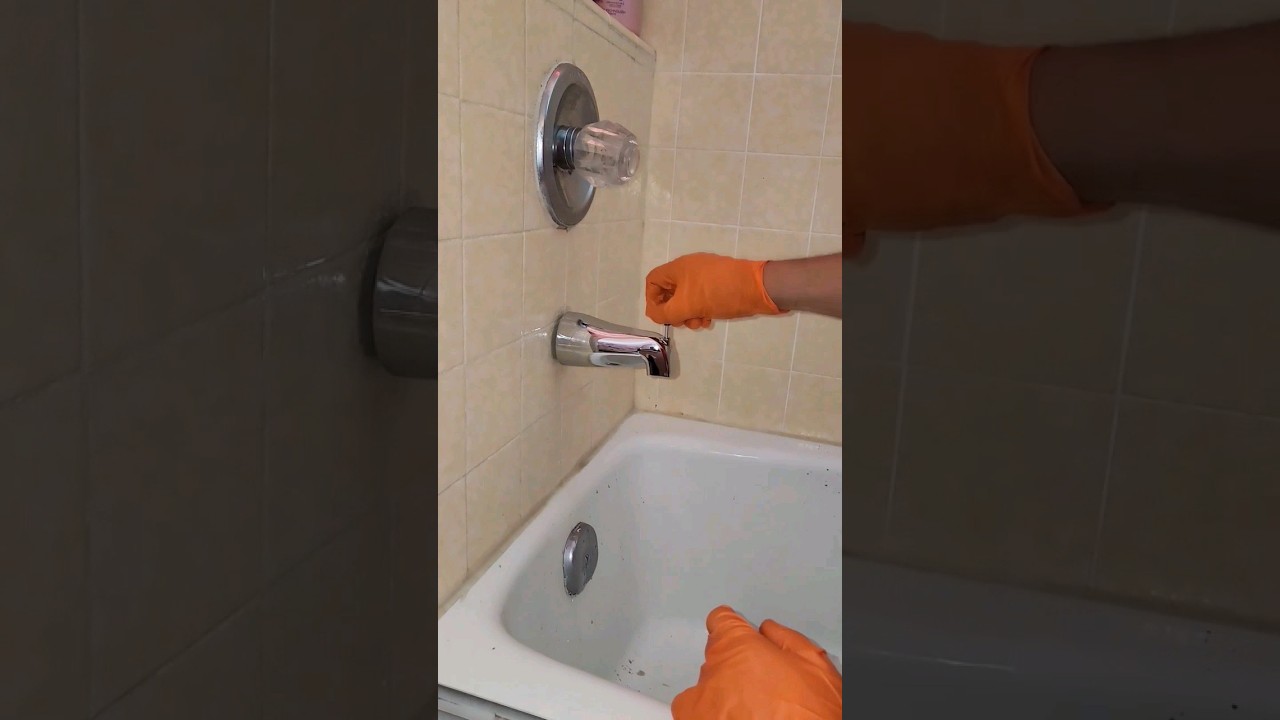
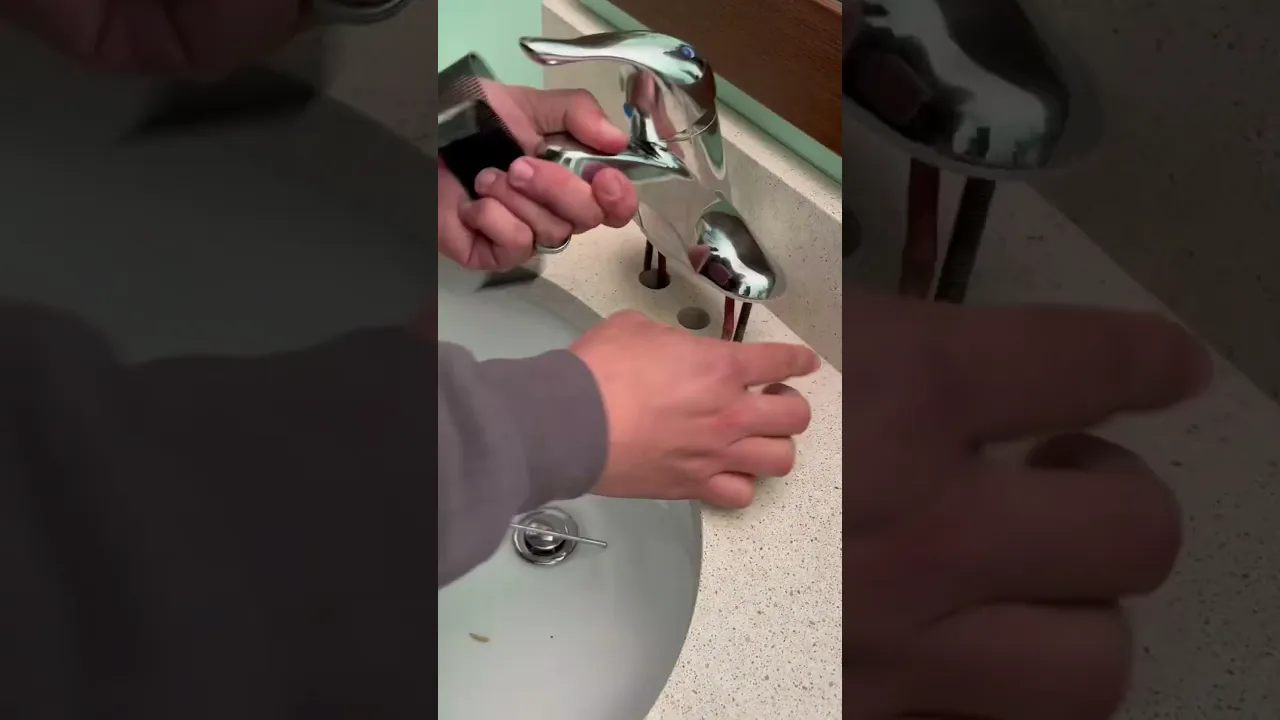
How to Unclog a Bathtub Drain Filled with Hair
About This Project
This guide provides step-by-step instructions for manually removing a hair clog from a bathtub drain. The process involves removing the drain stopper, using a specialized tool to extract the clog, and flushing the drain with natural cleaners and hot water to ensure it is clear. This method avoids the use of harsh chemical drain cleaners which can damage plumbing.
Best for homeowners and DIY enthusiasts with basic plumbing knowledge. Requires KitchenAid Ribbed Soft Silicone Honey Oven Mitt Set (2-Pack) O2013117TDKA A337.
Tools & Materials
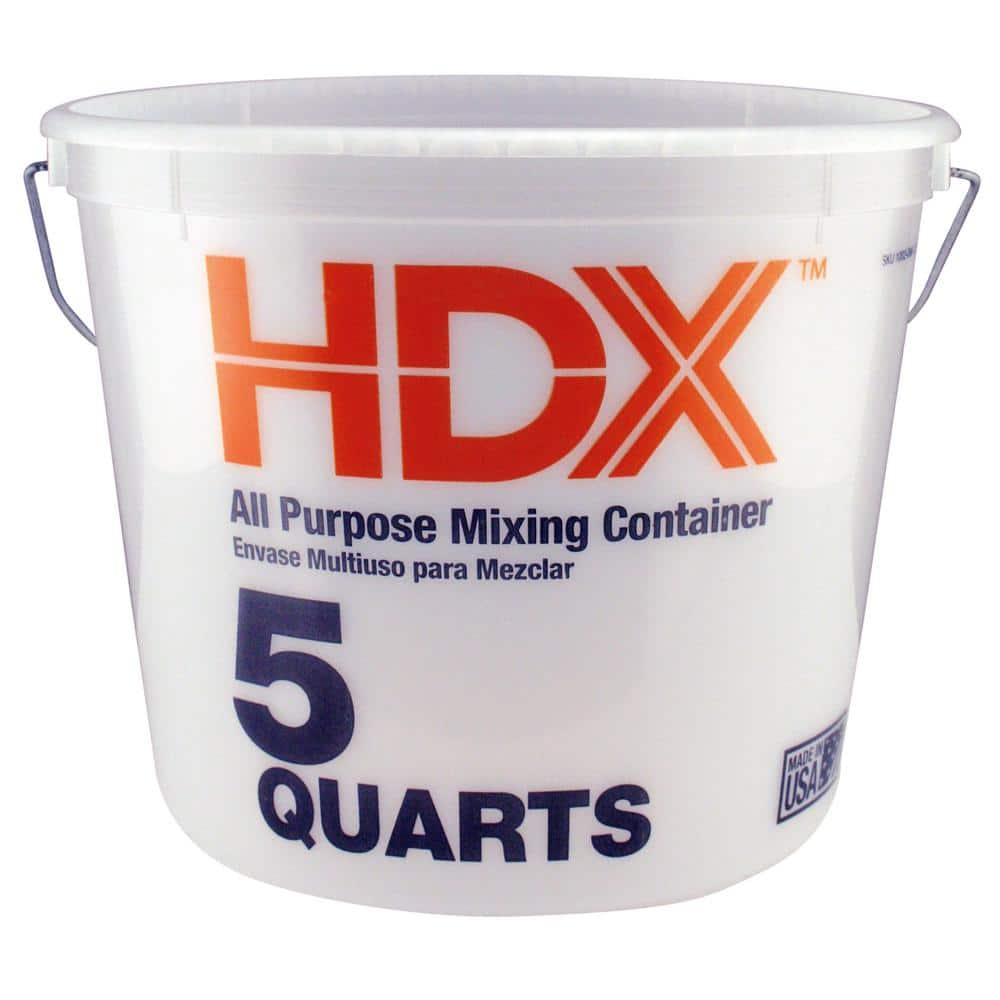
HDX 5 qt. Small Mixing Bucket 05QHDX55024
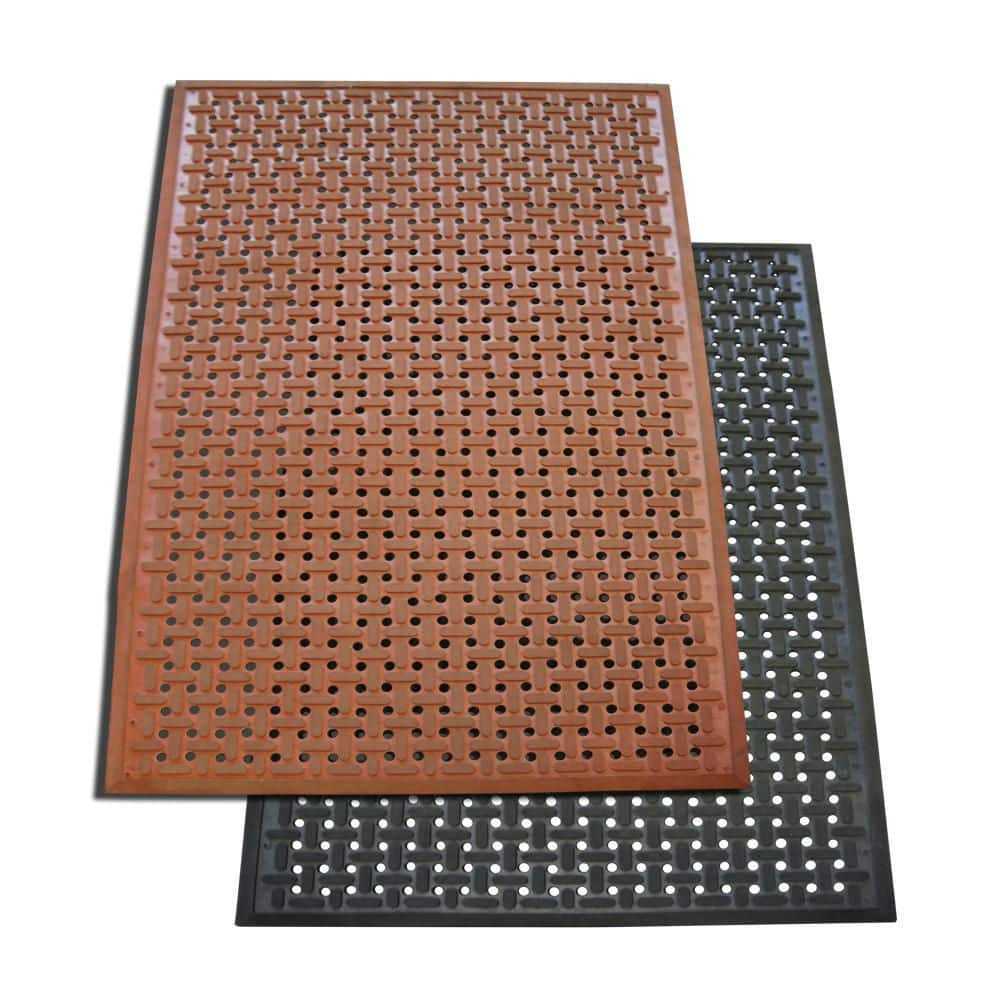
Rubber-Cal
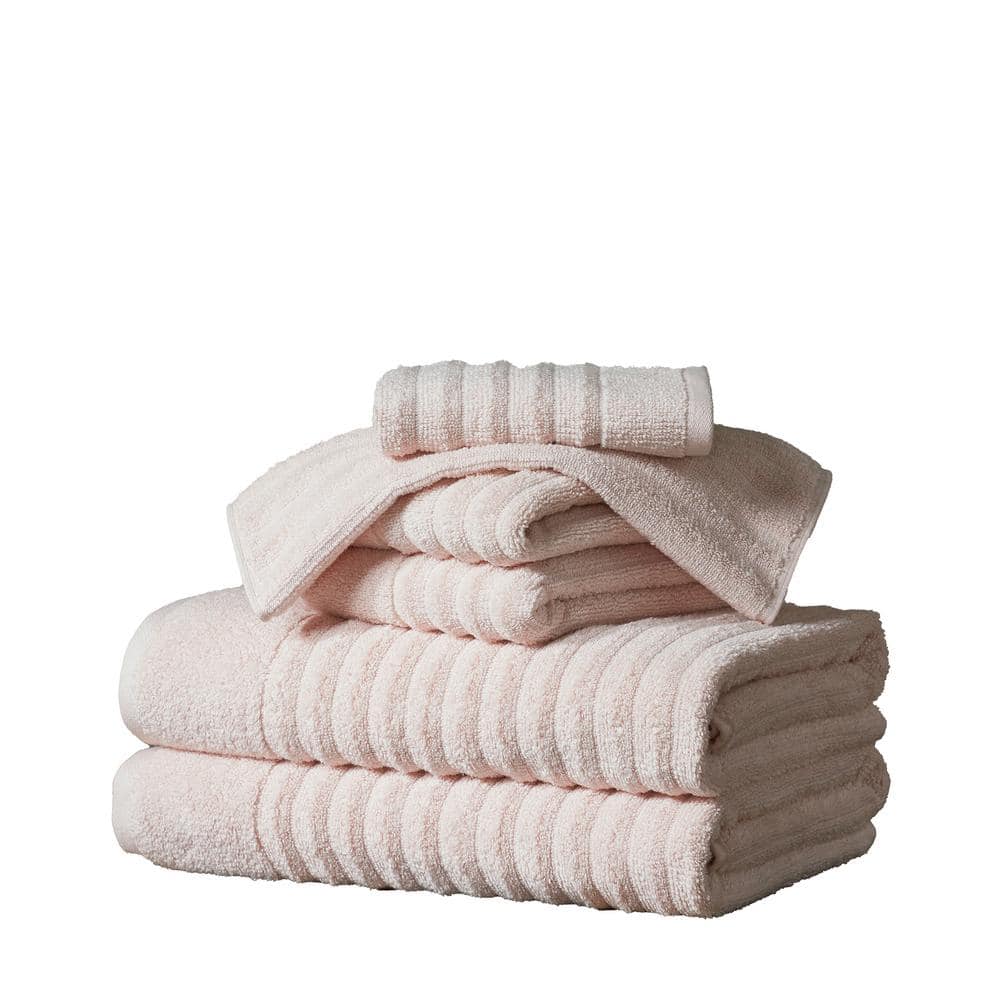
FRESHFOLDS Combed Cotton Absorbent Textured 6 Piece Towel Set EC100755

Plasticplace 44 Gal. Black Rubbermaid Compatible Trash Bags (Case of 100) 384615B
Towel

Heavy Duty Latex Gloves
HDX 5 qt. Small Mixing Bucket 05QHDX55024
Use the HDX Plastic bucket to serve all painting, mixing and storage needs. The bucket's compact size is ideal for large or small jobs and allows for easy storage. This reusable plastic bucket is made
Rubber-Cal
Commercial kitchen floors can potentially be a dangerous place a restaurant. Rubber-Cal's
FRESHFOLDS Combed Cotton Absorbent Textured 6 Piece Towel Set EC100755
Versatile, stylish, and functional are only a few ways to describe these bath towels. These towels are made with long cotton fibers that are looped to create a soft feel while still offering optimal absorbency
Plasticplace 44 Gal. Black Rubbermaid Compatible Trash Bags (Case of 100) 384615B
These heavy-duty bags are 100% guaranteed to satisfy. Engineered to a durable 1.5 mil thickness of low-density polythene, no job is too big, too bulky or too smelly for these quality black garbage bags.
Towel
Absorbs moisture and dries surfaces.
Heavy Duty Latex Gloves
Protection during intense tasks.
Steps

Prepare Your Workspace
5 minsBefore starting, gather all your necessary tools and supplies to ensure a smooth process. Put on a pair of rubber or latex gloves to protect your hands from grime and bacteria. Lay an old towel on the floor of the bathtub next to the drain to protect the surface from scratches and to provide a place to set your tools. Have a small bucket or a sturdy plastic bag ready to immediately dispose of the hair and gunk you will be pulling from the drain. This preparation will help keep your work area clean and organized.
Watch: Protect the Tub
Remove the Drain Stopper
5 minsTo access the clog, you must first remove the drain stopper. For a pop-up stopper, ensure the stopper is in the 'open' position by flipping the lever on the overflow plate. Grasp the stopper and gently pull it straight up while wiggling it back and forth. It should detach from the rocker arm inside the drain. If it resists, you may need to unscrew the overflow plate with a screwdriver and pull the entire linkage out, but often the stopper itself can be removed with a firm pull. Once removed, set the stopper aside on your towel.
Watch: Remove the Stopper Cap
Extract the Clog with a Hair Snake
10 minsTake your plastic hair snake and insert the barbed end into the drain opening. Push the tool down into the pipe, feeding it in until you feel resistance; this is the clog. Once you hit the clog, rotate the tool several times in a circular motion. The barbs are designed to snag and entangle the hair. After rotating, slowly and carefully pull the tool straight back out. A large mass of hair and soap scum should be attached. Use a paper towel to clean the tool and dispose of the gunk in your bucket. Repeat this process two or three more times, trying to go a bit deeper each time, to ensure you have removed the entire clog.
Watch: Snake the Drain Line
Dissolve Remaining Residue
20 minsAfter manually removing the bulk of the hair, use a natural cleaning solution to dissolve any remaining soap scum, oils, and small particles. Pour approximately one cup of baking soda directly down the drain. Follow this immediately with one cup of plain white vinegar. The combination will create a fizzing chemical reaction that works to break down residual gunk. Place a rag or the removed stopper over the drain opening to contain the reaction within the pipe. Let this mixture sit and work its magic for at least 15 to 30 minutes.
Watch: Pour Vinegar and Let Mixture Sit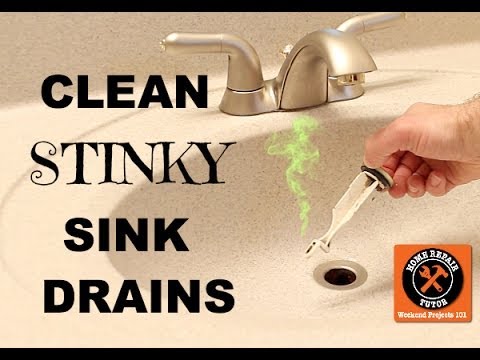
Flush the Drain with Hot Water
5 minsThe final step is to thoroughly flush the drain to clear out all the loosened debris and to verify that the clog is gone. After waiting for the baking soda and vinegar mixture, boil a full kettle of water. Carefully and slowly pour the boiling water directly down the drain. The heat helps to melt and flush away any remaining soap or grease. After the boiling water, turn on the bathtub's hot water faucet to its maximum flow for several minutes. Watch carefully to ensure the water is now draining quickly and continuously without backing up. If it drains well, your job is done.
Watch: Flush Drain with Hot Water
Reassemble and Clean Up
5 minsWith the drain successfully cleared, the final task is to restore your bathtub to its normal state. Take the drain stopper that you set aside, and clean it thoroughly with a cloth or paper towel to remove any soap scum or grime. Re-insert the stopper back into the drain opening. Test its function by opening and closing it a few times. Finally, clean up your work area by disposing of the bag containing the clog, cleaning your tools, and wiping down the inside of the tub with a cloth.
Watch: Clean the Drain AreaCommon Problems
Again, be extremely careful with the boiling water. This final flush ensures the pipes are clear.
Solution: To avoid this issue: Be mindful of this warning and take appropriate precautions.
Use caution when handling and pouring hot water to prevent burns.
Solution: To avoid this issue: Be mindful of this warning and take appropriate precautions.
Again, be very careful with the boiling water. The pipes and drain area may still be hot from the chemical reaction.
Solution: To avoid this issue: Be mindful of this warning and take appropriate precautions.
Vinegar added too soon won't neutralize drain odors.
Solution: The 30-minute wait time for the baking soda helps it effectively absorb odors before you add the vinegar.
Drain remains clogged due to lack of effective cleaning action.
Solution: The fizzing and bubbling are normal and indicate the cleaning action is working.
Using a power drill will cause the snake to rotate and can splatter sewage. It's crucial to wear safety glasses and be prepared for a mess.
Solution: To avoid this issue: Be mindful of this warning and take appropriate precautions.
Drain snake fails on soft clogs, leaving the tub still blocked.
Solution: If the snake seems to pass through the clog without clearing it, the blockage is likely soft (e.g., grease, toilet paper), and a different tool like a drain bladder may be more effective.
Frequently Asked Questions
What specific tool is best for extracting hair clogs, and where can I find it?
A plastic drain snake or a dedicated hair clog remover tool is ideal for this project. These flexible tools have small barbs or hooks designed to grab hair and pull it out. You can easily find them at any hardware store, home improvement center, or online for a very low cost.
How long does this project typically take for a beginner, and what's the expected difficulty?
This project is rated as 'beginner' difficulty and can usually be completed within 30-60 minutes. The time largely depends on how easily the drain stopper is removed and the depth/severity of the hair clog. It requires minimal technical skill but some patience.
Why does this guide advise against chemical drain cleaners, and what are the risks if I use them?
Chemical drain cleaners contain harsh corrosive agents that can damage your plumbing pipes, especially older ones, and are toxic to the environment. They can also create dangerous fumes and splashes, posing a significant safety risk if they don't clear the clog and you then attempt a manual removal.
What should I do if the hair clog is too deep or I can't reach it with the recommended snake?
If you can't reach the clog with a standard plastic hair snake, avoid forcing it, as this can push the clog further down or scratch your pipes. Consider purchasing a longer, more robust drain auger designed for deeper clogs, or call a professional plumber if the problem persists to prevent potential damage.
What kind of safety precautions should I take when physically removing the clog?
Always wear sturdy safety gloves to protect your hands from grime, bacteria, and any sharp edges within the drain. Have plenty of paper towels and a dedicated trash bag nearby to immediately dispose of the extracted clog and clean up any mess, maintaining hygiene.
Do I really need an electric kettle for hot water, or can I just use hot tap water?
While hot tap water can help, an electric kettle heats water to a much higher temperature, making it significantly more effective at dissolving stubborn soap scum and grease residues that often accompany hair clogs. This ensures a more thorough final flush and helps keep the drain clear longer.
How can I prevent future hair clogs in my bathtub drain?
To prevent future hair clogs, regularly use a drain cover or hair catcher over your bathtub drain to trap hair before it enters the pipes. Also, occasionally flush your drain with a mixture of baking soda and hot water (without a clog) as a preventative measure to break down minor build-ups.