How to Replace a Shower Drain in an Existing Shower Base
About This Project
This project involves the complete removal of an old shower drain from an existing shower base and the installation of a new one. The process focuses on a scenario where there is no access to the plumbing from below the shower. It requires specialized tools for removal and a modern replacement drain that can be installed entirely from above, ensuring a watertight seal to prevent leaks.
Best for advanced DIYers and professionals with basic plumbing knowledge and familiarity with power tools. Requires GT-LITE 1,200 Lumens Portable Work Light with Grounded Plug GT-504-A.
Tools & Materials
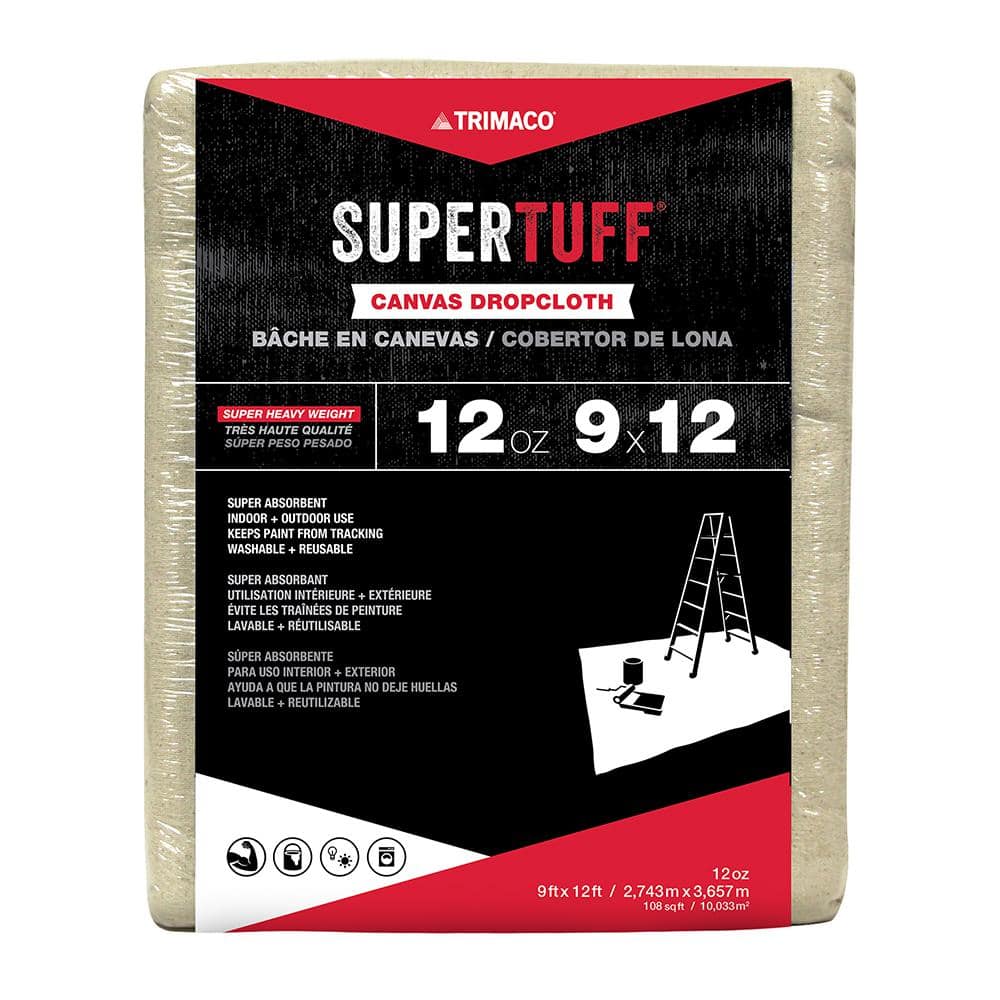
TRIMACO 12 oz. 9 ft. x 12 ft. Super Heavyweight Canvas Drop Cloth 51201
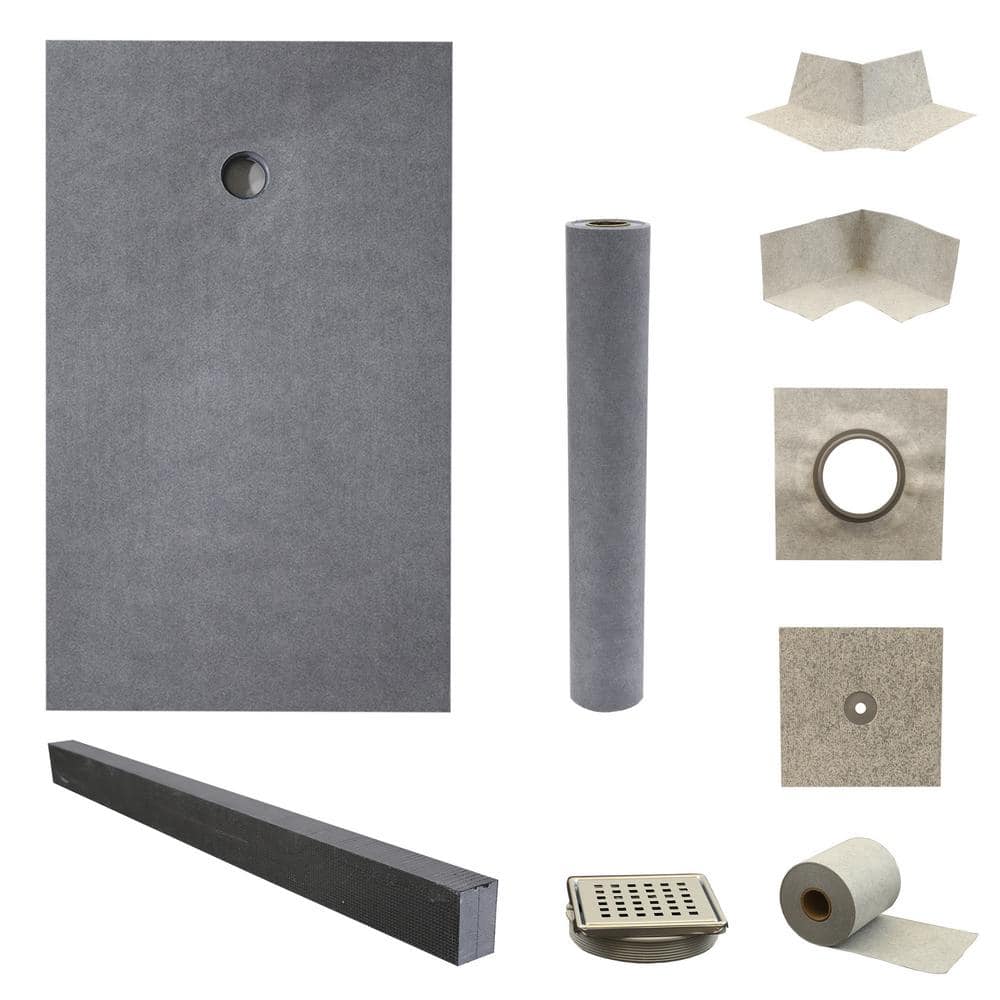
Everbilt 36 in x 60 in Shower Kit with Off Center Drain Flange and Chrome Drain Cover 43943
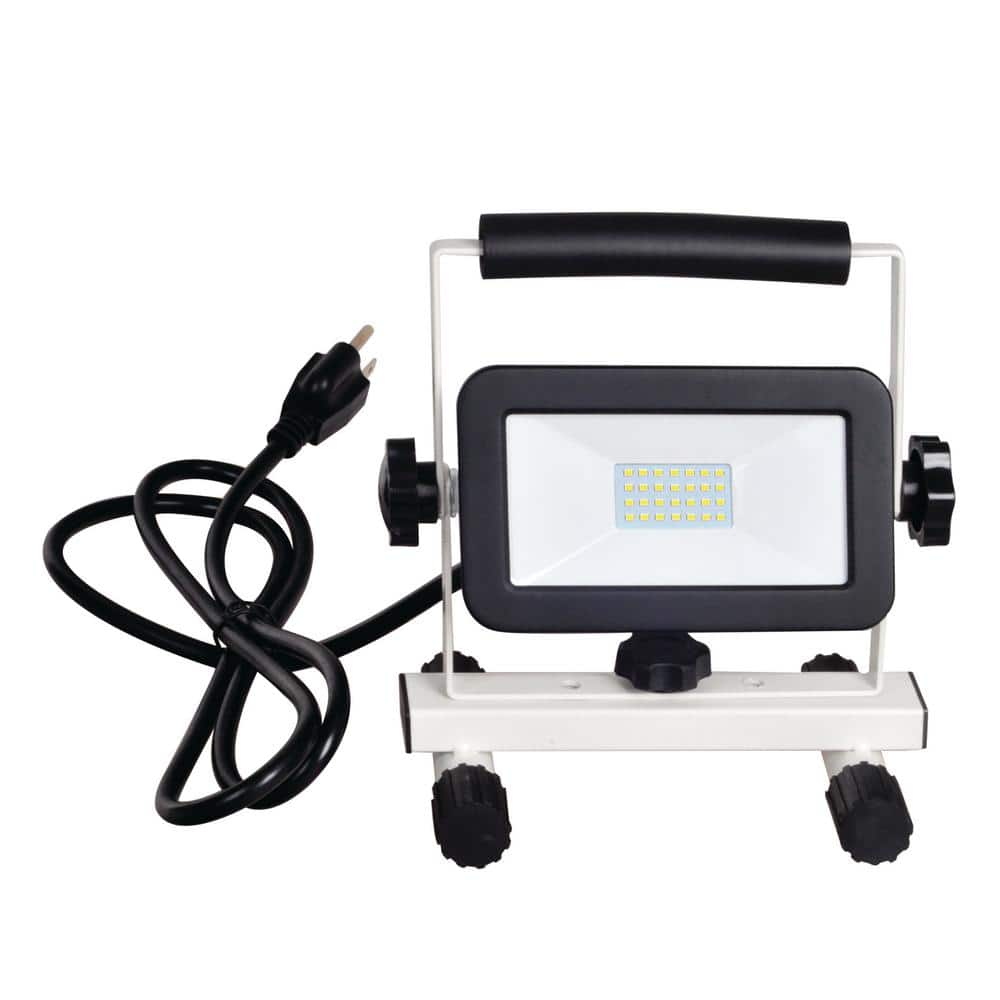
GT-LITE 1,200 Lumens Portable Work Light with Grounded Plug GT-504-A
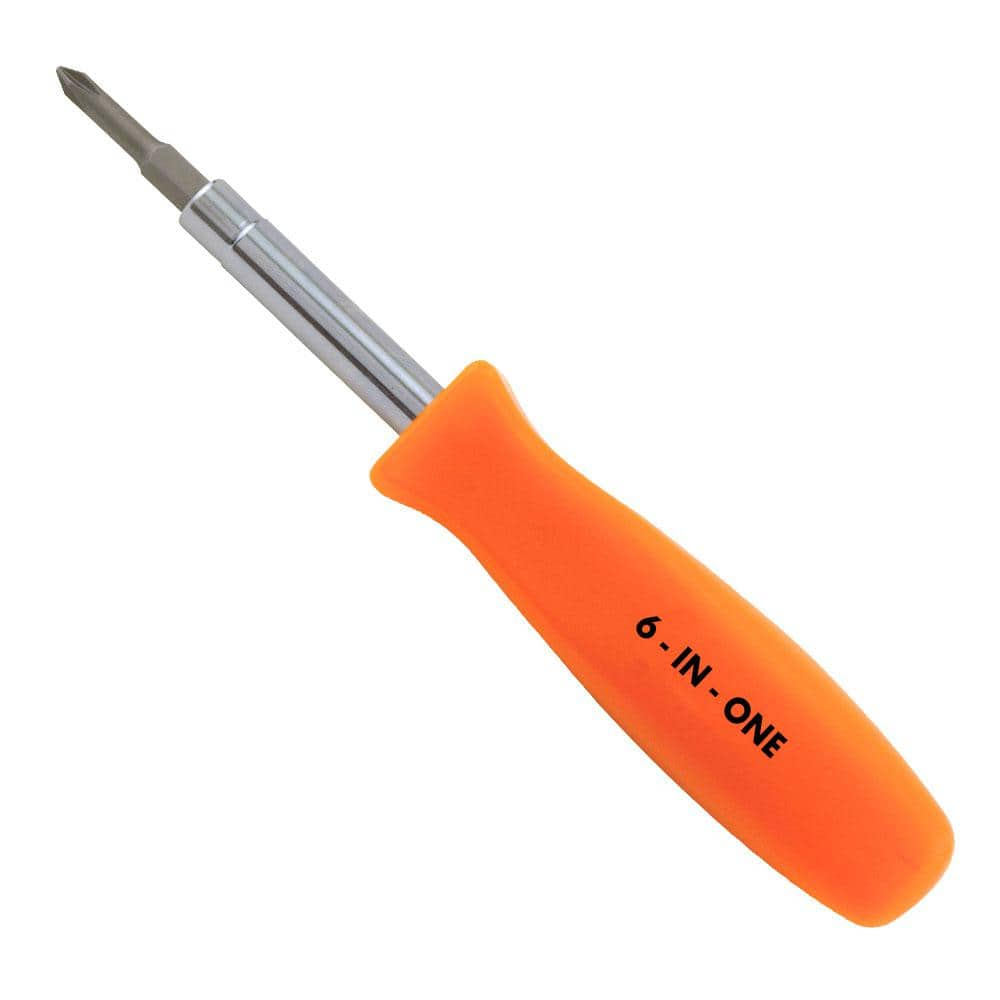
HDX 3-1/4 in. 6-in-1 Screwdriver 120SD12D
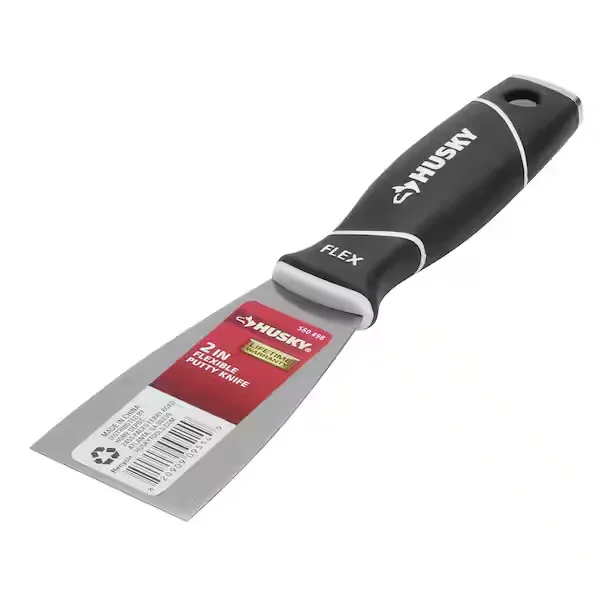
Putty knife
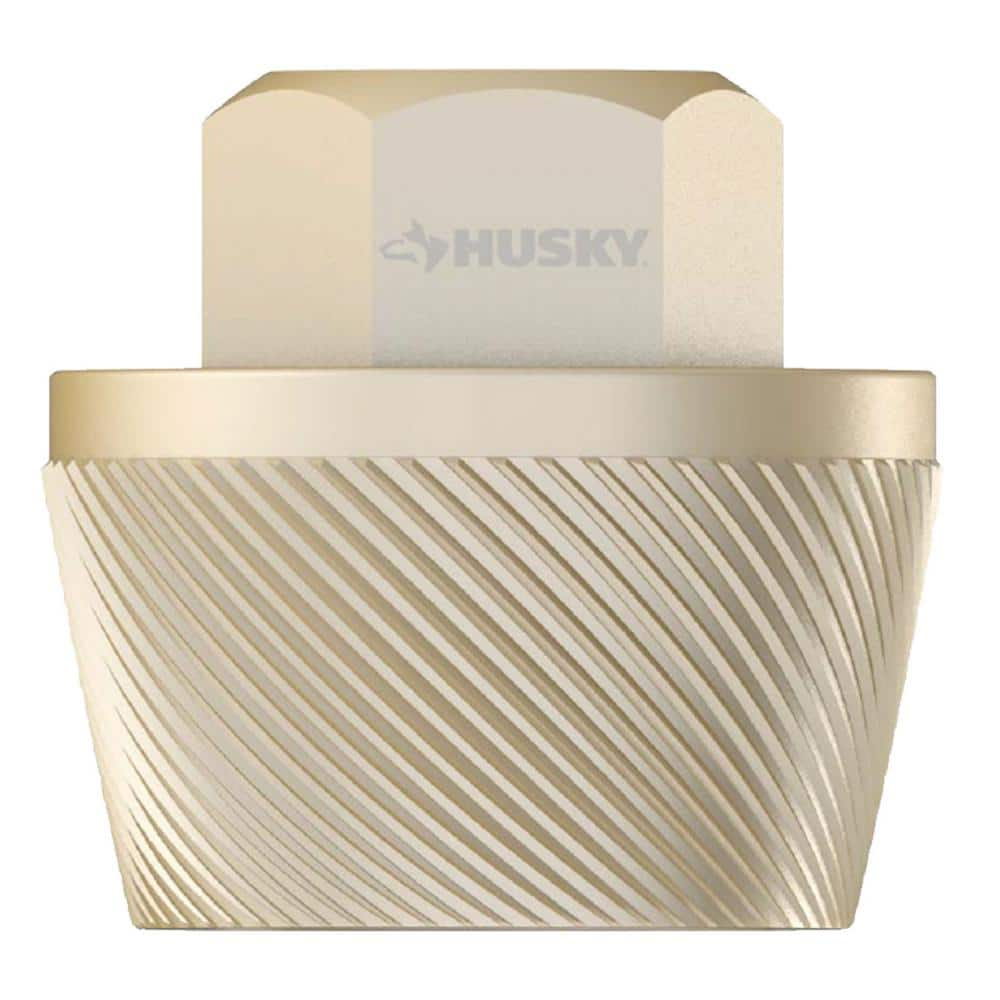
Husky Tub Drain Removal Tool 410-075-0111
TRIMACO 12 oz. 9 ft. x 12 ft. Super Heavyweight Canvas Drop Cloth 51201
Trimaco's SuperTuff 12 oz. Super Heavy-weight Canvas Drop Cloth is ideal for painting, wallpapering, cleaning, leaf collection and other jobs. Absorbs spills. Washable and reusable.
Everbilt 36 in x 60 in Shower Kit with Off Center Drain Flange and Chrome Drain Cover 43943
The Everbilt Shower-Kit contains all the components to create a watertight shower assembly. The prefabricated, pre-waterproofed and pre-sloped shower Pan with integrated drain ensures waterproof results
GT-LITE 1,200 Lumens Portable Work Light with Grounded Plug GT-504-A
Bright light comes in small packages with the 1,200 Lumens portable work light from GT-LITE. This compact, but mighty LED work light is perfect for work at home, under the sink or for larger projects on the worksite. Energy efficient LED technology uses 87% less power than the equivalent halogen work light and emits a fraction of the heat. Use this light with the attached scissor stand or with included H-Stand to get the light where you need it, when you need it. This work light is rated for a lifetime of 50,000 ours of maintenance free use.
HDX 3-1/4 in. 6-in-1 Screwdriver 120SD12D
The HDX 3-1/4 in. 6-in-1 Screwdriver features double-sided bits with the four most common screwdriver tip styles, including a #1 Phillips bit, a #2 Phillips bit, a 3/16 in. flathead bit and a 1/4 in. flathead bit. Both ends of the shaft can be used as 1/4 in. nut drivers when the bits are removed, offering convenient, versatile use. The high-visibility orange handle makes the handy tool easy to find on a job site or in a toolbox.
Putty knife
Spreads putty with its flat blade.
Husky Tub Drain Removal Tool 410-075-0111
The Husky Tub Drain Extractor is designed to hep you remove drains that have corroded crossbars that would otherwise be difficult to remove. After attaching the tool to the end of a 1 in. ratchet or other
Steps

Preparation and Safety
15 minsBegin by preparing your workspace. Lay a drop cloth or heavy towel inside the shower stall to protect the base from scratches. Gather all the necessary tools and the new drain kit. Although you are not working with water supply lines, it's good practice to know where your main water shutoff is. Ensure the area is well-lit and ventilated.
Watch: Preparation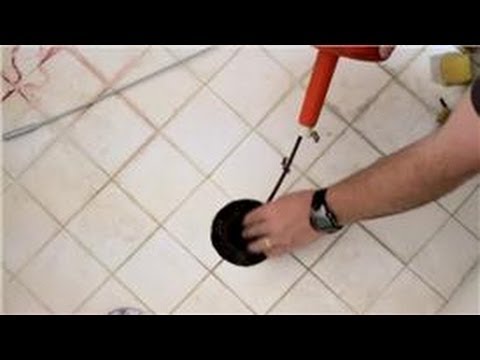
Remove the Old Drain Strainer
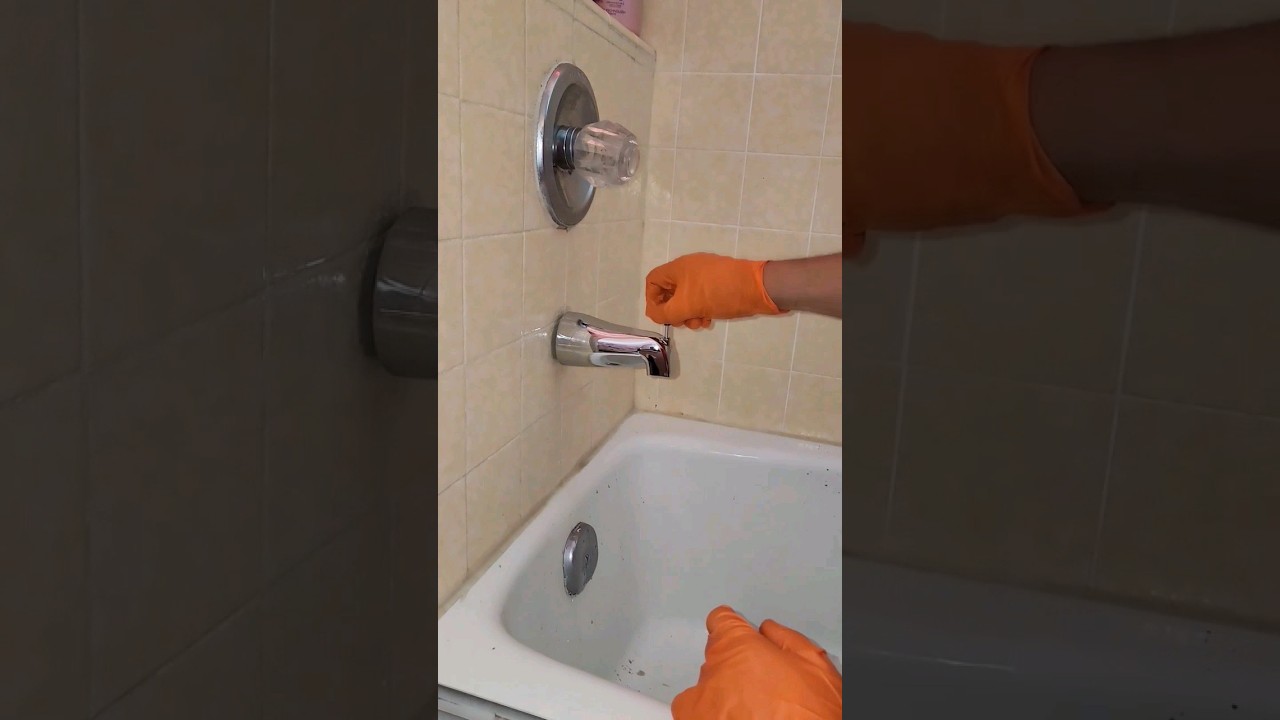
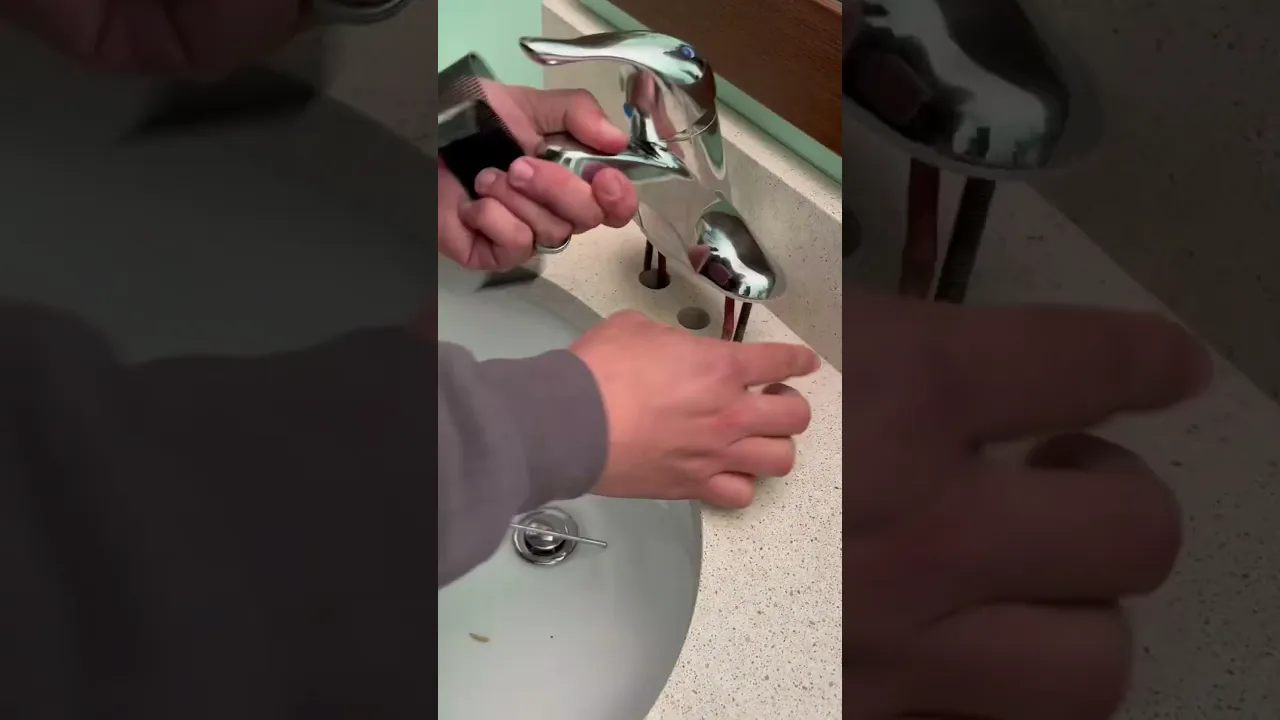
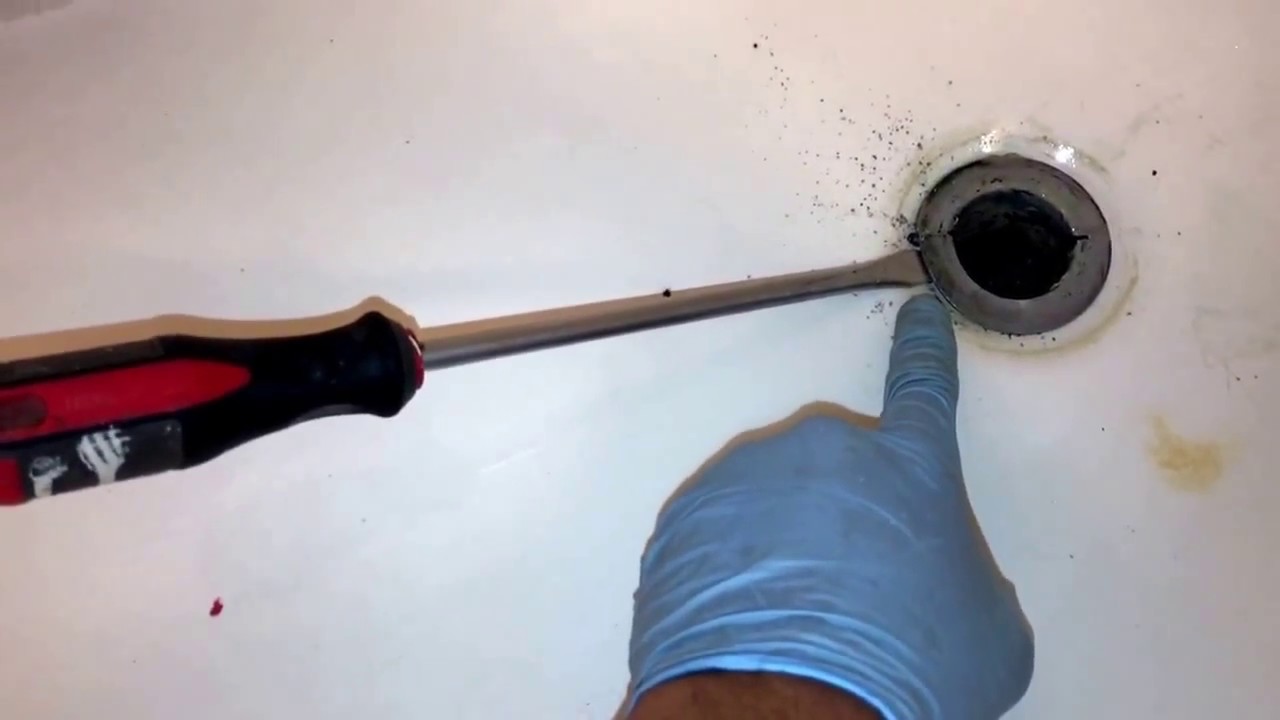
10 minsThe first step in removal is to take off the strainer or drain cover. Most strainers are attached with one or two screws. Use a screwdriver to remove these screws and lift the cover off. If there are no visible screws, the cover may be a snap-in type; try to pry it up gently with a flathead screwdriver or putty knife. Be careful not to drop the screws down the drain.
Watch: Remove strainer
Unscrew and Remove the Old Drain Body
30 minsThis is often the most challenging step without access from below. You will need a special tool called a shower drain wrench or a 'Drain Key'. This tool has expandable arms or prongs that fit into the crosshairs or lugs inside the drain body. Insert the tool into the drain, engage it securely, and attach a wrench or pliers to the top of the tool. Turn counter-clockwise to unscrew the drain body from the threaded pipe fitting below. This may require significant force, especially if the drain is old. Once loosened, you can unthread it by hand and lift it out.
Watch: Remove Drain and Overflow Fixtures
Clean the Drain Opening and Pipe
20 minsOnce the old drain is removed, you must thoroughly clean the drain opening. Use a putty knife to carefully scrape away all the old plumber's putty, silicone, and any other residue from the top surface of the shower base around the hole. Then, use a rag to clean the surface where the new drain will sit. If needed, use a mild solvent like mineral spirits or denatured alcohol to remove stubborn residue. Also, clean the inside threads of the drain pipe below as best you can. Temporarily stuff a rag into the drain pipe to block sewer gases and prevent debris from falling in.
Watch: Clean and Prepare Drain Area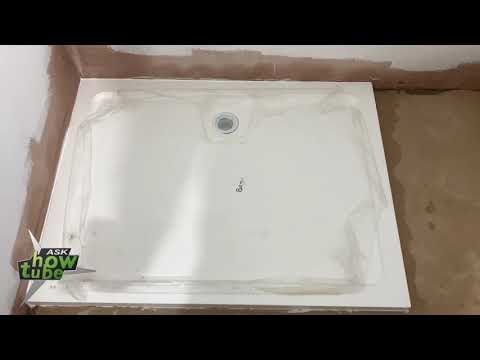
Prepare and Dry-Fit the New Drain
15 minsRemove the temporary rag from the drain pipe. Your new drain kit is likely a 'no-caulk' or compression style drain. The main components are the drain body (with a threaded lower section), a rubber compression gasket, and a strainer. Some drains may also come with a friction washer (a thin plastic or cardboard ring). Refer to the manufacturer's instructions. Some drains specify using 100% silicone sealant on the gasket, while others rely on compression alone. For the top flange that sits on the shower base, you will use plumber's putty.
Watch: Install and Seal the Drain Fitting
Apply Plumber's Putty and Set the Drain Body
10 minsTake a generous amount of plumber's putty and roll it between your hands to form a rope about 1/2-inch thick. Apply this rope of putty to the underside of the new drain's top flange. Place the drain body into the opening in the shower base and press down firmly and evenly. This will cause excess putty to squeeze out around the edges, which is normal. Do not wipe away the excess putty yet.
Watch: Install New Sink Flange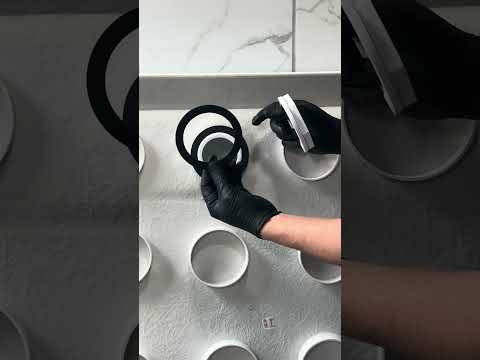
Secure the Drain and Gasket
20 minsWith the drain body pressed into place, slide the large rubber gasket onto the threaded tailpiece from underneath the shower base. Ensure the tapered side of the gasket faces up, making contact with the underside of the shower base. Next, slide the friction washer (if included) up against the rubber gasket. Finally, thread the large locking nut onto the drain body. Hand-tighten the nut as much as possible. To fully tighten it, use the shower drain wrench or another suitable tool to hold the drain body stationary from above, while tightening the locking nut from below using channel-lock pliers. If you have no access from below, you must use a drain that tightens from above (like a WingTite drain), where tightening screws on the flange deploys a sealing mechanism underneath. For a standard drain, you must tighten the nut from below until it's snug, compressing the rubber gasket to create the seal.
Watch: Assemble Underside Components

Test for Leaks
40 minsThe final and most important step is to test for leaks. Use a drain plug or stuff a rag tightly into the drain opening to block it. Fill the shower base with 1-2 inches of water, enough to completely submerge the new drain flange. Use a marker or a piece of tape to mark the water level. Let it sit for at least 30 minutes, then check if the water level has dropped. If it hasn't, you have a good seal on top. Now, remove the plug and let all the water drain. If you have any way to check the area below the shower (even a small inspection mirror through a vent), do so now to check for any drips from the gasket seal below. Wait 24 hours before using the shower to allow any silicone or putty to fully cure.
Watch: Test and SealCommon Problems
Failure to shut off the main water supply will result in uncontrolled water flow when the pipe is cut.
Solution: To avoid this issue: Be mindful of this warning and take appropriate precautions.
Failure to shut off water and relieve pressure can result in significant water damage.
Solution: To avoid this issue: Be mindful of this warning and take appropriate precautions.
Accidentally cutting the wrong pipe during shower drain replacement.
Solution: Marking the pipe ensures you don't accidentally cut the wrong line.
If you cannot find or operate the shutoff valves under the sink, you will need to shut off the main water valve for the entire house.
Solution: To avoid this issue: Be mindful of this warning and take appropriate precautions.
Water and debris can spread if not cleaned up quickly.
Solution: Keep a towel handy to clean up any spills immediately.
Can't reach shower drain screws without a long screwdriver.
Solution: A long Phillips screwdriver makes it easier to reach the mounting screws behind the sink.
Make sure the shower is turned off before you begin.
Solution: To avoid this issue: Be mindful of this warning and take appropriate precautions.
Frequently Asked Questions
Why is the Husky Tub Drain Removal Tool essential for this project, and can I use standard tools instead?
This specialized tool is crucial because it grips the drain from the inside, allowing removal when there's no access from below the shower. Standard tools like pliers or wrenches usually can't get enough leverage or grip to unscrew a corroded drain from the top, risking damage to the shower base. It ensures you can remove the old drain without damaging the surrounding shower pan.
What key safety steps should I take before and during this shower drain replacement project?
Always turn off the water supply to the shower to prevent accidental leaks or flooding. Ensure good ventilation when using mineral spirits for cleaning, as fumes can be strong. Wear appropriate eye protection and gloves to protect against chemicals, sharp edges, and debris throughout the process.
How long should a beginner expect this project to take, and what's the approximate material cost?
For a beginner, expect this project to take 2-4 hours, allowing ample time for preparation, thorough cleaning, and proper sealant curing. The material cost, including a new drain kit, plumber's putty, and sealant, typically ranges from $30-$70, not including any specialized tools you might need to purchase.
What's the most common mistake beginners make, and how can I guarantee a watertight seal to prevent leaks?
The biggest mistake is inadequate cleaning of the drain opening and improper application of plumber's putty or sealant. To ensure a watertight seal, meticulously remove all old caulk, rust, and debris from the drain opening. Apply an even, generous bead of plumber's putty under the new drain flange, tightening it correctly to squeeze out excess, and always perform a thorough leak test before finalizing.
The project lists both plumber's putty and silicone sealant. Where exactly should each be used for the best seal?
Use plumber's putty directly under the flange of the new drain where it meets the shower base to create the primary watertight seal. The silicone adhesive sealant should be applied carefully around the drain body's connection to the existing pipe, or as a secondary bead if specified by your new drain kit instructions, for added security against water intrusion. Refer to your specific drain kit's instructions for the most precise application guidance.
My old drain is completely seized and won't budge even with the specialized removal tool. What should I do?
If the drain is severely corroded, try applying penetrating oil around the threads and letting it sit for at least an hour to help loosen rust and mineral deposits. If it still won't turn, you may need to use a stronger drain wrench or consider carefully cutting the drain from above in sections using a specialized oscillating tool, taking extreme caution not to damage the shower base or the underlying drainpipe.
Is a heavy-duty canvas drop cloth really necessary, or can I just use old towels for preparation?
While old towels can offer some protection, a heavy-duty canvas drop cloth like the TRIMACO listed is highly recommended. It provides superior protection against water, rust, debris, and chemical spills, preventing stains and damage to your bathroom floor and surrounding areas. This extra layer of protection is particularly valuable when working with old plumbing and solvents.