How to Remove an Old Toilet Flange
About This Project
This guide provides comprehensive, step-by-step instructions for removing an old toilet flange. The process includes preparing the workspace, removing the existing toilet, cleaning the area, and then detaching and removing the flange from the drain pipe and subfloor. Specific techniques for both common PVC/ABS and more challenging cast iron flanges are detailed.
Best for advanced DIYers and professionals with basic plumbing knowledge and familiarity with power tools. Requires MCR Safety BearKat Safety Glasses MCSCRWBK110 and Husky Large Heavy Duty Glove 67812-06.
Tools & Materials

HDX Multi-Purpose Sponge (2- Sponges) 32242

Wet-Dry Vacuum
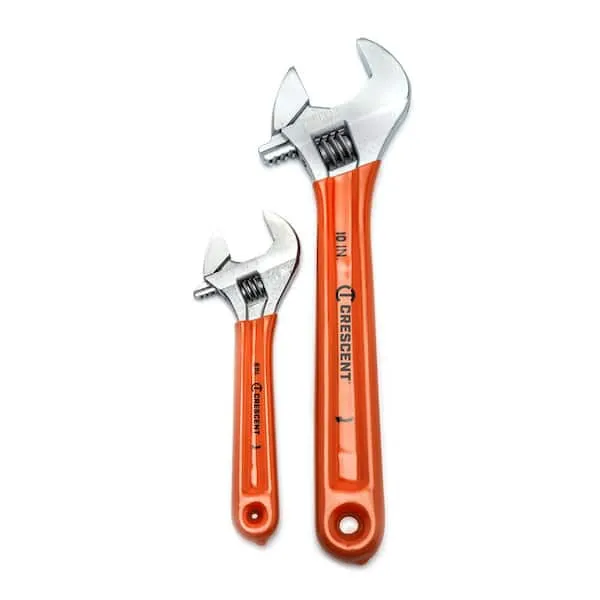
Adjustable Wrench

FRESHFOLDS Orange 6-Piece Cotton Quick-Dry Bath Towel Set EC100706

Afoxsos Black Cardboard Decorative Boxes with Lid 3-Pack SNPH003IN809
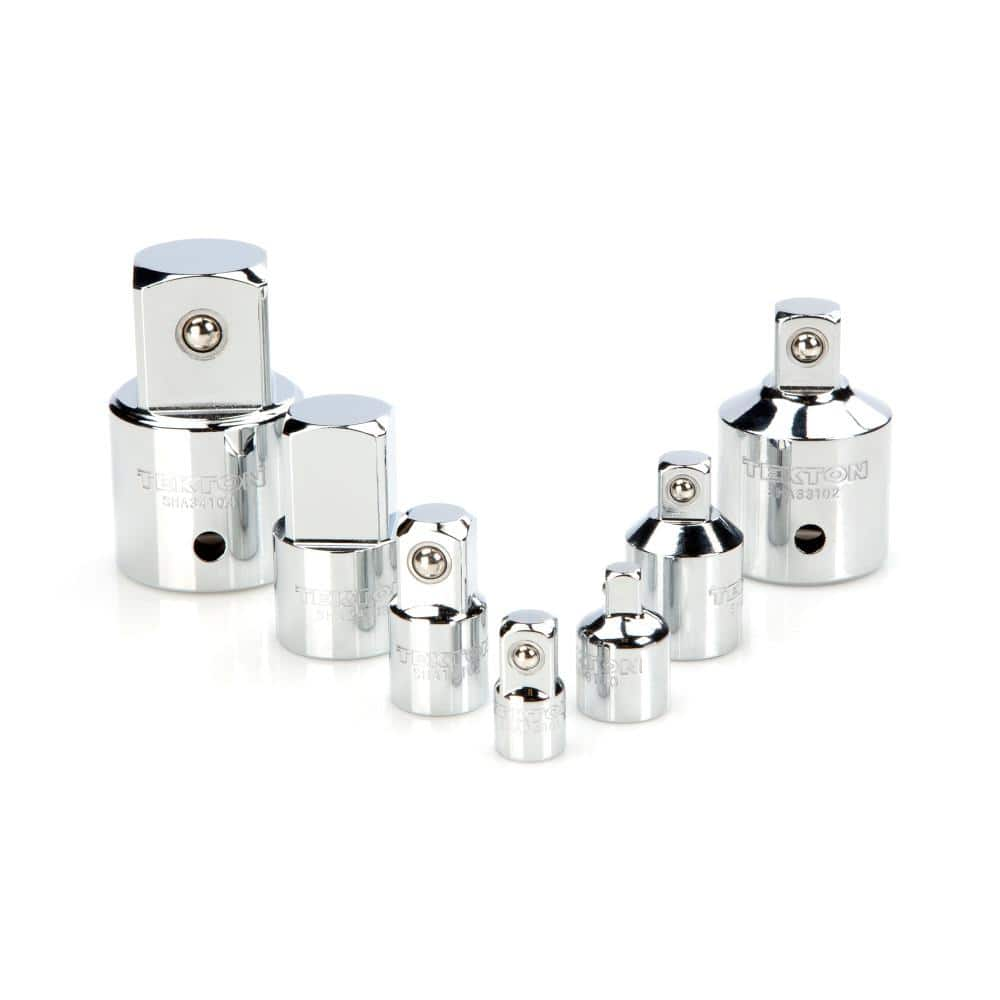
TEKTON Adapter/Reducer Set (7-Piece) SHA99019
HDX Multi-Purpose Sponge (2- Sponges) 32242
HDX Hydrophilic Sponge 7.25 in. x 5 in. x 1.875 in. (2-Pack) highly absorbent, the HDX Sponge washes, wipes, and rinses faster. Strong enough for use with acid based products like TSP. Heavy-duty polyester
Wet-Dry Vacuum
Handles both wet and dry messes.
Adjustable Wrench
Fits various nut and bolt sizes with its adjustable jaw.
FRESHFOLDS Orange 6-Piece Cotton Quick-Dry Bath Towel Set EC100706
This cotton towel is quick-drying, absorbent and features a soft cotton popcorn texture. These towels are low-twist and two-ply, so the fibers are thicker and more durable. The weave allows for more air
Afoxsos Black Cardboard Decorative Boxes with Lid 3-Pack SNPH003IN809
Keep your cherished photos and mementos safe with this elegant set of 3 black paperboard suitcases. These decorative cardboard storage boxes not only provide a stylish solution to tackle clutter but also
TEKTON Adapter/Reducer Set (7-Piece) SHA99019
Attach a TEKTON Adapter or Reducer to your drive tool to compensate for potential lost or broken sockets, fill in gaps for incomplete size ranges and expand the range of your existing socket system. Its
Steps

Shut Off Water Supply and Empty the Toilet
15 minsBegin by shutting off the water supply to the toilet. The shutoff valve, also known as an angle stop, is typically located on the wall or floor behind the toilet. Turn the handle clockwise until it is fully closed. Next, flush the toilet and hold the handle down to drain as much water as possible from the tank and bowl. Use a sponge or a wet/dry vacuum to remove any remaining water from both the tank and the bowl to prevent spills during toilet removal.
Watch: Drain the Tank
Disconnect and Remove the Toilet
20 minsWith the water off, use an adjustable wrench to disconnect the water supply line from the fill valve on the underside of the toilet tank. Have a small towel ready for any drips. Next, pry off the plastic caps covering the closet bolts at the base of the toilet. Use the adjustable wrench or a socket set to remove the nuts from the closet bolts. The toilet is now free from the floor. Straddle the bowl, get a firm grip, and gently rock it side-to-side to break the wax seal underneath. Lift the toilet straight up and move it to a pre-prepared area, such as on old towels or cardboard, to avoid scratching the floor or making a mess.
Watch: Drain and Remove the Toilet
Clean and Inspect the Old Flange
15 minsOnce the toilet is gone, you will see the old wax ring and the toilet flange. The first priority is to plug the drain pipe with a large rag or old towel. This will block sewer gases and prevent anything from falling in. Next, put on disposable gloves and use a putty knife to scrape all the old wax off the flange and the surrounding floor. Clean the area thoroughly so you can clearly see the flange, the fasteners holding it to the floor, and its connection to the drain pipe. Identify whether the flange is PVC (usually white or black), ABS (black), or cast iron (dull, dark gray metal).
Watch: Inspect Flange and Clean Old Wax
Remove Flange-to-Floor Fasteners
20 minsLocate the screws that secure the flange to the subfloor. Using a drill with a driver bit or a screwdriver, attempt to remove these screws. If the screws are old and rusted, they may strip or break. If a screw head strips, you may need to use a screw extractor bit. If the screws are completely seized, a good option is to use an oscillating multi-tool or a reciprocating saw with a metal-cutting blade to carefully cut the screws flush with the floor, between the flange and the subfloor. Once all fasteners are removed, the flange should be loose from the floor but still attached to the drain pipe.
Watch: Modify Floor and Install Flange Extender
Remove PVC/ABS Flange
25 minsA PVC or ABS flange is solvent-welded (glued) to the drain pipe, so it must be cut out. The safest and most professional method is to use a special drill bit called an inside pipe cutter or flange cutter. Attach the bit to your drill. Carefully lower the cutter into the flange until the cutting edge is positioned just below the bottom of the flange hub, inside the drain pipe. Ensure it is level. Start the drill slowly and apply steady, even pressure, allowing the cutter to slice through the pipe from the inside out. Once the cut is complete, the flange will be free from the drain pipe and can be lifted away. Be extremely careful not to cut too low, as this will shorten the drain pipe and complicate the new installation.
Watch: Cutting and Gluing PVC Pipe
Remove Cast Iron Flange (Alternative)
45 minsRemoving a cast iron flange is a significantly more demanding task. Ensure you are wearing heavy-duty gloves and safety glasses. These flanges are often sealed into a larger pipe hub with lead and oakum, or they are part of the pipe itself. The most common removal method is to carefully break it. Place the tip of a cold chisel on the top ring of the flange, away from the central hub. Strike the end of the chisel firmly with a small sledgehammer or heavy machinist's hammer. Reposition the chisel and strike again, working your way around the ring until it cracks and breaks into pieces. Pry the pieces out. The goal is to shatter the flange ring without cracking the main drain pipe hub below it. This requires controlled force and patience.
Watch: Leverage and Remove Steel Pipe
Clean Pipe and Floor for New Installation
15 minsAfter the old flange has been removed, the final step is to prepare the area for the new installation. Use a shop vacuum to clean up all debris, including any plastic shavings or metal fragments. Inspect the top edge of the drain pipe. If you cut a PVC pipe, the edge may be rough. Use a deburring tool or a piece of sandpaper to smooth the inside and outside of the pipe's cut edge. This ensures a proper seal for the new flange. For a cast iron pipe, you may need a screwdriver or chisel to gently scrape out any remaining old lead or oakum from inside the hub. The subfloor around the pipe should be clean, dry, and solid. The area is now ready for a new toilet flange to be installed.
Watch: Install the New Repair FlangeCommon Problems
Can't access toilet flange without cutting into the wall.
Solution: If you don't have an access panel, you will need to cut one into the drywall on the opposite side of the shower wall. Locate studs before cutting.
Drywall screws will rust when exposed to moisture, which can lead to fastener failure and staining.
Solution: To avoid this issue: Be mindful of this warning and take appropriate precautions.
Wall board won't sit flush due to protruding flange screws.
Solution: Countersinking the screw head prevents it from interfering with the installation of the wall board over the flange.
Do not overtighten the screws, as this could damage the flange or the subfloor.
Solution: To avoid this issue: Be mindful of this warning and take appropriate precautions.
Do not overtighten the closet bolt nuts, as this can easily crack the porcelain base of the toilet.
Solution: To avoid this issue: Be mindful of this warning and take appropriate precautions.
The area around a toilet drain is unsanitary. Always wear gloves during this step.
Solution: To avoid this issue: Be mindful of this warning and take appropriate precautions.
Place the ceramic tank lid in a safe place where it will not fall and break.
Solution: To avoid this issue: Be mindful of this warning and take appropriate precautions.
Frequently Asked Questions
How difficult is it to remove an old toilet flange, and how long should I expect it to take?
Removing an old toilet flange is generally considered an intermediate-difficulty DIY project. Expect it to take 2-4 hours, though this can vary significantly based on your experience, the flange material (cast iron is more challenging), and how easily the old fasteners come out. Patience and the right tools are key.
What are the essential safety precautions I need to take when removing a toilet flange?
Safety is paramount for this project. Always wear safety glasses and work gloves to protect against debris and sharp edges. Ensure the water supply is shut off and the toilet is completely drained before beginning. If working with cast iron, be cautious of flying fragments and use appropriate hearing protection when chiseling.
Do I absolutely need specialized tools like an inside pipe cutter or a cold chisel and sledgehammer for this project?
Yes, for PVC/ABS flanges, an inside pipe cutter (like The Plumber's Choice 1242R) is highly recommended to make a clean, safe cut without damaging the main drain pipe. For cast iron flanges, a cold chisel (e.g., Dasco Pro G419) and sledgehammer (like Estwing MRF3LB) are often necessary to break the brittle material without damaging the subfloor or surrounding pipe.
What's the most common mistake DIYers make when removing a toilet flange, and how can I avoid damaging the drain pipe?
The most common and costly mistake is damaging the drain pipe itself while removing the flange. To avoid this, always exercise caution and precision. When cutting PVC/ABS, ensure the inside pipe cutter is properly adjusted to cut only the flange. When breaking cast iron, direct your force carefully with the chisel to fracture the flange, not the underlying pipe or subfloor.
Is removing a cast iron toilet flange significantly different or more challenging than removing a PVC/ABS flange?
Yes, removing a cast iron flange is generally more challenging and demanding than removing a PVC/ABS one. Cast iron is brittle and requires percussive force with tools like a cold chisel and sledgehammer, which creates more dust and noise. PVC/ABS flanges can typically be cut more cleanly with an inside pipe cutter, making it a less destructive process.
Why can't I just try to repair my old toilet flange or install a new toilet over it?
While minor flange repairs exist, a severely damaged, corroded, or improperly seated flange usually warrants full removal and replacement. Installing a new toilet over a compromised flange often leads to an unstable toilet, persistent leaks, foul odors, and costly water damage to your subfloor. Replacing it ensures a proper, long-lasting seal and stable installation.