How to Remove an Old Dishwasher
About This Project
A detailed guide to safely removing an old dishwasher from a kitchen cabinet opening. The process involves shutting off the power and water supplies, disconnecting the drain hose, water supply line, and electrical wiring, detaching the unit from the countertop, and finally sliding it out of its space.
Best for advanced DIYers and professionals with basic plumbing knowledge. Requires Klein Tools Non Contact Voltage Tester Pen, 50 1000V AC (NCVT1PR) NCVT1PR and Voltage / Circuit Tester.
Tools & Materials
Unger 6 Gal. Heavy-Duty Plastic Bucket DB02
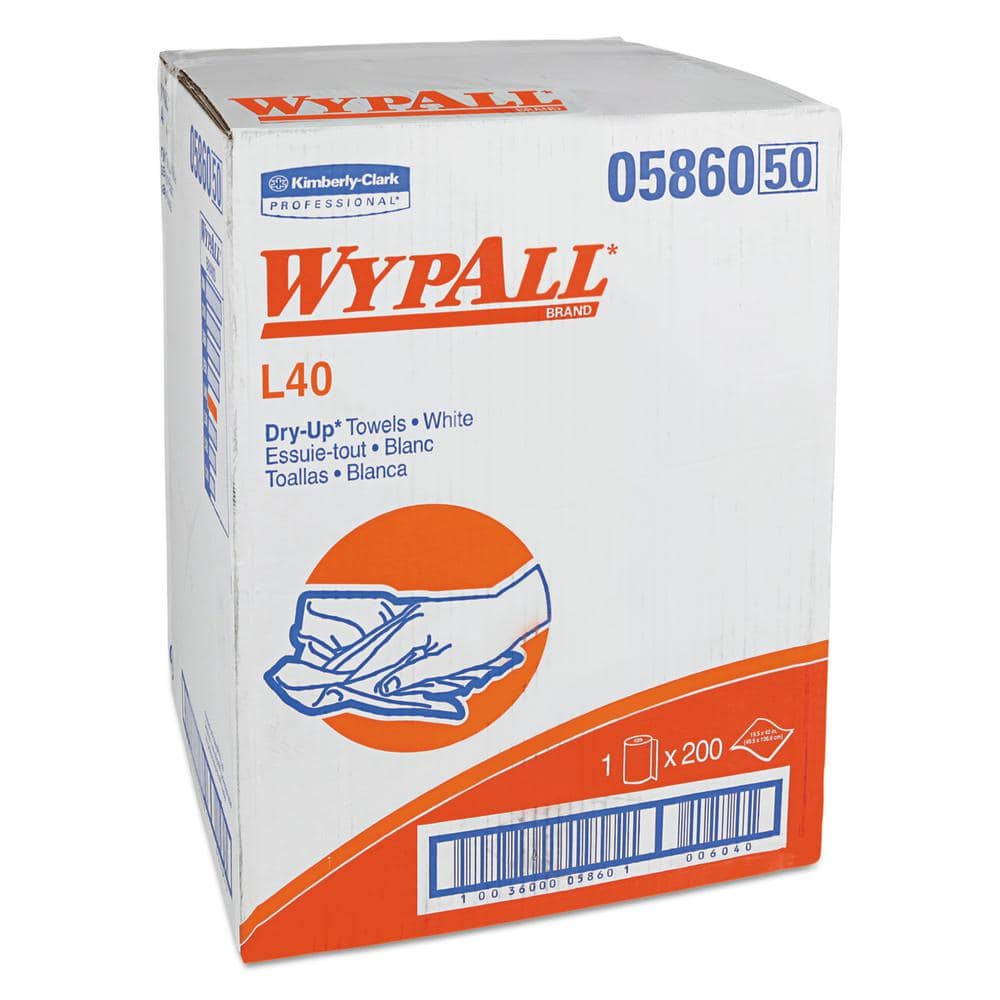
WYPALL L40 Towels, Dry Up Towels, 19-1/2 in. x 42 in., White, 200 Towels/Roll KCC05860

Work Gloves
Klein Tools Non Contact Voltage Tester Pen, 50 1000V AC (NCVT1PR) NCVT1PR
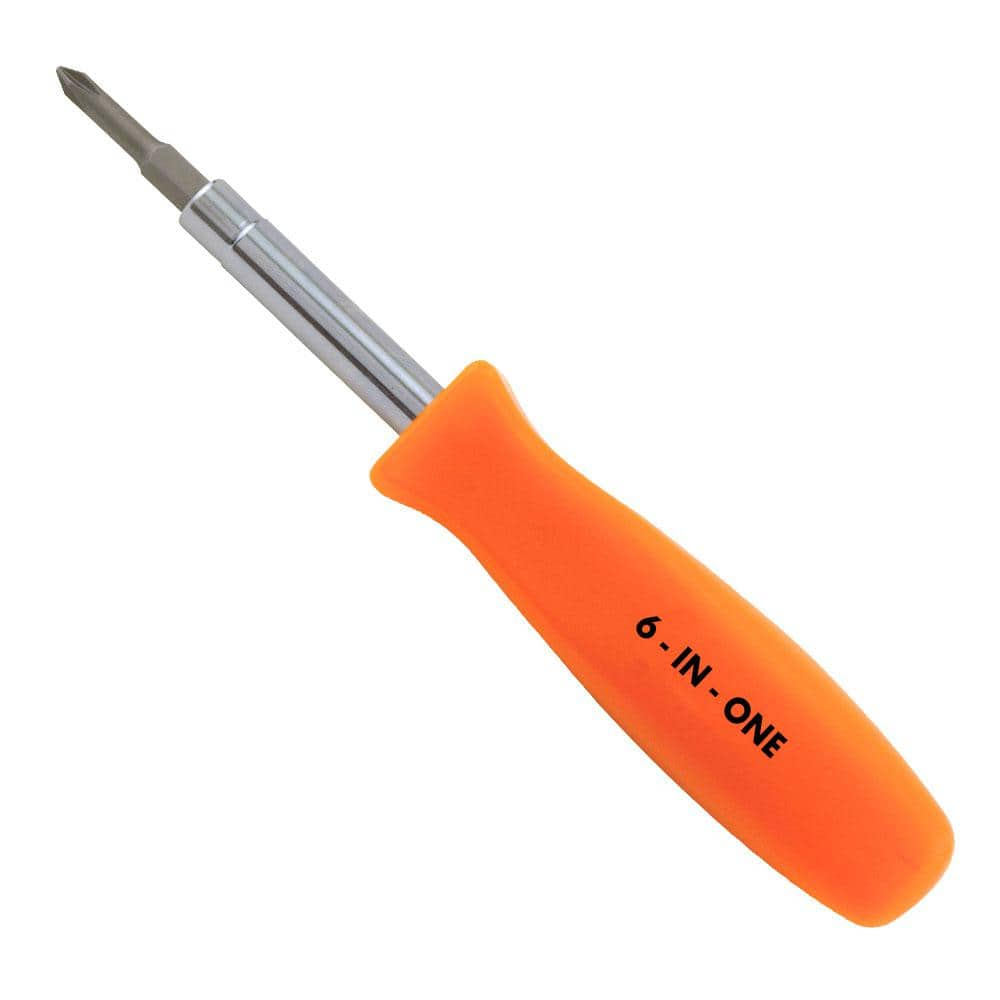
HDX 3-1/4 in. 6-in-1 Screwdriver 120SD12D
Bucket
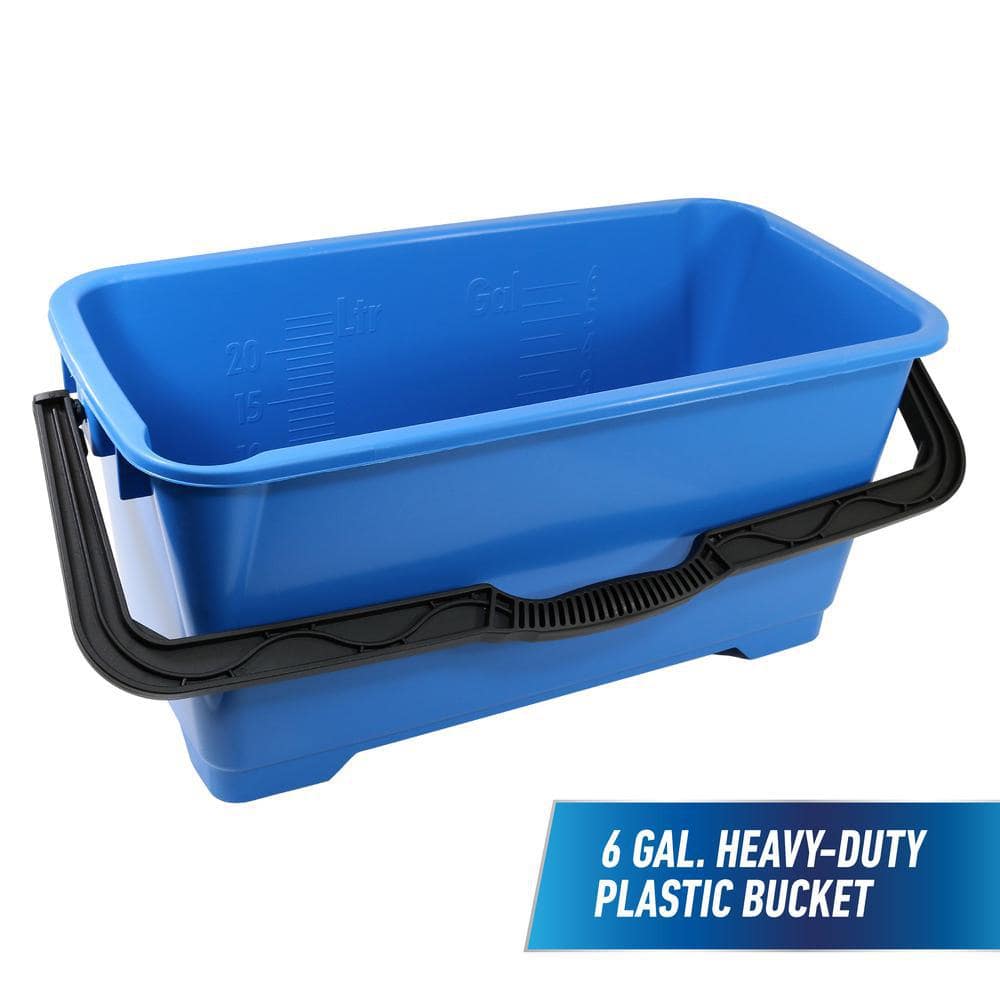
Unger 6 Gal. Heavy-Duty Plastic Bucket DB02
The Unger 6-Gallon Heavy-Duty Professional Cleaning Bucket holds more than 6 Gal. of liquid. The bucket can accommodate a scrubber up to 14 in. L. This bucket features measurement marks and 2-pour spouts
WYPALL L40 Towels, Dry Up Towels, 19-1/2 in. x 42 in., White, 200 Towels/Roll KCC05860
WYPALL L40 Wipers are effective wipers that absorb liquids lightning-fast. These wipes are made of bonded cellulose using DRC (double re-creped) technology for strength, softness and absorbency. As a wiping cloth, it soaks up liquids fast, but all you'll feel is softness, thanks to a plush, touchable outer layer. In fact, it's a popular choice for patient wiping in healthcare industries, for bathing and patient drying. These utility wipes are specially designed to absorb liquids, lubricants and oils (in restaurants for wiping counters, in mechanic shops, industrial and commercial factories and more), yet they're soft enough for use on face and hands. Experience the difference in superior absorbency and cleaning at your home or office today. Towel/Wipe Type: Dry Wipes; Application: Bathrooms; Material(s): Cloth-Like; Number of Plies: 1.
Work Gloves
Protects hands during tasks.
Klein Tools Non Contact Voltage Tester Pen, 50 1000V AC (NCVT1PR) NCVT1PR
Klein Tools Non-Contact Voltage Tester detects standard voltage in cables, cords, circuit breakers, lighting fixtures, switches, non tamper-resistant outlets and wires. A bright green LED indicates the
HDX 3-1/4 in. 6-in-1 Screwdriver 120SD12D
The HDX 3-1/4 in. 6-in-1 Screwdriver features double-sided bits with the four most common screwdriver tip styles, including a #1 Phillips bit, a #2 Phillips bit, a 3/16 in. flathead bit and a 1/4 in. flathead bit. Both ends of the shaft can be used as 1/4 in. nut drivers when the bits are removed, offering convenient, versatile use. The high-visibility orange handle makes the handy tool easy to find on a job site or in a toolbox.
Bucket
Ideal for carrying or storing liquids.
Steps

Preparation and Safety Shutdown
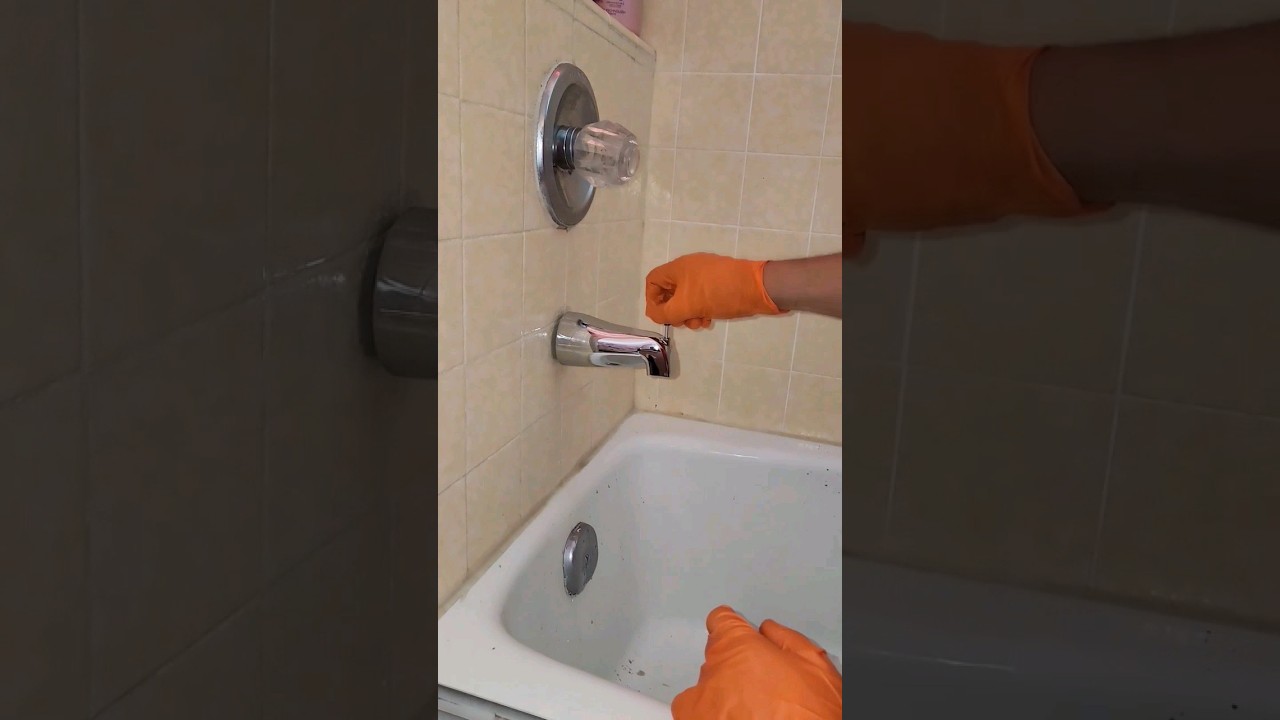
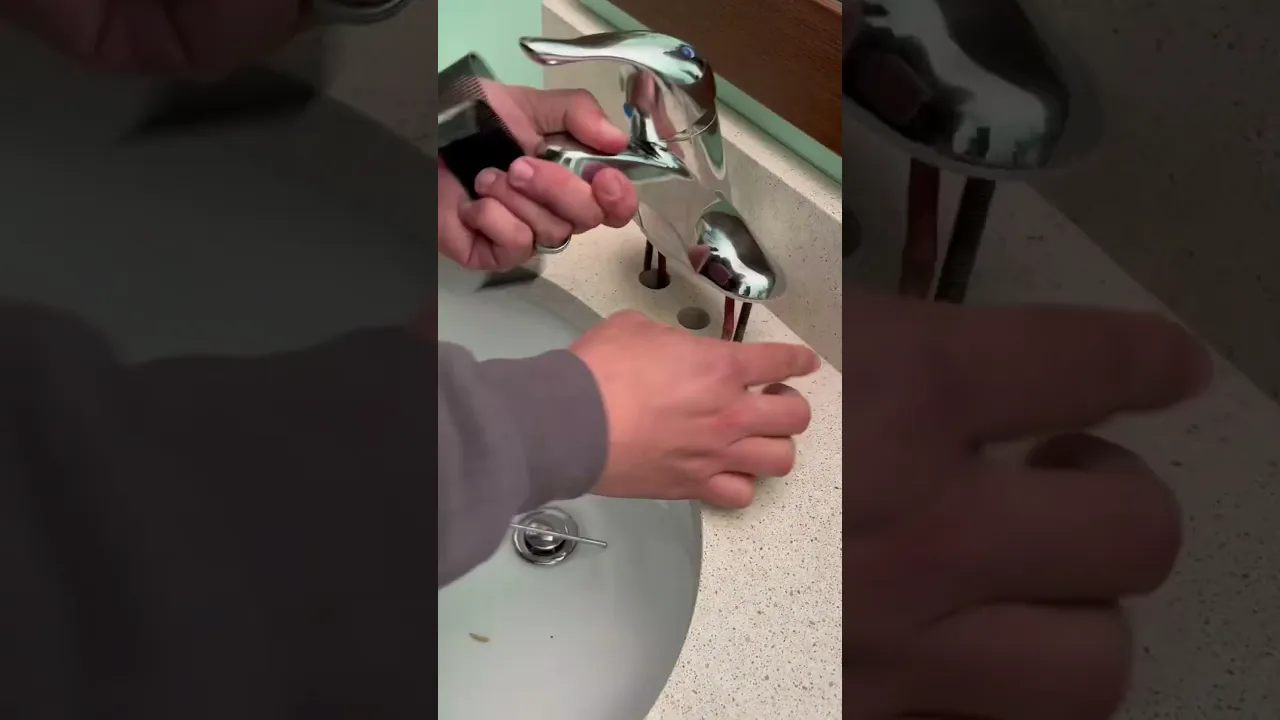
15 minsThe first and most critical step is to ensure a safe working environment. Begin by locating the circuit breaker that supplies power to the dishwasher in your home's main electrical panel and switch it to the 'OFF' position. Next, clear out the cabinet under the kitchen sink to get access to the plumbing and electrical connections. Locate the hot water shut-off valve, which is typically a small, oval-handled valve connected to the hot water pipe leading to your faucet. Turn this valve clockwise until it is fully closed to stop the flow of water to the dishwasher. Place a bucket and several old towels under the sink and in front of the dishwasher to catch any water that will inevitably spill during the disconnection process.
Watch: Preparation and Shutting Off Water
Disconnect the Drain Hose
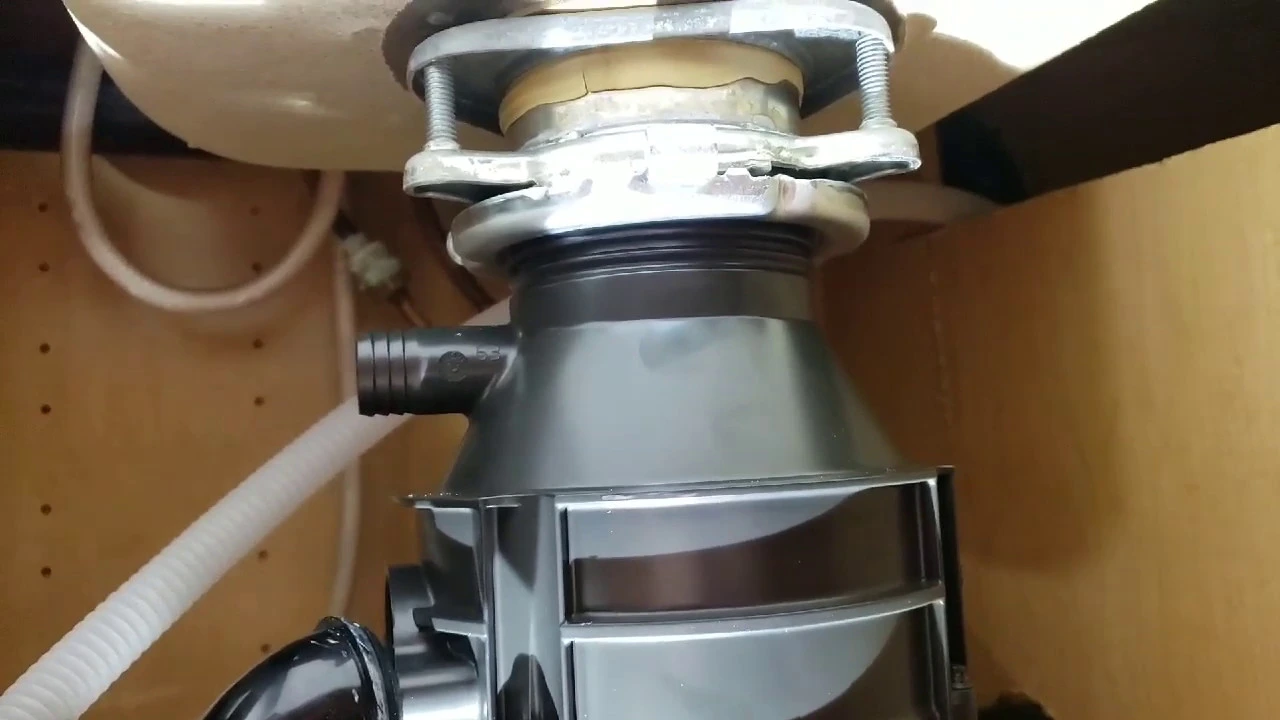
10 minsLocate the flexible, ribbed drain hose that runs from the back of the dishwasher to the garbage disposal. It will be connected to a small inlet nipple on the side of the disposal unit, secured by a metal hose clamp. Position your bucket to catch any water. Using a flathead or hex screwdriver (depending on the clamp type), turn the clamp's screw counter-clockwise to loosen it. Once loose, gently wiggle and pull the drain hose off the disposal nipple. Be prepared for water trapped in the hose to drain out into your bucket. Tuck the hose into the bucket to continue draining.
Watch: Disconnect Plumbing
Disconnect the Water Supply Line
15 minsIdentify the flexible, braided stainless steel water supply line running from the hot water shut-off valve to the front-left corner of the dishwasher. You will disconnect the end attached to the dishwasher. First, remove the lower front access panel (kick plate) of the dishwasher, which is usually held by two screws. This will expose the connection point. Place a towel directly under the connection. The supply line connects to a 90-degree brass elbow fitting. Using an adjustable wrench, grip the nut on the supply line and turn it counter-clockwise to loosen and disconnect it from the elbow. More water will drip out, which the towel will catch. You can now push the water and drain lines back through the hole in the cabinet wall.
Watch: Disconnect Water Supply
Disconnect the Electrical Supply
20 minsWith the kick plate removed, you will see a small metal junction box where the house wiring connects to the dishwasher. First, and most importantly, use a non-contact voltage tester to confirm that the power is off by placing its tip near the wires entering the box. The tester should not light up or beep. Once confirmed, remove the screw holding the junction box cover. Inside, you will see three connections made with wire nuts: black (hot), white (neutral), and a bare copper or green wire (ground) attached to a green screw. Unscrew the wire nuts counter-clockwise to separate the house wires from the dishwasher wires. Loosen the ground screw to release the copper wire. Finally, loosen the metal cable clamp (strain relief) that secures the electrical cable to the junction box, and carefully pull the house wiring out of the box.
Watch: Disconnect Power Cord from Old Disposal
Detach Dishwasher from Countertop
5 minsThe dishwasher is secured in place by two metal mounting brackets that are screwed into the underside of the countertop. Open the dishwasher door fully. Look up at the top of the dishwasher opening to locate these brackets, one on each side. They are typically thin metal tabs with one or two screws going up into the countertop material. Using the appropriate screwdriver (usually a Phillips head), carefully remove these screws. Be mindful not to scratch the inner door panel with your screwdriver. Because your countertop is granite, these brackets are essential for stability, so note their position for the new installation.
Watch: Secure Dishwasher to Cabinets
Slide Dishwasher Out
10 minsWith all connections severed and mounting screws removed, the dishwasher is ready to be pulled out. Lay down a large piece of cardboard or a thick blanket on the floor to prevent scratches. The dishwasher may have adjustable feet at the front and rollers at the back. If it feels stuck, you may need to use a wrench to turn the screw-like feet counter-clockwise to lower the front of the unit slightly. Grasp the sides of the dishwasher door and gently begin to pull it straight out of the opening. You may need to wiggle it side-to-side. Be patient, as the insulation blanket or the feet can catch on the flooring or cabinet edges. Once clear, you have successfully removed the old dishwasher.
Watch: Prepare and Remove the DishwasherCommon Problems
Ensure the water is completely off before disconnecting any plumbing. Test by turning on the faucet; no water should flow.
Solution: To avoid this issue: Be mindful of this warning and take appropriate precautions.
Failure to unplug the appliance can result in serious electric shock.
Solution: To avoid this issue: Be mindful of this warning and take appropriate precautions.
Water spills onto the floor when disconnecting the dishwasher hose.
Solution: Place a towel or a small bucket under the connection point to catch any water that may drain from the hose.
Confirm the power is off before touching any wiring or internal components.
Solution: To avoid this issue: Be mindful of this warning and take appropriate precautions.
Disconnecting the disposal before hoses can stress and damage pipes.
Solution: The video shows the host incorrectly trying to remove the disposal before the hoses. Always disconnect the hoses first to avoid stress on the pipes.
Significant water may still be in the drain hose and pump, so have towels ready.
Solution: To avoid this issue: Be mindful of this warning and take appropriate precautions.
Stuck shutoff valves can lead to broken pipes if forced.
Solution: If the shutoff valves are stuck, do not force them. You may need to shut off the main water supply to the house instead.
Frequently Asked Questions
What are the absolute most critical safety steps I need to take before starting this project?
Before anything else, locate and shut off the electrical breaker dedicated to your dishwasher, and turn off the hot water supply valve, usually found under the sink. Verify both are off before touching any wires or hoses to prevent electric shock or water damage.
What specific tools from the list are absolutely essential for a beginner, and are there common alternatives?
You definitely need a Phillips head screwdriver, an adjustable wrench, and a bucket for drips. While specialized tools can help, these three will handle most disconnections. Ensure your screwdriver fits snugly and your wrench isn't stripped.
How difficult is this project for someone with no prior plumbing experience, and how long should it realistically take?
This is considered a beginner-friendly project, primarily involving disconnection. For a first-timer, plan for 1.5 to 2.5 hours, allowing extra time for identifying connections, stubborn fasteners, and safely managing any water spills.
I'm concerned about water leaking everywhere when I disconnect the hoses. How much water should I expect, and how do I minimize the mess?
Expect some residual water (1-2 cups) from the supply line and the dishwasher's sump. Place towels and a bucket directly under the connections before loosening them. Work quickly and have extra absorbent towels, like the WYPALL L40, ready.
My dishwasher seems securely fastened to the countertop. Where are the typical attachment points I need to look for?
Most dishwashers are secured by two mounting brackets, either at the top underside of the countertop or to the side cabinets. Open the dishwasher door and look for screws in small tabs or holes near the front top corners or along the side edges of the tub.
What are common mistakes beginners make during dishwasher removal, and how can I avoid them?
A common mistake is forgetting to shut off power or water, leading to hazards. Another is not having enough towels for water spills. Also, rushing can damage hoses or cabinet parts; take your time, double-check connections, and use proper tools.