How to Remove an Old Bathtub for a Bathroom Remodel
About This Project
A comprehensive guide to safely disconnecting the plumbing, detaching an old bathtub from its alcove, and removing it from the bathroom as part of a remodel. This process includes shutting off the water supply, disconnecting the drain and overflow assembly, removing the tub surround, and finally, extracting the tub itself.
Best for advanced DIYers and professionals with basic plumbing knowledge and familiarity with power tools. Requires HDX Indoor Safety Glasses Clear (1-Pack) VS-9300, clear and Work Gloves and Husky Large Heavy Duty Glove 67812-06.
Tools & Materials
Agfabric 40 in. x 15 ft. 7.7 oz. Burlap Fabric Winter Plant Cover DIY Garden Cloth for Frost and Snow Protection PCBLN2704015
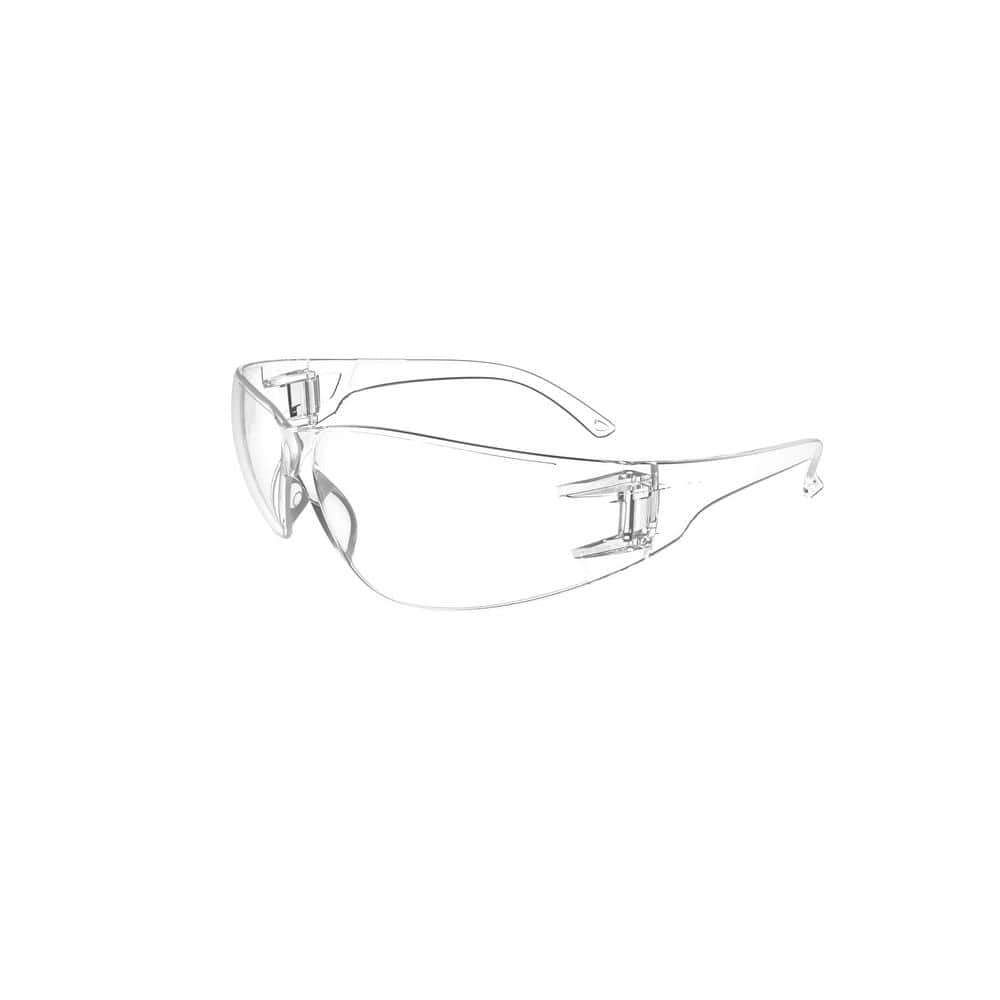
HDX Indoor Safety Glasses Clear (1-Pack) VS-9300, clear
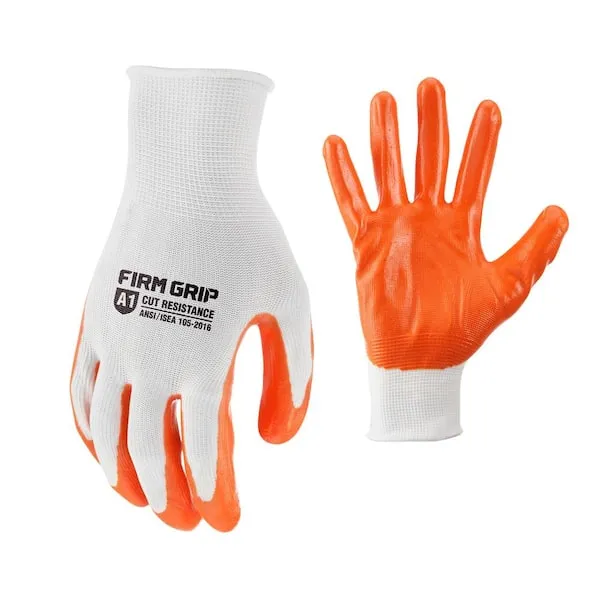
Work Gloves
Anvil Yellow 3-Piece Metal Indoor Outdoor Bistro Set, Patio Foldable Round Table and Chairs Set FY-W1586P143143
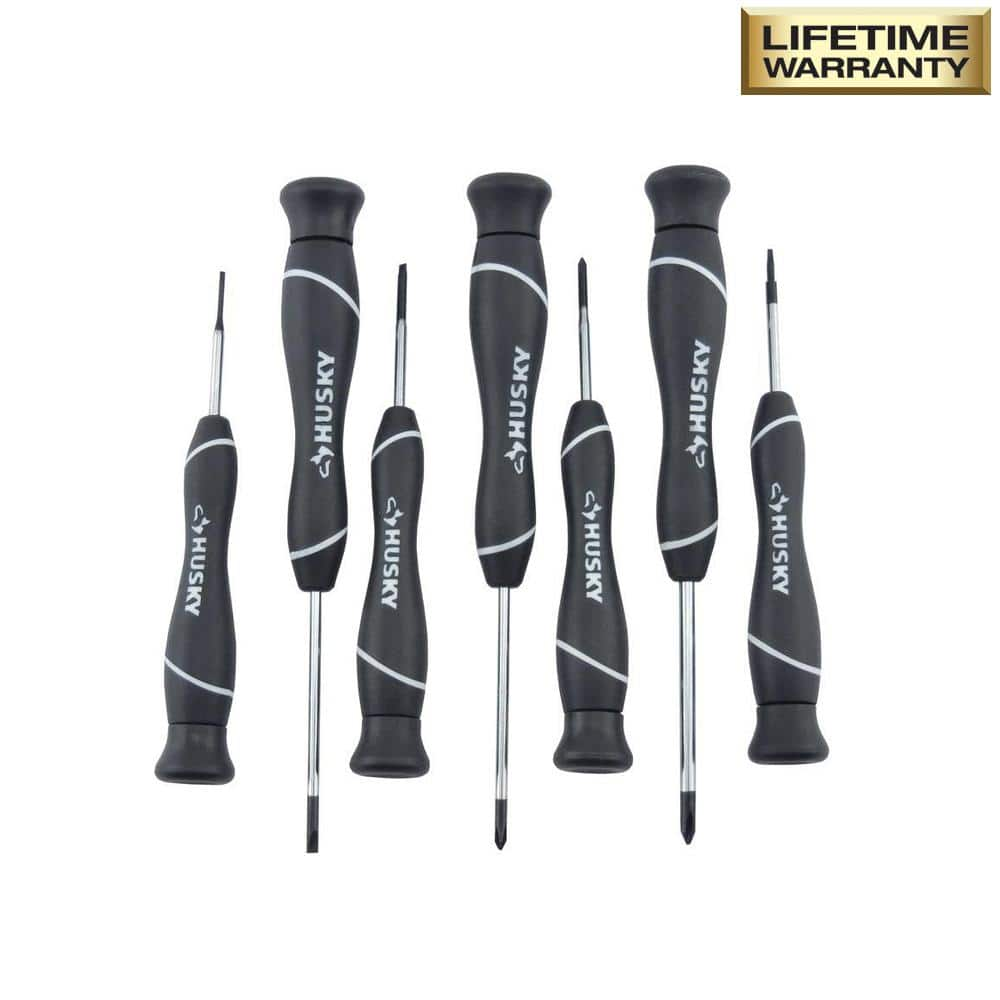
Husky Precision Screwdriver Set (7-Piece) 67123H
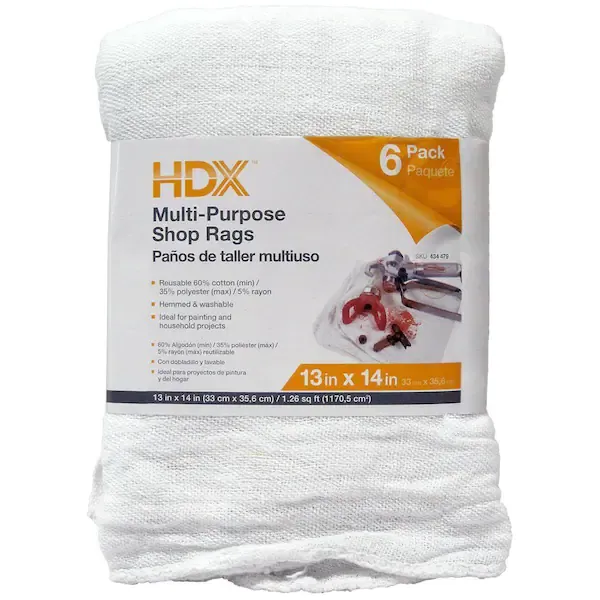
Rag
Agfabric 40 in. x 15 ft. 7.7 oz. Burlap Fabric Winter Plant Cover DIY Garden Cloth for Frost and Snow Protection PCBLN2704015
Agfabric natural burlap is Ideal for Winter plant cover DIY. You can use burlap to insulate plants during Winter to protect them from frost or insects. The large rolls can be freely cut to the size you
HDX Indoor Safety Glasses Clear (1-Pack) VS-9300, clear
Indoor safety glasses with anti-scratch lenses absorb UV lights and protect the eyes from particles, airborne debris and most commonly encountered eye hazards. Strong wraparound, light weight PC lens offer great and comfortable eye protection for indoor projects. Meet the requirements of ANZI Z87.1.
Work Gloves
Protects hands during tasks.
Anvil Yellow 3-Piece Metal Indoor Outdoor Bistro Set, Patio Foldable Round Table and Chairs Set FY-W1586P143143
Enjoy friendly conversation and a cappuccino with the Indoor/Outdoor 3-Piece Bistro Set. This Garden 3-piece folding patio set, featuring 2-dining chairs and 1-dining table. With its simple and practical
Husky Precision Screwdriver Set (7-Piece) 67123H
The screwdrivers in this Husky seven-piece set are equipped with contoured handles to provide a comfortable, secure grip. One Torx, three slotted and three Phillips screwdrivers comprise this assorted
Rag
Handy for cleaning or wiping tasks.
Steps

Preparation and Safety
30 minsBegin by completely shutting off the water to the bathroom. The safest method is to turn off the main water valve for the entire house. Once off, open the tub faucet and another faucet at a lower level in the house to drain any remaining water from the pipes. Clear the bathroom of all movable items like bathmats, toiletries, and decorations. Lay down protective drop cloths on the floor to prevent damage from debris and tools. Finally, put on your safety glasses and work gloves.
Watch: Drain and Disassemble Old Faucet
Remove Faucet Trim and Spout
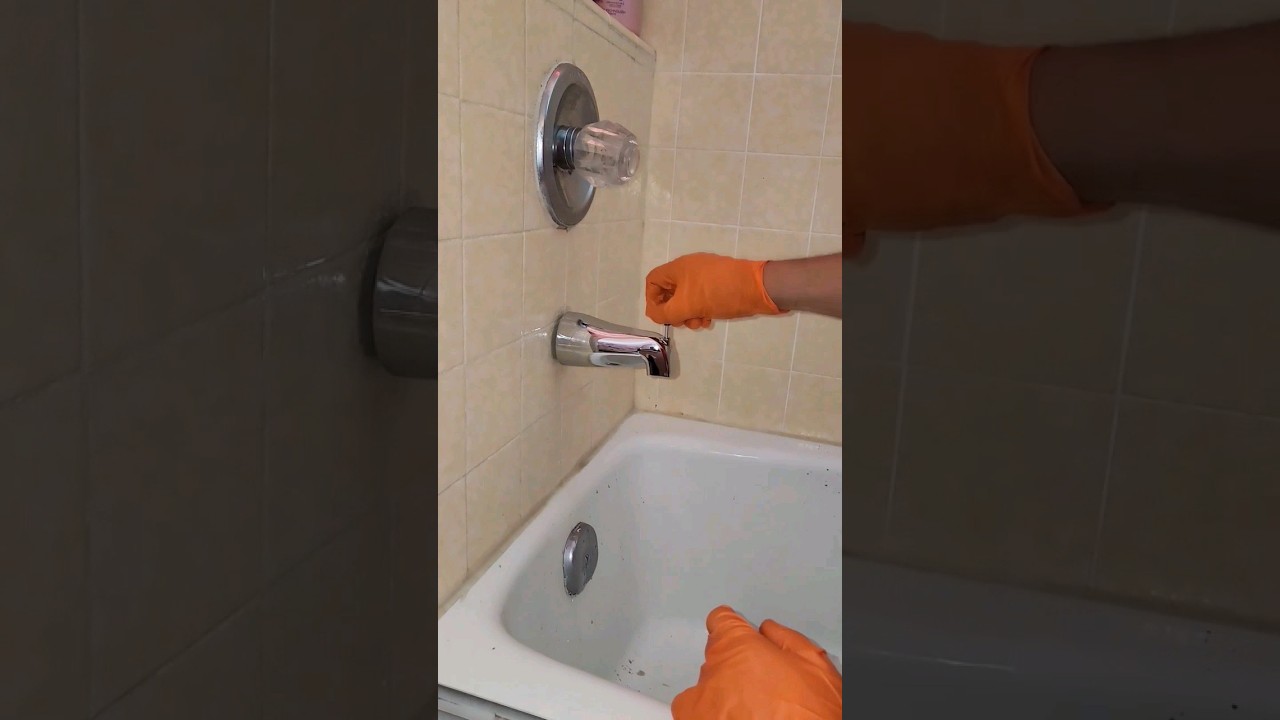
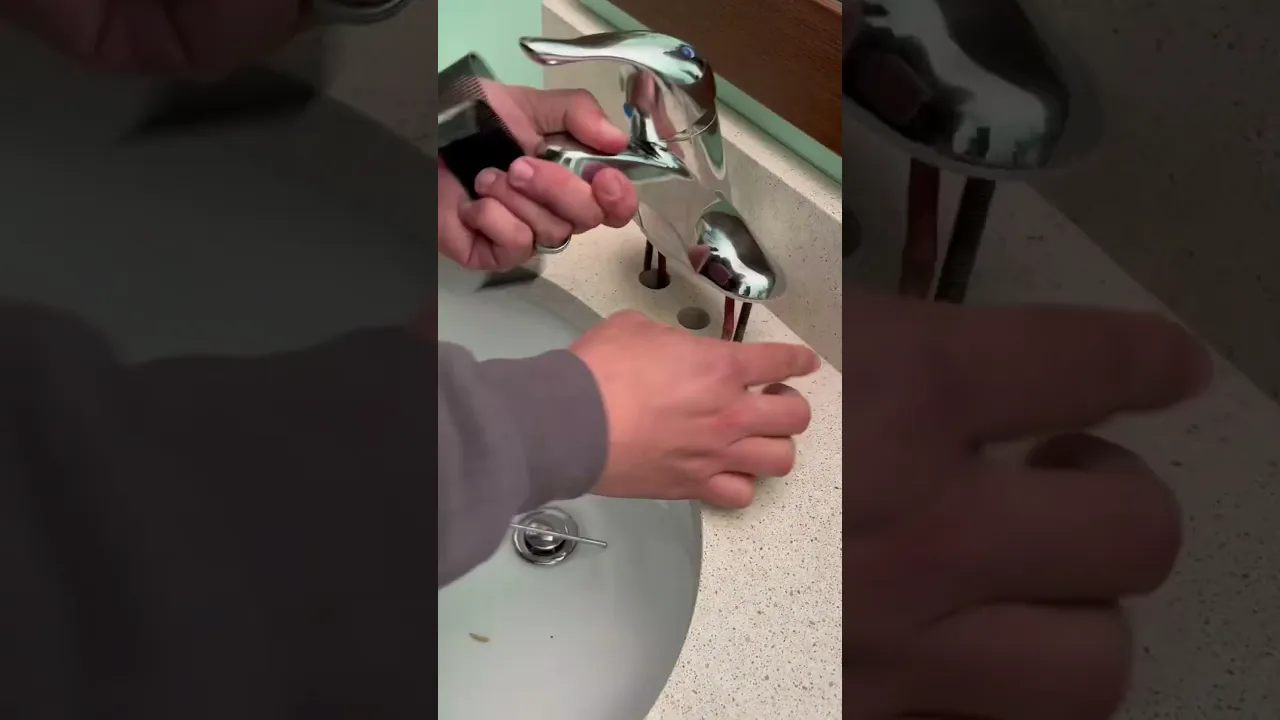
20 minsStart the disassembly by removing the faucet trim. For the handles, look for a small set screw (often requiring an Allen wrench) or a hidden screw under a decorative cap. Unscrew and pull the handles off. The large decorative plate behind the handles, called an escutcheon plate, is typically held on by two long screws; remove them and the plate. For the tub spout, check underneath for a set screw. If present, loosen it and the spout will slide off. If not, the spout is threaded and needs to be unscrewed by turning it counter-clockwise. Use a rag and channel-lock pliers if it's tight to avoid scratching the finish.
Watch: Remove Faucet Handle and Trim Plate
Create Plumbing Access
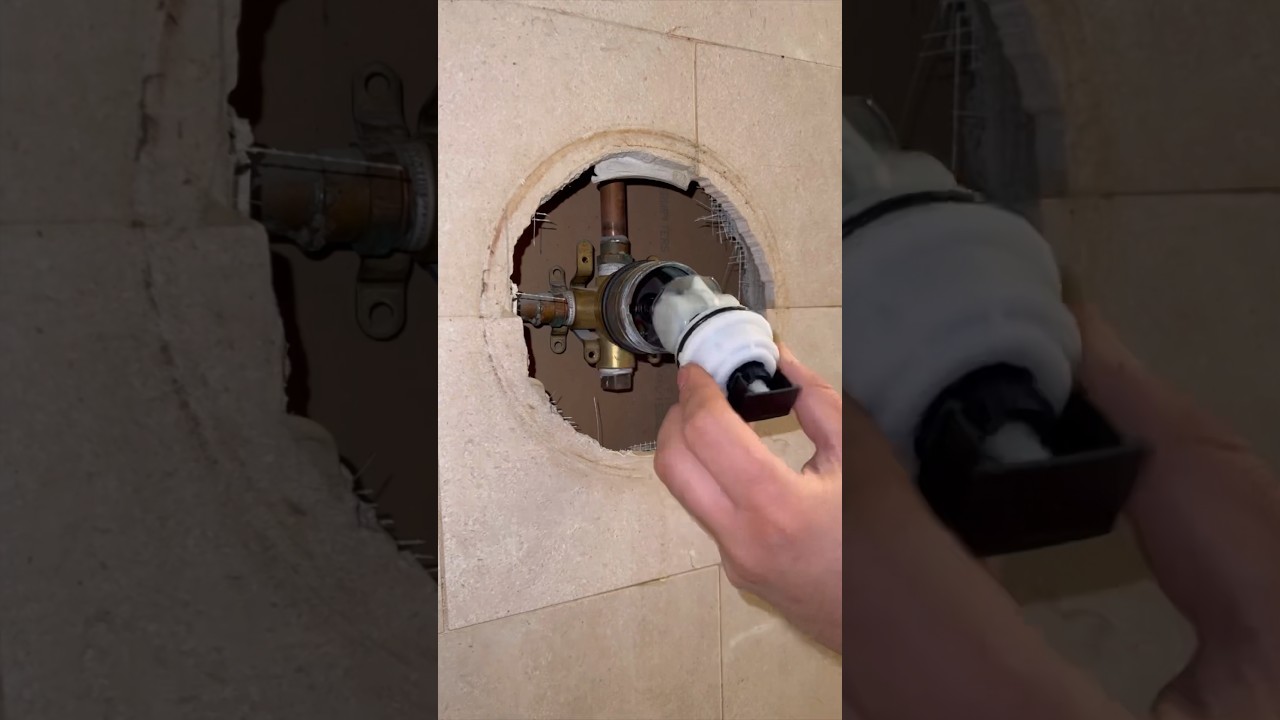
30 minsSince we assumed there is no access panel, you must create one. Go to the wall directly behind the tub's faucet and drain assembly. Use a stud finder to locate the studs on either side of the plumbing valve and drain pipes. You want to cut an opening between the studs. Mark a rectangle roughly 16 inches wide by 24 inches tall. Use a drywall saw to carefully cut along the marked lines. Cut gently to avoid plunging the saw too deep and hitting pipes. Remove the piece of drywall to expose the tub valve, water supply lines, and the waste and overflow assembly.
Watch: Cut and Remove Drywall
Disconnect Waste and Overflow Assembly
45 minsThe waste and overflow is the assembly that connects the tub's main drain and the overflow opening to the house's drain pipe. First, from inside the tub, remove the overflow cover plate; this will often detach the linkage for the drain stopper. Next, use a tub drain wrench (or the handles of needle-nose pliers spread open) to engage the crossbars in the drain flange and turn it counter-clockwise to unscrew it. From the access panel you cut, use channel-lock pliers to loosen the large slip nuts that connect the overflow tube and the drain shoe pipe to the central sanitary tee. Once loosened, the entire assembly can be pulled away from the tub.
Watch: Install New Drain and Overflow Assembly
Expose Tub Nailing Flange
1 minTo completely free the tub, the wall material covering the tub's nailing flange must be removed. This typically means removing tile and backer board for about 6-8 inches above the tub deck around all three sides of the alcove. Use a hammer and chisel or a small pry bar to carefully chip away the tiles. Once the tile is gone, cut through the drywall or cement backer board with a utility knife or reciprocating saw to expose the wall studs and the tub's nailing flange, which is a lip that extends up onto the studs.
Watch: Remove the Remaining Flange
Detach Tub from Wall Studs
45 minsWith the nailing flange exposed, you can now detach the tub from the wall studs. Look for the screws or roofing nails that were driven through the flange into the studs. Use a drill/driver or a pry bar's claw to remove them. Often, these fasteners are corroded or embedded in tile adhesive. The most effective method is often to use a reciprocating saw with a metal-cutting or demolition blade. Slide the blade between the flange and the stud and cut through each fastener. Do this for all studs along the three sides of the tub.
Watch: Remove Trim and Inspect FastenersExtract the Bathtub
30 minsWith a helper, you can now remove the tub. Since it is a lighter acrylic/fiberglass model, it should be manageable. Use a utility knife to cut any remaining sealant between the tub and the floor. Have one person stand at each end. Lift the edge of the tub that is away from the wall, then pull it outwards from the plumbing wall. Once it is clear of the studs, you can pivot and carry it out of the bathroom. If the tub is too large to fit through the doorway, you can easily cut it into two or three pieces using the reciprocating saw. Cut carefully and be aware of any fiberglass dust, which can be an irritant.
Watch: Cut the Bathtub PerimeterCommon Problems
Failure to turn off power and water can lead to electric shock and water damage.
Solution: To avoid this issue: Be mindful of this warning and take appropriate precautions.
Confirm the water is off by briefly opening a faucet elsewhere in the house or by observing that no water drips from the pipes once cut.
Solution: To avoid this issue: Be mindful of this warning and take appropriate precautions.
Water remains in the pipes, causing a mess.
Solution: Opening and closing the valve a few times can help ensure all the water is drained out.
Tub removal is stalled by inaccessible fasteners hidden behind excess wall material.
Solution: You only need to remove the wall material a few inches above the tub lip to free it.
Patching drywall around a tub makes backer board and waterproofing difficult.
Solution: Removing the drywall completely to the ceiling can make installing new backer board and waterproofing easier than patching in a small section.
Jagged drywall edges make post-demolition repair difficult.
Solution: Scoring the drywall before cutting helps to create a cleaner edge for easier repair later.
Be aware of plumbing pipes and electrical wiring within the walls when cutting.
Solution: To avoid this issue: Be mindful of this warning and take appropriate precautions.
Frequently Asked Questions
What are the most critical safety precautions I should take before and during bathtub removal?
Always shut off the main water supply to your home and drain the lines before beginning. Wear safety glasses (HDX Indoor Safety Glasses), heavy-duty gloves (Husky Large Heavy Duty Glove), and a respirator (3M P100 Household Respirator) to protect against dust, debris, and potential mold. Ensure the work area is well-ventilated, and if using power tools, keep cords away from water and work carefully.
Do I really need specialized tools like a tub drain wrench or a reciprocating saw, or can I get by with standard tools?
A tub drain wrench (like the Husky Double Ended Tub Drain Wrench) is highly recommended for efficiently removing the drain assembly without damaging the plumbing. While not always strictly necessary, a reciprocating saw with a demolition blade (like DIABLO Demo Demon) can significantly ease the removal of difficult tubs, especially heavy cast iron ones, by cutting them into manageable pieces. A pry bar (Stanley 12 in. Wonder Bar Pry Bar) is also essential for detaching the tub.
How long does a typical bathtub removal project take for an intermediate DIYer, and is it a one-person job?
For an intermediate DIYer, removing a bathtub typically takes 4-8 hours, depending on the tub type, access to plumbing, and unexpected issues. While some initial steps can be done solo, extracting the tub itself, especially if it's cast iron, often requires at least two people due to its weight and bulk to prevent injury or damage.
What are common pitfalls or mistakes to avoid when disconnecting plumbing or detaching the tub from the wall?
A common mistake is not completely shutting off the water or checking for remaining pressure before disconnecting pipes, leading to leaks. Another is forcefully prying without locating all securing points (like nailing flanges behind the surround), which can damage surrounding walls or the subfloor. Always double-check for hidden screws or mortar that might still be holding the tub in place.
My old tub is very heavy, likely cast iron. How can I safely remove it from the bathroom once it's detached?
For very heavy tubs like cast iron, the safest method is often to break or cut it into smaller, more manageable pieces using a sledgehammer or a reciprocating saw with appropriate blades (DIABLO Demo Demon). Protect your surroundings with heavy burlap fabric (Agfabric Burlap Fabric) and wear heavy-duty safety gear. Alternatively, gather ample help and use a dolly or furniture movers, protecting floors with blankets or cardboard.
What should I do if I discover water damage, mold, or damaged subflooring behind the old tub enclosure?
If you find water damage or mold, stop work immediately. Assess the extent of the damage; minor mold can often be cleaned with appropriate solutions and PPE, but significant damage requires repair or replacement of affected drywall, studs, or subflooring. Address these issues thoroughly before installing a new tub to prevent future problems.