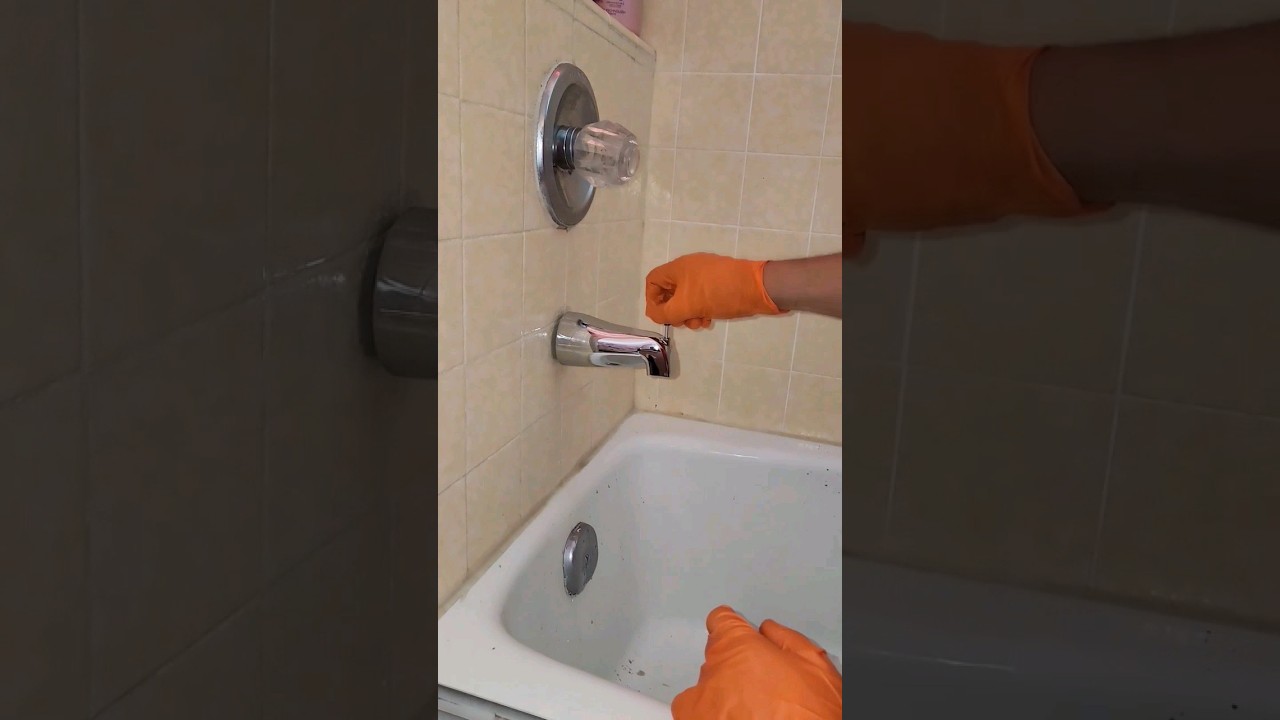
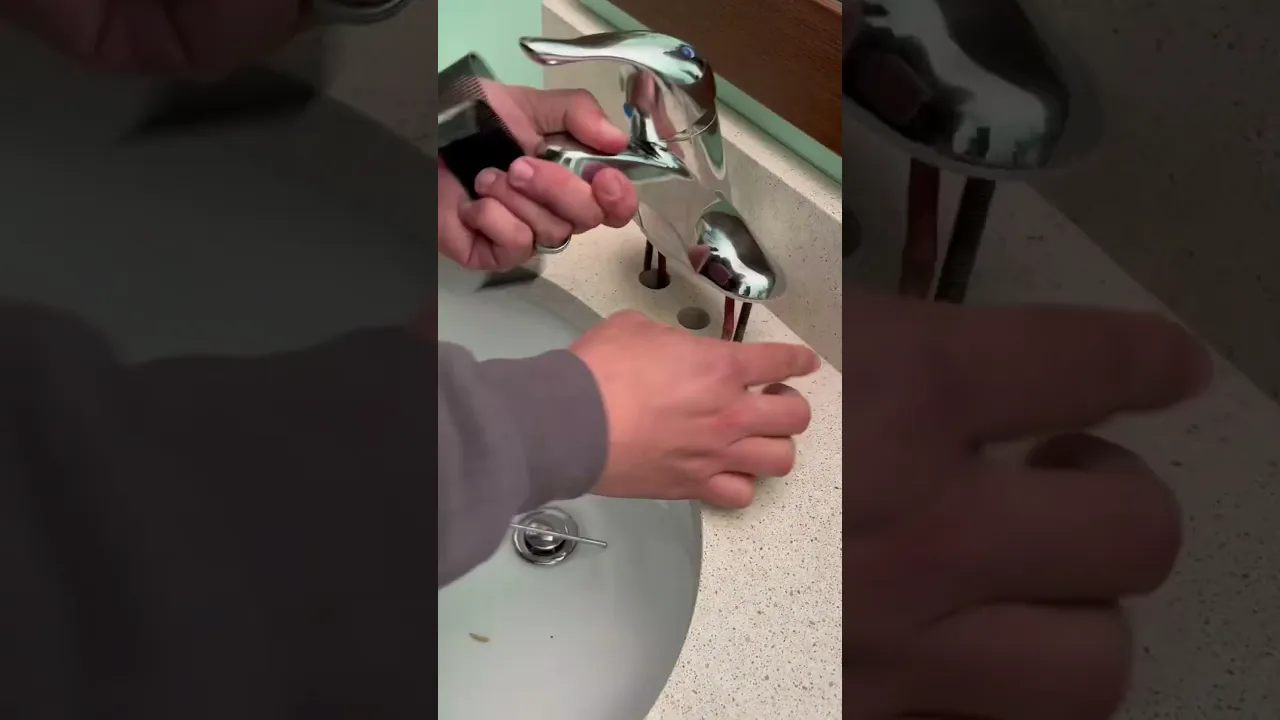
How to Remove a Stuck Faucet Handle
About This Project
This guide provides a comprehensive, step-by-step process for safely removing a faucet handle that is stuck due to mineral deposits or corrosion. The process involves preparation, using penetrating oil and heat, and finally employing manual force or a specialized tool for removal.
Best for experienced DIYers and homeowners with some experience with basic plumbing knowledge. Requires Safety gloves.
Tools & Materials
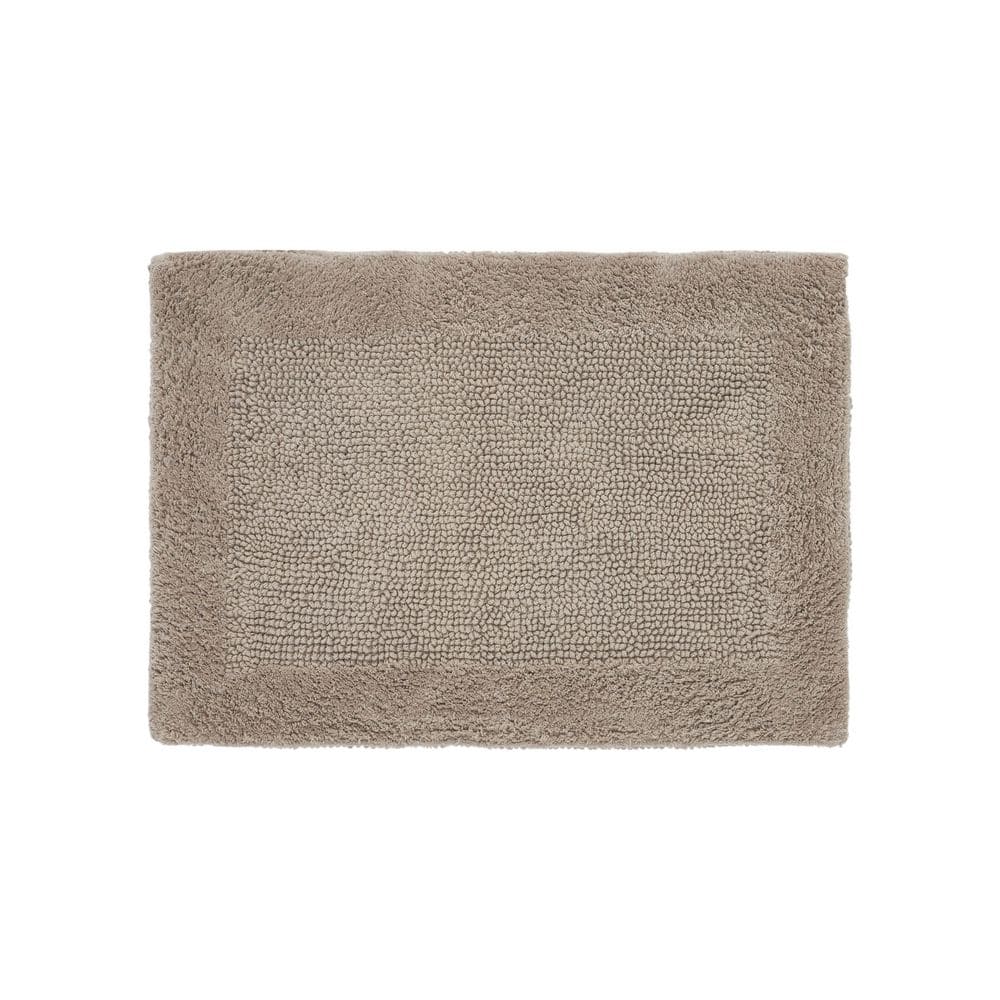
Better Trends Edge Collection 17 in. x 24 in. Brown 100% Cotton Rectangle Bath Rug BAEG1724SD
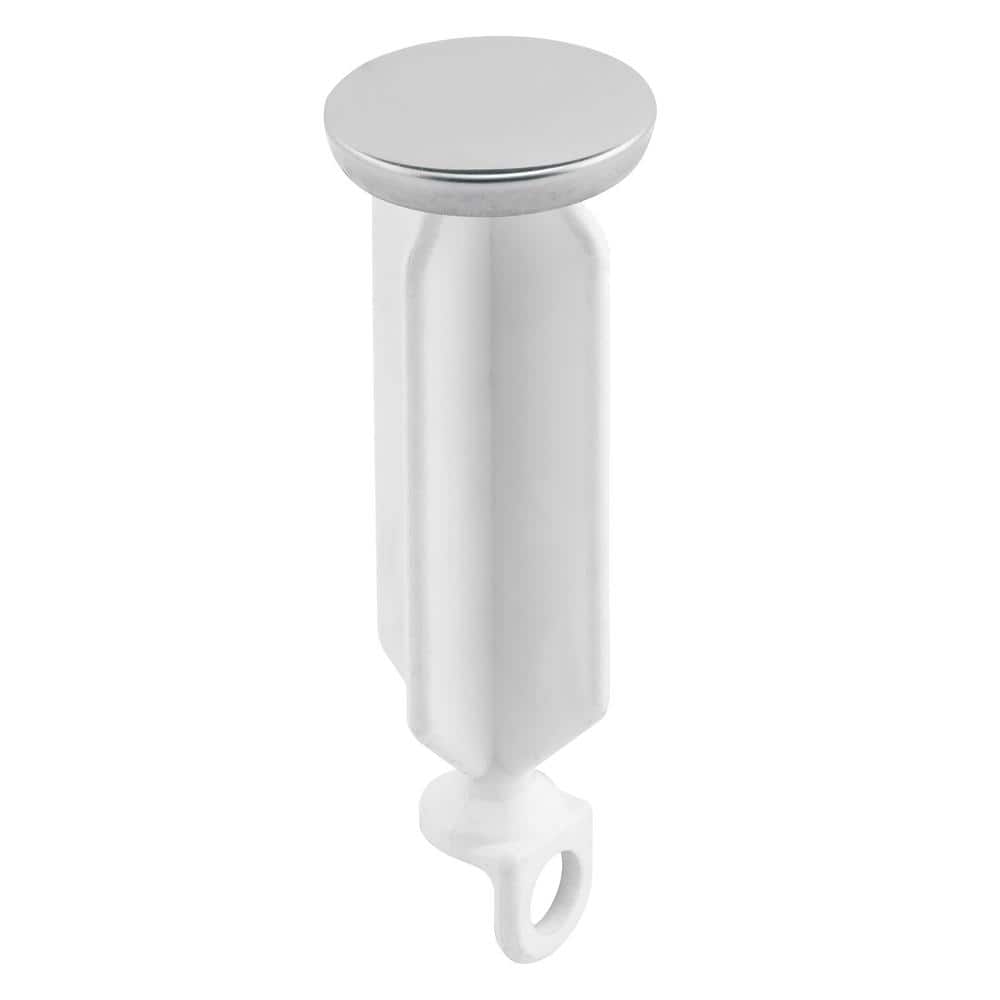
Prime-Line Lavatory Drain Plug 4 in. Plastic Chrome Fits Moen MP53270
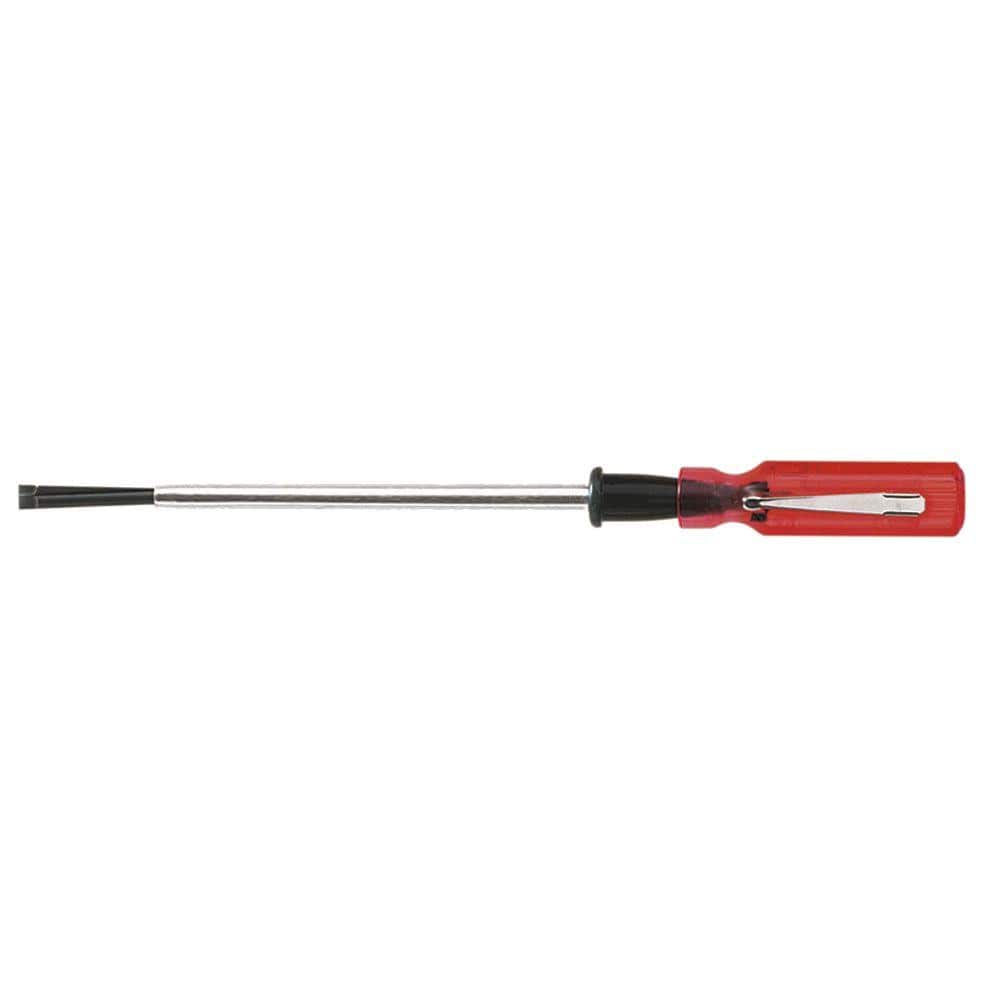
Klein Tools 3/16 in. Slotted Screw-Holding Flat Head Screwdriver with 8 in. Round Shank K28

Anvil Black 5-Piece Metal Outdoor Dining Set Patio Bistro Set Table and Chair Set with Umbrella FY-W2089135482
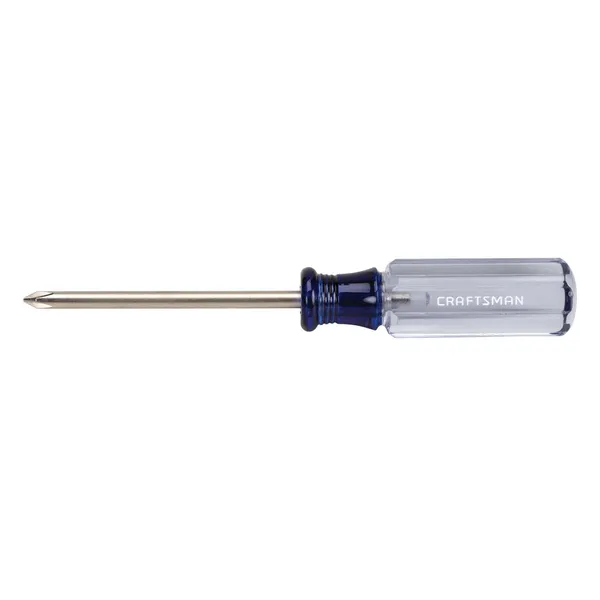
Phillips head screwdriver
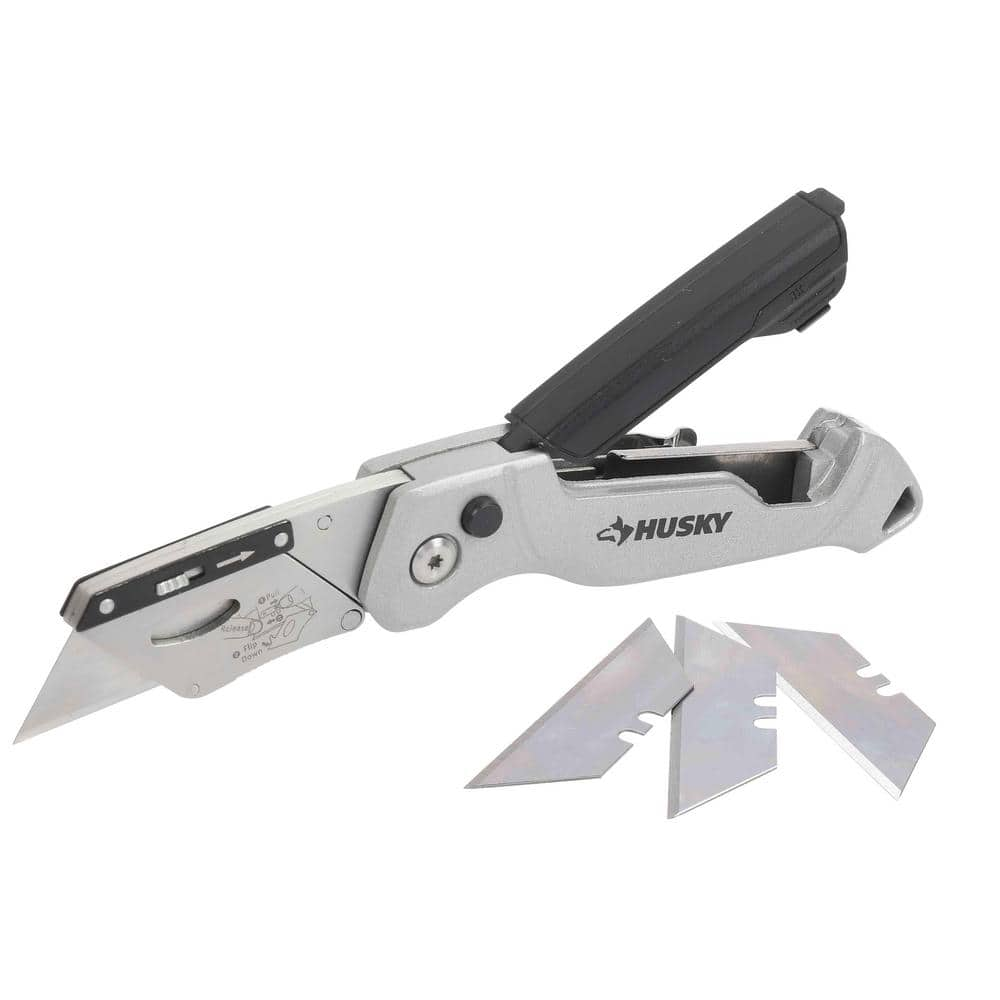
Husky Pro Utility Knife 00004
Better Trends Edge Collection 17 in. x 24 in. Brown 100% Cotton Rectangle Bath Rug BAEG1724SD
This one is a perfect option if you are looking for a highly durable and sustainable rug for the bathroom. This collection of bathroom mats and rugs sets is a worth investing offer from Better Trends.
Prime-Line Lavatory Drain Plug 4 in. Plastic Chrome Fits Moen MP53270
This replacement lavatory drain pop-up is constructed of plastic material and comes in a chrome finish.
Klein Tools 3/16 in. Slotted Screw-Holding Flat Head Screwdriver with 8 in. Round Shank K28
Getting that screw to stay put while you get it in place is much easier with Klein's Slotted Screw-Holding screwdriver. Positive gripping action holds, starts, and drives slotted screws in awkward, hard-to-reach
Anvil Black 5-Piece Metal Outdoor Dining Set Patio Bistro Set Table and Chair Set with Umbrella FY-W2089135482
The 5-Pieces outdoor dining set with umbrella sounds like a great addition to any patio or outdoor space. The set includes a patio table with an umbrella and 4-chairs, providing comfortable seating for
Phillips head screwdriver
This is a type of screwdriver that has a cross-shaped tip.
Husky Pro Utility Knife 00004
Offering a precise cut every time, Husky Pro Folding Utility Knife lets you easily adjust the blade to multiple angles to tackle a wide range of jobs. Aluminum die casting handle with plastic spraying
Steps

Prepare Work Area and Shut Off Water
5 minsBegin by ensuring the work area is safe and prepared. Locate the water shutoff valves for the faucet, typically found in the cabinet directly beneath the sink. There will be one for hot and one for cold. Turn the knobs clockwise until they are fully closed. If these valves are inaccessible or seized, you must shut off the main water supply to your house. After turning off the water, open the faucet handle to release any residual pressure and confirm the water flow has stopped. Place a drain plug or a rag over the sink drain to prevent small parts like screws or caps from falling in. Finally, lay a towel or soft cloth on the sink deck and countertop around the faucet to protect the surfaces from scratches.
Watch: Preparation and Water Shut-off
Expose and Remove the Set Screw
5 minsExamine the faucet handle to locate the set screw that fastens it to the valve stem. Based on our assumption, there is a decorative cap on the top or front, often marked with a hot/cold indicator (red/blue). Carefully use the tip of a small, flathead screwdriver or a utility knife to gently pry this cap off. Be mindful not to scratch the chrome finish. Once the cap is removed, look inside the hole to identify the type of screw. It will typically be a small Phillips head screw or a hexagonal Allen screw. Select the corresponding Allen wrench or screwdriver and insert it into the screw head. Turn the screw counter-clockwise to loosen it. You usually only need to back it out a few turns; it does not need to be removed completely, which reduces the risk of losing it.
Watch: Remove Faucet Handle
Apply Penetrating Oil to Loosen Corrosion
20 minsThe primary reason a handle gets stuck is from mineral buildup (calcification) and corrosion fusing it to the valve stem. To combat this, apply a generous amount of penetrating oil. Spray the oil into the set screw opening, allowing it to get down to the valve stem. Also apply it around the base of the handle, where it meets the faucet body. The oil will seep into the small crevices and begin to dissolve the corrosion. Allow the penetrating oil to sit and work for at least 15-30 minutes. For exceptionally stubborn handles, you may need to let it soak for an hour or more, reapplying the oil occasionally. Use a rag to wipe up any excess oil that drips onto the faucet or sink.
Watch: Inspect Handle and Stem for Buildup
Attempt Removal with Wiggling and Pulling
5 minsAfter allowing the penetrating oil to work, attempt to remove the handle again. Grasp the handle firmly. While pulling straight up, apply a wiggling or rocking motion. Wiggle the handle back-and-forth and side-to-side. This complex motion helps to break the final bonds of the corrosion that the oil has weakened. Be firm but controlled. The goal is to break it free with persistent motion, not brute force. If it moves slightly, that's a good sign. Continue wiggling and pulling upwards until it slides off the valve stem. If it doesn't budge, do not escalate the force; proceed to the next step.
Watch: Extract the Stuck Handle
Apply Controlled Heat
5 minsIf wiggling fails, applying heat can be very effective. The principle of thermal expansion means the metal handle will expand slightly faster than the valve stem inside, helping to break the corrosion's grip. Use a standard hairdryer set to its highest heat setting. Wear protective gloves as the handle will become hot. Direct the hot air stream at the base of the faucet handle, moving the hairdryer continuously to heat all sides evenly. Do this for 1-2 minutes. Immediately after heating, grasp the hot handle (with your gloves on) and repeat the wiggling and pulling technique from the previous step. The combination of heat and motion is often enough to free the most stubborn handles.
Watch: Break Jam Free with Allen Wrench
Utilize a Faucet Handle Puller
10 minsIf all else fails, the professional method is to use a dedicated faucet handle puller. This tool is designed specifically for this task and removes the handle safely without risk of damaging the faucet. The tool has two arms that hook under the base of the handle and a central screw shaft. Position the puller so its arms are securely gripping the underside of the handle. Turn the top T-handle of the puller clockwise. This action will drive the central shaft down against the top of the valve stem while simultaneously pulling the arms upward. This applies even, vertical pressure, slowly and safely forcing the handle up and off the stem. This is the ultimate solution for a truly frozen handle.
Watch: Remove the Faucet HandleCommon Problems
Be careful not to apply so much force that you damage the disposal housing or plumbing.
Solution: To avoid this issue: Be mindful of this warning and take appropriate precautions.
The set screw can be heavily corroded. Be patient and use penetrating oil to avoid stripping the screw.
Solution: To avoid this issue: Be mindful of this warning and take appropriate precautions.
Scratched or marred faucet handle finish.
Solution: Wrap pliers with tape or use a rag to avoid damaging the handle's finish.
Faucet handle won't budge; the hidden grub screw was missed.
Solution: Look carefully for a small grub screw at the back or side of the handle.
Listen for a 'pop' sound, which indicates the handle has broken free. Stop tightening immediately to avoid unnecessary strain on the tool or fixture.
Solution: To avoid this issue: Be mindful of this warning and take appropriate precautions.
Do not force the tool or turn it too quickly, as this could crack the handle or damage the valve.
Solution: To avoid this issue: Be mindful of this warning and take appropriate precautions.
Faucet handle won't budge even with a puller.
Solution: If the handle is extremely stubborn, you may need to loosen the puller, reposition it slightly, and try again to get a better grip.
Frequently Asked Questions
What if my faucet handle remains stuck even after applying penetrating oil and heat?
If the handle is still stubborn, it's time to use a specialized faucet handle puller, such as the Husky 410-072-0111. Ensure the puller is properly positioned, and apply firm, even pressure to safely extract the handle without damaging the faucet stem. You may also need to reapply penetrating oil and let it soak longer for severe corrosion.
What are the key safety precautions when using heat, like a hairdryer, on a stuck faucet handle?
Always protect surrounding surfaces with a rag or heat-resistant material to prevent accidental damage. Use controlled, indirect heat from the Aoibox hairdryer, moving it constantly to avoid overheating any single spot or damaging internal components. Wear work gloves to protect your hands during the process.
Is a specialized faucet handle puller absolutely necessary for this project, or can I use other tools?
While not always strictly necessary, a faucet handle puller like the Husky 410-072-0111 significantly reduces the risk of damaging your faucet stem or handle. Using alternative tools like pliers or screwdrivers to pry could warp the handle or break the stem, leading to more costly repairs. It's highly recommended for a safe and effective removal.
How can I prevent damaging my faucet or the surrounding sink area during the removal process?
Use the correct screwdriver size, like the Klein Tools K28, for the set screw to avoid stripping it. When applying force, do so gently and incrementally, avoiding sudden jerks. Always ensure the Drip Can or rags are in place to catch any penetrating oil or water spills and protect your cabinet.
The project estimates 2 hours, but what if my faucet handle is severely corroded or stuck?
The 2-hour estimate is for a typical scenario. For severe corrosion, you might need to apply KROIL Penetrating Oil multiple times over several hours, or even overnight, to allow it to fully penetrate. Patience is key; rushing the process can lead to damaging the handle or stem, increasing repair time and cost.
Can I use a regular household hairdryer instead of the specified 'Aoibox 1800-Watt Water Ionic Hair Dryer' for heat application?
Yes, a standard household hairdryer with multiple heat settings can be used effectively. The goal is to apply localized, controlled heat to help expand the metal and loosen mineral deposits and corrosion. The specific Aoibox model is merely a suggestion for a powerful option, but any hairdryer capable of sufficient heat will work.
What should I do if the set screw on my faucet handle is stripped or too corroded to remove?
If the set screw is stripped, first try using a screw extractor kit or a slightly larger flathead screwdriver if it's a Philips head. For extreme corrosion, applying extra penetrating oil like KROIL and letting it soak for an extended period can sometimes help. As a last resort, carefully drilling out the screw is an option, but this should only be attempted with extreme caution to avoid further damage, or consider calling a professional.